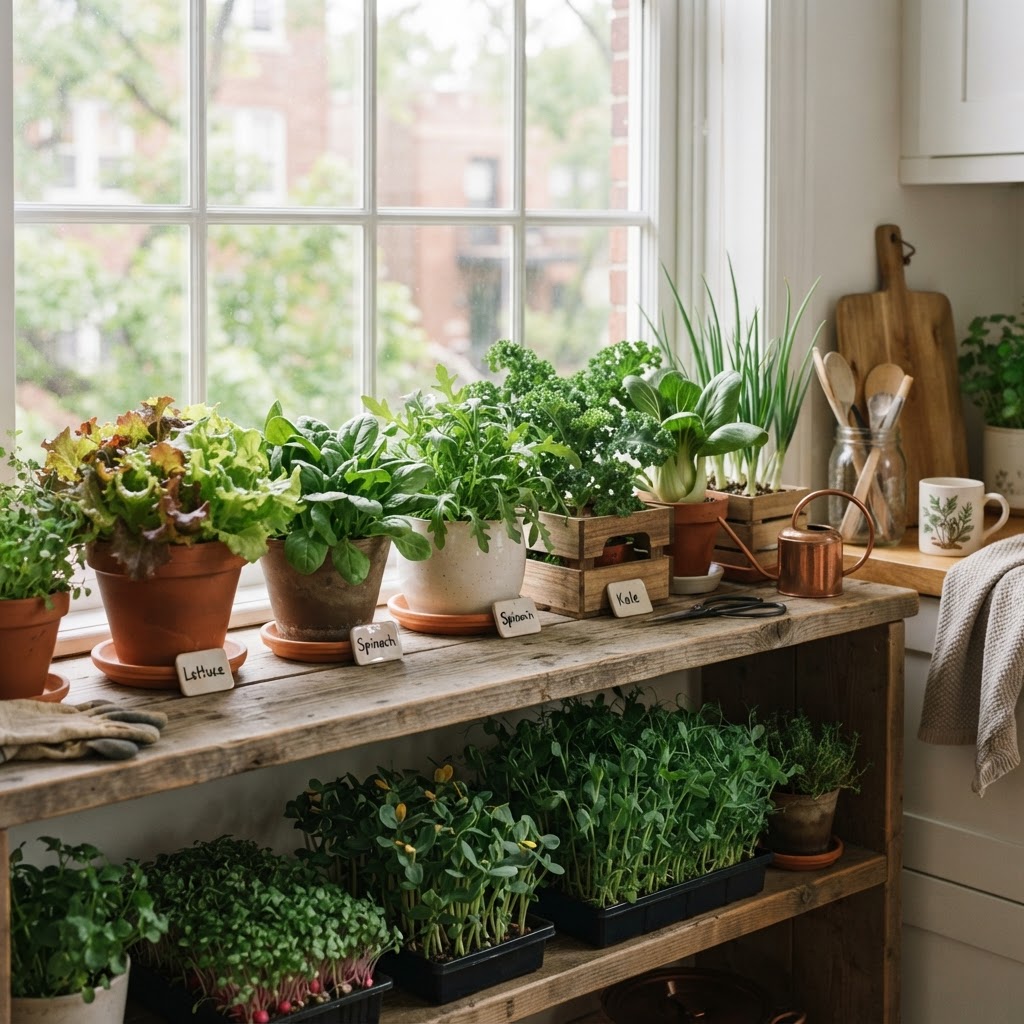
Best Low Light Vegetables for Indoor Growing: Easy Crops for Small, Shady Spaces
Growing vegetables indoors can feel tricky when your home does not get much sun. The good news is that several edible plants can still grow well in lower light, especially leafy greens and a few fast-growing root crops.
If you have a north-facing window, a shaded apartment, or just one bright corner in the kitchen, you can still harvest fresh produce at home. The key is choosing the right crops and giving them steady care.
Why This Topic Matters
Many beginner gardeners assume vegetables need full sun all day long. While fruiting crops like tomatoes, peppers, and cucumbers usually do need strong light, not every edible plant has the same needs.
Low light vegetables open the door for more people to grow food indoors. That matters if you live in an apartment, deal with long winters, or want a simple way to start gardening without investing in a big outdoor setup.
Indoor growing also gives you more control over temperature, watering, and pests. For beginners, that can make gardening feel less overwhelming and more rewarding.
There is one important detail to keep in mind: “low light” does not mean “no light.” Even the most shade-tolerant vegetables grow best with some natural light or supplemental light from a small grow light. Still, certain crops are much more forgiving than others.
Quick Answer
The best low light vegetables for indoor growing are mostly leafy greens and a few compact roots. Top choices include:
- Lettuce
- Spinach
- Arugula
- Kale
- Swiss chard
- Mustard greens
- Bok choy
- Green onions
- Radishes
- Beet greens
- Microgreens
- Pea shoots
These crops handle lower light better than fruiting vegetables because you are usually harvesting the leaves, stems, or young roots rather than waiting for flowers and fruit. In most homes, they will perform best near the brightest available window, and many grow even better with a simple LED grow light.
Step-by-Step Guide
1. Start with the best low light crops
If your indoor space is dim, crop choice matters more than anything else. Focus on vegetables that naturally tolerate partial shade and grow quickly.
Here are some of the best options for beginners:
Lettuce
Leaf lettuce is one of the easiest indoor vegetables for low light conditions. It grows quickly, stays compact, and lets you harvest outer leaves while the plant keeps producing.
Loose-leaf varieties are usually the simplest choice indoors. They do not need as much space as heading lettuce and bounce back well after cutting.
Spinach
Spinach tolerates cooler rooms and moderate light better than many vegetables. It can be a little slower indoors, but it is still a great option for patient beginners.
Pick smaller or baby-leaf types if space is tight. Harvesting young leaves often gives the best flavor and texture.
Arugula
Arugula is fast, flavorful, and surprisingly easy to grow indoors. It does not need intense light to produce tender leaves.
Because it grows quickly, it is a great confidence-boosting crop for new gardeners. Regular cutting also helps keep the leaves mild and fresh.
Kale
Kale is more adaptable than many people expect. Baby kale works especially well indoors because it needs less space and can be harvested before plants become too large.
Dwarf or compact varieties are the easiest fit for windowsills and shelves.
Swiss chard
Swiss chard handles less-than-perfect light fairly well and offers repeated harvests. Even when root growth is limited by containers, the leaves can still be productive.
It is also one of the prettier edible plants for indoor growing, with colorful stems and glossy leaves.
Bok choy and other Asian greens
Bok choy, tatsoi, mizuna, and mustard greens are often excellent indoor choices. Many of them grow quickly and tolerate partial shade.
Baby greens are usually the most reliable harvest in low light. Full-sized heads may be smaller indoors, but the leaves are still useful and delicious.
Green onions
Green onions are simple, compact, and useful in everyday cooking. They do not need much room and can regrow after cutting.
You can grow them from seed or re-root the white bases from store-bought bunches. Seed-grown plants are usually more productive long term.
Radishes
Radishes can sometimes grow in lower light if you choose small, quick varieties. Even when bulbs stay small, the greens are edible and worth harvesting.
For beginners, radishes are a fun experiment because they mature quickly. Just do not expect large roots in a dim space.
Beet greens
Beets grown indoors in lower light often produce better leaves than roots. That is still a win, since beet greens are tender, nutritious, and easy to cook.
Sow them densely if your goal is leaf harvest rather than full beet roots.
Microgreens and pea shoots
If your home is very low light, microgreens and pea shoots are among the easiest edible crops to grow. They are harvested young, so they need less time and less light than mature vegetables.
These are ideal for impatient beginners or anyone wanting fast harvests.
2. Pick the brightest spot in your home
Even low light vegetables need as much indoor brightness as you can give them. A south-facing window is usually best, followed by east- or west-facing windows.
If you only have a north-facing window, stick to the most forgiving crops like lettuce, arugula, microgreens, pea shoots, and green onions. Rotate containers every few days so plants grow more evenly.
3. Use containers with drainage
Vegetables grown indoors should always be in pots or trays with drainage holes. Without drainage, soggy soil can quickly lead to root problems, fungus gnats, or weak plants.
Good container choices include:
- Nursery pots inside saucers
- Window boxes
- Shallow trays for microgreens
- Rectangular planters for cut-and-come-again greens
- Small deep pots for radishes or baby beets
A container that is 4 to 6 inches deep works for many leafy greens. Root crops usually need a bit more depth.
4. Use a light, high-quality potting mix
Do not use garden soil indoors. It compacts easily, drains poorly in containers, and may bring in pests.
Choose a seed-starting or indoor container mix that is light and fluffy. This helps roots get oxygen and makes watering easier to manage.
5. Sow seeds generously, but do not overcrowd
Many low light vegetables are best grown as baby greens or cut-and-come-again crops. That means you can sow more thickly than you would in an outdoor garden.
Still, overcrowding creates weak stems and poor airflow. Aim for enough space that seedlings can get light and air around them.
A simple approach:
- Fill the container with pre-moistened potting mix.
- Scatter seeds evenly or sow in shallow rows.
- Cover lightly with mix if the seed packet recommends it.
- Mist or water gently.
- Keep the soil lightly moist until germination.
6. Water carefully
Overwatering is one of the biggest indoor gardening problems. Because indoor vegetables dry out more slowly than outdoor plants, it is easy to keep the soil too wet.
Check the soil with your finger before watering. If the top inch feels dry, it is usually time to water. If it still feels damp, wait another day.
Water thoroughly until excess drains out, then empty saucers if needed. This helps prevent root rot and keeps salt from building up in the soil.
7. Feed lightly but consistently
Fast-growing greens use nutrients quickly in containers. After seedlings develop a few true leaves, start feeding with a diluted liquid fertilizer every couple of weeks.
A gentle, balanced fertilizer is enough for most indoor vegetables. More fertilizer does not mean faster growth, especially in low light.
8. Harvest often
Indoor greens do best when harvested regularly. Picking outer leaves or trimming baby greens encourages fresh growth and keeps plants from becoming crowded or bitter.
For cut-and-come-again harvesting:
- Wait until leaves are a few inches tall.
- Cut with clean scissors.
- Leave the center growing point intact.
- Harvest a little and often instead of all at once.
This method works especially well for lettuce, arugula, mustard greens, kale, Swiss chard, and bok choy.
9. Consider a small grow light if needed
If your home is truly dim, a basic LED grow light can make a huge difference. It does not have to be expensive or complicated.
Even a simple setup over a shelf can improve leaf color, growth speed, and overall plant health. For many indoor gardeners, supplemental light is what turns “barely surviving” vegetables into productive ones.
Common Beginner Mistakes
Choosing the wrong crops
One of the most common mistakes is trying to grow sun-loving fruiting vegetables in low light. Tomatoes, peppers, eggplant, and cucumbers are usually disappointing indoors unless you have very strong light.
Start with leafy greens instead. They are much more likely to succeed and help you build confidence.
Expecting outdoor-sized harvests
Indoor vegetables often grow more slowly and stay smaller than outdoor plants. That is normal, especially in winter or in rooms with limited sunlight.
Aim for steady small harvests rather than huge yields. Indoor growing is often about freshness and convenience more than volume.
Overwatering
Beginners often water on a fixed schedule without checking the soil first. Indoors, that can quickly lead to yellow leaves and weak roots.
Always water based on the plant’s needs, not the calendar.
Growing in containers without drainage
Cute decorative pots can cause trouble if they do not have drainage holes. Excess moisture trapped at the bottom of the pot is a common reason indoor vegetables fail.
If you want to use a decorative pot, place a plain nursery pot inside it.
Not giving enough light
Plants may survive in a dim room, but survival is not the same as healthy growth. Leggy stems, pale leaves, and slow growth usually point to insufficient light.
Move plants closer to a bright window or add a grow light if needed.
Letting greens get too old
Many low light vegetables taste best when harvested young. If you wait too long, leaves may become tough, spicy, or bitter.
Small, frequent harvests usually give the best results.
Best Tips for Success
- Grow what your space can realistically support.
- Start with fast crops like arugula, leaf lettuce, microgreens, and pea shoots.
- Choose baby-leaf harvests instead of waiting for full-sized plants.
- Keep plants close to your brightest window.
- Wipe dusty windows and leaves so plants get more light.
- Turn containers regularly for even growth.
- Use trays or saucers to protect indoor surfaces.
- Thin seedlings early so plants do not compete too much.
- Succession sow every 1 to 2 weeks for a steady supply.
- Combine natural light with a small grow light if possible.
One especially helpful trick is to grow several containers at different stages. That way, you always have something ready to harvest while younger plants are coming up.
Another smart approach is to treat indoor vegetables more like a salad garden than a full pantry crop. A few containers of greens can add a lot of freshness to meals without taking over your space.
Recommended Supplies or Tools
You do not need much to get started. A basic indoor setup can be simple and affordable.
Helpful supplies include:
- Containers with drainage holes
- Saucers or trays
- Indoor potting mix
- Vegetable or microgreen seeds
- Watering can or squeeze bottle
- Clean scissors for harvesting
- Diluted liquid fertilizer
- LED grow light for darker rooms
If you want to build a more reliable indoor garden, these categories are worth looking for:
- Shallow trays for microgreens
- Window box planters for leafy greens
- Compact shelving for vertical growing
- Clip-on or strip-style LED grow lights
- Small fan for airflow in crowded setups
Keep your first setup small. It is better to manage two or three containers well than to overwhelm yourself with a whole shelf of plants.
Frequently Asked Questions
Can vegetables really grow indoors with low light?
Yes, some vegetables can grow indoors in low light, especially leafy greens and crops harvested young. They will not thrive in complete darkness, but they can do well with a bright window or supplemental grow light.
What is the easiest low light vegetable to grow indoors?
Leaf lettuce is one of the easiest choices for beginners. Arugula, microgreens, pea shoots, and green onions are also simple and reliable.
Do I need a grow light for low light vegetables?
Not always, but it often helps. If your home has limited natural light, a small LED grow light can improve growth, color, and yield.
Can I grow root vegetables indoors in low light?
A few small root crops, like radishes or baby beets, can grow indoors, but they are usually less productive than leafy greens in dim conditions. In many cases, the greens are a better harvest than the roots.
How often should I water indoor vegetables?
Water when the top inch of potting mix feels dry. The exact schedule depends on your containers, temperature, humidity, and light level, so always check the soil first.
Final Thoughts
The best low light vegetables for indoor growing are the ones that match your space, your expectations, and your routine. For most beginners, that means starting with leafy greens, microgreens, pea shoots, and green onions rather than trying to force sun-loving crops to perform indoors.
If you keep things simple, use the brightest spot available, and harvest often, you can enjoy fresh homegrown food even in a small or shady home. Start with one easy container, learn what works in your space, and build from there.