10 min read
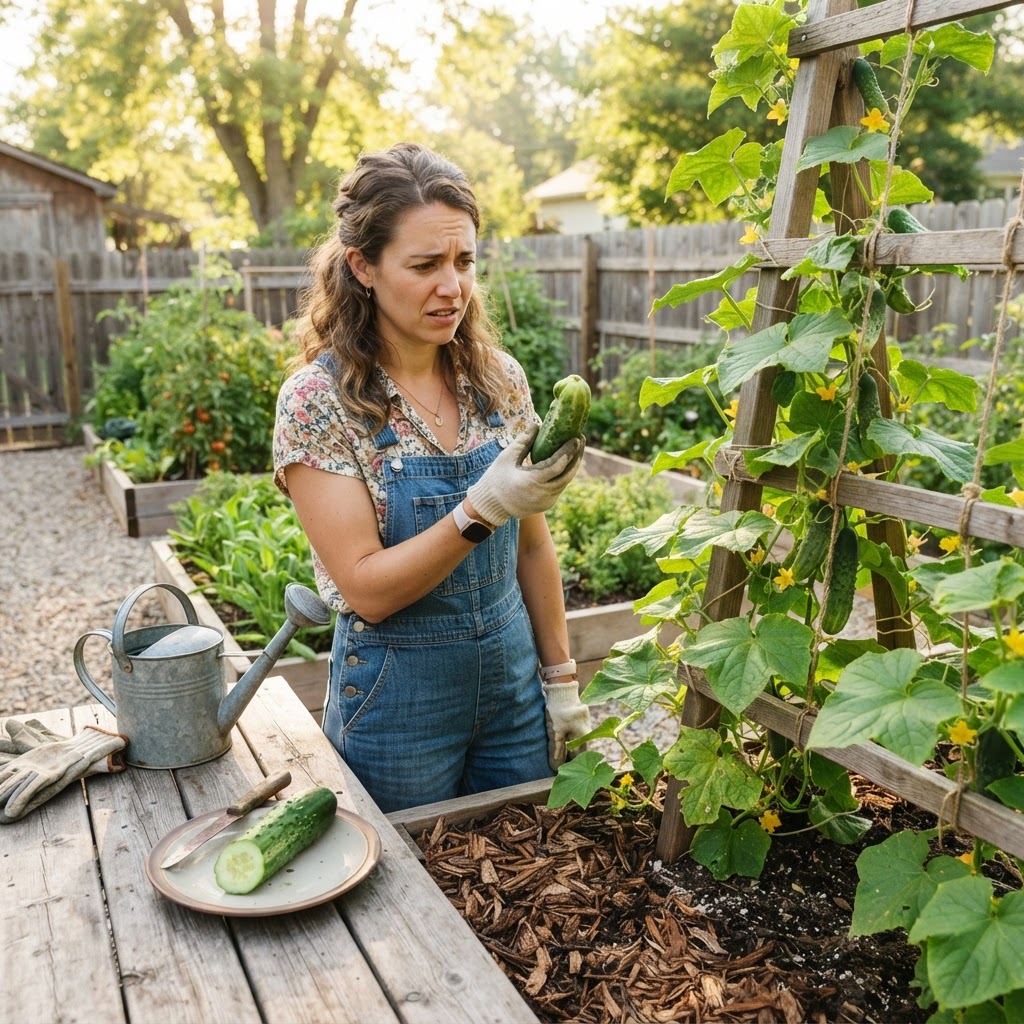
Why Are My Cucumbers Bitter? Causes, Fixes, and How to Grow Sweeter Cucumbers
Wondering why your cucumbers are bitter? Learn the common causes, simple fixes, and how to grow sweeter cucumbers at home.
Read MoreIdentify and solve common gardening issues from pests and diseases to nutrient deficiencies.
Wondering why your cucumbers are bitter? Learn the common causes, simple fixes, and how to grow sweeter cucumbers at home.
Read More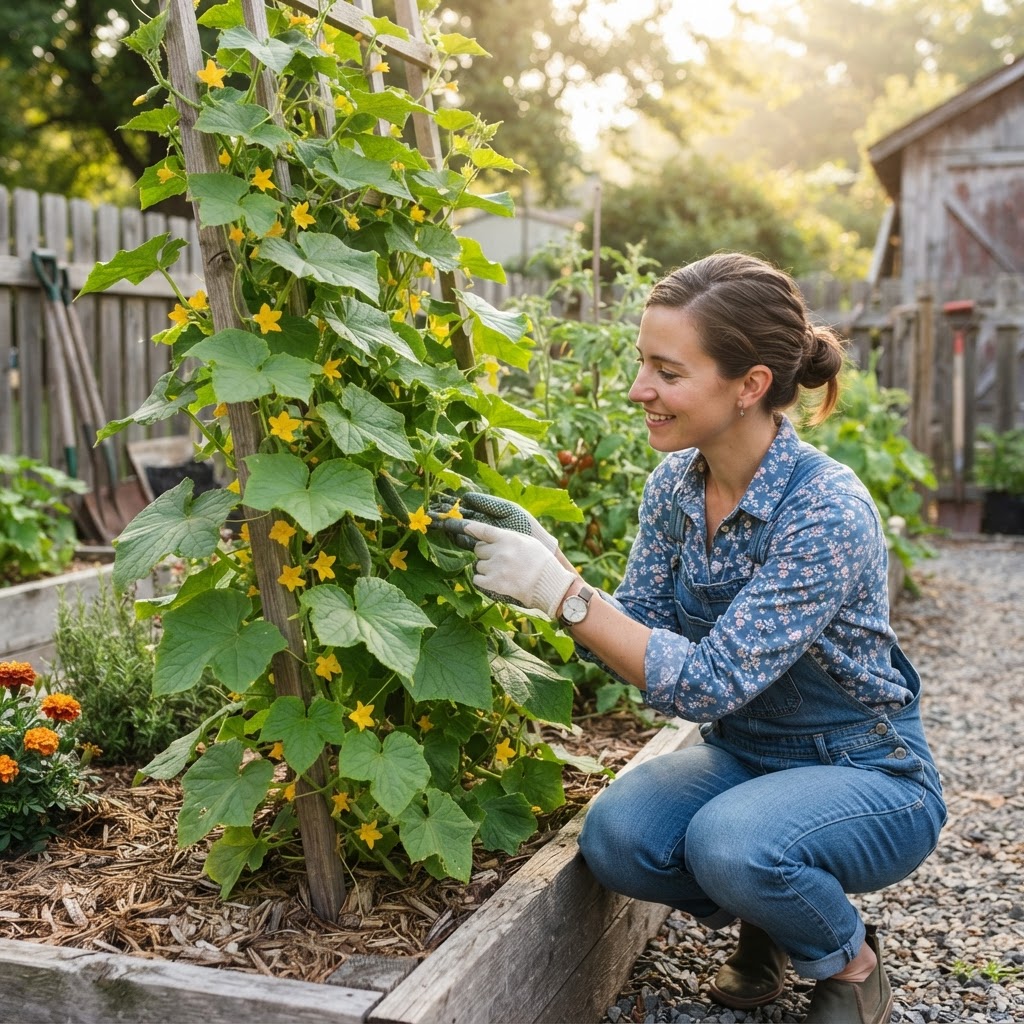
Wondering why your cucumbers are not producing fruit? Learn the most common causes and easy fixes for flowers, pollination, water, and heat.
Read More
Wondering why your lettuce leaves are turning brown? Learn the most common causes, easy fixes, and simple ways to prevent it.
Read More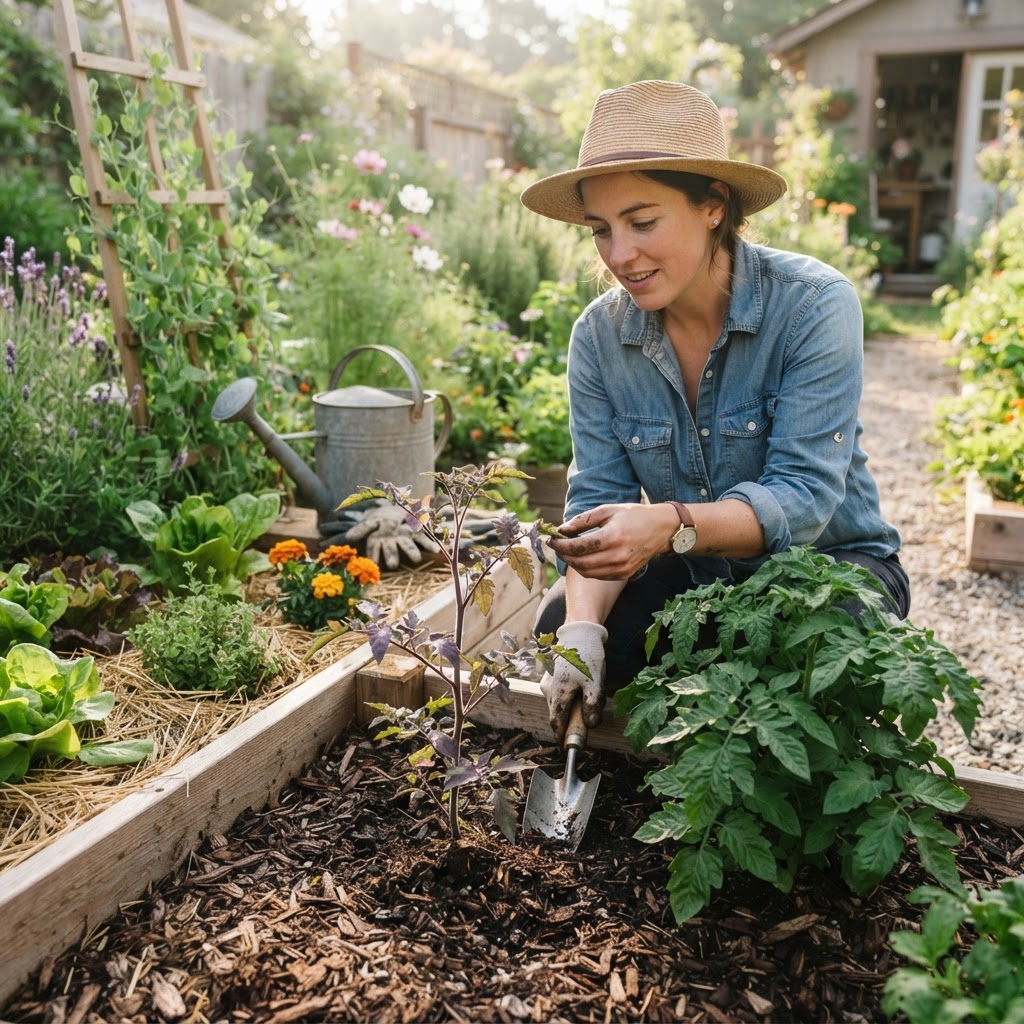
Wondering why tomato leaves turn purple? Learn the most common causes, how to diagnose the problem, and what to do next.
Read More
Wondering why your pepper plants are not flowering? Learn the most common causes and simple fixes to help peppers bloom and set fruit.
Read More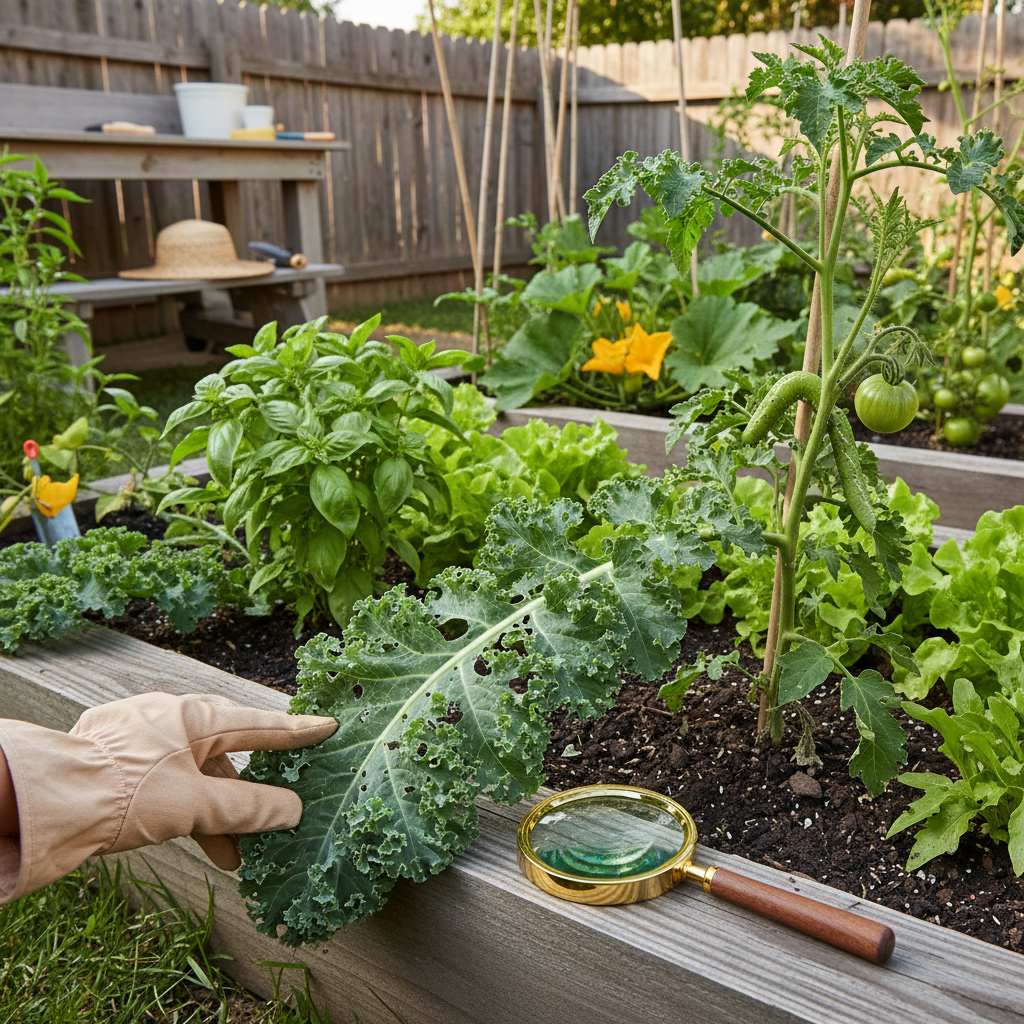
Learn vegetable garden pests identification with simple signs, common bugs, and beginner-friendly steps to protect your home garden.
Read More
Vegetable garden leaves have holes? Learn common causes, how to identify pests, and simple beginner-friendly fixes that work.
Read More
Wondering why your vegetables are growing so slowly? Learn the most common causes and simple fixes for faster, healthier growth.
Read More
Wondering why your vegetables are so small? Learn the most common causes and simple fixes for bigger, healthier homegrown crops.
Read More
Yellow leaves, wilting plants, mystery spots, and stunted growth — gardening problems can feel discouraging, but most have simple fixes. This guide walks you through the most common issues beginners face and exactly what to do about them.
Read MoreEvery gardener encounters problems — yellowing leaves, wilting plants, mysterious holes in foliage, poor germination, or suddenly dying seedlings. The difference between beginner gardeners who give up and those who succeed is usually the ability to diagnose problems quickly and respond with the right fix.
The most common gardening problems fall into a few broad categories: watering issues, nutrient deficiencies, pest damage, disease, and environmental stress. Many of these issues have overlapping symptoms, which is why diagnosis matters so much. Yellow leaves, for example, can be caused by overwatering, underwatering, nitrogen deficiency, root rot, or pest damage — and each of those requires a completely different response.
Watering problems are the most frequent culprit in struggling gardens. Overwatering is especially common among beginners who check their plants daily and water at the first sign of dry soil. Roots need both water and oxygen, and consistently soggy soil starves them of the latter. Underwatering, on the other hand, causes wilting and stress that invites other problems. Learning to water based on soil moisture rather than a rigid schedule is one of the most valuable skills a gardener can develop.
Pest pressure varies by region and season, but some common offenders appear in almost every garden: aphids, fungus gnats, spider mites, caterpillars, and slugs. Most pest problems respond well to early intervention — catching infestations early, before populations explode, gives you far more options and keeps damage minimal.
Nutrient deficiencies often show up as discoloration patterns: yellowing between leaf veins usually indicates iron or magnesium deficiency, while general yellowing of older leaves often signals nitrogen deficiency. Container and raised bed plants are especially prone to nutrient issues because the soil volume is limited and nutrients leach out with watering.
The guides in this category help you identify what's going wrong in your garden and take the right corrective action quickly — so your plants recover and your harvest isn't lost.
Join thousands of gardeners who get our weekly tips and free guides.
No spam. Unsubscribe anytime. We respect your privacy.