9 min read
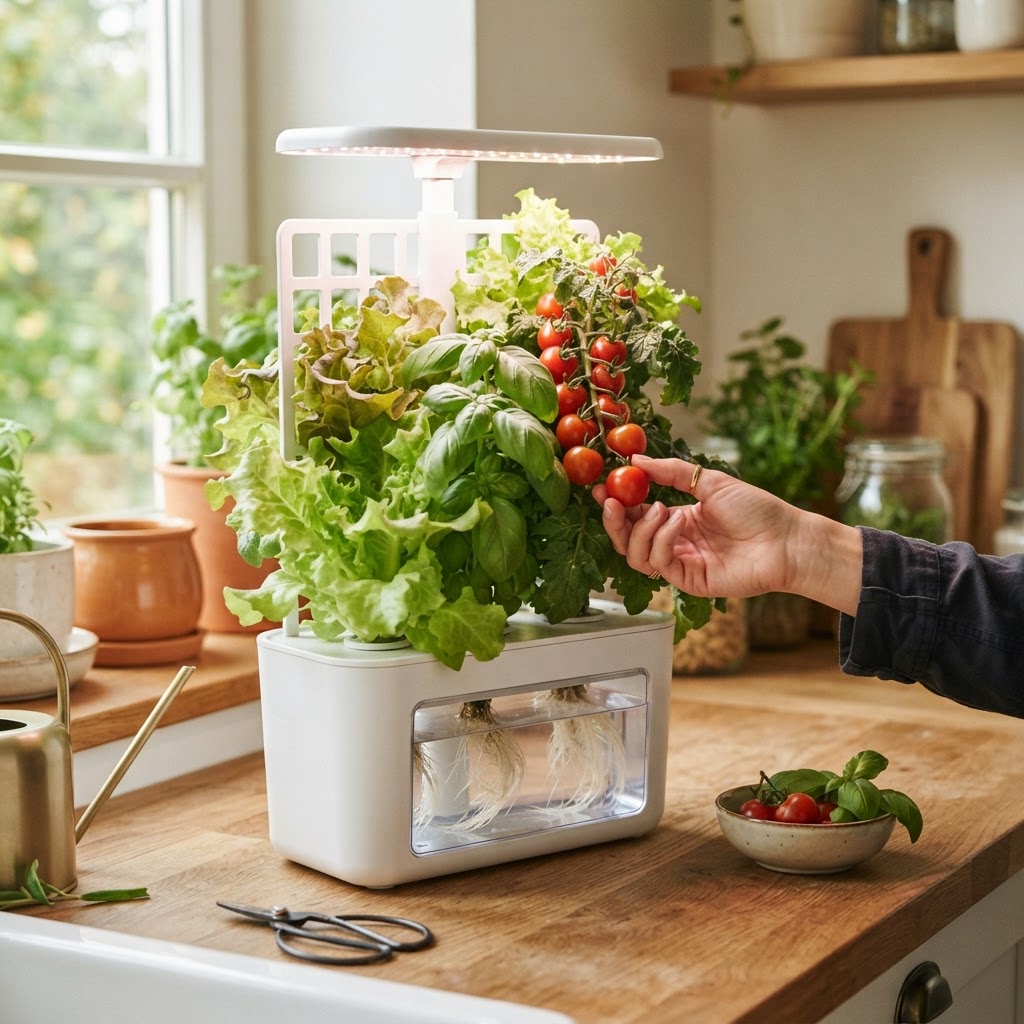
Can Hydroponic Vegetables Taste Better? A Beginner’s Guide to Flavorful Growing
Can hydroponic vegetables taste better than soil-grown? Learn what affects flavor and how to grow tastier crops at home.
Read MoreSoil-free growing systems that deliver faster growth and higher yields for indoor vegetable gardening.
Can hydroponic vegetables taste better than soil-grown? Learn what affects flavor and how to grow tastier crops at home.
Read More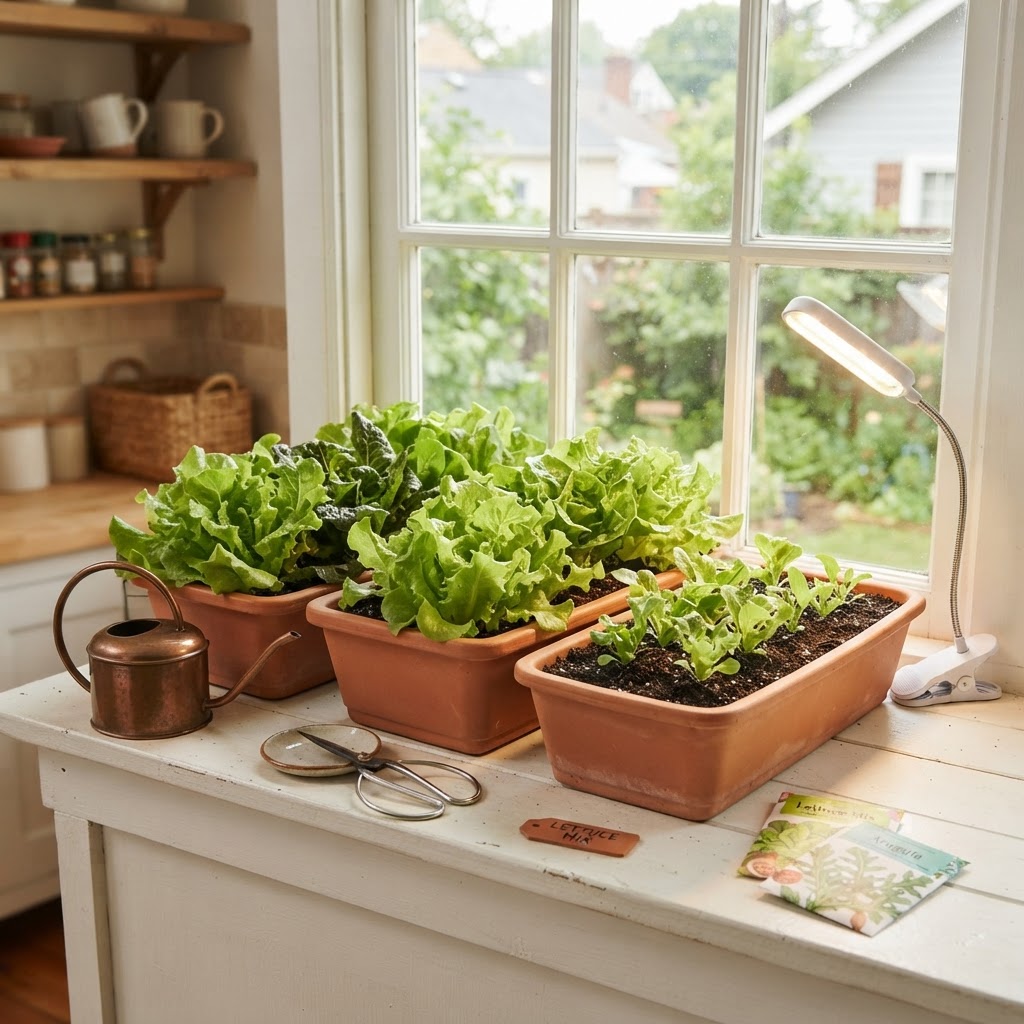
Learn how to grow lettuce indoors without hydroponics using simple pots, soil, light, and beginner-friendly care tips year-round.
Read More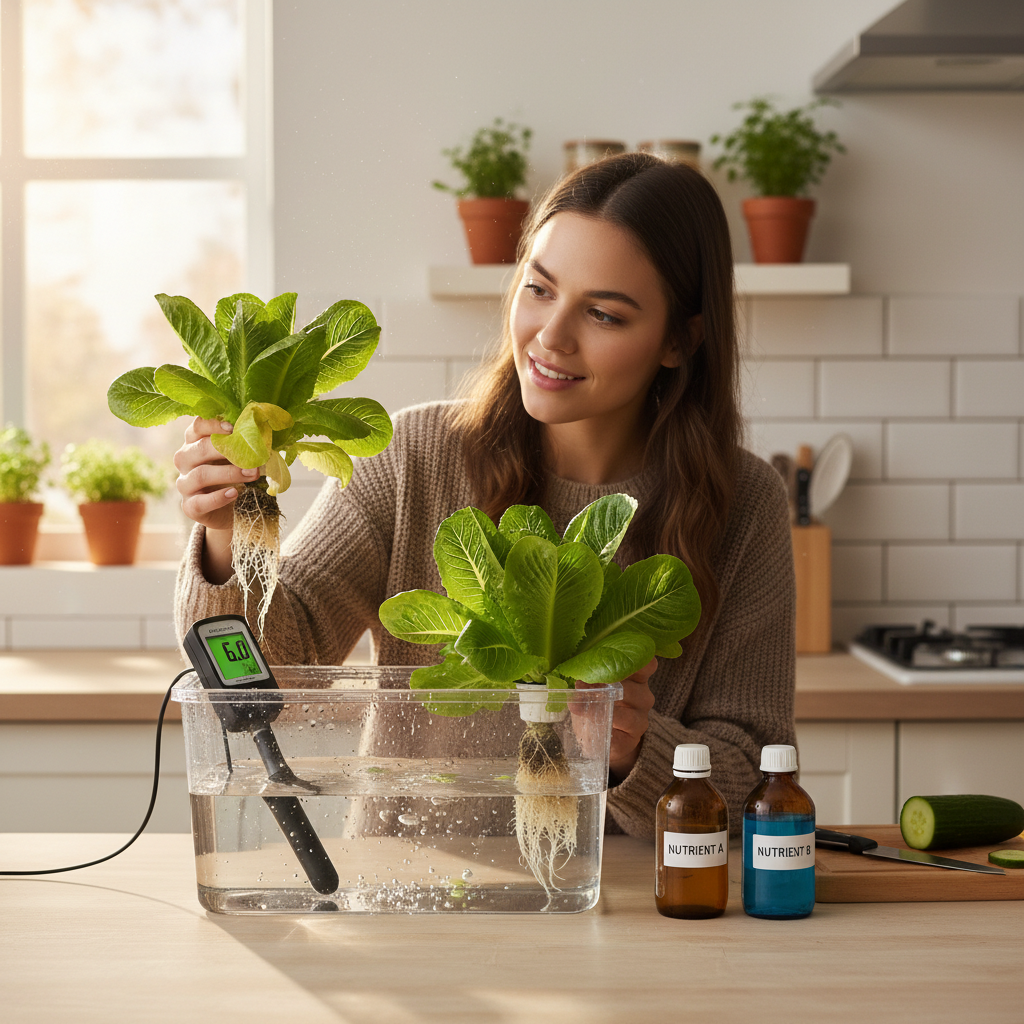
Hydroponic lettuce turning yellow? Learn the most common causes, easy fixes, and beginner-friendly tips to restore healthy green growth.
Read More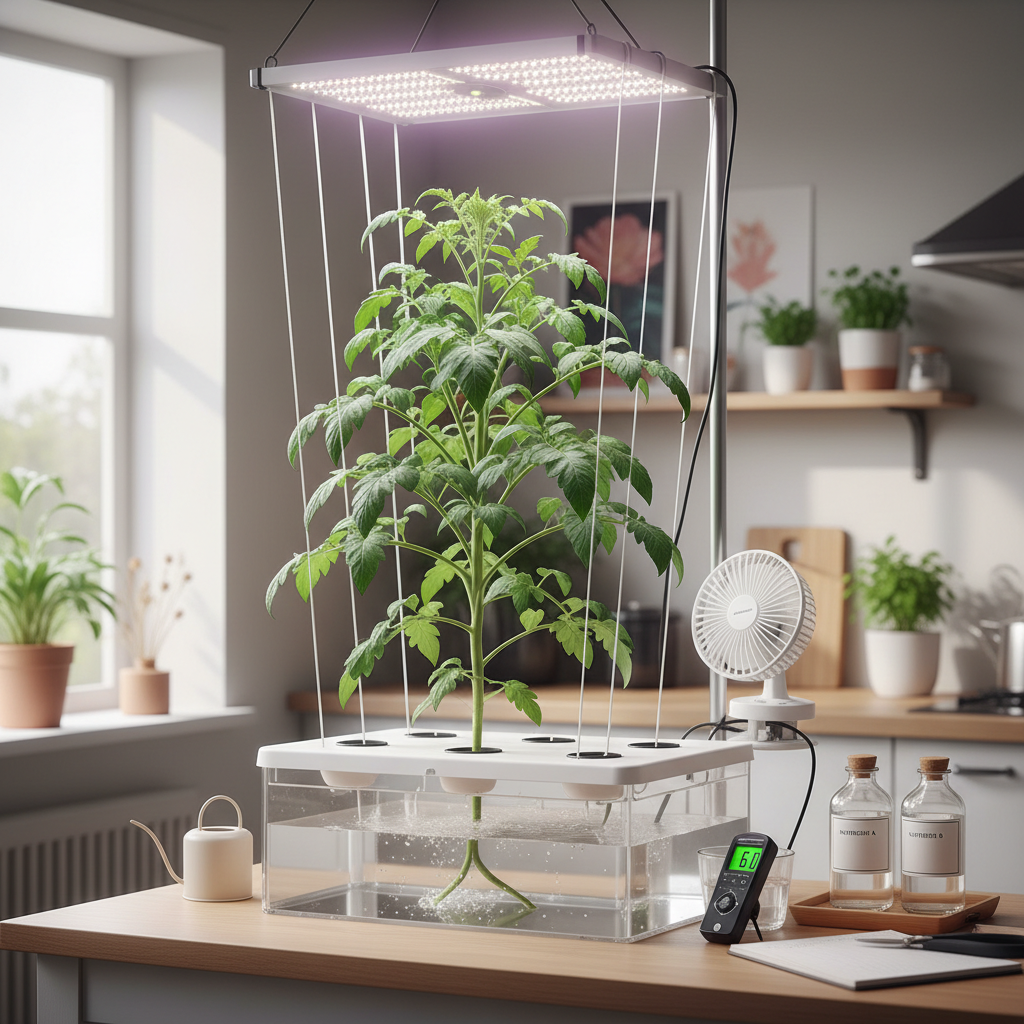
Hydroponic tomatoes not flowering? Learn the common causes and simple fixes for light, nutrients, temperature, and plant care.
Read More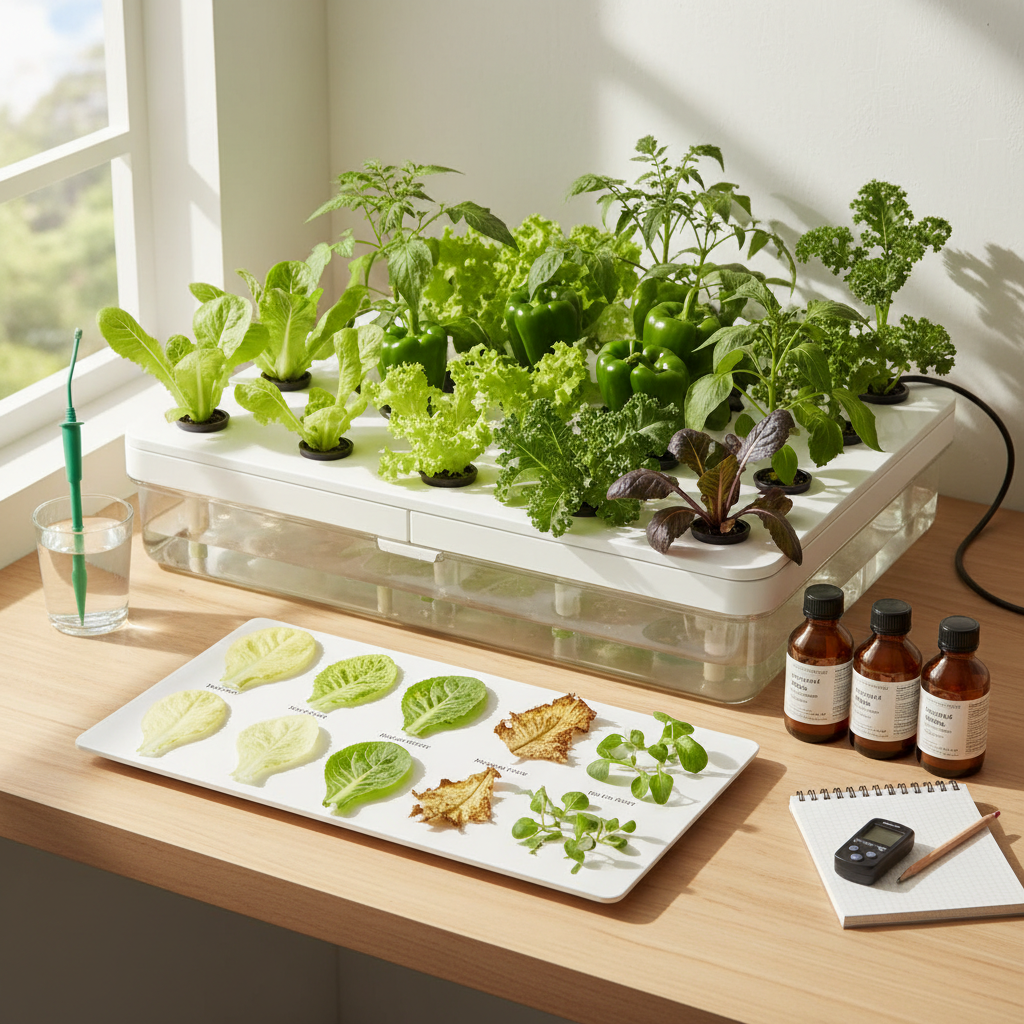
Use this hydroponic nutrient deficiency chart to identify symptoms, check pH and EC, and fix common plant problems fast.
Read More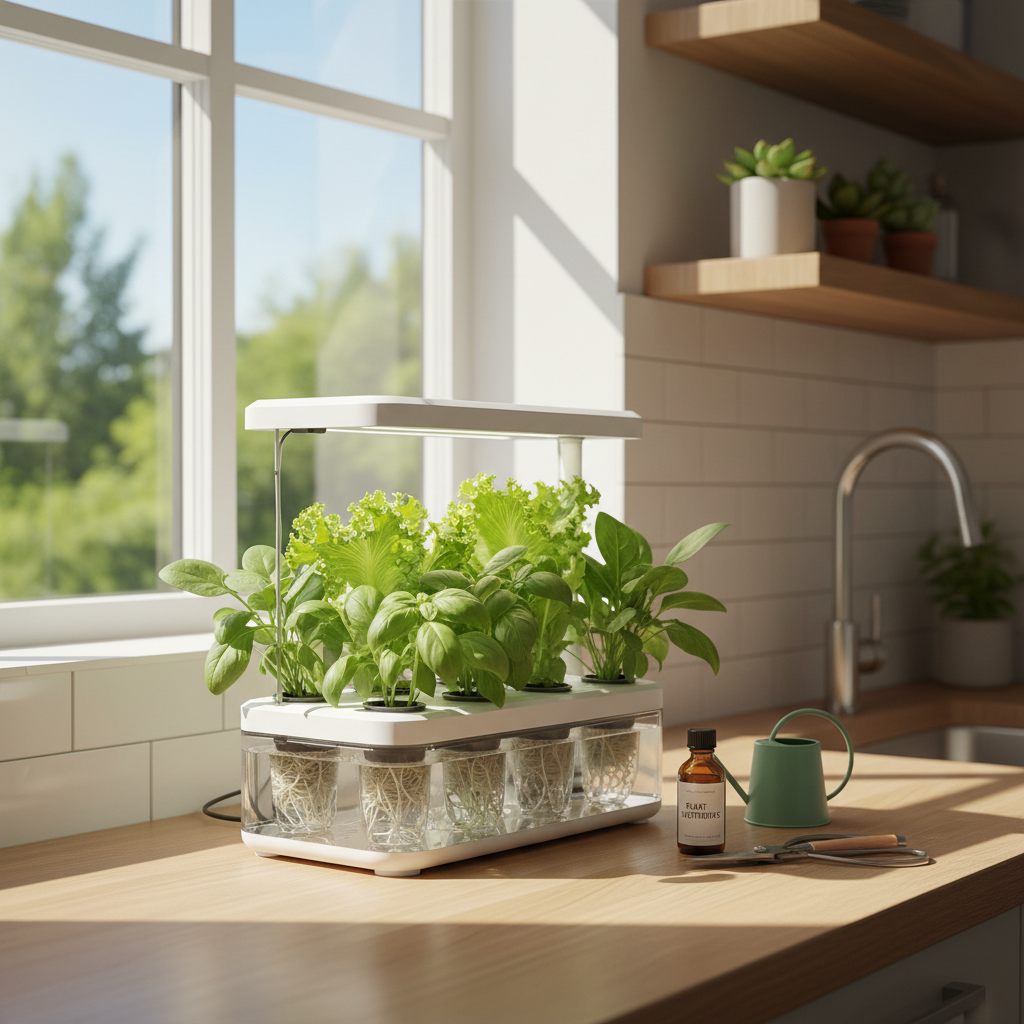
Wondering if hydroponic gardens are worth it? Learn the costs, benefits, and drawbacks for beginner home growers.
Read More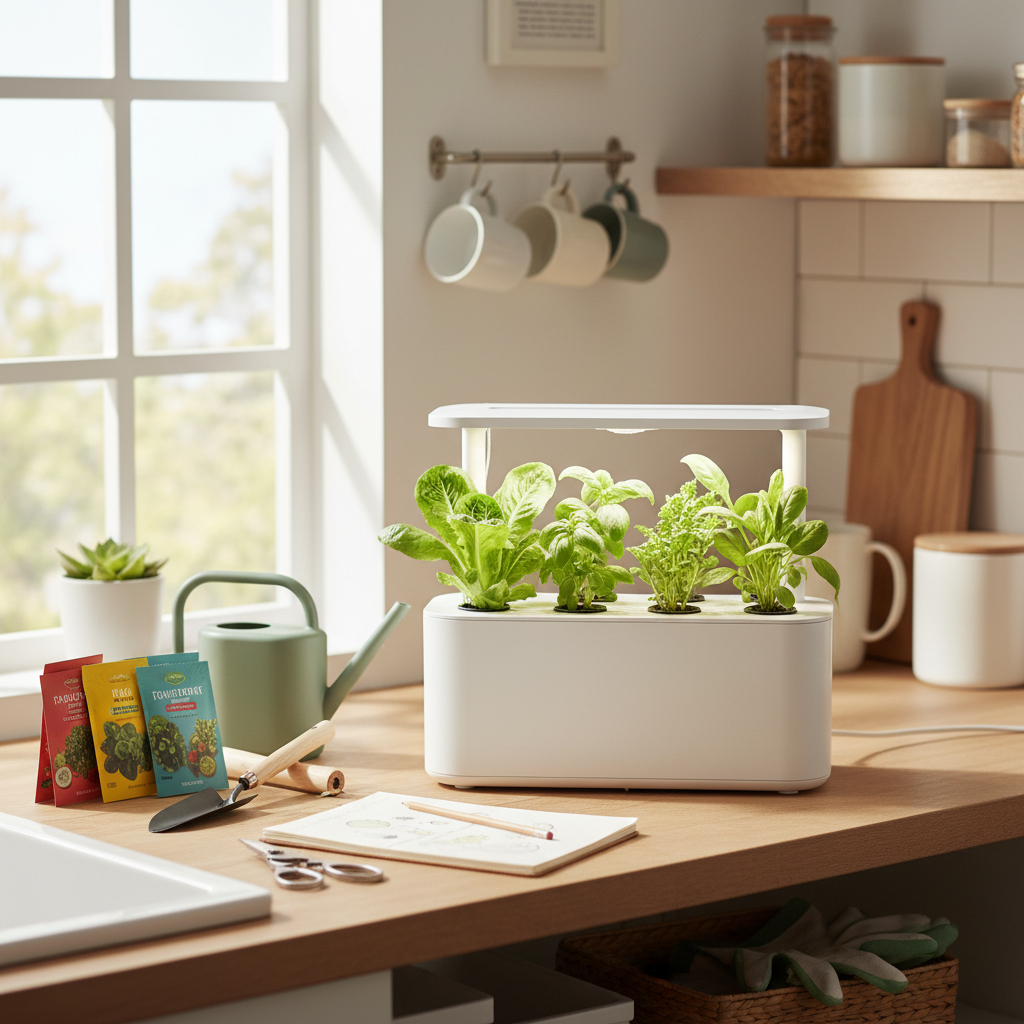
Are hydroponic gardens worth it for beginners? Learn the real costs, benefits, drawbacks, and who should try hydroponics at home.
Read More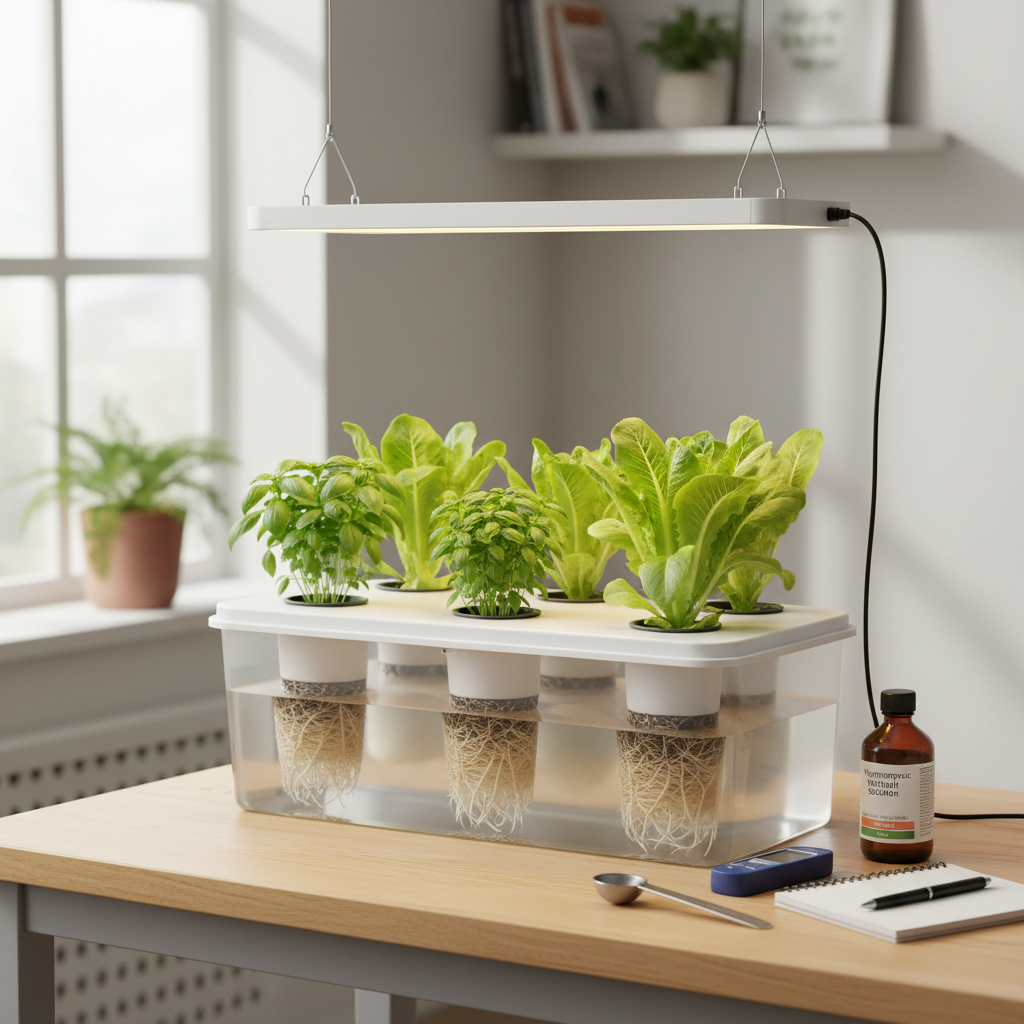
Learn how to build an indoor hydroponic garden with simple supplies, easy steps, and beginner tips for growing herbs and greens at home.
Read More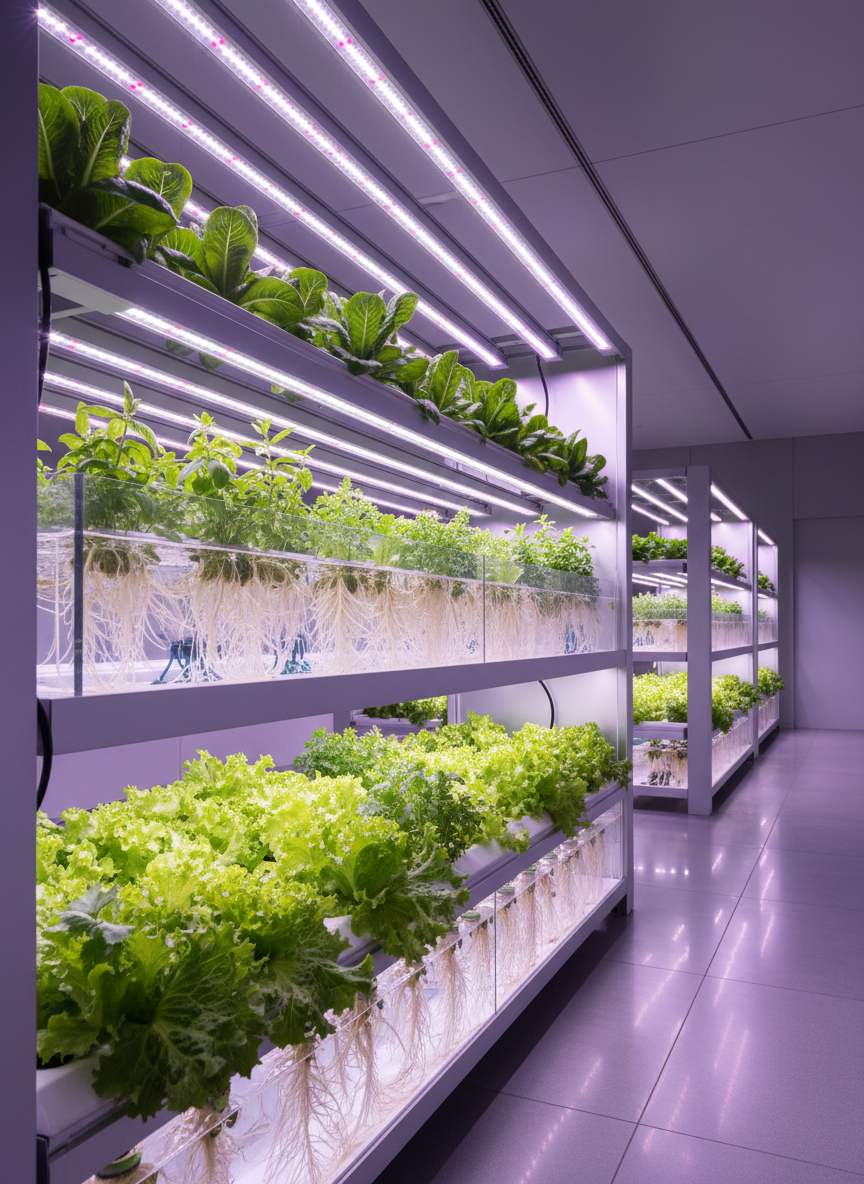
Everything you need to know to build your first hydroponic system at home on any budget.
Read MoreHydroponics is the practice of growing plants in water — without soil — by delivering nutrients directly to the root system through a nutrient-rich solution. What once felt like a futuristic or highly technical method has become increasingly accessible for home gardeners, with simple beginner systems available for under $50 and the ability to produce fresh food year-round regardless of outdoor conditions.
The appeal of hydroponics is speed. Plants grown hydroponically can grow up to 50% faster than soil-grown plants because they don't expend energy searching for nutrients through soil. Instead, everything they need is delivered directly to their roots in the optimal concentration. This translates to faster harvests, more cycles per year, and higher yields in a smaller footprint.
There are several hydroponic methods, ranging from the extremely simple to the fully automated. The Kratky method — where plants sit above a reservoir of nutrient solution with no pump required — is arguably the easiest starting point for beginners. Deep water culture (DWC) adds an air pump to keep oxygen levels high in the reservoir. Nutrient film technique (NFT) and ebb-and-flow systems are more advanced options suited to gardeners ready to scale up.
Regardless of the system you choose, a few factors are universal. pH balance is critical — hydroponic plants perform best when the nutrient solution stays between 5.5 and 6.5. A quality complete hydroponic nutrient solution provides the macro and micronutrients plants need. And a grow light is typically necessary for indoor systems, since hydroponic gardens are most often set up indoors.
Lettuce, herbs, and leafy greens are the easiest crops for beginner hydroponic growers. Tomatoes, peppers, and cucumbers can be grown hydroponically too, but they require more attention and a more robust setup. Whether you're building your first DWC bucket or evaluating a full countertop system, the guides in this category give you the knowledge to succeed.
Join thousands of gardeners who get our weekly tips and free guides.
No spam. Unsubscribe anytime. We respect your privacy.