11 min read
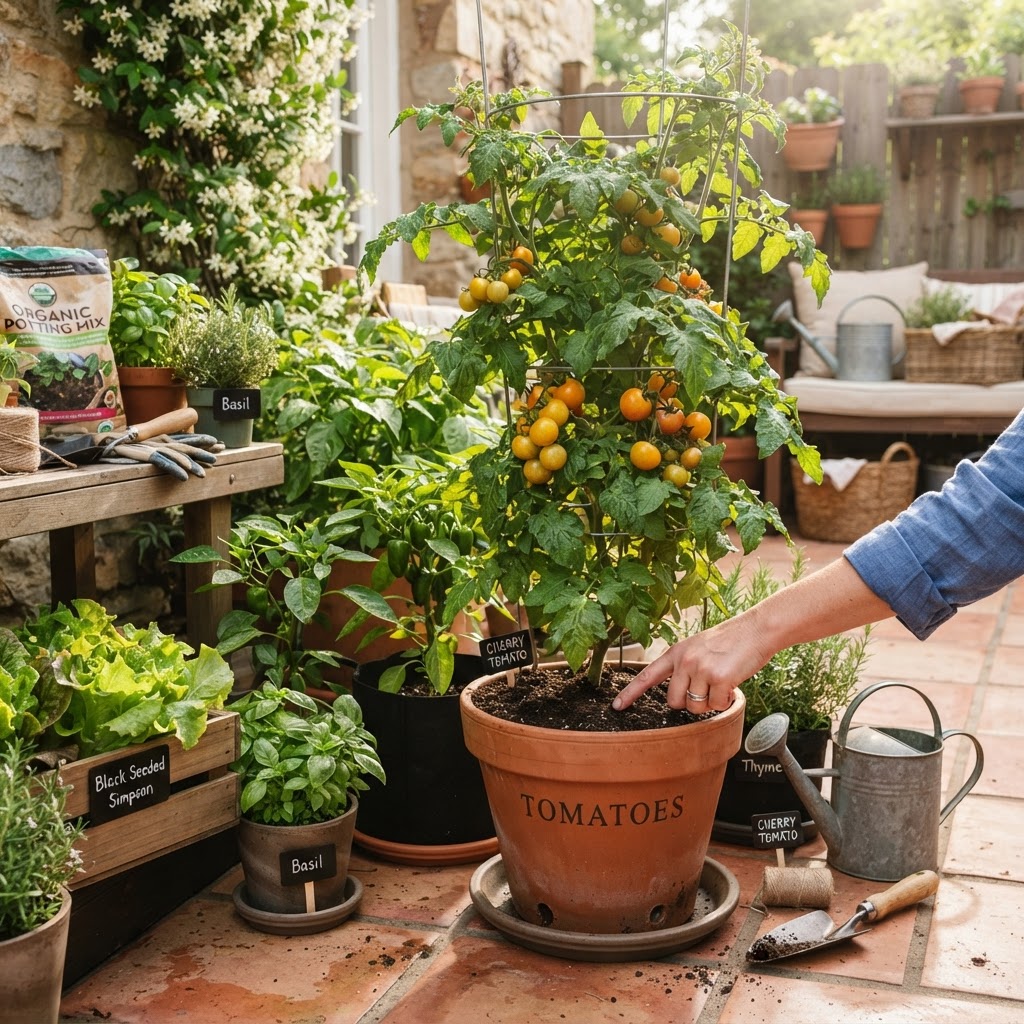
How to Prevent Root Rot in Container Vegetables: Simple Steps for Healthy Pots
Learn how to prevent root rot in container vegetables with simple watering, drainage, and soil tips for healthier plants.
Read MoreGrow vegetables anywhere with containers — perfect for patios, balconies, and small spaces.
Learn how to prevent root rot in container vegetables with simple watering, drainage, and soil tips for healthier plants.
Read More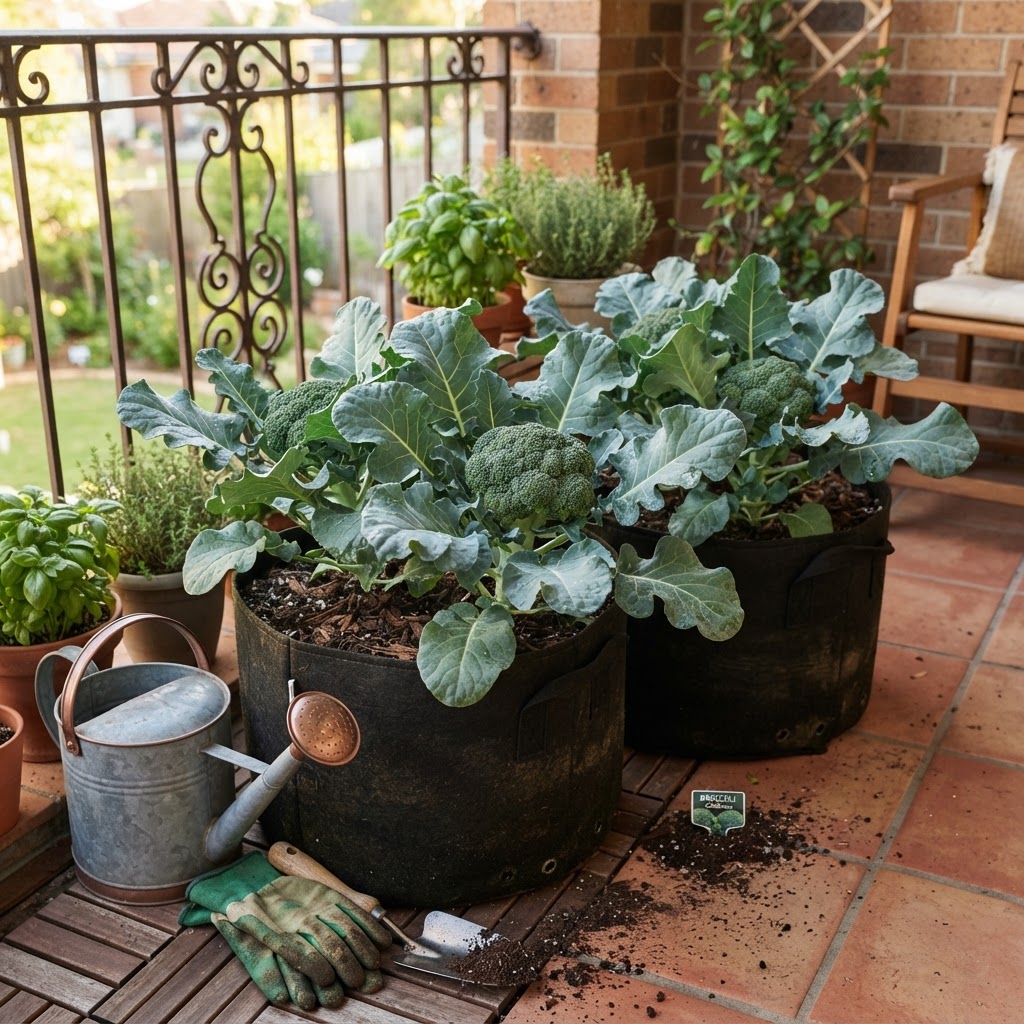
Learn how to grow broccoli in containers with this simple step-by-step guide for beginners, from planting to harvest.
Read More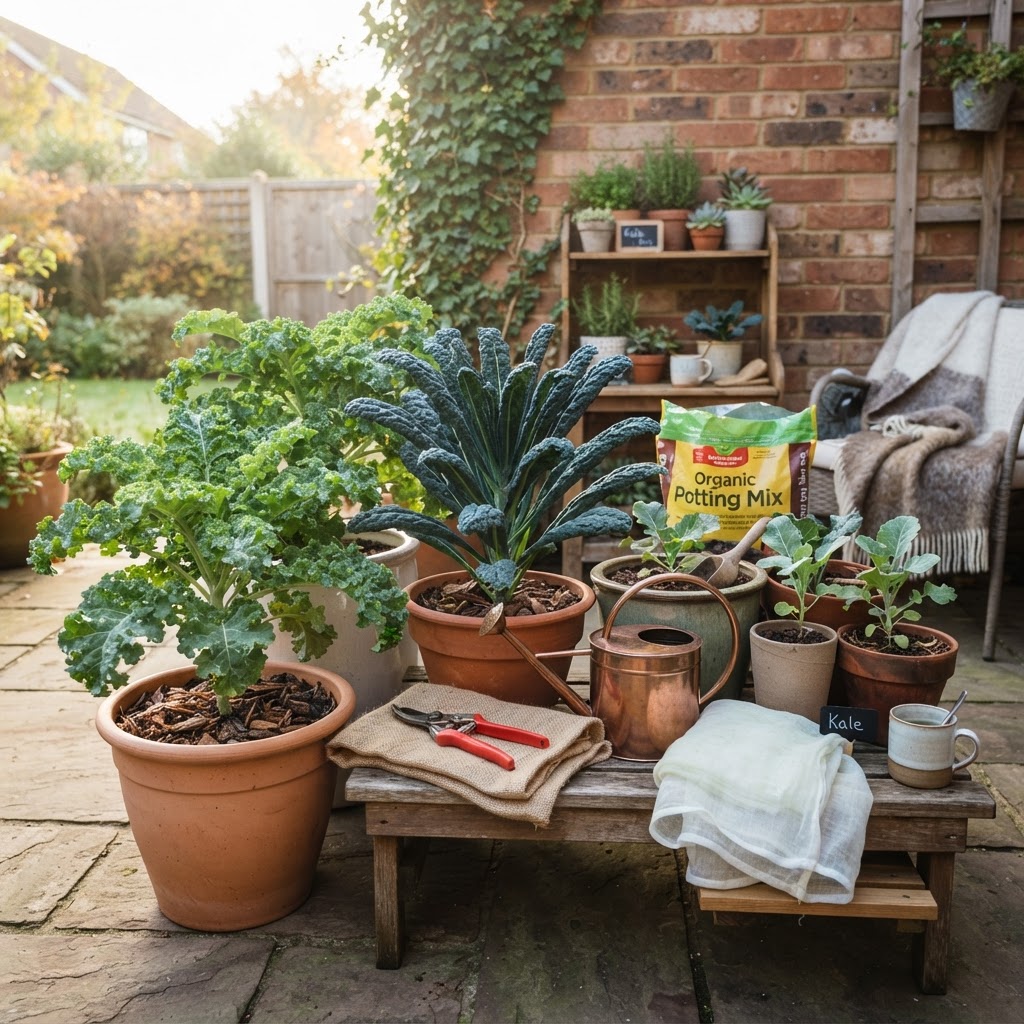
Learn how to grow kale in containers year round with simple steps for pots, soil, watering, light, and harvest success.
Read More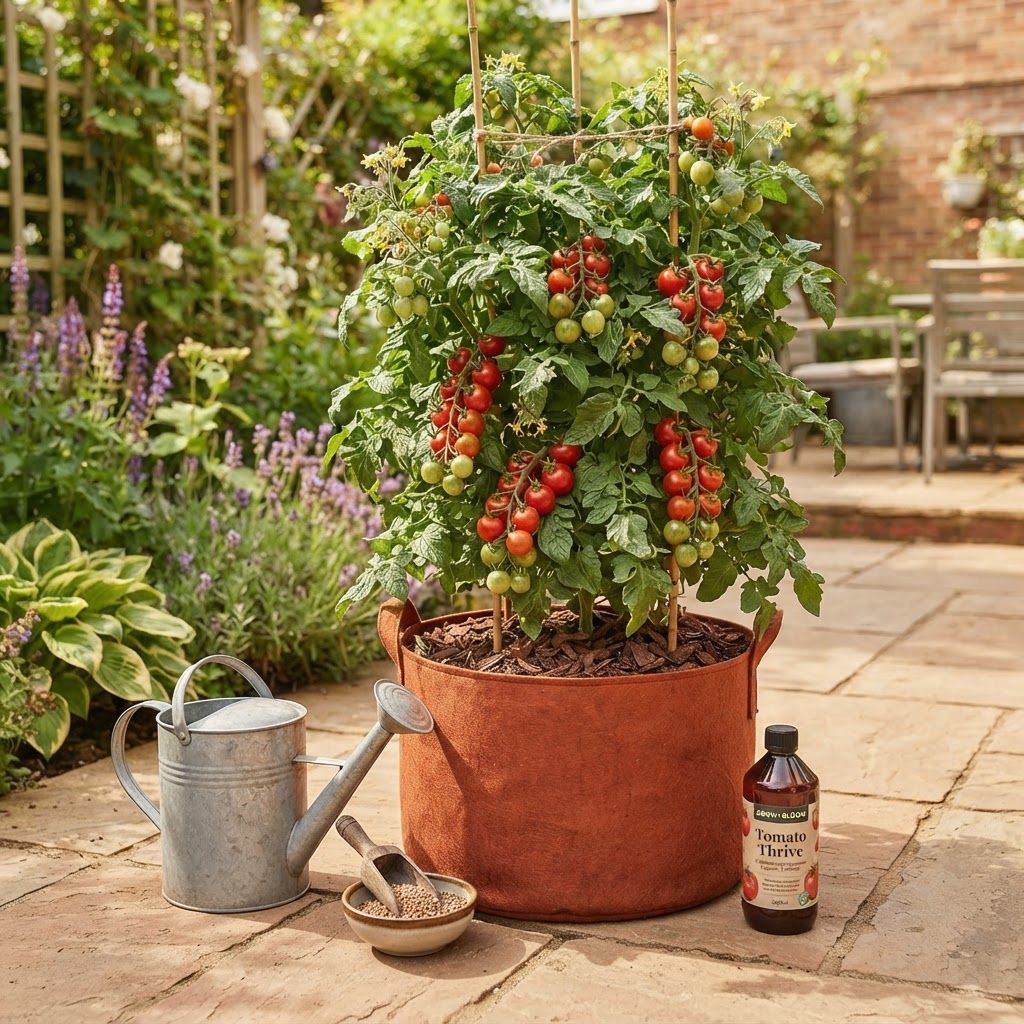
Find the best fertilizer for tomatoes in containers, plus when to feed, what to use, and how to avoid common beginner mistakes.
Read More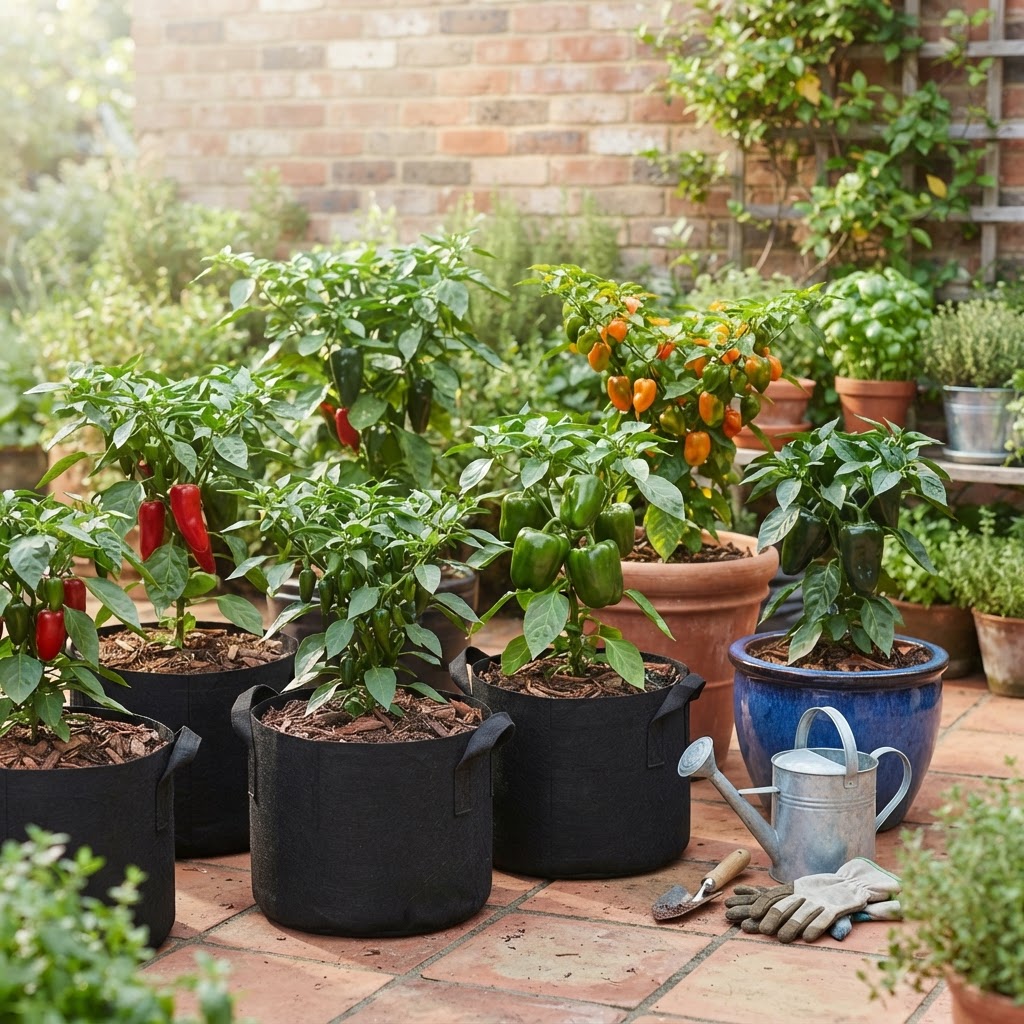
Learn the best containers for growing peppers outdoors, including pot sizes, materials, drainage, and beginner-friendly care tips.
Read More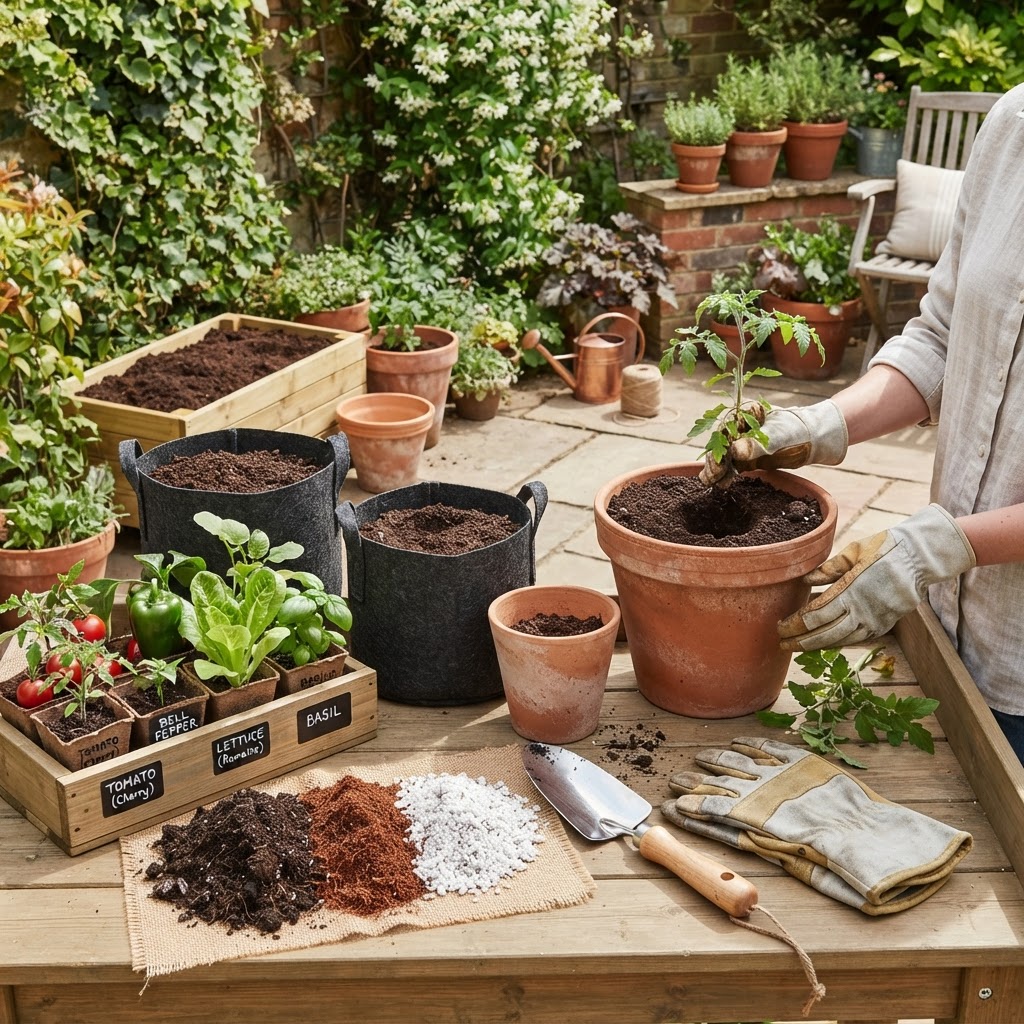
Discover the best soil mix for container vegetable gardening with an easy recipe, beginner tips, and common mistakes to avoid.
Read More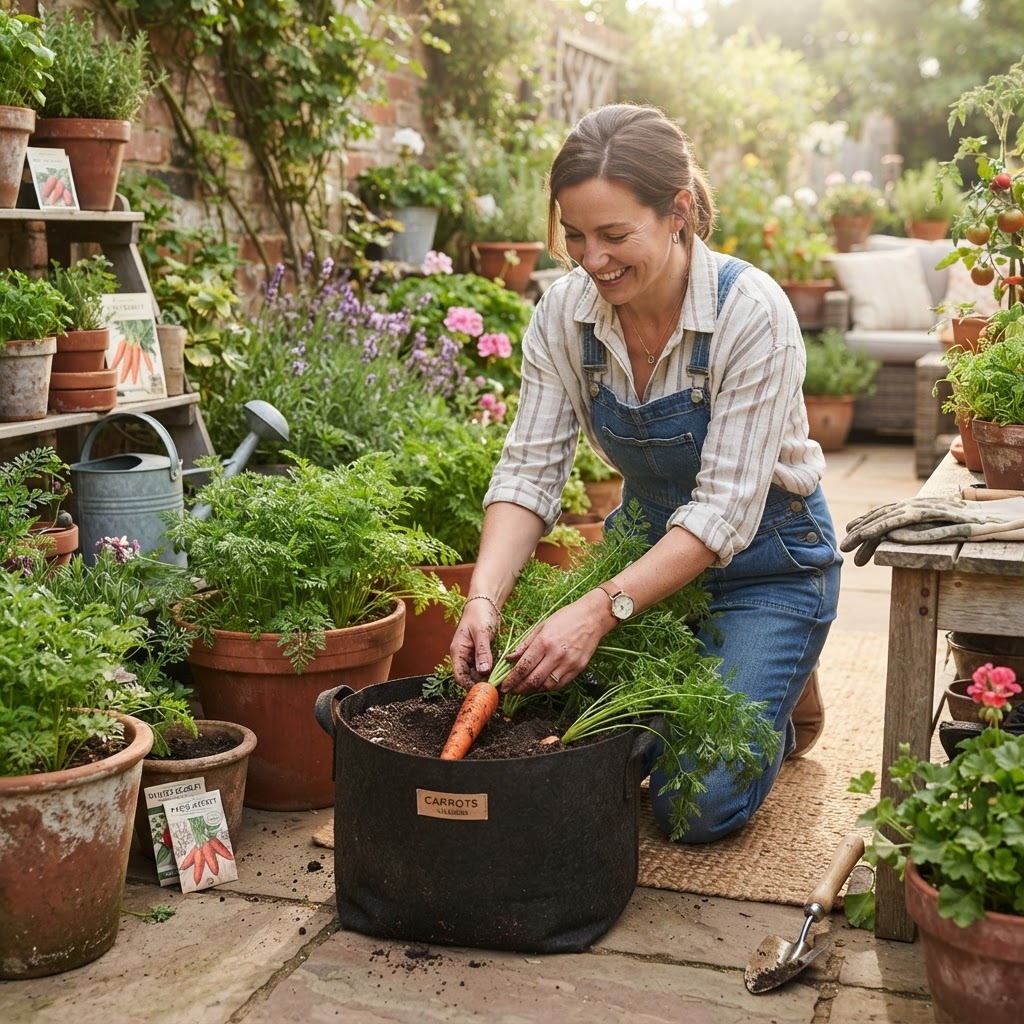
Learn how to grow carrots in containers with simple steps, the right soil, best varieties, and beginner-friendly tips for a sweet harvest.
Read More
Yes, you can grow vegetables in five gallon buckets. Learn the best crops, setup steps, and beginner tips for a productive bucket garden.
Read More
Discover the best vegetables for container gardening beginners, plus simple tips to grow an easy, productive patio garden.
Read More
Learn how to grow potatoes in grow bags with this easy beginner guide, from planting and watering to hilling, harvest, and storage.
Read More
Discover the best vegetables for apartment gardening, with easy tips on light, containers, watering, and beginner-friendly crops.
Read More
Learn the best soil mix for vegetable containers, plus an easy recipe, beginner tips, and mistakes to avoid for healthier plants.
Read More
Is your container garden drying out too fast? Learn why it happens and how to keep pots evenly moist with simple, beginner-friendly fixes.
Read More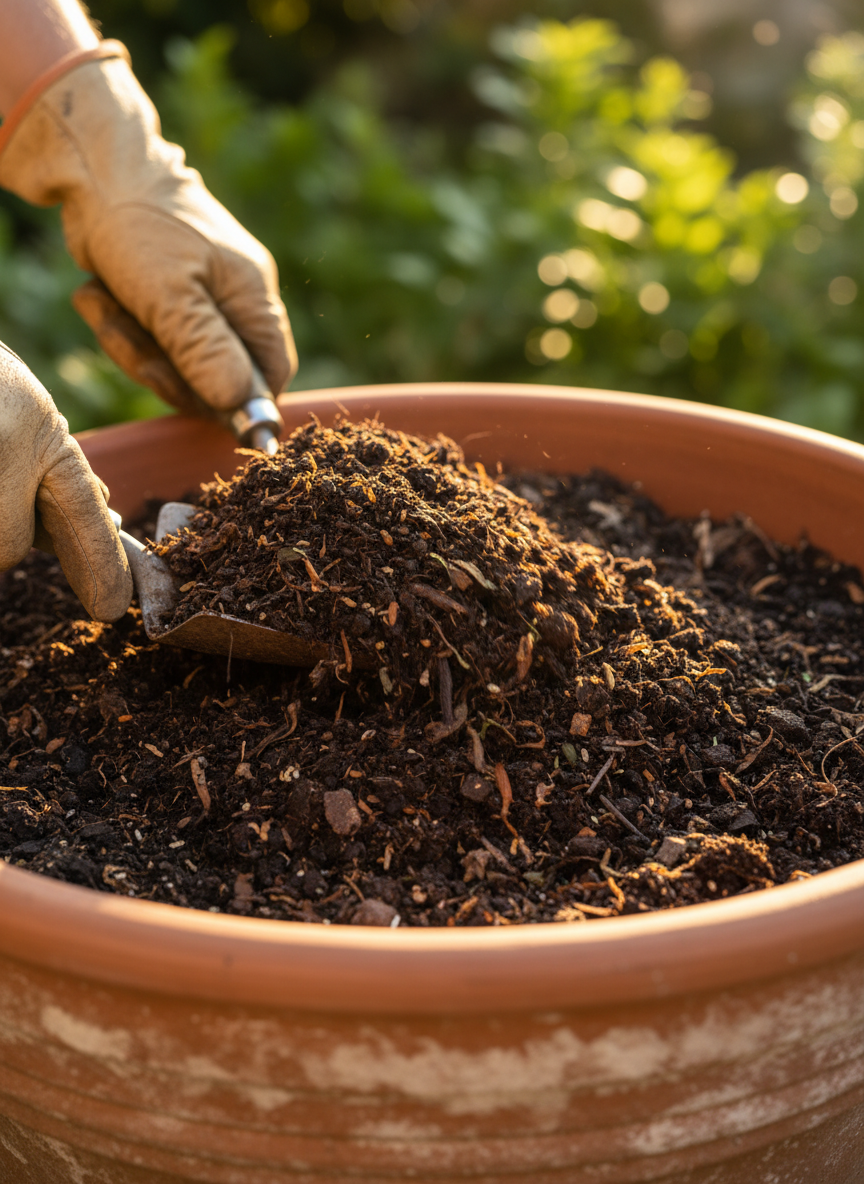
The right soil mix makes or breaks container gardening. Here's exactly what to use and why.
Read MoreContainer gardening makes it possible to grow fresh vegetables almost anywhere — on a small balcony, a concrete patio, a rooftop, or even inside your home. If you don't have access to in-ground garden space, containers offer a flexible, affordable, and highly productive alternative that you can scale up or down based on your available space and time.
The fundamental advantage of container growing is control. You choose exactly what goes in each pot: the soil mix, the plant, the placement. Containers can be moved to follow sunlight, brought indoors before a frost, or rearranged to make the most of a small space. They also allow gardeners with mobility challenges to garden at a height that's comfortable for them.
Choosing the right container size is crucial. Most vegetables need more root space than beginners expect. Tomatoes need a minimum of 5 gallons — 10 gallons is better. Peppers and eggplants do well in 5-gallon containers. Lettuce and herbs can thrive in smaller pots, but a wider container gives them more room to spread. Drainage is non-negotiable — always use containers with holes in the bottom to prevent waterlogged roots.
Soil quality is the single biggest factor in container gardening success. Never use garden soil in pots. It compacts too easily and lacks the drainage structure container plants need. A quality potting mix — ideally one that contains perlite or vermiculite — gives roots the aeration and moisture balance they need. Many experienced growers add compost to their potting mix for extra nutrition and moisture retention.
Watering container plants requires more attention than in-ground or raised bed growing. Containers dry out faster, especially in summer heat. Checking soil moisture daily during hot weather is often necessary. Self-watering containers can significantly reduce the maintenance burden for busy gardeners.
Fertilizing is equally important. Nutrients leach out of containers with every watering, so container plants need regular feeding. A balanced liquid fertilizer every one to two weeks during the growing season keeps plants healthy and productive. This category covers everything from container selection to soil mixes, watering strategies, and the best vegetables to grow in pots.
Join thousands of gardeners who get our weekly tips and free guides.
No spam. Unsubscribe anytime. We respect your privacy.