11 min read
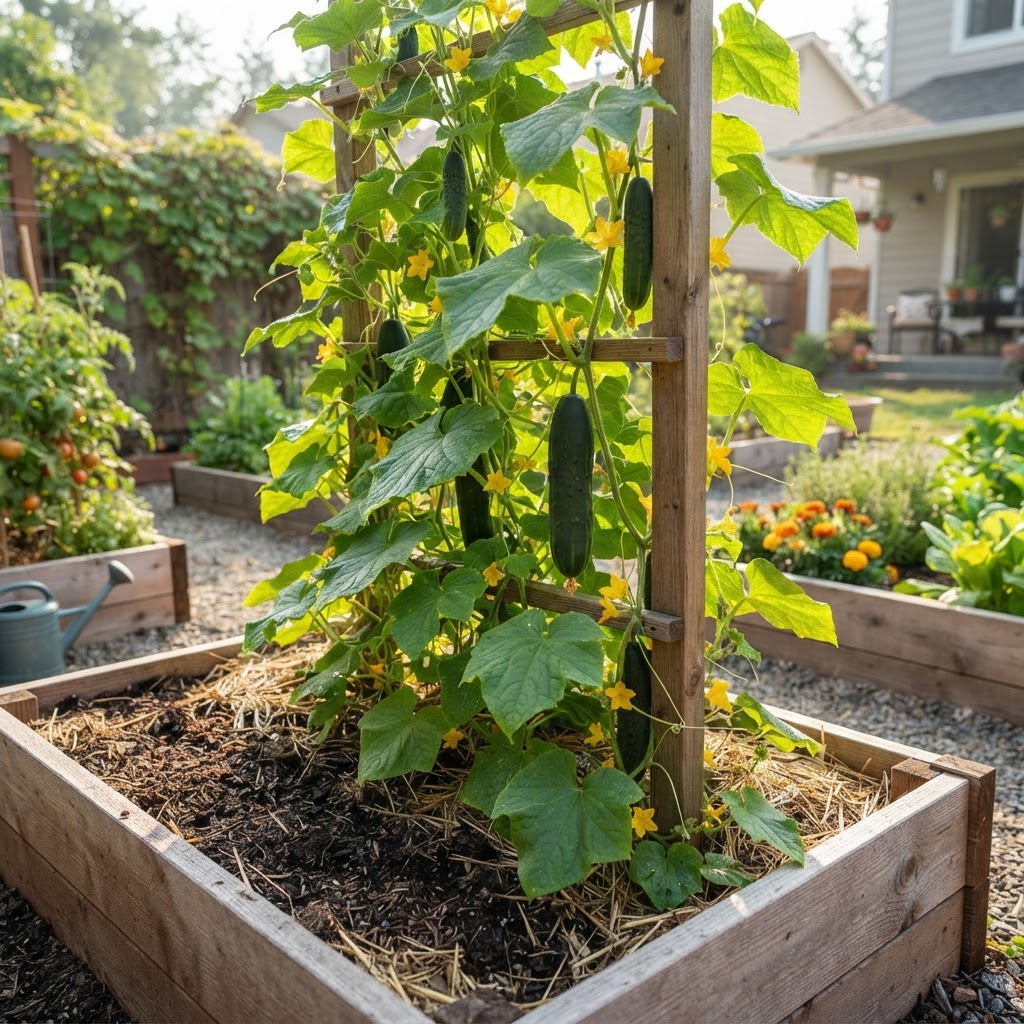
How to Grow Cucumbers in a Raised Bed: A Beginner-Friendly Step-by-Step Guide
Learn how to grow cucumbers in a raised bed with simple steps for planting, watering, trellising, and harvesting healthy plants.
Read MoreBuild and maintain productive raised bed gardens with better soil, drainage, and easier access.
Learn how to grow cucumbers in a raised bed with simple steps for planting, watering, trellising, and harvesting healthy plants.
Read More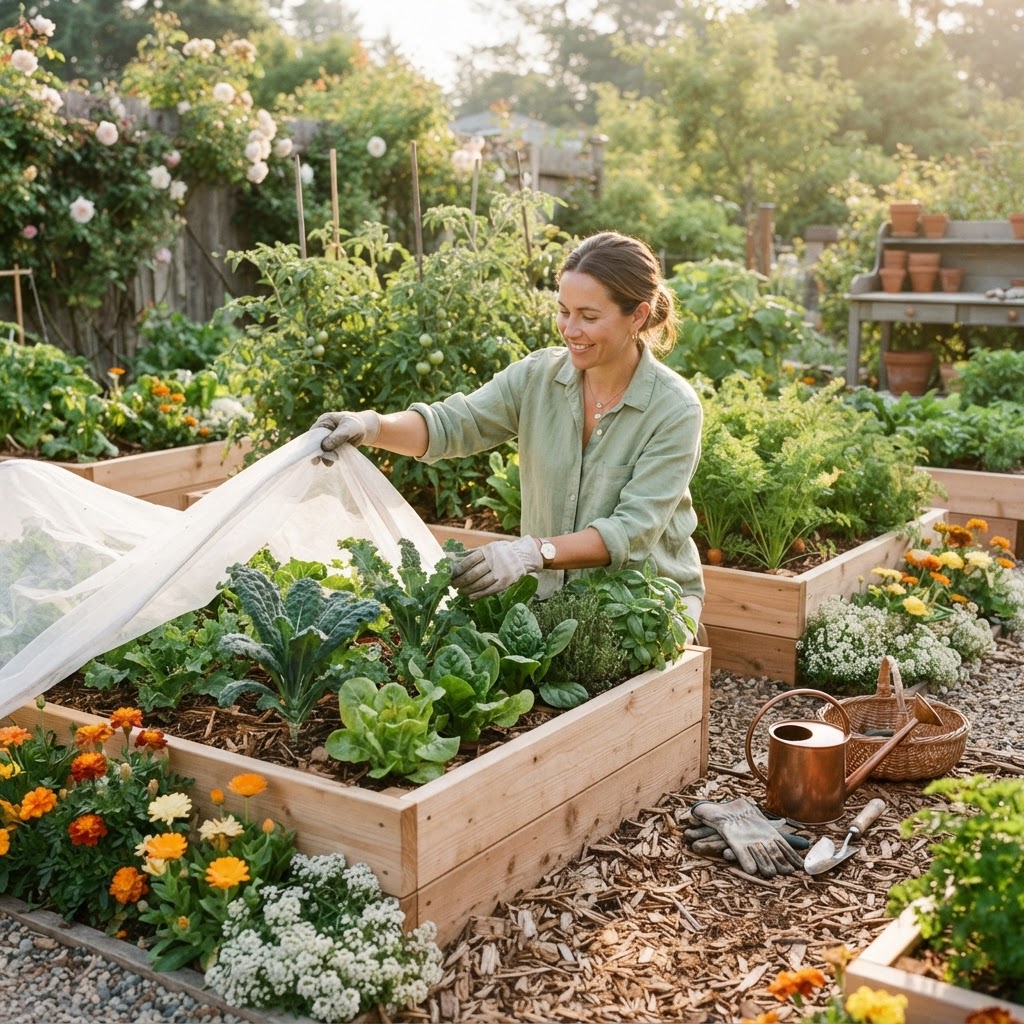
Learn how to prevent pests in raised bed gardens with simple, beginner-friendly tips for healthy vegetables and fewer garden problems.
Read More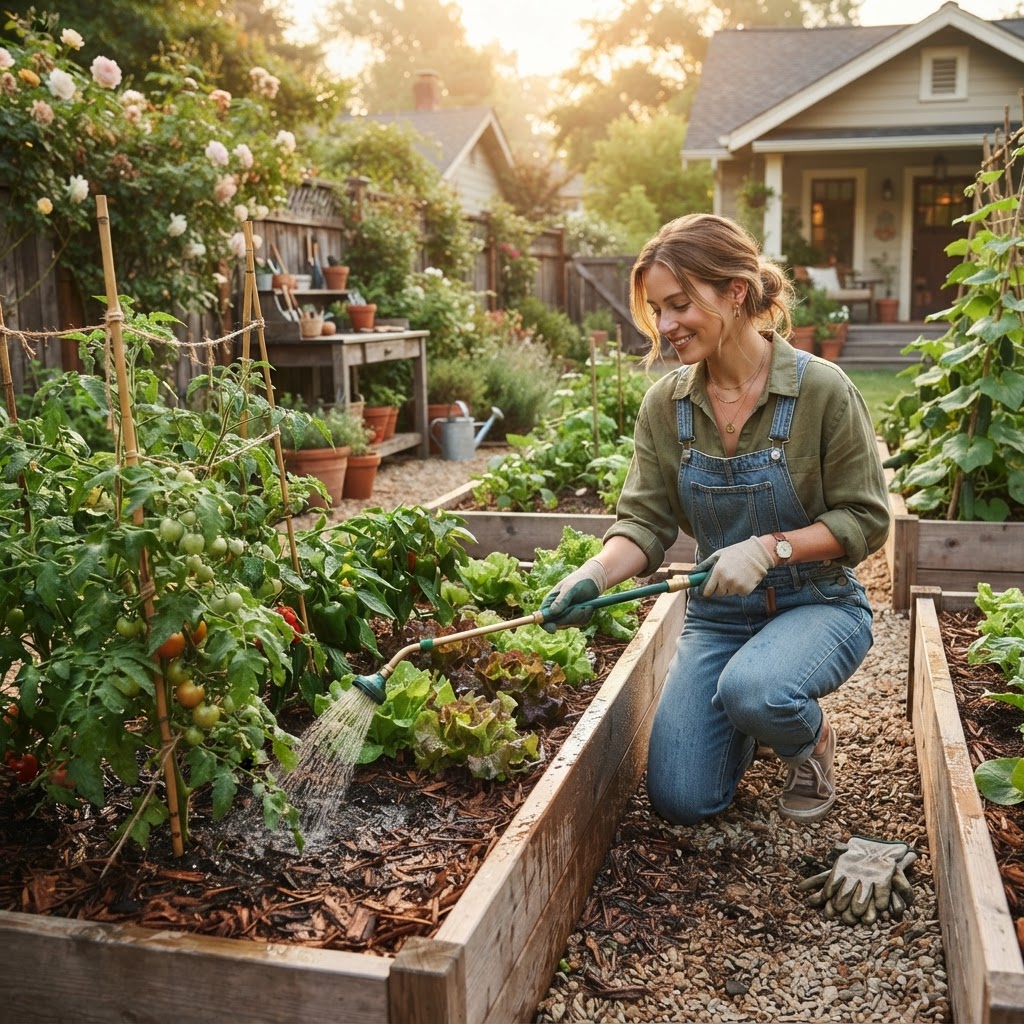
Learn how to water raised bed gardens correctly with simple, beginner-friendly tips for healthy soil, strong roots, and better harvests.
Read More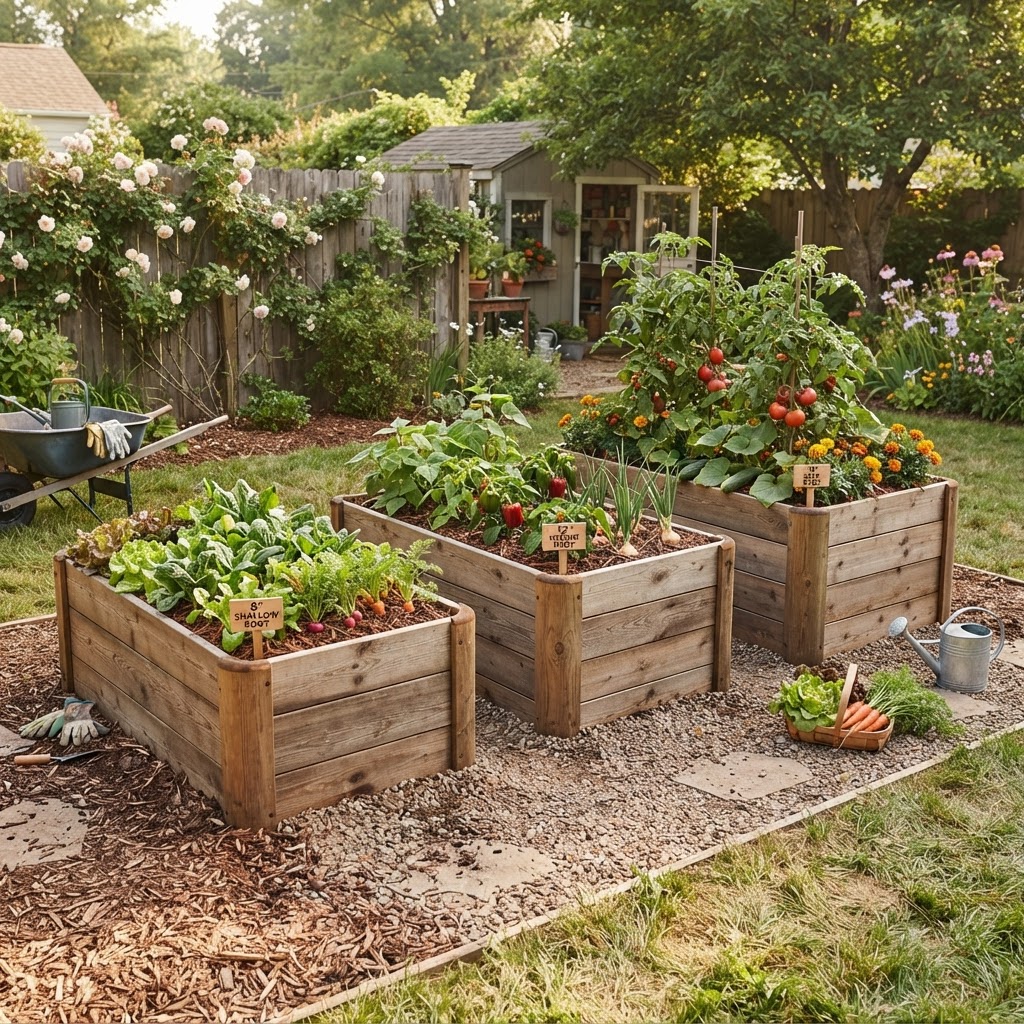
Learn the best raised bed depth for growing vegetables, with simple depth recommendations for leafy greens, root crops, and larger plants.
Read More
Learn how to grow garlic in a raised bed with this easy beginner guide, from planting cloves to harvesting big, flavorful bulbs.
Read More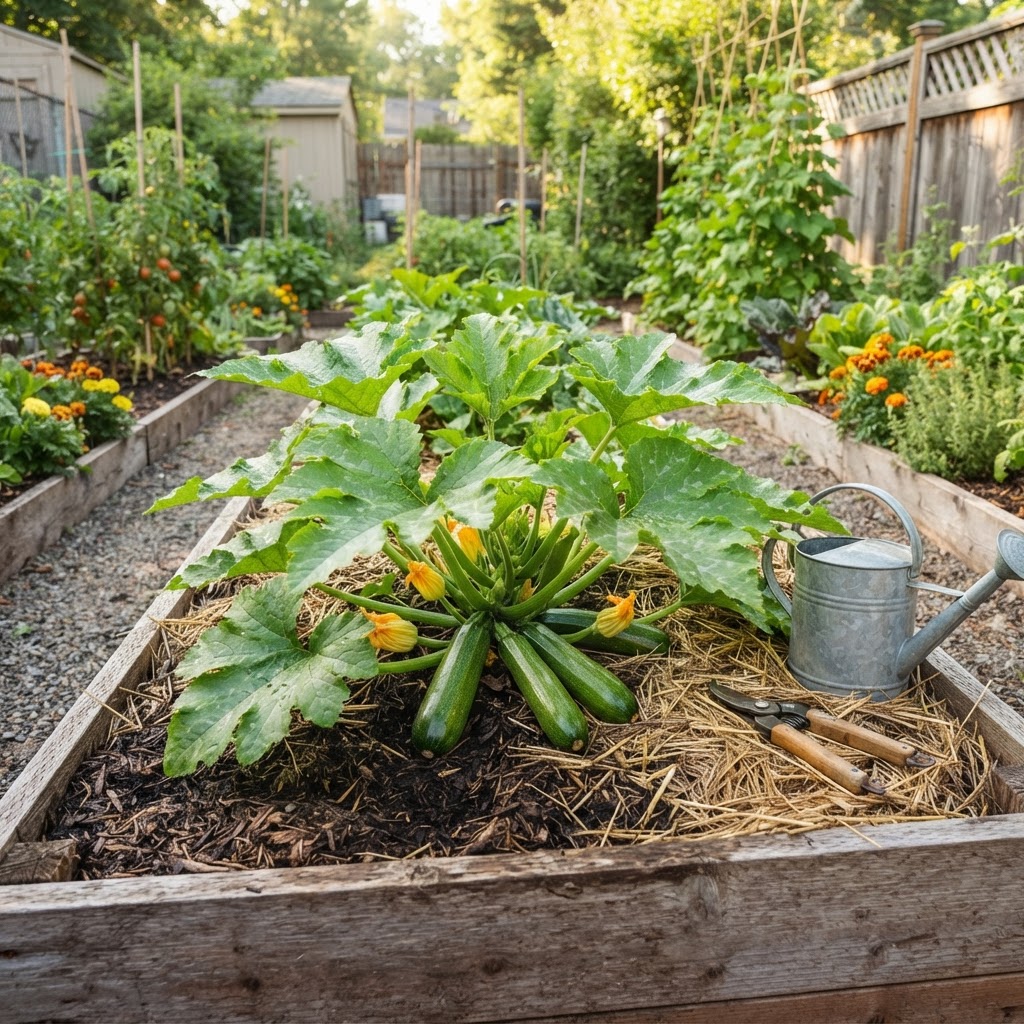
Learn how to grow zucchini in a raised bed with simple steps for planting, spacing, watering, feeding, and harvesting.
Read More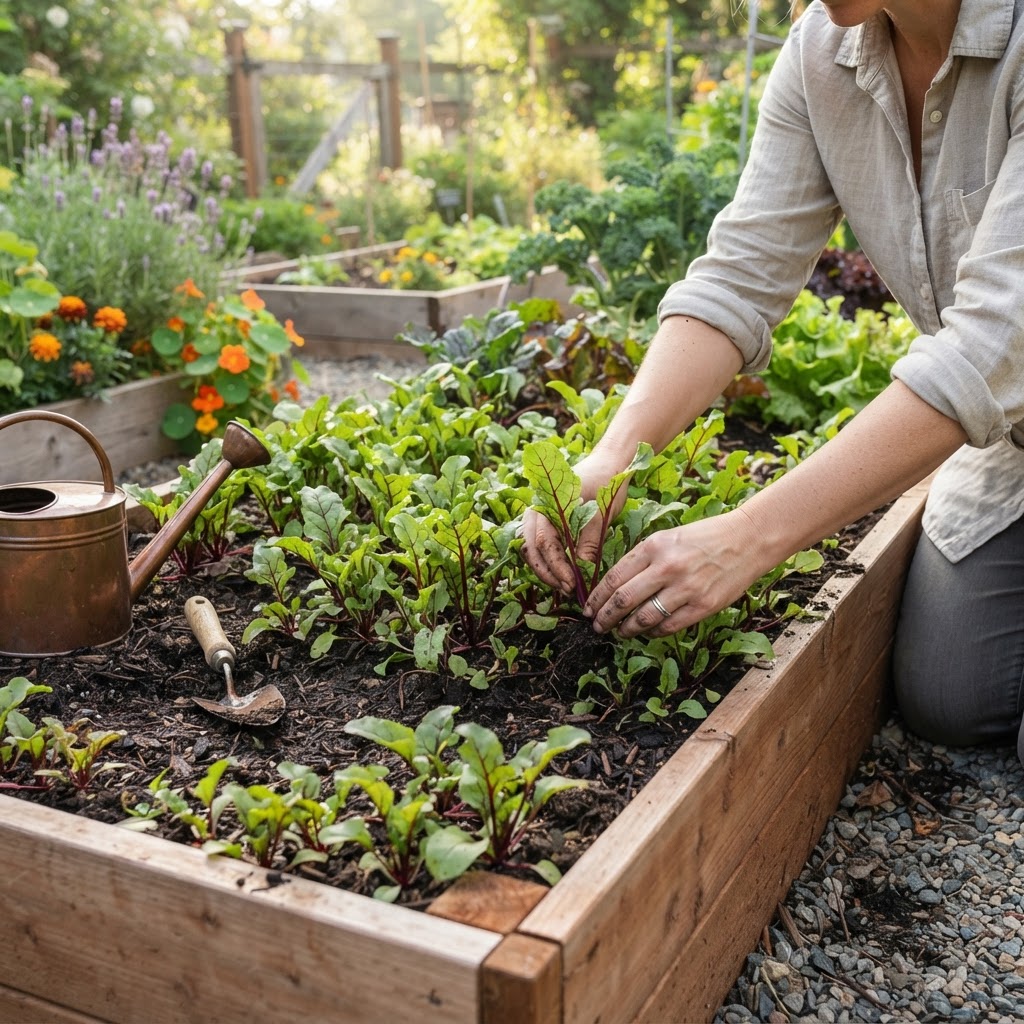
Learn how to grow beets in raised beds with simple steps for planting, spacing, watering, and harvesting a healthy homegrown crop.
Read More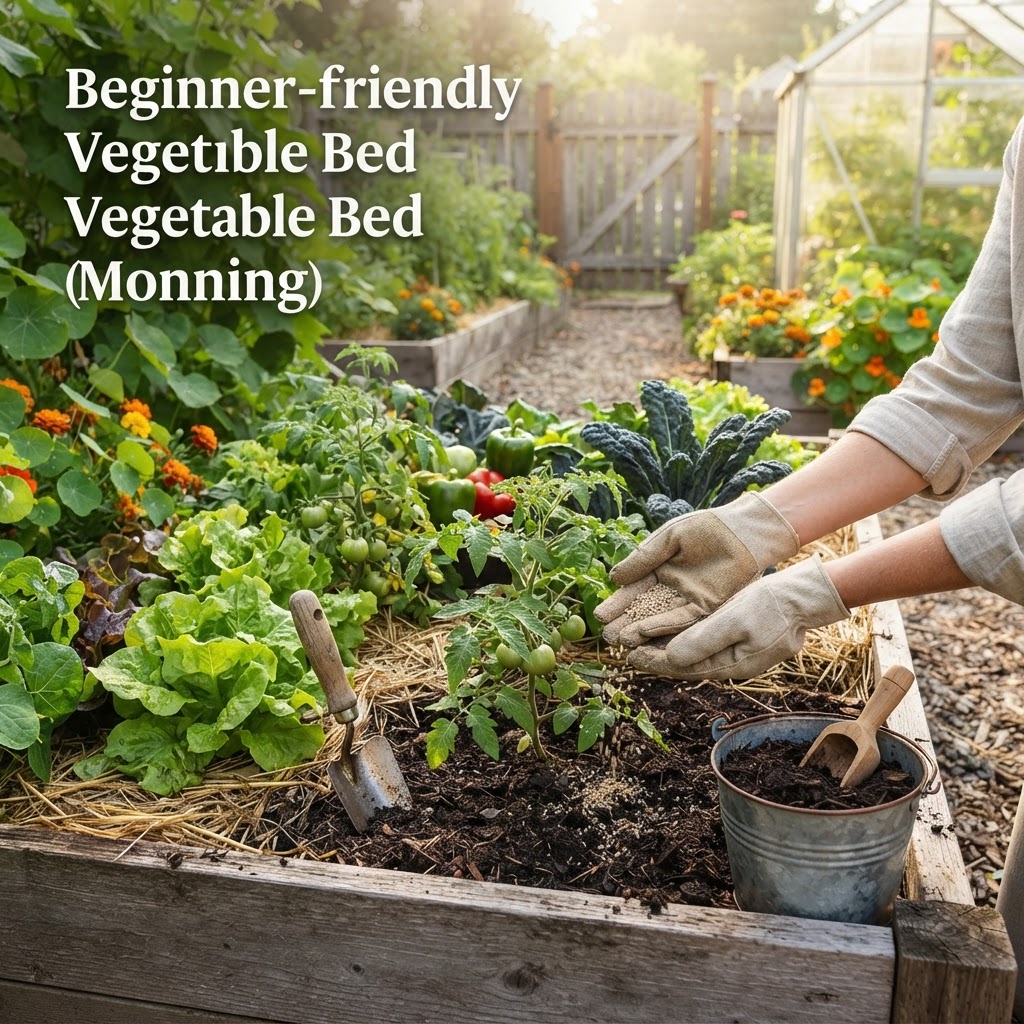
Find the best fertilizer for raised bed gardens, plus when and how to feed vegetables for healthy growth and better harvests.
Read More
Learn how often to water raised beds with simple, beginner-friendly tips for checking soil moisture and keeping vegetables healthy.
Read More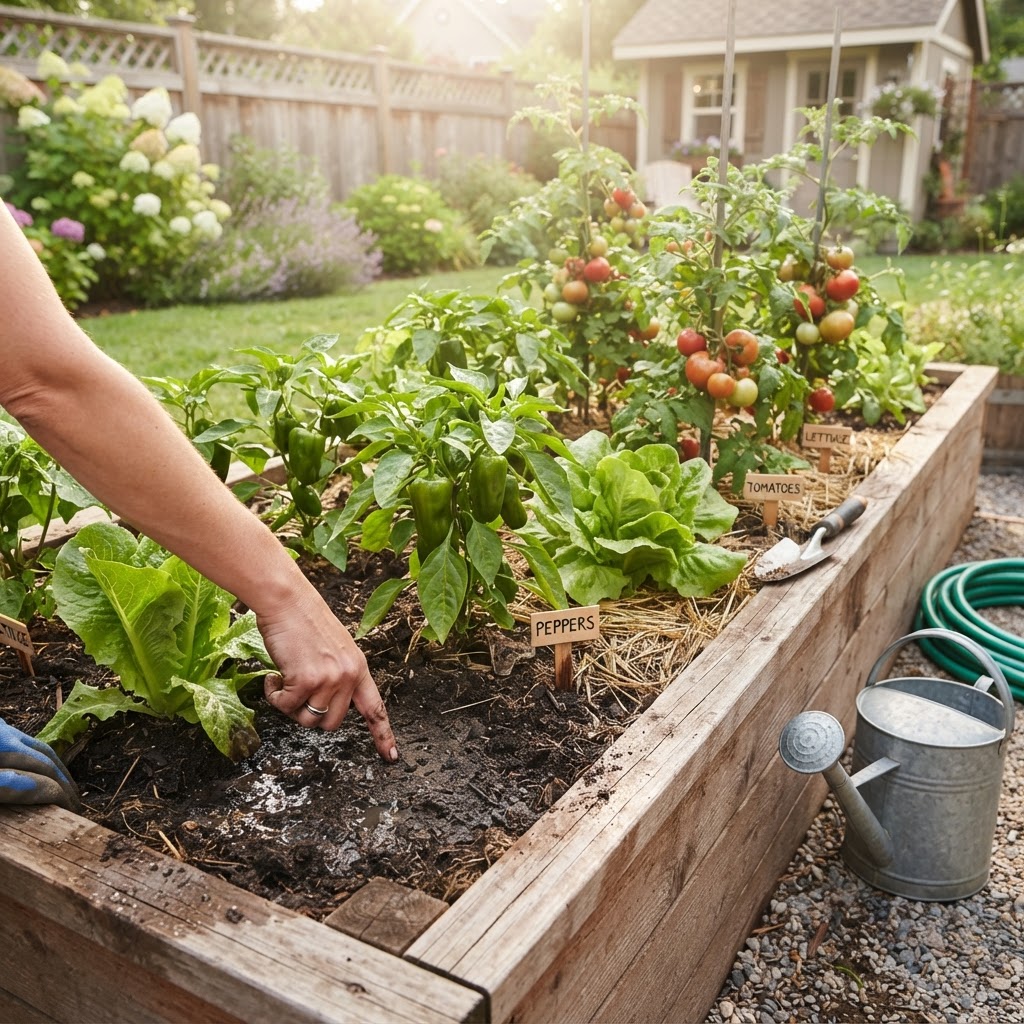
Can you overwater raised beds? Yes. Learn the signs, causes, and simple fixes to keep your vegetable garden healthy.
Read More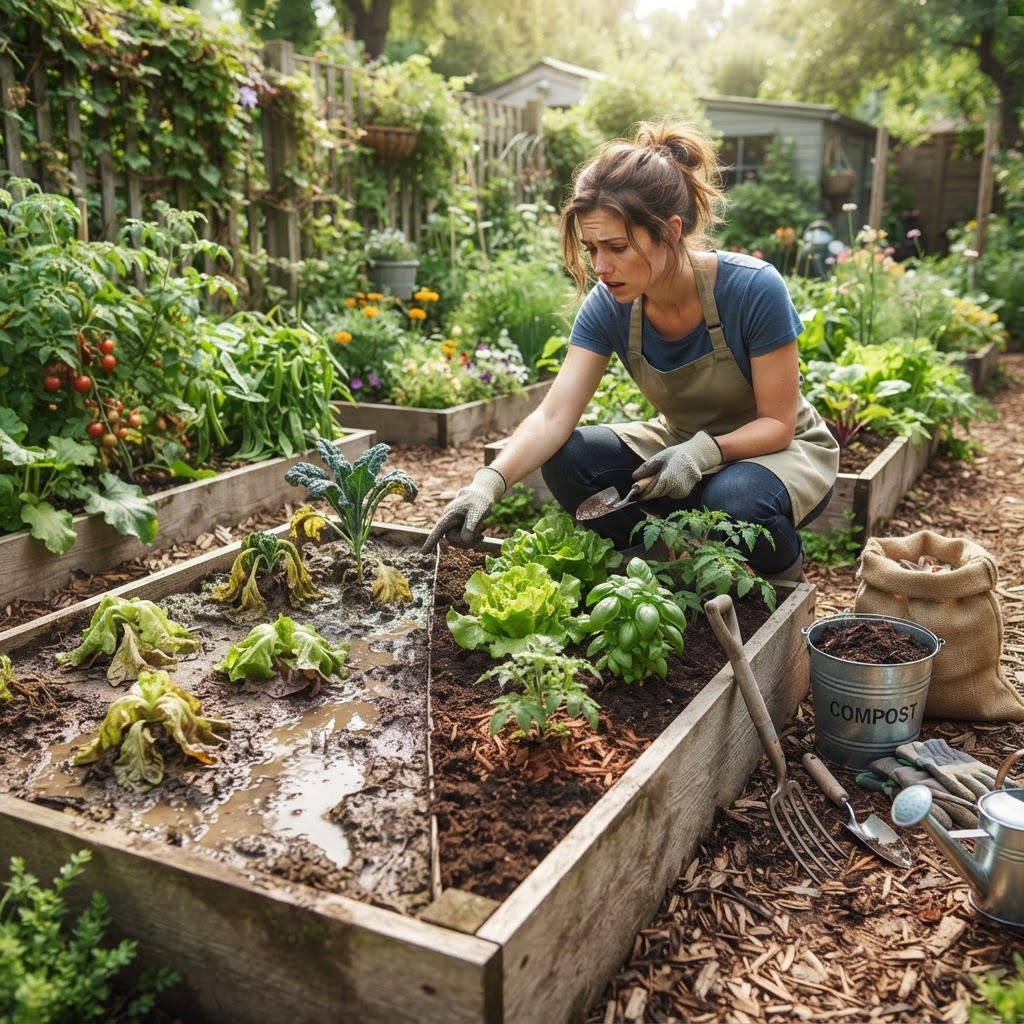
Raised bed soil not draining? Learn the most common causes, quick fixes, and easy long-term solutions for healthier vegetable beds.
Read More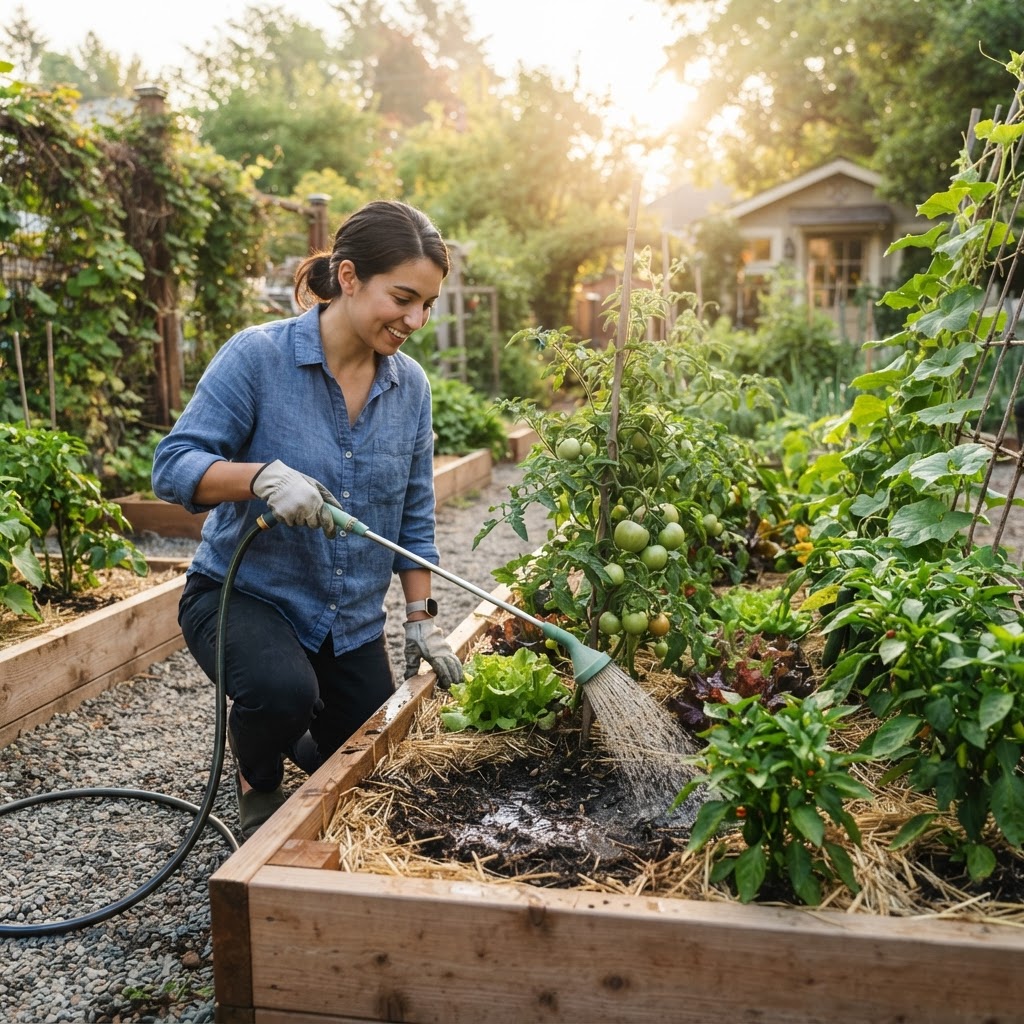
Avoid the most common raised bed watering mistakes with simple, beginner-friendly tips for healthier soil, stronger roots, and better harvests.
Read More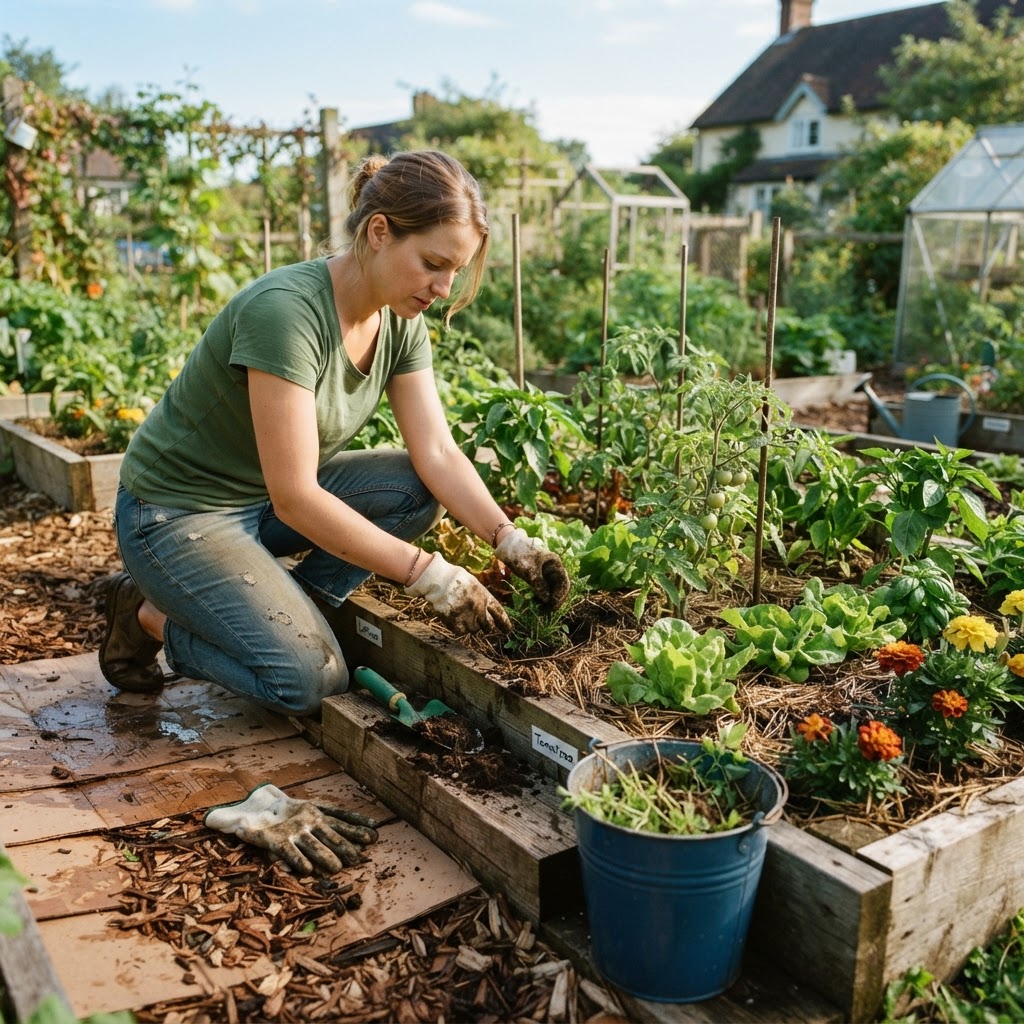
Raised bed weeds keep coming back? Learn why it happens and how to stop weeds with simple, beginner-friendly steps that really work.
Read More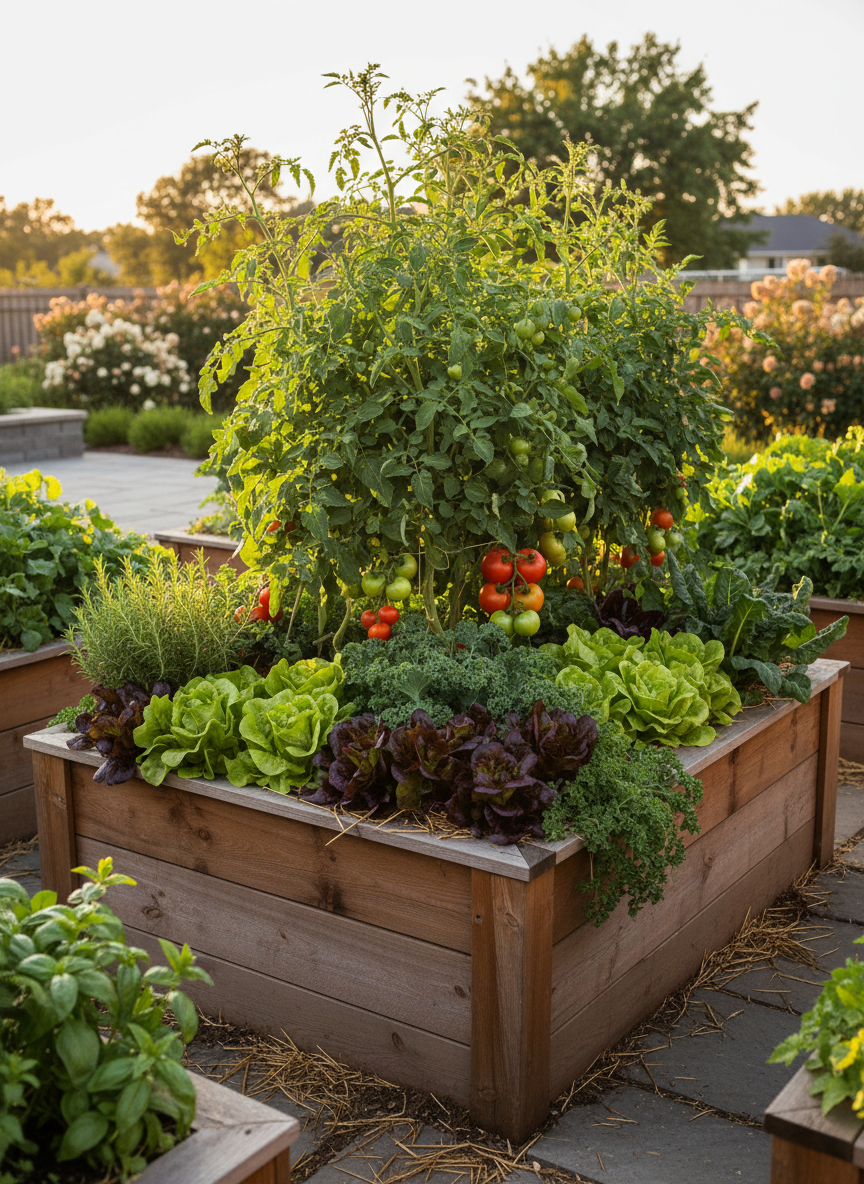
Avoid these common mistakes that beginners make when starting their first raised bed garden.
Read MoreRaised bed gardening is one of the most productive and satisfying ways to grow vegetables. By elevating your growing space above native soil, you gain complete control over your growing medium, drainage, and garden layout — often resulting in higher yields, fewer weeds, and a healthier garden overall.
The core advantage of a raised bed is the soil. You fill it yourself, which means you can create the perfect growing environment: rich in organic matter, well-draining, and loose enough for roots to penetrate easily. This is especially valuable if your native soil is heavy clay, rocky, or nutrient-poor. Raised beds also warm up faster in spring, extending your growing season on both ends.
Raised bed design matters more than most beginners realize. Width is one of the most critical factors — keep your bed no wider than four feet so you can reach the center from both sides without stepping in and compacting the soil. Depth is equally important. Most vegetables need at least 12 inches of root space, while root crops like carrots benefit from 18 inches or more.
Material selection affects both aesthetics and longevity. Cedar and redwood are the gold standard for naturally rot-resistant wood. Pine is affordable but will need replacing within a few years. Galvanized steel raised beds have become increasingly popular for their modern look and decades-long lifespan. Avoid pressure-treated lumber if you're growing food, as older formulations contain chemicals you don't want near edible plants.
Soil fertility is an ongoing commitment. Plants deplete nutrients every season, and raised beds have a finite soil volume. Adding 2 to 3 inches of compost each spring replenishes organic matter and keeps your soil biologically active. Paired with a consistent watering schedule — raised beds dry out faster than in-ground gardens — your raised bed will reward you with outstanding harvests.
The articles in this category cover common beginner mistakes, bed construction guides, soil recipes, companion planting strategies, and seasonal maintenance so you can build and maintain a raised bed garden that produces abundantly for years to come.
Join thousands of gardeners who get our weekly tips and free guides.
No spam. Unsubscribe anytime. We respect your privacy.