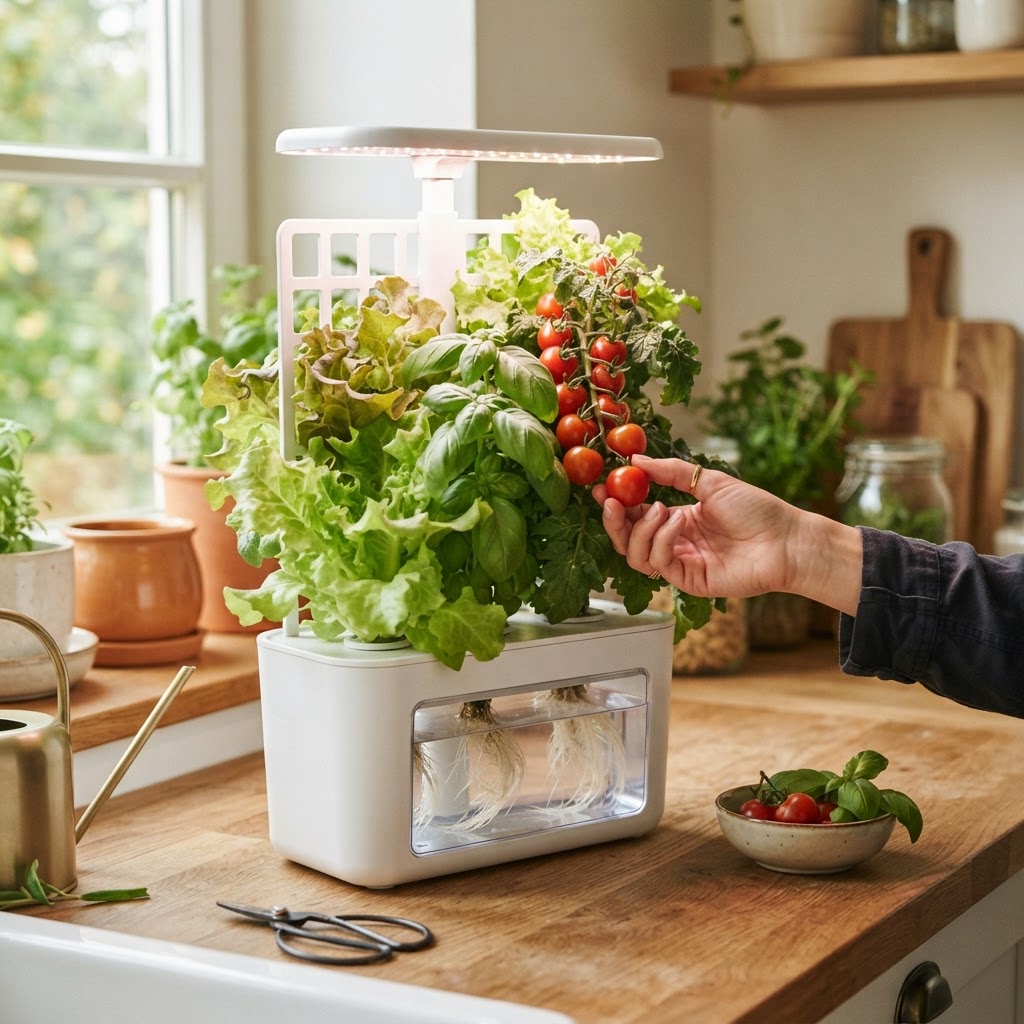
Can Hydroponic Vegetables Taste Better? A Beginner’s Guide to Flavorful Growing
Many gardeners assume hydroponic vegetables are clean and productive, but not especially flavorful. The truth is much more encouraging: hydroponic vegetables can taste excellent, and sometimes even better than soil-grown produce, when the growing conditions are right. If you are just getting started, flavor is something you can improve step by step.
Why This Topic Matters
Taste is often what keeps beginner gardeners excited. If your first hydroponic lettuce tastes watery or your basil seems weak, it is easy to blame the whole growing method.
But hydroponics is not one single flavor. A store-bought tomato grown hydroponically for shipping is very different from a ripe cherry tomato you harvest from your own system at home.
This topic matters because hydroponics gives you a high level of control. Instead of guessing whether your soil is too dry, too compacted, or missing nutrients, you can manage light, water, feeding, and temperature more precisely.
That control can be a real advantage for flavor. When plants get steady care and are harvested at the right moment, they often develop better texture, less bitterness, and a fresher taste.
It matters for sustainability too. Hydroponic systems can use water efficiently, fit into small spaces, and let you grow food close to your kitchen. Shorter time between harvest and eating often makes vegetables taste noticeably better.
Quick Answer
Yes, hydroponic vegetables can taste better than soil-grown vegetables, but not automatically. Flavor depends on the plant variety, light, nutrient balance, temperature, harvest timing, and freshness much more than on whether the roots are in soil or water.
In many home gardens, hydroponic vegetables win on freshness alone. Lettuce cut minutes before dinner will usually taste sweeter and crisper than lettuce that spent days in transport and storage.
Hydroponics can also create very consistent growing conditions. That helps plants avoid some of the stress that leads to bitterness, poor texture, or uneven growth.
However, hydroponic vegetables can taste bland if:
- you choose low-flavor varieties
- the light is too weak
- plants grow too fast and watery
- nutrient levels are out of balance
- you harvest too early or too late
A simple way to think about it is this: soil does not automatically create flavor, and hydroponics does not automatically remove it. Good genetics and good growing habits matter most.
Step-by-Step Guide
1. Choose varieties known for flavor
If you want better taste, start with the seed or seedling. Some varieties are bred for shelf life, size, or speed, while others are bred for sweetness, aroma, or tenderness.
For beginners, the easiest flavorful hydroponic crops are leafy greens, herbs, and cherry tomatoes. These usually perform well in small to medium systems and give quick feedback.
Good beginner choices include:
- loose-leaf lettuce
- arugula
- basil
- parsley
- mint
- cilantro
- dwarf or cherry tomatoes
If a crop tastes flat again and again, change the variety before changing your whole system. That one decision can make a huge difference.
2. Give plants enough light
Light plays a major role in flavor because plants use it to build sugars and other compounds that affect taste and aroma. Weak light often leads to soft, stretched growth that looks acceptable at first but tastes diluted.
Leafy greens and herbs need steady, adequate light. Fruiting crops like tomatoes, peppers, and cucumbers need much stronger light to develop good flavor.
Watch for signs that light may be the problem:
- long, leggy stems
- pale leaves
- slow growth
- weak aroma in herbs
- watery texture in greens
If you grow indoors, a quality full-spectrum grow light is usually one of the best flavor investments you can make.
3. Keep nutrients balanced, not excessive
More nutrients do not automatically mean more flavor. Overfeeding can push plants into fast, lush growth with weaker taste, while underfeeding can cause stunting, bitterness, or poor texture.
Use a nutrient mix designed for hydroponics and follow the product directions as a starting point. Then observe the plant and adjust gradually, not dramatically.
Pay extra attention to these basics:
- pH, so roots can absorb nutrients properly
- EC or TDS, so solution strength stays in a useful range
- regular reservoir changes, so the nutrient balance stays stable
Beginners sometimes look for a secret flavor formula, but consistency matters more than chasing perfect numbers.
4. Match temperature to the crop
Temperature affects sweetness, bitterness, crispness, and overall plant health. A cool-loving crop grown too warm can become loose, stressed, or bitter.
Lettuce, spinach, and many salad greens generally taste best in cooler conditions. Basil, tomatoes, and peppers prefer more warmth and may lose quality if conditions are too chilly.
Try not to force very different crops into one environment if flavor is your goal. A mixed system can work, but taste often improves when crops are grouped by their preferences.
5. Protect root health and water quality
Healthy roots support healthy leaves, fruits, and flavor. If roots are slimy, brown, crowded, or oxygen-starved, the plant will struggle even if everything above the surface looks mostly fine.
Keep the reservoir clean, block light from the water, and make sure roots have enough oxygen. If your tap water is very hard or heavily treated, testing it can help explain off-flavors or nutrient issues.
Helpful root-zone habits include:
- cleaning the system between crops
- removing dead plant material quickly
- keeping water aerated or circulating
- avoiding high reservoir temperatures
Good flavor starts below the surface more often than beginners realize.
6. Harvest at the right time
Harvest timing is one of the biggest reasons home-grown hydroponic vegetables can taste better than store-bought produce. You do not have to pick early for shipping.
Lettuce is best before leaves get old and bitter. Herbs usually taste strongest before flowering. Tomatoes should be fully colored and allowed to ripen on the plant whenever possible.
If you remember only one flavor rule, make it this: ripeness matters. Even a perfectly grown crop can disappoint if you harvest it at the wrong stage.
7. Make one change at a time
When flavor is disappointing, it is tempting to change everything at once. That usually makes troubleshooting harder.
Instead, adjust one factor at a time and then taste the results. You might try slightly cooler temperatures for lettuce, stronger light for basil, or a better variety of tomato.
Keep a simple growing journal with:
- crop and variety
- nutrient strength
- pH range
- room temperature
- harvest date
- short taste notes
This turns flavor from a mystery into something you can improve on purpose.
8. Compare honestly with soil-grown crops
The best way to answer whether hydroponic vegetables taste better is to test it yourself. Grow the same crop in hydroponics and soil, harvest both on the same day, and compare them fresh.
You may discover that one method is not always better in every situation. Hydroponic lettuce may taste sweeter and cleaner, while a soil-grown root crop may have deeper earthy notes.
That is normal. Flavor is shaped by crop type, growing conditions, and what you personally enjoy.
Common Beginner Mistakes
One common mistake is assuming bland flavor is caused by hydroponics itself. In reality, low light, poor variety choice, and early harvest are much more common reasons.
Another mistake is trying to grow fruiting plants in a setup meant for leafy greens. A small countertop system can grow herbs beautifully, but tomatoes need more light, more root space, and more support.
Beginners also often ignore pH and EC. Plants cannot use nutrients properly if the solution drifts too far out of range, and poor uptake can affect taste as well as growth.
Dirty, warm reservoirs are another problem. Root stress often leads to weak flavor, rough texture, or plants that never quite thrive.
It is also easy to chase size instead of quality. Extra-large lettuce leaves are not always the sweetest leaves, and overgrown herbs can lose tenderness fast.
Finally, many gardeners harvest too late. Older greens can turn bitter quickly, especially in warm conditions.
Best Tips for Success
If you want flavorful results without overcomplicating things, keep these tips in mind:
- Start with easy, flavorful crops like basil, loose-leaf lettuce, arugula, and cherry tomatoes.
- Taste often instead of waiting for one big harvest.
- Give each crop the environment it prefers rather than using one setup for everything.
- Use a gentle fan to improve airflow and plant strength.
- Keep conditions steady instead of making large changes every few days.
- Switch varieties before assuming the growing method is the problem.
- Prioritize ripeness and freshness over maximum size.
One of the best things about hydroponics is repeatability. Once you find the combination that tastes great in your space, you can keep producing it again and again.
Recommended Supplies or Tools
You do not need a complicated system to grow tasty hydroponic vegetables, but a few tools make success much easier.
Helpful beginner supplies include:
- Full-spectrum grow light: especially important for indoor gardens and fruiting crops
- Digital pH meter: helps you keep nutrient uptake on track
- EC or TDS meter: useful for checking whether solution strength is too weak or too strong
- Small clip-on or oscillating fan: improves airflow and helps reduce stress
- Clean pruning snips: make harvesting herbs and greens easier
- Opaque reservoir or reservoir cover: helps prevent algae growth
- Notebook or phone app: lets you track settings and compare flavor over time
If you are on a tight budget, start with a good light, a pH meter, and a simple way to take notes. Those basics can solve many beginner flavor problems.
Frequently Asked Questions
Do hydroponic vegetables have less flavor than soil-grown vegetables?
Not necessarily. Hydroponic vegetables can taste excellent when the variety, light, nutrients, and harvest timing are right. Many disappointing comparisons come from commercial produce, not carefully grown home hydroponic crops.
Which hydroponic vegetables usually taste best for beginners?
Leafy greens and herbs are usually the best place to start. Basil, lettuce, arugula, mint, parsley, and cilantro often develop strong flavor without the high light demands of larger fruiting crops.
Why does my hydroponic lettuce taste watery?
Watery lettuce is often caused by weak light, overly fast growth, warm temperatures, or harvesting leaves that became too large. Better lighting and slightly cooler conditions usually improve both flavor and crunch.
Can nutrient solution change flavor?
Yes, but mostly indirectly. Balanced nutrition supports healthy growth, sugar production, and good texture, while poor balance can lead to blandness or bitterness. Nutrients help, but they cannot fully fix a bad variety or an underlit setup.
Are hydroponic tomatoes as good as garden tomatoes?
They can be, especially cherry tomatoes grown under strong light and allowed to ripen fully on the plant. In many cases, the biggest difference is not hydroponics versus soil, but whether the tomato was picked truly ripe.
Final Thoughts
So, can hydroponic vegetables taste better? Yes, they absolutely can, especially when freshness and ripeness are on your side.
For beginners, the real secret is not a magic nutrient mix. It is choosing flavorful varieties, giving plants enough light, keeping the root zone healthy, and harvesting at the right time. Once you taste a truly fresh hydroponic basil leaf or a sun-sweet cherry tomato from your own setup, you may never think of hydroponics as bland again.