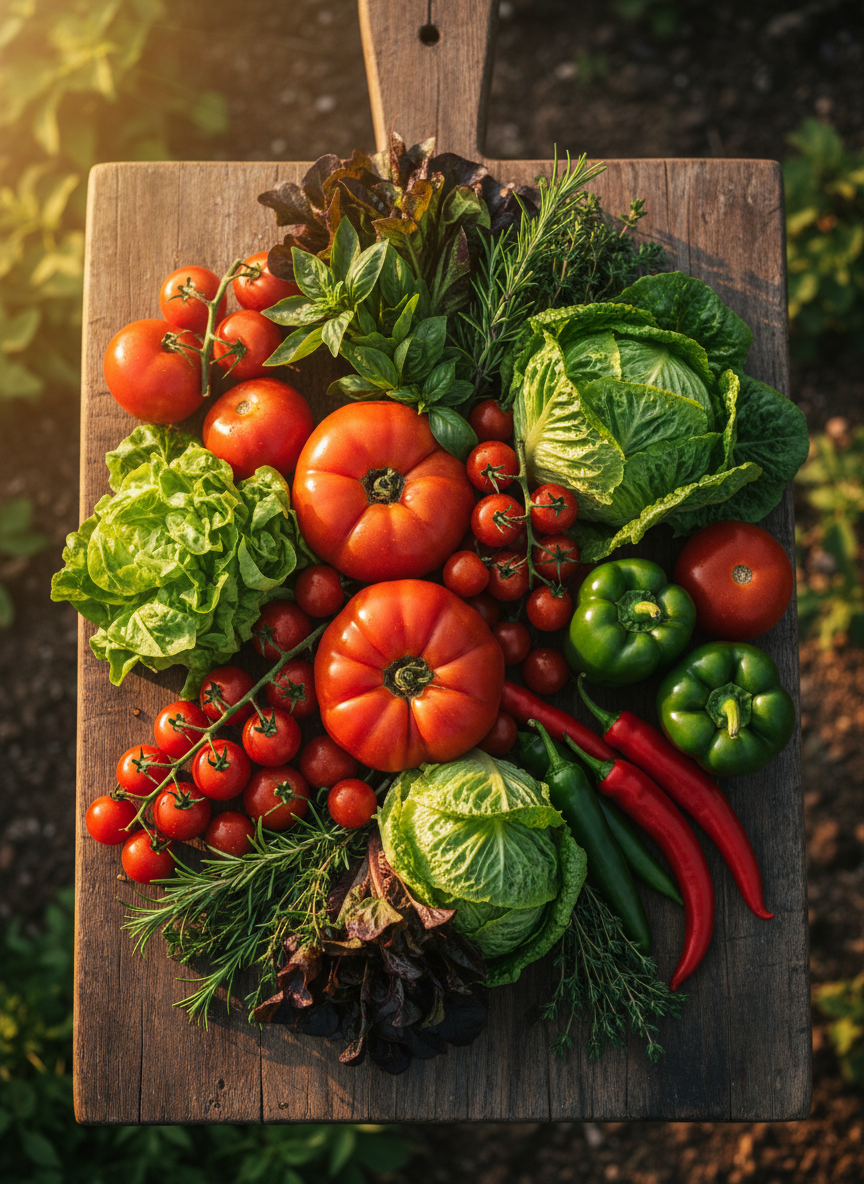
Growing vegetables indoors is one of the most rewarding ways to enjoy fresh produce year-round. Whether you have a sunny windowsill or a dedicated grow light setup, there are plenty of vegetables that thrive indoors.
Why Grow Vegetables Indoors?
Indoor gardening offers several advantages over traditional outdoor growing:
- Year-round growing — no seasonal limitations
- Better pest control — fewer insects and diseases
- Complete climate control — perfect temperatures always
- Convenience — fresh herbs and greens steps from your kitchen
Top 10 Vegetables for Indoor Growing
1. Lettuce and Salad Greens
Lettuce is arguably the easiest vegetable to grow indoors. It doesn't need intense light, grows quickly (harvest in 30-45 days), and you can use the cut-and-come-again method for continuous harvests.
2. Herbs (Basil, Cilantro, Parsley)
Fresh herbs are the gateway to indoor gardening. They're compact, aromatic, and incredibly useful in the kitchen. Most herbs need 6-8 hours of light daily.
3. Cherry Tomatoes
With a good grow light and support stake, cherry tomatoes produce abundantly indoors. Choose compact determinate varieties like 'Tiny Tim' or 'Red Robin'.
4. Green Onions
Simply place the root ends of store-bought green onions in water, and they'll regrow in about a week. It's the ultimate beginner indoor growing project.
5. Spinach
Spinach thrives in cooler indoor temperatures and partial shade, making it perfect for less-than-ideal growing conditions.
Essential Indoor Growing Equipment
To succeed with indoor vegetables, you'll need a few key items:
Pro Tip: Start with a quality full-spectrum LED grow light. It's the single most impactful investment for indoor vegetable gardening.
- Full-spectrum LED grow light
- Quality potting soil mix
- Containers with drainage
- Liquid fertilizer
- Small fan for air circulation
Common Indoor Gardening Mistakes
- Overwatering — The #1 killer of indoor plants
- Insufficient light — Most vegetables need 10-12 hours
- Wrong soil — Don't use garden soil indoors
- Ignoring drainage — Always use pots with holes