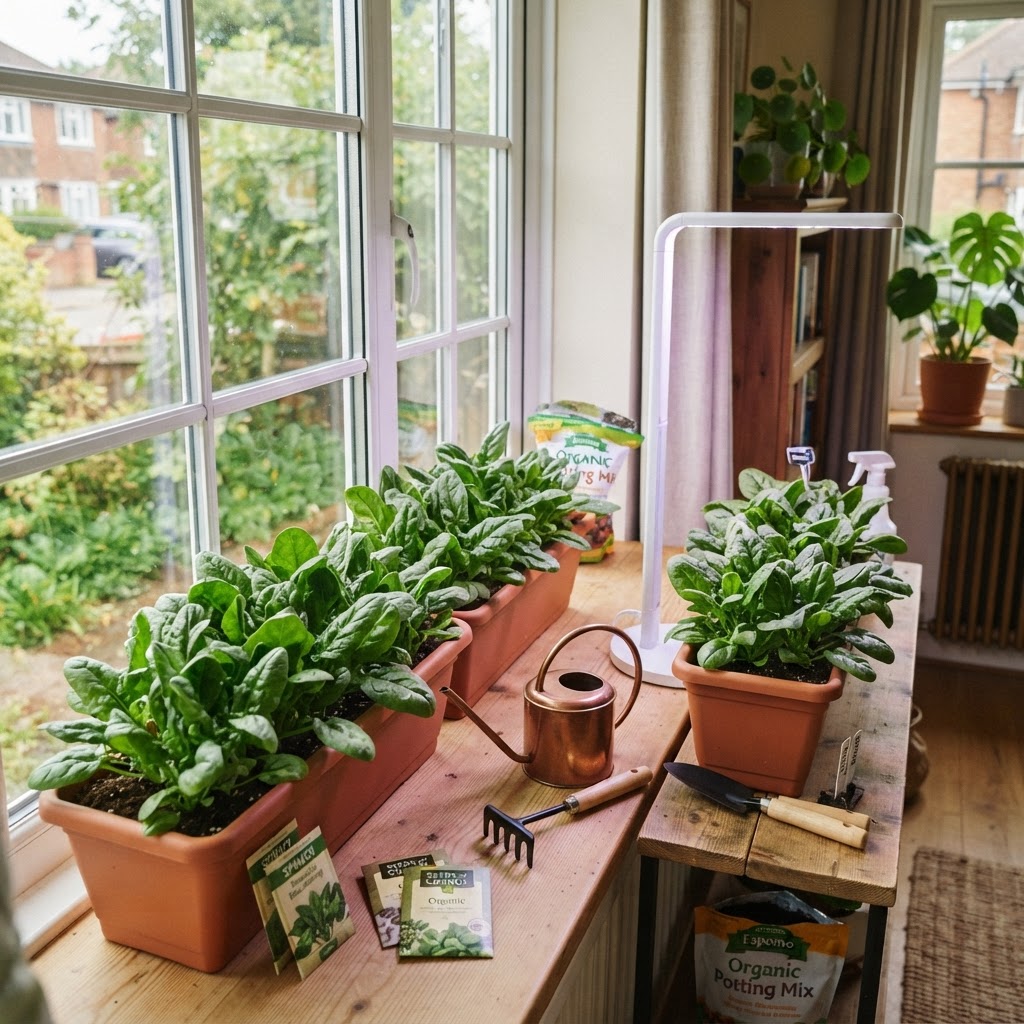
How to Grow Spinach in Containers Indoors: A Beginner-Friendly Step-by-Step Guide
Growing spinach indoors is one of the easiest ways to enjoy fresh greens even if you do not have a garden bed or a sunny backyard. With the right container, good soil, and enough light, you can harvest tender spinach leaves right from your kitchen, windowsill, or a small shelf setup.
Why This Topic Matters
Spinach is a great crop for indoor gardeners because it grows quickly, stays fairly compact, and can produce a steady supply of nutritious leaves. It is especially useful for apartment dwellers, renters, and anyone who wants to keep growing during cold weather.
Indoor container growing also gives you more control over temperature, moisture, and pests. That means fewer surprises and a better chance of success, especially if you are new to vegetable gardening.
Another reason this topic matters is cost and convenience. A few containers of spinach can provide fresh greens for salads, smoothies, omelets, and sautés without repeated trips to the store.
Quick Answer
To grow spinach in containers indoors, use a wide pot that is at least 6 to 8 inches deep, fill it with a quality potting mix, sow spinach seeds about 1/2 inch deep, and keep the soil evenly moist. Place the container in a bright window or under grow lights for 10 to 14 hours a day, keep temperatures cool, and begin harvesting outer leaves once plants are a few inches tall.
If you remember just a few basics, make it these:
- Choose a container with drainage holes
- Use fresh potting mix, not garden soil
- Give spinach strong light every day
- Keep the soil moist but not soggy
- Harvest often to encourage more leaves
Step-by-Step Guide
1. Choose the right spinach variety
Not every spinach variety performs the same indoors, but many do well in containers. Look for varieties that are reliable, compact, and good for baby leaf harvests.
Good options for indoor growing include:
- Bloomsdale Long Standing
- Space
- Baby’s Leaf Hybrid
- Catalina
- Regiment
If you are a beginner, a baby leaf type is often the easiest place to start. These varieties germinate quickly and can be harvested young, which shortens the waiting time.
2. Pick a container that fits spinach’s roots
Spinach does not need an extra-deep pot, but it does need enough room for healthy root growth. A container that is 6 to 8 inches deep works well for baby spinach, while 8 to 10 inches deep is even better if you want larger plants.
Width matters too. A wider container lets you grow several plants together and makes the most of your indoor space.
Good container choices include:
- Window boxes
- Rectangular planters
- Shallow bowls with drainage
- Fabric grow bags
- Recycled containers with holes added
Always make sure the container has drainage holes. Without drainage, the soil can stay too wet and cause root rot.
3. Use a light, high-quality potting mix
This is one of the most important parts of growing spinach in containers indoors. Garden soil is too heavy for pots and may bring in pests or diseases.
Instead, use a fresh potting mix that is light, airy, and drains well while still holding some moisture. You can improve it even more by mixing in a little compost or worm castings.
A good indoor spinach mix should:
- Drain well
- Hold steady moisture
- Contain organic matter
- Stay loose instead of compacting
Avoid soil that feels dense or muddy after watering. Spinach likes moisture, but it also needs oxygen around the roots.
4. Sow seeds directly in the container
Spinach usually grows best when direct sown instead of transplanted. The roots can be a little sensitive, so planting seeds right where they will grow is often the simplest method.
Sow seeds about 1/2 inch deep and 1 to 2 inches apart. If you plan to harvest baby spinach, close spacing is fine. If you want larger leaves and full-sized plants, thin them to about 3 to 4 inches apart after germination.
Here is a simple planting process:
- Fill the container with potting mix, leaving about 1 inch at the top.
- Water the soil lightly so it is evenly damp.
- Make shallow holes or rows about 1/2 inch deep.
- Drop in the seeds and cover gently with soil.
- Mist or water carefully so you do not wash the seeds away.
Most spinach seeds germinate in about 5 to 10 days, though cooler temperatures can slow them down a little.
5. Give spinach enough light
Lighting is often the biggest challenge when growing vegetables indoors. Spinach can tolerate less light than some fruiting crops like tomatoes or peppers, but it still needs good daily light to stay healthy and productive.
A sunny south-facing window may work if it gets several hours of bright light. However, in many homes, especially during winter, grow lights are the more reliable option.
For best results:
- Provide 10 to 14 hours of light daily
- Keep grow lights a few inches above the plants, adjusting as they grow
- Rotate containers in windows so plants do not lean strongly in one direction
- Use a timer to keep lighting consistent
If spinach does not get enough light, it may grow slowly, become leggy, or produce pale leaves.
6. Keep temperatures on the cool side
Spinach is a cool-season crop. That means it prefers mild to cool conditions rather than warm indoor rooms near heaters.
Try to keep temperatures around 50 to 70 degrees Fahrenheit. It can still grow a bit outside that range, but very warm conditions may lead to weak growth or bolting.
If possible, place containers:
- Away from heat vents
- Away from radiators
- Near a bright but cool window
- In a room that stays comfortably cool
This is one reason spinach can do very well indoors during fall, winter, and early spring.
7. Water carefully and consistently
Spinach likes evenly moist soil, but not soggy roots. In containers, the soil can dry out faster than in a garden bed, especially under grow lights or in heated homes.
Check the top inch of soil with your finger. If it feels dry, water thoroughly until extra water drains from the bottom.
A few watering tips:
- Water at the base, not over the leaves
- Empty saucers if water collects for too long
- Do not let the soil swing from bone dry to waterlogged
- Water more gently when seedlings are small
Consistency matters more than heavy watering. A steady moisture level helps spinach grow tender, mild leaves.
8. Feed lightly if needed
If your potting mix includes compost or a starter fertilizer, spinach may not need much extra feeding early on. But after a few weeks, especially in small containers, a light feeding can help maintain healthy growth.
Use a diluted liquid fertilizer or fish emulsion every 2 to 3 weeks. Choose something balanced or slightly nitrogen-rich to support leafy growth.
Be careful not to overdo it. Too much fertilizer can cause overly soft growth or salt buildup in containers.
9. Thin seedlings for better airflow
It can feel wasteful, but thinning is important if you sowed seeds thickly. Crowded spinach plants compete for light, moisture, and nutrients.
Once seedlings are a couple of inches tall, thin them based on your harvest goal:
- For baby greens: keep plants 1 to 2 inches apart
- For larger leaves: keep plants 3 to 4 inches apart
You can snip the extras and use them as tiny microgreens. That way, nothing goes to waste.
10. Harvest spinach the right way
One of the best parts of growing spinach indoors is how quickly you can start picking leaves. Baby leaves are often ready in about 25 to 35 days, while larger leaves may take 40 to 50 days depending on the variety and conditions.
Use the cut-and-come-again method for a longer harvest. Snip outer leaves first and leave the center of the plant growing.
For the best quality:
- Harvest when leaves are young and tender
- Use clean scissors or pinch leaves by hand
- Do not remove more than one-third of the plant at a time
- Harvest regularly to encourage new growth
If you prefer, you can also harvest the whole plant at once. But for most indoor gardeners, repeated small harvests make better use of container space.
Common Beginner Mistakes
Growing spinach indoors is simple, but a few common mistakes can slow you down. The good news is that most are easy to fix.
Using a container without drainage
This is one of the quickest ways to lose spinach seedlings. Pots without drainage keep roots too wet and invite rot.
Starting with poor soil
Heavy soil compacts in containers and makes it harder for roots to breathe. A fresh potting mix makes a huge difference.
Not giving enough light
A dim window is usually not enough for strong spinach growth. If plants look stretched or weak, lighting is probably the issue.
Letting the soil dry out too much
Spinach can turn bitter or stall if it experiences repeated drought stress. Indoors, small pots dry out faster than many beginners expect.
Overcrowding seedlings
It is tempting to keep every seedling, but too many plants in one container leads to small leaves and poor airflow.
Growing spinach in a hot room
Warm conditions can cause spinach to struggle or bolt. Cooler rooms are usually better.
Best Tips for Success
If you want better results with less trial and error, focus on these practical tips.
Start more than one container
Instead of planting one big pot all at once, try two or three smaller containers a week apart. This gives you a more continuous harvest.
Grow baby spinach first
Baby leaves are faster, easier, and often more tender than full-sized spinach. This is a great confidence booster for beginners.
Use a timer for grow lights
Consistent lighting is easier when it happens automatically. A simple timer removes the guesswork.
Improve airflow indoors
Still indoor air can sometimes encourage mildew. A small fan on a gentle setting can help, especially if you have several containers close together.
Reseed often
Spinach is not a plant you grow once and forget. Sowing a fresh pot every few weeks keeps your harvest going.
Watch for bolting signs
If the center starts stretching upward and leaves become narrower, the plant may be preparing to bolt. Harvest what you can and start a new batch in cooler conditions.
Recommended Supplies or Tools
You do not need a complicated setup to grow spinach in containers indoors. A few basic supplies will make the process easier and more reliable.
Helpful supplies include:
- Wide container with drainage holes
- Quality indoor potting mix
- Spinach seeds
- Watering can or spray bottle
- Tray or saucer for the container
- Full-spectrum grow light
- Light timer
- Small scissors for harvesting
- Diluted liquid fertilizer
- Plant labels if you grow multiple varieties
If your home does not get strong natural light, a grow light is usually the most useful investment. It gives you more control and often better harvests than relying on a window alone.
Frequently Asked Questions
Can spinach really grow well indoors?
Yes, spinach can grow very well indoors if it gets enough light and cool temperatures. It is one of the more beginner-friendly leafy greens for container growing.
How long does indoor spinach take to grow?
Baby spinach is often ready in about 25 to 35 days. Larger leaves usually take around 40 to 50 days, depending on variety, temperature, and light.
Does spinach need full sun indoors?
Indoors, spinach needs bright light rather than traditional outdoor full sun. A sunny window may work, but grow lights often produce better and more consistent results.
How often should I water indoor spinach?
Water whenever the top inch of soil starts to feel dry. The exact timing depends on your container size, indoor temperature, and light levels.
Can I regrow spinach after harvesting?
Yes, if you harvest outer leaves and leave the center growing, spinach can continue producing for multiple harvests. This cut-and-come-again method works especially well for indoor containers.
Final Thoughts
If you have been wondering how to grow spinach in containers indoors, the good news is that it is very doable, even in a small home or apartment. Start with a wide pot, good potting mix, steady moisture, and strong light, and you will be well on your way to harvesting fresh leaves at home.
The easiest path for beginners is to grow baby spinach, harvest often, and reseed regularly. With a little practice, indoor spinach can become one of the simplest and most rewarding vegetables in your home garden.