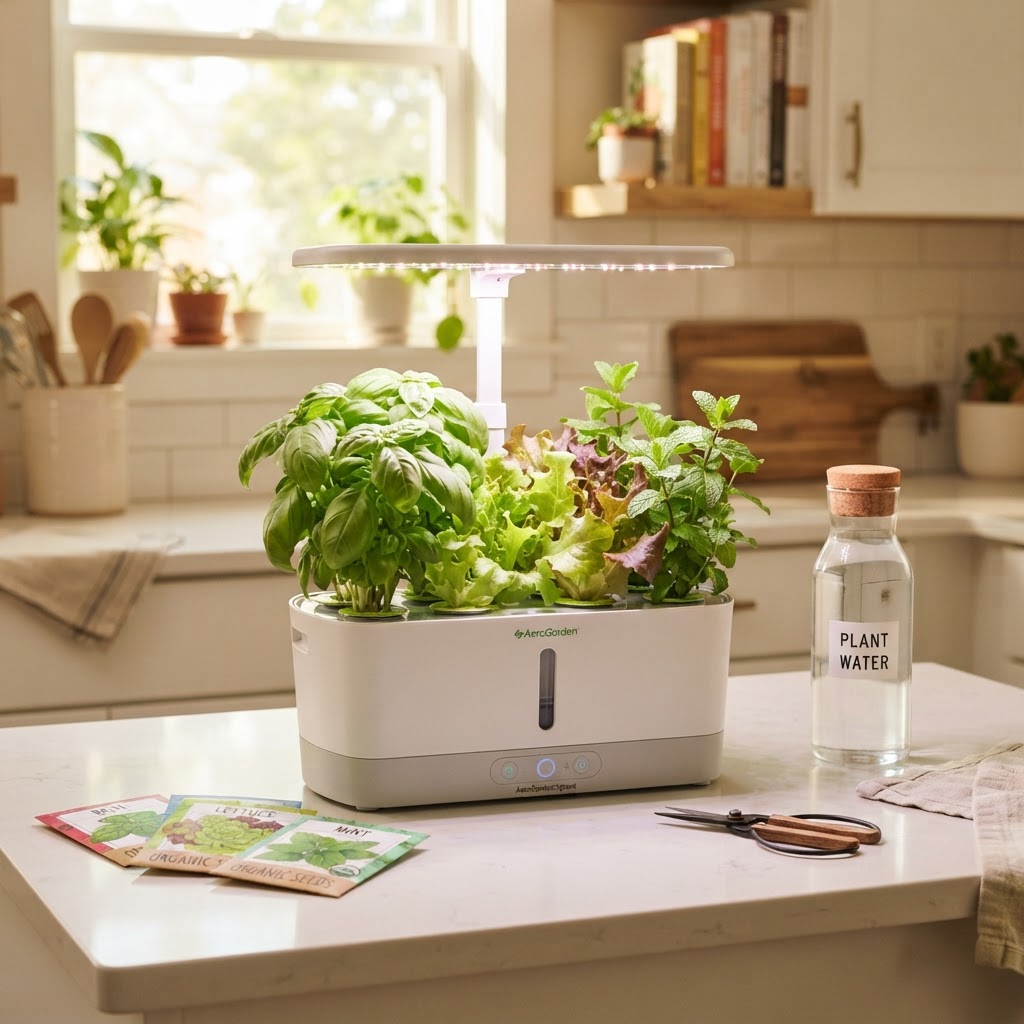
Best Budget Hydroponic Starter Kit for Beginners: What to Buy and How to Start Growing
Starting a hydroponic garden can feel exciting and a little overwhelming at the same time. If you want fresh herbs or leafy greens at home without spending a fortune, choosing the best budget hydroponic starter kit for beginners is a smart first step.
The good news is that you do not need a complicated system or a big indoor growing room to get started. With the right beginner-friendly kit, a few basic supplies, and a simple routine, you can grow healthy plants on a budget.
Why This Topic Matters
Hydroponics lets you grow vegetables and herbs without soil by delivering water and nutrients directly to plant roots. For beginners, that can mean less mess, faster growth, and a convenient way to garden indoors year-round.
But not all starter kits are equally beginner-friendly. Some low-cost kits are genuinely helpful, while others cut corners on important basics like lighting, water circulation, or clear instructions.
That is why budget matters in two ways. You want a kit that is affordable, but you also want one that gives you a realistic chance of success.
A good budget hydroponic starter kit can help you:
- Learn hydroponic basics without a huge investment
- Grow herbs, lettuce, and other quick crops indoors
- Save time compared to building a full DIY system from scratch
- Avoid the trial-and-error that comes with piecing together parts
- Decide whether hydroponic gardening is a hobby you want to expand later
For many home gardeners, a beginner kit is the easiest bridge between curiosity and confidence. Instead of worrying about pumps, reservoirs, and nutrient ratios all at once, you can focus on learning how plants grow.
Quick Answer
The best budget hydroponic starter kit for beginners is usually a small countertop deep water culture or circulating indoor garden kit that includes these essentials:
- A built-in LED grow light
- A water reservoir
- Net pots or plant pods
- A quiet pump or circulation system
- A simple timer or automatic light cycle
- Clear setup instructions
For most beginners, the best value is a compact hydroponic kit with room for 6 to 12 plants. That size is affordable, easy to manage, and large enough to grow a useful amount of basil, lettuce, spinach, mint, or other beginner-friendly crops.
If you are shopping, look for a kit that prioritizes simplicity over lots of extra features. An adjustable light, easy water refill access, and replacement pods that are easy to find are often more important than a fancy digital display.
In short, the best budget choice is not always the cheapest kit. It is the one that helps you succeed with the least frustration.
Step-by-Step Guide
1. Decide what you want to grow
Before you buy a kit, think about your goals. Are you hoping for fresh salad greens, kitchen herbs, or a fun indoor gardening project with kids?
Most budget hydroponic starter kits work best for:
- Basil
- Lettuce
- Arugula
- Spinach
- Mint
- Cilantro
- Dill
- Green onions
Fruit crops like tomatoes, peppers, and strawberries usually need stronger lighting, more root space, and more maintenance. For a first hydroponic kit, leafy greens and herbs are the easiest win.
2. Choose the right type of beginner kit
You will usually see a few beginner-friendly styles.
Countertop all-in-one systems
These are the most popular for beginners. They usually include a reservoir, pump, grow deck, pods, and LED lights in one compact unit.
Pros:
- Easy to set up
- Space-saving
- Good for herbs and greens
- Often includes automatic lighting
Cons:
- Limited root space
- Best for smaller plants only
- Replacement parts may be brand-specific
Simple deep water culture kits
These often use a bucket or tub reservoir where roots sit in nutrient-rich water with air supplied by a pump.
Pros:
- Affordable
- Great for learning hydroponic basics
- Easy to understand
Cons:
- May require you to buy a separate grow light
- Slightly less polished for indoor kitchen use
- Can be messy if overfilled
For most people searching for the best budget hydroponic starter kit for beginners, an all-in-one countertop system is the easiest place to start.
3. Check the must-have features
A low price is not enough. Look for these features before buying.
Adequate grow light
Plants need enough light to thrive indoors. A weak light is one of the biggest reasons cheap kits disappoint beginners.
Look for:
- Full-spectrum LED grow light
- Adjustable height as plants grow
- Automatic timer or built-in light cycle
Good water circulation
A pump or aeration system keeps the water oxygenated and nutrients moving. This helps roots stay healthy and reduces stagnation.
Easy maintenance
You should be able to refill water, clean the tank, and check roots without taking the whole system apart.
Available replacement supplies
Make sure you can easily get more:
- Sponges or grow pods
- Net cups
- Nutrient solution
- Seeds if needed
A budget kit becomes less affordable if the refills are expensive or hard to find.
4. Set a realistic budget
A truly beginner-friendly hydroponic setup does not need to cost a fortune. In many cases, the sweet spot is in the lower to mid-range budget category rather than the absolute cheapest option.
As you compare kits, remember to include the cost of:
- Nutrients
- Replacement pods or growing medium
- Seeds
- pH test kit, if not included
- Pruners or small scissors
Sometimes a slightly higher upfront price saves money later because the light works better and the system lasts longer.
5. Pick a good place for your kit
Even an indoor hydroponic system needs the right location.
Choose a spot that is:
- Near an electrical outlet
- Stable and level
- Safe from pets or small children
- Away from cold drafts or heating vents
- Easy for you to check every day
A kitchen counter, sturdy shelf, or utility table can work well. If the pump makes a little noise, you may prefer not to keep it in a bedroom.
6. Set up the kit carefully
Read the instructions before adding water. It sounds basic, but many beginner problems start with rushing through setup.
Most kits follow a process like this:
- Assemble the unit
- Rinse the reservoir and parts
- Add water to the fill line
- Mix in nutrients as directed
- Insert pods or grow sponges
- Add seeds or seedlings
- Turn on the pump and grow light
- Set the light timer if needed
Do not guess on nutrient amounts. Too much can stress or burn young plants.
7. Start with easy crops
The best first hydroponic harvests are quick, forgiving, and productive. Herbs and leafy greens give beginners fast feedback and build confidence.
Great choices include:
- Genovese basil
- Butterhead lettuce
- Leaf lettuce mixes
- Mint
- Parsley
- Bok choy
- Arugula
Avoid planting every pod with a large, vigorous herb like basil unless you plan to prune often. Some plants can quickly crowd out slower neighbors.
8. Follow a simple weekly routine
Hydroponic systems are low-maintenance, but they are not no-maintenance. A simple routine makes a big difference.
Check every few days for:
- Water level
- Healthy root color
- Pump operation
- Leaf color and growth
- Signs of crowding
Once a week, you may need to:
- Add water
- Add nutrients according to directions
- Wipe up algae or spills
- Raise the light if plants are getting taller
- Prune herbs to encourage branching
Every few weeks, clean the reservoir if your system design allows it. Fresh water and a clean tank help prevent odor and root issues.
Common Beginner Mistakes
Buying the cheapest kit without checking the light
A rock-bottom price can be tempting. But if the grow light is too weak, seedlings may become leggy, pale, or slow-growing.
A modestly better light often makes the biggest difference in beginner success.
Growing the wrong crops first
Large fruiting plants can outgrow small starter kits quickly. Beginners usually do much better with compact herbs and salad greens.
Starting simple does not limit you forever. It just gives you a better first experience.
Overfeeding nutrients
More nutrients do not mean faster growth. In hydroponics, too much fertilizer can damage roots and leaves.
Always follow the kit instructions or nutrient label, especially for seedlings.
Ignoring water level
Plants can use water faster than expected, especially under warm lights. If the reservoir runs low, roots can dry out or nutrient levels can become too concentrated.
A quick visual check can prevent many problems.
Letting plants get overcrowded
A small hydroponic kit can look full very quickly. When leaves overlap too much, airflow drops and growth can slow.
Harvest often, prune regularly, and do not be afraid to thin out weaker plants.
Forgetting to clean the system
Even easy countertop systems need occasional cleaning. Algae, nutrient residue, and old root debris can build up over time.
A gentle reset every few weeks helps keep the environment healthy.
Best Tips for Success
Start smaller than you think
A 6- to 12-pod kit is often perfect for beginners. It is easier to monitor, easier to clean, and less expensive to maintain.
You can always upgrade once you understand how hydroponics fits into your routine.
Use quality seeds
Even the best budget hydroponic starter kit for beginners cannot make old or low-quality seeds perform well. Fresh seeds from a trusted source improve germination and early growth.
Keep notes
Track what you planted, when seeds sprouted, when you added nutrients, and how each crop performed. This turns each planting into a learning experience.
A simple notebook or phone note is enough.
Prune herbs early
Pinching basil, mint, and similar herbs encourages bushier growth. If you let one stem grow tall and flower, production may drop.
Little trims lead to bigger harvests later.
Watch the roots
Healthy roots are usually pale and firm. Brown, slimy, or foul-smelling roots may point to poor oxygenation, dirty water, or disease issues.
Root health often tells you what is happening before leaves show major symptoms.
Do not chase perfection
Hydroponics has a learning curve. A few yellow leaves, uneven growth, or a failed pod does not mean you are bad at gardening.
The goal is progress, not perfection. Most beginners improve quickly after the first planting cycle.
Recommended Supplies or Tools
A budget hydroponic starter kit covers the basics, but a few extra supplies make the process easier.
Helpful extras to consider
- Liquid hydroponic nutrients
- pH test strips or a digital pH meter
- Measuring spoons or syringes for nutrients
- Small pruning scissors
- Extra grow sponges or pods
- Seeds for hydroponic-friendly crops
- A microfiber cloth for quick cleanup
Nice-to-have tools for beginners
- Timer, if your light does not have one built in
- Small fan for airflow in humid rooms
- Label stakes for different crops
- Notebook or garden journal
What to prioritize first
If you only buy a few extras, start with:
- Nutrients
- Seeds
- Pruning scissors
- A basic pH tester
These items help you solve the most common beginner issues without overspending.
Frequently Asked Questions
What is the best thing to grow in a budget hydroponic starter kit?
The easiest crops are leafy greens and herbs. Lettuce, basil, mint, arugula, spinach, and parsley usually do very well in compact beginner systems.
How much should a beginner spend on a hydroponic starter kit?
A good beginner budget depends on the features included, but the main goal is value rather than the lowest price. A small, well-reviewed kit with a decent light and simple maintenance is usually a better investment than an ultra-cheap model that struggles to grow plants well.
Do I need a grow light if the kit sits near a sunny window?
Usually, yes. Most indoor hydroponic kits perform best with a dedicated grow light because window light is often inconsistent, especially in winter or in homes with limited direct sun.
Are hydroponic starter kits hard to maintain?
Not usually. Most beginner kits only need regular water checks, nutrient additions, light pruning, and occasional cleaning.
Once you get into a routine, maintenance is often easier than caring for many potted plants.
Can I use regular potting soil seeds in a hydroponic kit?
Yes. Seeds do not need to be labeled specifically for hydroponics.
What matters more is choosing crops that stay compact and perform well indoors, especially when you are using a small starter system.
Final Thoughts
Finding the best budget hydroponic starter kit for beginners is really about choosing a system that makes success feel simple. A compact kit with a reliable light, easy maintenance, and enough space for herbs or greens can help you learn quickly without overspending.
If you are just starting out, keep your first hydroponic garden small and manageable. Grow easy crops, check the water often, and treat the process like a hands-on experiment.
You do not need a perfect setup to enjoy fresh indoor harvests. You just need a practical beginner kit, a little patience, and the willingness to learn as you grow.