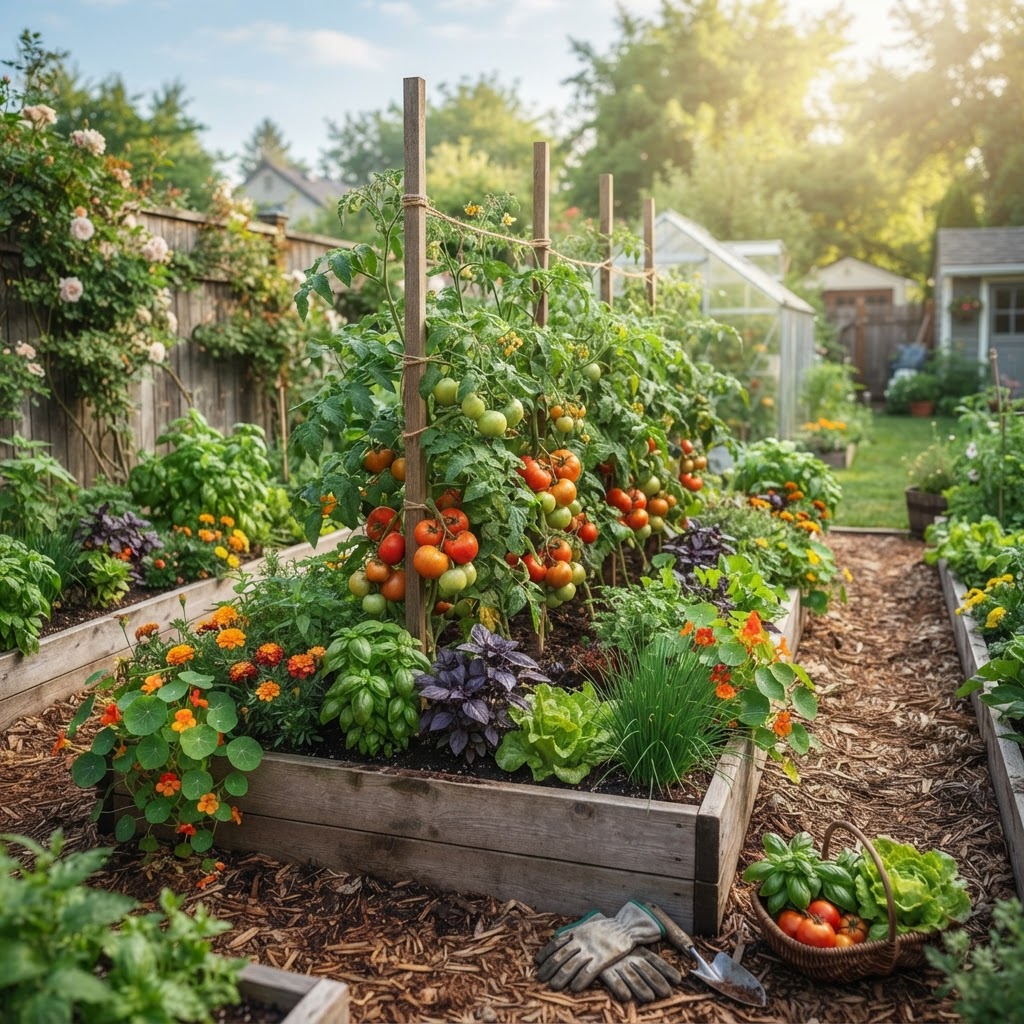
Best Companion Plants for Tomatoes: 12 Smart Pairings for a Healthier Garden
Tomatoes are one of the most popular crops for home gardeners, but they also attract plenty of problems, from hungry pests to disease pressure and crowded beds. The good news is that choosing the right plant neighbors can make your tomato patch easier to manage and more productive.
If you have been wondering about the best companion plants for tomatoes, this guide will walk you through what works, what to avoid, and how to set everything up in a simple, beginner-friendly way.
Why This Topic Matters
Companion planting is the practice of growing certain plants close together so they support each other in useful ways. In a tomato bed, that support can mean attracting pollinators, bringing in beneficial insects, shading the soil, or making better use of limited garden space.
For beginners, companion planting can also make the garden feel more balanced. Instead of growing a single crop in a bare row, you create a small plant community that is more resilient and often easier to care for.
It is important to keep expectations realistic, though. Companion plants will not make tomatoes pest-proof or disease-proof overnight. Good spacing, watering, pruning, and healthy soil still matter most.
Think of companion planting as a helpful extra layer. It can reduce some common tomato challenges and make your garden more diverse, attractive, and productive.
Quick Answer
The best companion plants for tomatoes are plants that either repel or distract pests, attract beneficial insects, improve space use, or help keep soil covered. Some of the most useful options include:
- Basil for easy pairing and kitchen use
- Marigolds for adding color and attracting helpful insects
- Nasturtiums to draw aphids away from tomatoes
- Borage to attract pollinators
- Chives, onions, and garlic for their strong scent and compact growth
- Lettuce and spinach as low-growing plants that help shade soil
- Carrots and beets for using root space below tomatoes
- Parsley and cilantro for beneficial insect support
A few plants are usually poor companions for tomatoes, including:
- Fennel, which often struggles to share space with many vegetables
- Corn, because it can attract overlapping pests
- Potatoes, since they share diseases with tomatoes
- Large brassicas like cabbage or broccoli if space is tight, because they can compete heavily for nutrients and room
If you want a simple starting point, plant tomatoes with basil, marigolds, and a low-growing crop like lettuce. That combination is easy for beginners and works well in many garden beds.
Step-by-Step Guide
1. Start with healthy tomato spacing
Before choosing companion plants, make sure your tomatoes have enough room. Crowded tomatoes stay wet longer, get less airflow, and are more likely to develop disease.
Most tomato plants need at least 18 to 24 inches between plants, and larger indeterminate varieties often do better with even more. If you fill every gap with companions, you can accidentally create the very problems you were trying to avoid.
A good rule is to treat the tomato as the main crop and let companion plants fill the edges, the front of the bed, or spaces between widely spaced plants.
2. Choose companion plants by purpose
Not every companion plant does the same job. It helps to decide what problem you are trying to solve first.
Here are four helpful categories:
Pest management companions
These plants may help confuse pests, attract predator insects, or act as a distraction crop.
- Marigolds: A classic choice for mixed beds. They bring in pollinators and beneficial insects, and they fit nicely around bed edges.
- Nasturtiums: Often used as a trap crop because aphids are attracted to them. They also sprawl nicely around tomato plants.
- Chives, onions, and garlic: Their strong scent may help mask the smell of tomatoes from some pests.
Pollinator and beneficial insect attractors
Tomatoes are self-pollinating, but gardens still benefit from more insect activity. Flowers and herbs can bring in bees, hoverflies, lacewings, and parasitic wasps.
- Borage: Excellent for attracting pollinators and adding flowers to the tomato patch.
- Parsley: When allowed to flower later, it can support beneficial insects.
- Cilantro: Another useful herb for insect diversity, especially once it bolts and blooms.
- Dill: Young dill can be helpful for beneficial insects, but mature dill can get tall and may compete if planted too close.
Soil-covering, space-saving companions
These companions grow low and help keep bare soil shaded.
- Lettuce: Works well in spring or early summer while tomatoes are still small.
- Spinach: Similar to lettuce, especially useful early in the season.
- Arugula: Fast-growing and low, making it a good temporary companion.
Root-zone companions
Some crops use underground space without strongly interfering with the tomato canopy.
- Carrots: Good for tucking into open spaces if the soil is loose.
- Beets: Useful if spaced carefully and not packed too tightly.
- Radishes: Quick to harvest before tomatoes take over.
3. Match companions to your garden size
A large in-ground bed can handle a mix of flowers, herbs, and greens. A small raised bed needs a lighter touch.
If space is limited, pick one companion from each useful role instead of trying to plant everything. For example:
- One flower: marigold or nasturtium
- One herb: basil or chives
- One low grower: lettuce or spinach
In containers, choose the most compact companions. Basil, chives, or a small marigold at the edge of a large tomato container can work better than sprawling plants that compete for water.
4. Plant the easiest tomato companions first
If you are new to companion planting, start with the combinations that are hardest to mess up.
Basil with tomatoes
Basil is probably the easiest and most popular tomato companion. It likes similar warm conditions, stays fairly compact, and is useful in the kitchen.
Plant basil near the edge of the tomato's root zone rather than directly under the stem. Give both plants enough light and avoid letting the tomato shade basil completely.
Marigolds around the bed
Marigolds are a simple way to add diversity without crowding the main crop. Plant them along the outside edge of the bed or between widely spaced tomatoes.
Choose shorter varieties if you want a neat border. Taller marigolds can also work, but they should not block airflow.
Lettuce in front of tomatoes
Lettuce is ideal for using the space at the front of a tomato row while the tomatoes are still growing up. By the time summer heat arrives and the tomato canopy expands, you may already be harvesting the lettuce.
This is one of the easiest ways to make a small garden more productive.
5. Use succession timing to your advantage
One of the smartest companion planting tricks is timing. Tomatoes grow slowly at first, then quickly become large and dominant.
Take advantage of that early-season gap by planting fast crops nearby. Good choices include:
- Lettuce
- Spinach
- Radishes
- Arugula
- Cilantro
These crops can be harvested before tomatoes need the extra room. That means less competition and better use of your bed.
6. Watch, adjust, and keep notes
Companion planting is not one perfect formula. Climate, pests, soil, and spacing all change the outcome.
Pay attention to what actually happens in your garden. Did basil thrive under your tomatoes, or did it get too shaded? Did nasturtiums attract aphids away from tomatoes, or did they become too crowded?
Keep a few notes on:
- Which companions stayed healthy
- Which ones attracted bees or beneficial insects
- Which plants seemed to compete for space or water
- What you would move next season
Over time, your best tomato companions will become the ones that work well in your specific garden.
Common Beginner Mistakes
One of the biggest mistakes is planting too densely. It is easy to get excited and tuck herbs, flowers, and greens into every inch, but tomatoes need airflow and room to grow.
Another common mistake is choosing companions without thinking about mature size. A tiny dill seedling looks harmless, but a mature dill plant can become surprisingly large and cast shade where you do not want it.
Beginners also sometimes expect companion planting to solve major pest or disease problems on its own. If tomatoes are stressed from poor watering, weak soil, or overcrowding, companions will not fully fix that.
Watch out for poor pairings as well. Growing tomatoes close to potatoes can increase shared disease risk, and planting near corn may invite overlapping pest issues in some gardens.
Finally, do not forget that companion plants need care too. A dry, neglected basil plant or an overgrown marigold patch will not help much. Every plant in the bed still needs proper watering, pruning, and occasional thinning.
Best Tips for Success
Start simple. You do not need a complicated companion planting chart to get good results. A few well-chosen plants often work better than a crowded mix.
Use flowers on the bed edges and low growers at the front. This keeps the tomato roots and stems less crowded while still giving you the benefits of diversity.
Stick with warm-season companions near mature tomatoes. Cool-season greens are great early, but many will fade once heat builds. Plan for that transition instead of forcing them to stay all summer.
Mulch after planting. Straw, shredded leaves, or another light organic mulch can work alongside companion plants to hold moisture and reduce soil splash.
Water at the base of the plants. This matters even more in mixed plantings, where thick foliage can hold moisture on leaves if you water overhead.
If you are unsure what to try first, use this beginner-friendly tomato companion combo:
- 1 tomato plant
- 1 basil plant nearby
- 2 to 3 marigolds around the outer edge
- A short row of lettuce in front
That setup is tidy, practical, and easy to manage.
Recommended Supplies or Tools
You do not need special equipment for companion planting, but a few basic tools make the job easier.
- Tomato cage, stake, or trellis: Keeps tomato plants upright and improves airflow
- Hand trowel: Useful for adding small herbs and flowers around established tomatoes
- Garden markers: Helpful when mixing quick crops like radishes or lettuce into the same bed
- Mulch: Straw or shredded leaves help conserve moisture and reduce weed growth
- Watering wand or drip irrigation: Makes it easier to water the root zone without wetting foliage too much
- Pruners: Useful for removing lower tomato leaves and keeping companion plants trimmed
- Compost: Supports steady growth in a mixed planting bed
If you garden in containers, choose a large pot for each tomato plant. Add only one or two compact companions so the container does not dry out too fast.
Frequently Asked Questions
What is the single best companion plant for tomatoes?
If you want one easy choice, start with basil. It grows well in similar conditions, does not take up too much space, and is easy for beginners to manage.
Can I plant marigolds right next to tomatoes?
Yes, but give both plants enough room. It is often best to place marigolds near the edge of the bed or a little away from the tomato stem so roots and foliage are not overcrowded.
Are peppers good companion plants for tomatoes?
They can grow together because they like similar conditions, but they are not always the best companions in a small space. Since both are heavy feeders and part of the same plant family, they may compete more than herbs or flowers would.
What should not be planted near tomatoes?
Avoid planting tomatoes close to fennel, potatoes, and sometimes corn. Large brassicas can also be awkward neighbors in small beds because they compete for room and nutrients.
Can I use companion plants in tomato containers?
Yes, but keep it simple. Choose compact companions like basil, chives, or a small marigold, and use a container large enough that the tomato remains the main plant.
Final Thoughts
The best companion plants for tomatoes are the ones that support your tomatoes without crowding them. For most home gardeners, that means combining a few reliable choices like basil, marigolds, lettuce, nasturtiums, or chives with good spacing and steady care.
Start small, observe what works, and adjust from season to season. With a thoughtful mix of plants, your tomato bed can be healthier, more productive, and a lot more enjoyable to grow.