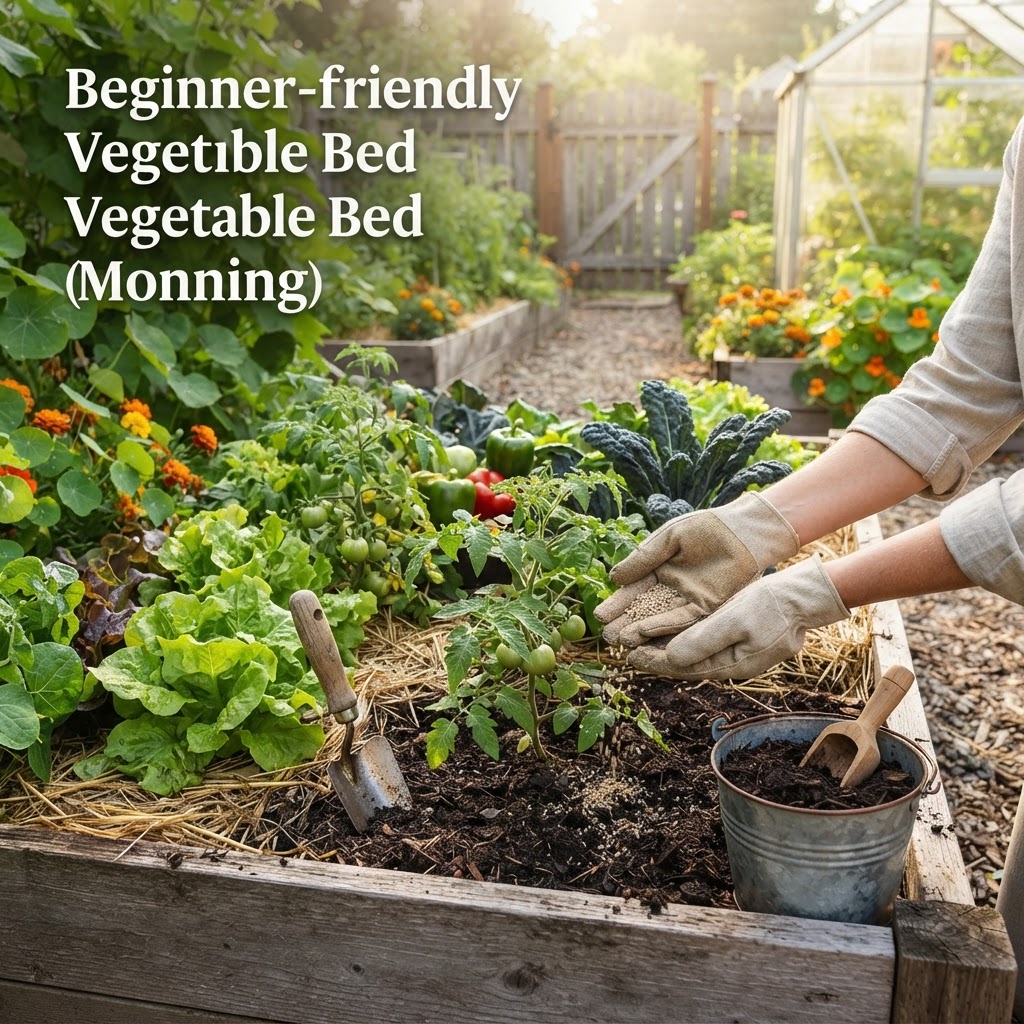
Best Fertilizer for Raised Bed Gardens: A Beginner-Friendly Guide
If you are wondering about the best fertilizer for raised bed gardens, the good news is that you do not need anything complicated to grow healthy vegetables. Most raised beds do best with a simple combination of rich compost and a balanced organic fertilizer used at the right time.
The tricky part is knowing what to add, how much to use, and when your plants actually need feeding. This guide breaks it down step by step so you can avoid guesswork and build fertile raised beds that support strong, productive plants.
Why This Topic Matters
Raised beds make home gardening easier, but they also behave a little differently from in-ground gardens. Because the soil is contained and often loose, fluffy, and quick-draining, nutrients can get used up faster.
That matters because vegetables are hungry plants. Leafy greens need nitrogen for fast growth, root crops need steady nutrition without too much excess, and fruiting plants like tomatoes, peppers, and squash need enough phosphorus and potassium to flower and produce well.
Many beginners either underfeed or overfeed their raised beds. Underfeeding can lead to pale leaves, slow growth, and disappointing harvests. Overfeeding can cause weak, overly leafy plants, salt buildup, and wasted money.
A good fertilizer plan helps you:
- build healthy soil over time
- support steady plant growth
- improve harvest size and quality
- reduce nutrient problems during the season
- avoid unnecessary products and confusion
The best approach is not about finding one magical bag of fertilizer. It is about using the right type of fertilizer as part of a simple soil-building routine.
Quick Answer
The best fertilizer for raised bed gardens is usually a mix of compost and a balanced slow-release organic fertilizer.
For most beginner vegetable gardens, this means:
- adding 1 to 2 inches of compost to the bed before planting
- mixing in a balanced organic granular fertilizer, such as 4-4-4, 5-5-5, or 3-4-4
- side-dressing heavy feeders during the season if needed
- using a gentle liquid fertilizer only when plants need a quick boost
If you want a simple rule, use this:
- Feed the soil first with compost.
- Add a balanced fertilizer at planting time.
- Give extra nutrients only to crops that need it.
For many home gardeners, compost alone works for low-demand crops in already healthy soil. But if you are growing tomatoes, peppers, cucumbers, broccoli, cabbage, squash, or corn, a balanced fertilizer usually gives better results.
Organic fertilizers are especially helpful in raised beds because they release nutrients more gradually and also support soil life. Common beginner-friendly options include:
- composted manure
- all-purpose organic granular fertilizer
- worm castings
- fish emulsion
- kelp fertilizer
- alfalfa meal or feather meal in blends
The “best” fertilizer depends on your crops, your soil, and the age of your raised bed. Brand matters less than choosing the right type and using it consistently.
Step-by-Step Guide
1. Start with the condition of your soil
Before you buy fertilizer, think about what is already in your raised bed. A newly filled bed often contains a mix of compost, topsoil, and other organic matter, but it may not stay nutrient-rich forever.
Beds that have grown vegetables for a season or two usually need nutrients added back. Every harvest removes fertility, and regular watering can slowly wash nutrients deeper into the soil.
If you want the most accurate answer, do a simple soil test. It can tell you if your bed is low in nitrogen, phosphorus, potassium, or pH balance.
2. Add compost before each planting season
Compost is the foundation of good raised bed fertility. It improves soil structure, helps the bed hold moisture, feeds beneficial microbes, and adds a gentle range of nutrients.
Spread 1 to 2 inches of finished compost over the top of the bed and mix it into the top few inches of soil before planting. If your bed is already full and you want to avoid disturbing roots, you can also use compost as a top dressing.
Good compost sources include:
- homemade compost
- bagged compost
- well-aged composted manure
- leaf compost
- worm castings, mixed with other compost sources
Compost is not always enough by itself for heavy-feeding vegetables, but it is the best place to start.
3. Choose a balanced all-purpose fertilizer
For most raised bed gardeners, a balanced granular fertilizer is the easiest and most reliable option. Look for an organic all-purpose blend with an NPK close to 4-4-4, 5-5-5, or 3-4-4.
These numbers represent:
- N = nitrogen for leafy growth
- P = phosphorus for roots, flowers, and fruiting
- K = potassium for overall plant strength and resilience
A balanced fertilizer works well for mixed raised beds because it supports a wide range of vegetables without pushing too much leafy growth.
Follow the package directions for your bed size. More is not better, especially in small spaces.
4. Match extra feeding to the crop
Not all vegetables eat the same way. Some grow happily in moderately fertile soil, while others need more support as the season goes on.
Here is a simple way to think about it:
Light feeders
These usually need compost and maybe a light application of balanced fertilizer:
- beans n- peas
- herbs
- radishes
- many root crops
Moderate feeders
These do well with compost plus balanced fertilizer at planting:
- lettuce
- spinach
- carrots
- beets
- onions
Heavy feeders
These often benefit from mid-season feeding:
- tomatoes
- peppers
- cucumbers
- zucchini
- squash
- broccoli
- cabbage
- cauliflower
- corn
For heavy feeders, add your balanced fertilizer at planting and then side-dress with compost or more granular fertilizer later in the season according to label directions.
5. Know when to fertilize
Timing matters just as much as product choice. If you fertilize too early, nutrients may be lost before plants can use them. If you wait too long, plants may stall.
A simple schedule for raised beds looks like this:
- Before planting: Add compost and granular fertilizer.
- At transplanting: Mix a small amount of fertilizer into the soil if needed.
- Mid-season: Side-dress heavy feeders when they begin vigorous growth, flowering, or fruiting.
- During long seasons: Reapply gentle feeding if plants show signs of nutrient demand.
Leafy greens often benefit from a light feeding after the first harvest if you are growing them as cut-and-come-again crops. Fruiting plants often need the most attention once they are setting blossoms and fruit.
6. Use liquid fertilizers as a supplement, not your whole plan
Liquid fertilizers can be helpful, but they are not usually the best main fertilizer for raised beds. They work quickly, which makes them useful when plants need a fast boost.
Good options include:
- fish emulsion
- seaweed or kelp fertilizer
- compost tea, if made safely and properly
These are useful when:
- seedlings look pale
- plants are recovering from stress
- fast-growing crops need a gentle boost
- you want to feed without digging into the soil
Use them as a supplement to compost and granular fertilizer, not a replacement for healthy bed preparation.
7. Watch your plants for clues
Your vegetables will often tell you how they are doing. Healthy plants usually have steady growth, good leaf color, and normal flowering for their crop.
Possible signs your raised bed may need fertilizer include:
- pale green or yellowing older leaves
- slow growth despite regular watering
- poor fruit set
- very small leaves
- weak stems
But do not assume every problem is caused by low nutrients. Overwatering, cold soil, pests, crowded spacing, or disease can look similar.
8. Rebuild fertility every season
The best long-term fertilizer strategy is to improve the soil a little every year. Raised beds are productive because they start rich, but they stay productive because gardeners replace what crops use.
Each season, plan to add:
- compost
- a balanced organic fertilizer if needed
- mulch to protect soil life and moisture
- crop rotation when possible
Over time, your raised bed soil usually becomes easier to manage, more biologically active, and better at holding nutrients naturally.
Common Beginner Mistakes
Using too much fertilizer
This is one of the most common problems in raised beds. Because the space is small, it is easy to overapply fertilizer and create nutrient imbalance or salt buildup.
Always measure products instead of guessing. Follow label rates for square footage, not just for individual plants.
Relying only on one quick-fix product
A bottle of liquid fertilizer may seem simple, but raised beds need long-term fertility too. Fast-acting products can help in the moment, but they do not replace compost and soil-building.
Skipping compost
Even the best fertilizer cannot do everything compost does. Compost helps with soil texture, water retention, microbial activity, and slow nutrient release.
If you skip compost year after year, your raised bed may become less resilient and harder to manage.
Feeding every crop the same way
Tomatoes and radishes do not have the same needs. Applying heavy fertilizer to everything can lead to lots of leaves and fewer roots or fruits.
It helps to group crops by feeding needs when planning your beds.
Fertilizing dry soil
Applying fertilizer to very dry soil can stress roots, especially with stronger products. Water the bed first if the soil is dry, then fertilize, then water again as needed.
Ignoring pH and soil testing
Sometimes plants struggle even when nutrients are present. If pH is off, roots may not be able to absorb those nutrients well.
A basic soil test every so often can prevent a lot of frustration.
Best Tips for Success
Build your routine around compost
If you only remember one thing, remember this: healthy raised beds begin with compost. It is the most beginner-friendly way to improve fertility and soil quality at the same time.
Choose one all-purpose fertilizer and learn how it works
You do not need a shelf full of specialty products. One good organic granular fertilizer is often enough for most crops, especially when paired with compost.
Learning when and how to use one product well is better than buying five products and feeling unsure.
Mulch after feeding
A layer of mulch helps hold moisture, protect soil life, and reduce nutrient loss from sun and heavy rain. Straw, shredded leaves, or untreated grass clippings can work well depending on your garden.
Feed heavy feeders in stages
Large fruiting crops usually perform better when feeding is spread out. A base application at planting plus a mid-season side-dressing is often more effective than one heavy application all at once.
Keep notes each season
Write down what you added to each bed, what you planted, and how the crops performed. This makes it much easier to fine-tune your fertilizer plan from year to year.
Rotate crops when possible
If tomatoes or brassicas grow in the same spot every year, they can quickly drain the same nutrients. Rotation helps spread nutrient demand and can reduce pest and disease issues too.
Recommended Supplies or Tools
You do not need expensive equipment to fertilize raised beds well. A few simple tools can make the job easier and more accurate.
Helpful supplies include:
- finished compost
- balanced organic granular fertilizer
- worm castings for seedlings or transplants
- a watering can or hose with gentle spray
- a hand trowel or garden fork for mixing amendments
- mulch such as straw or shredded leaves
- measuring scoop or cup for consistent application
- soil test kit or lab soil test for troubleshooting
- gardening gloves
- notebook or garden journal
If you want to keep things especially simple, start with just three basics:
- compost
- one balanced organic fertilizer
- mulch
That simple combination is enough for many productive raised bed gardens.
Frequently Asked Questions
Is compost alone enough for raised bed vegetables?
Sometimes, yes. If your soil is already rich and you are growing light or moderate feeders like lettuce, beans, radishes, or herbs, compost may be enough for the season.
For heavy feeders like tomatoes, squash, cabbage, and corn, adding a balanced fertilizer usually leads to stronger growth and better harvests.
How often should I fertilize a raised bed garden?
Most raised beds benefit from compost and fertilizer before planting each season. Heavy-feeding crops may also need a mid-season side-dressing once they are actively growing or starting to fruit.
How often you reapply depends on the crop, your soil, weather, and the fertilizer you use. Always check label directions.
What NPK is best for raised bed gardens?
For a mixed vegetable bed, a balanced NPK like 4-4-4, 5-5-5, or 3-4-4 is a solid choice. These blends support general growth without strongly favoring only leaves or only blooms.
If a soil test shows a specific deficiency, you can adjust from there.
What is the best fertilizer for tomatoes in raised beds?
Tomatoes usually do best with compost plus a balanced organic fertilizer at planting. Once they begin flowering and setting fruit, a light side-dressing can help maintain steady production.
Avoid pushing too much nitrogen, or you may get lots of leaves and fewer tomatoes.
Can you over-fertilize a raised bed?
Yes, and it happens more often than many beginners expect. Too much fertilizer can burn roots, create salt buildup, cause weak leafy growth, and reduce yields.
Raised beds are concentrated spaces, so measured applications matter.
Final Thoughts
The best fertilizer for raised bed gardens is usually not one single product. For most beginner gardeners, the winning combination is compost for long-term soil health and a balanced organic fertilizer for dependable plant nutrition.
Start simple, pay attention to your crops, and avoid the urge to overdo it. When you feed your raised bed steadily and thoughtfully, your vegetables will reward you with healthier growth, easier care, and better harvests over time.