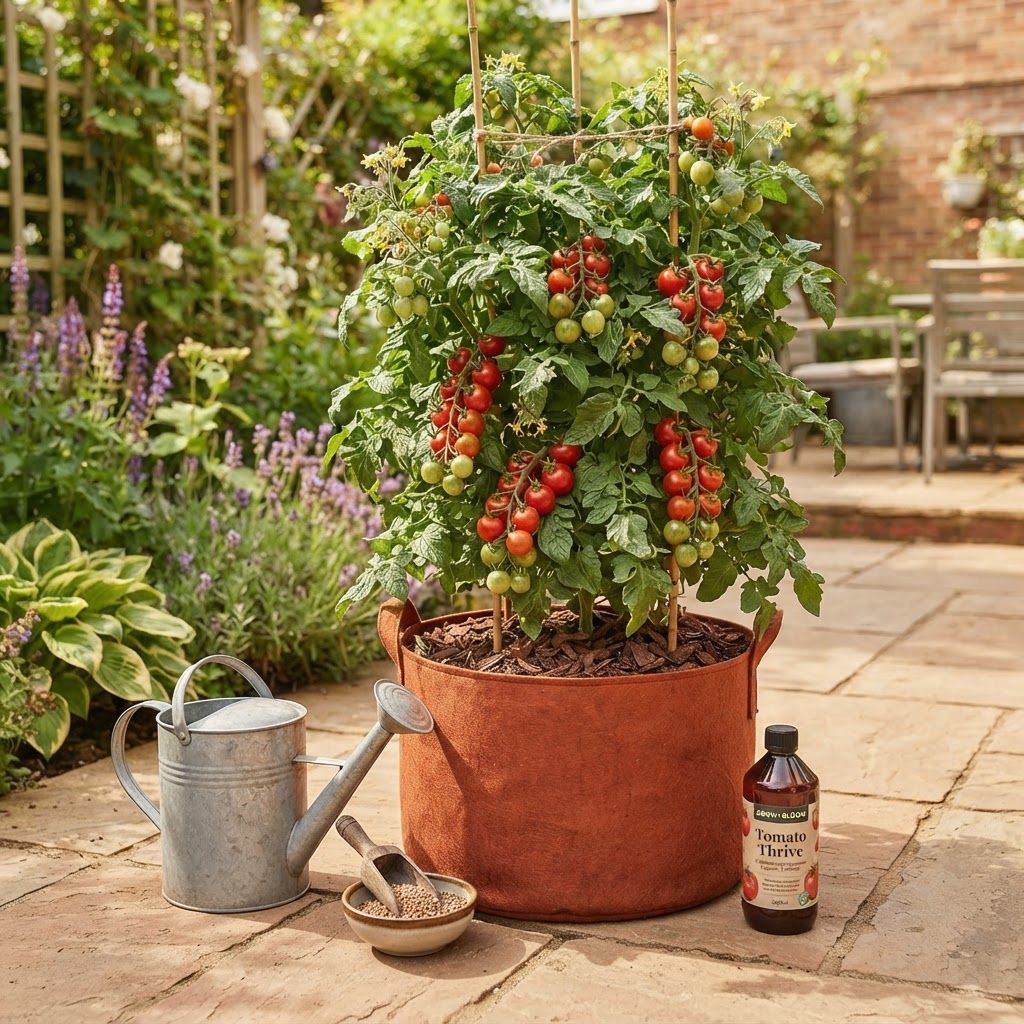
Best Fertilizer for Tomatoes in Containers: A Simple Feeding Guide for Healthy Plants
Growing tomatoes in pots is one of the easiest ways to enjoy homegrown flavor, even if you only have a patio, balcony, or sunny porch. But container tomatoes depend on you for nearly everything, and fertilizer is one of the biggest keys to strong plants and a steady harvest.
If you have ever wondered why a potted tomato looks leafy but makes few fruits, or why it starts strong and then slows down, the feeding plan is often the missing piece. The good news is that choosing the best fertilizer for tomatoes in containers does not have to be complicated.
Why This Topic Matters
Tomatoes are heavy feeders, which means they use a lot of nutrients as they grow. In a garden bed, roots can spread out and search for more nutrition, but in a container, the plant has a limited supply of soil and nutrients.
That small amount of potting mix gets used up quickly. Watering also flushes nutrients out of the pot over time, especially during hot weather when tomatoes need frequent watering.
This is why container tomatoes usually need more consistent feeding than tomatoes planted in the ground. Even a healthy-looking plant can run low on nutrients just when it starts flowering and setting fruit.
Using the right fertilizer helps with:
- Steady leafy growth early on
- Strong roots and stems
- Better flowering
- Good fruit production
- Reduced stress in hot weather
- Fewer nutrition-related problems
It also helps you avoid common issues caused by the wrong fertilizer. Too much nitrogen, for example, can give you a huge green plant with very few tomatoes. Too little feeding can leave plants pale, slow-growing, and unproductive.
For beginners, the goal is not to find a magic product. It is to use a simple fertilizer plan that matches how tomatoes grow in containers.
Quick Answer
The best fertilizer for tomatoes in containers is usually a two-part approach:
- Start with a balanced slow-release fertilizer mixed into the potting mix at planting time.
- Switch to regular liquid feeding with a tomato fertilizer that is slightly lower in nitrogen and higher in phosphorus and potassium once the plant starts flowering.
In practical terms, look for:
- A balanced fertilizer at planting, such as 4-4-4, 5-5-5, or 10-10-10 used lightly
- A liquid tomato fertilizer during flowering and fruiting, often something like 3-4-6, 4-6-8, or a similar tomato blend
- Extra attention to calcium and magnesium, especially if your plants are showing signs of deficiency
If you want the simplest beginner-friendly option, choose a good-quality organic tomato fertilizer or vegetable fertilizer labeled for containers, then follow the package directions carefully. More is not better.
A healthy feeding routine for container tomatoes usually looks like this:
- Feed lightly at planting
- Wait until the plant settles in and begins active growth
- Begin regular feeding once flower buds appear
- Continue feeding through the fruiting season
- Reduce or stop late in the season when the plant is winding down
The exact product matters less than the pattern. Consistent feeding, correct dosage, and even watering are what make the biggest difference.
Step-by-Step Guide
1. Start with the right potting mix
Before choosing fertilizer, make sure your tomato is in a high-quality potting mix rather than garden soil. Potting mix drains better, holds the right amount of moisture, and gives roots the air they need.
Many potting mixes already contain a starter fertilizer charge. If yours does, check the label so you do not double-feed right away.
A good potting setup for tomatoes includes:
- A container at least 5 gallons, though 10 gallons is even better
- Fresh potting mix
- Drainage holes
- A cage, stake, or support added early
2. Add a slow-release fertilizer at planting
At planting time, mix a balanced slow-release fertilizer into the top portion of the potting mix or use it exactly as the label directs. This gives the tomato a steady supply of nutrients as it establishes roots.
This step is helpful because young tomato plants need balanced nutrition, not just fruit-focused feeding. Early growth is about building a strong root system, healthy stems, and enough leaves to support future tomatoes.
Look for labels such as:
- Balanced vegetable fertilizer
- Tomato and vegetable fertilizer
- Slow-release organic fertilizer
NPK numbers do not have to be perfect. For beginners, a balanced ratio is a safe place to start.
3. Do not rush heavy feeding right after transplanting
A newly transplanted tomato is adjusting to a new container, new light conditions, and new watering patterns. Fertilizing too heavily at this stage can stress the plant.
If you used fresh potting mix and added slow-release fertilizer, that is often enough for the first couple of weeks. Watch for active new growth before increasing feeding.
This is especially important if the plant came from a nursery that already fertilized it recently.
4. Begin liquid feeding when flowers appear
Once your tomato starts producing flower buds, it is time to begin regular liquid feeding. This is when the plant shifts from mostly vegetative growth to flowering and fruit production.
A liquid fertilizer works well in containers because nutrients become available quickly and can be applied in smaller, more controlled doses. Many gardeners feed every 1 to 2 weeks, depending on the product and the size of the plant.
Choose a fertilizer labeled for tomatoes, fruiting vegetables, or container vegetables. These often have a slightly lower nitrogen level and somewhat higher phosphorus and potassium to support flowering and fruiting.
5. Follow the label, but start gently
Container plants are easy to overfertilize. Salts can build up in the potting mix, and roots can burn if the fertilizer is too strong.
A good beginner strategy is to start at the low end of the recommended rate, especially with liquid fertilizer. If the plant responds well and keeps growing steadily, you can continue on that schedule.
Signs your feeding level is reasonable include:
- Steady green growth
- New flowers forming regularly
- Fruits sizing up normally
- No scorched leaf edges
- No sudden wilt after feeding
If you see crispy leaf margins, unusually dark soft growth, or white crust on the soil surface, you may be overdoing it.
6. Water consistently so nutrients can work properly
Fertilizer only helps if the plant can take it up. In containers, uneven watering is one of the biggest reasons tomatoes struggle, even when the fertilizer itself is fine.
If a pot dries out completely, roots become stressed and nutrient uptake slows down. If the pot stays soggy, roots can suffocate.
Aim to keep the potting mix evenly moist. In hot weather, that may mean watering daily. Large containers dry out more slowly than small ones, which is one reason they are easier for beginners.
As a simple routine:
- Check moisture every day in summer
- Water deeply until excess drains out the bottom
- Avoid tiny shallow waterings
- Do not let the container sit in standing water for long
7. Watch the plant for nutrient clues
Tomatoes often tell you what they need if you know what to look for. Fertilizer is not just about following a calendar. It is also about observing the plant.
Here are a few common signs:
Pale leaves and slow growth
This can point to general nutrient shortage, especially nitrogen. If the plant is small, weak, and light green, it may need more regular feeding.
Huge leafy plant with few flowers
This often means too much nitrogen. The plant is putting its energy into leaves instead of fruit.
Yellowing older leaves
This can happen from normal aging, but if it spreads quickly, the plant may need more balanced feeding. It can also be caused by watering issues.
Blossom end rot
This shows up as a dark, sunken spot on the bottom of the fruit. It is linked to poor calcium movement in the plant, usually because of inconsistent watering rather than simply a lack of calcium fertilizer.
Purple-tinged leaves or poor flowering
Sometimes this points to phosphorus stress, especially in cool weather or when roots are struggling.
8. Reapply slow-release fertilizer if needed
Some slow-release fertilizers only last a few weeks, while others last a few months. Check the package so you know when the nutrients begin to run out.
For a long tomato season, you may need to top-dress the container with more slow-release fertilizer while also continuing liquid feeding. Do this lightly and according to label directions.
Too many products layered together can cause more problems than they solve, so keep your plan simple.
9. Support fruiting plants with steady nutrition
Once your tomato is loaded with fruits, keep feeding on schedule. This is when nutrient demand is high, especially for indeterminate varieties that keep growing and producing over a long season.
Do not stop feeding just because you see green tomatoes forming. The plant still needs fuel to size up fruit, maintain leaves, and keep producing new blossoms.
A practical fruiting-season routine might look like this:
- Water deeply when the top inch of mix begins to dry.
- Feed with liquid tomato fertilizer every 7 to 14 days.
- Remove yellowing lower leaves as needed.
- Check for pests and signs of stress weekly.
- Harvest ripe tomatoes often to encourage continued production.
10. Flush the soil occasionally if salt buildup appears
Synthetic and even some organic fertilizers can leave salts behind in container soil. Over time, that buildup can interfere with root health.
If you notice a white crust on the soil or around the rim of the pot, flush the container by watering thoroughly until plenty of water drains out. This helps wash excess salts from the potting mix.
Do this occasionally during the season, especially if you fertilize often.
Common Beginner Mistakes
Using too much nitrogen
This is one of the most common tomato fertilizer mistakes. High-nitrogen fertilizers can make plants look impressive at first, but they often delay flowering and reduce fruit production.
If your tomato is tall, lush, and leafy but not making many tomatoes, look at the fertilizer label first.
Feeding too often because the plant looks hungry
Yellow leaves do not always mean more fertilizer is needed. Problems with watering, root stress, heat, or disease can look similar.
Before adding more fertilizer, check the soil moisture, inspect the plant closely, and review how often you have already been feeding.
Relying on compost alone in containers
Compost is wonderful for soil health, but container tomatoes usually need more concentrated nutrition than compost alone can provide for a full season. It is best used as part of the mix, not the only feeding source.
Choosing a container that is too small
A tiny pot dries out fast and runs out of nutrients quickly. This makes fertilizer problems much more likely.
Bigger containers give roots more room, hold moisture longer, and make feeding easier to manage.
Ignoring package directions
Fertilizer labels matter. Different products have different strengths, and using one scoop of every product the same way can lead to root burn.
When in doubt, use less, not more.
Forgetting that watering and fertilizer work together
A perfect fertilizer cannot fix erratic watering. Many nutrient issues in tomatoes are really moisture issues in disguise.
Best Tips for Success
- Choose a large container. Bigger pots create a more stable root environment.
- Use fresh potting mix each season. Old mix may be depleted or compacted.
- Start balanced, then feed for fruiting. This simple shift matches the plant’s needs.
- Feed regularly, not heavily. Small, steady doses work best in containers.
- Water deeply and evenly. This prevents many common tomato problems.
- Mulch the top of the container. A thin layer of straw or shredded leaves can help reduce moisture swings.
- Keep notes. Write down what fertilizer you used and how often. It makes next season much easier.
If you only remember one thing, remember this: the best fertilizer for tomatoes in containers is the one used consistently and correctly, not the strongest one on the shelf.
Recommended Supplies or Tools
You do not need fancy equipment to grow great container tomatoes. A few basic supplies make the job much easier.
- Large container, 5 to 10 gallons or more
- Quality potting mix for vegetables or containers
- Balanced slow-release fertilizer
- Liquid tomato fertilizer
- Watering can or hose with a gentle nozzle
- Tomato cage, stake, or trellis
- Mulch for the top of the pot
- Small scoop or measuring spoon for fertilizer
- Garden notebook or phone notes for tracking feeding dates
If you want to keep things very simple, buy one slow-release fertilizer and one liquid tomato fertilizer, then follow a basic schedule all season.
Frequently Asked Questions
What NPK is best for tomatoes in containers?
A balanced fertilizer such as 4-4-4 or 5-5-5 is a good choice at planting time. Once tomatoes begin flowering, many gardeners switch to a fertilizer with slightly less nitrogen and relatively more phosphorus and potassium, such as 3-4-6 or 4-6-8.
The exact numbers matter less than avoiding very high nitrogen and feeding consistently.
Is Miracle-Gro good for tomatoes in pots?
Many water-soluble fertilizers, including general-purpose ones, can work for tomatoes in containers if used correctly. The main thing is to avoid overfeeding and to make sure the product is appropriate for fruiting plants.
A tomato-specific formula may be easier for beginners because it is designed with flowering and fruiting in mind.
How often should I fertilize container tomatoes?
It depends on the product. Slow-release fertilizers may last weeks or months, while liquid fertilizers are often applied every 1 to 2 weeks.
Always read the label, then adjust based on how your plant is growing. In warm weather, fast-growing tomatoes in containers usually need more regular feeding than in-ground plants.
Can I use Epsom salt for tomato plants?
Epsom salt provides magnesium, not a complete fertilizer. It can help only if your plant actually has a magnesium deficiency.
Using it routinely without a reason is not necessary and will not replace a balanced tomato feeding plan.
What is the best organic fertilizer for tomatoes in containers?
A good organic tomato fertilizer or balanced vegetable fertilizer with slow-release ingredients is a great option. Look for products that provide steady nutrition and are labeled for vegetables or tomatoes.
Many organic gardeners also pair granular organic fertilizer with liquid fish, seaweed, or tomato feed during the fruiting stage.
Final Thoughts
The best fertilizer for tomatoes in containers is not about chasing the perfect brand. It is about giving your plant the right nutrients at the right time in a container setup that supports healthy roots.
Start with a balanced slow-release fertilizer, switch to regular liquid feeding when flowers appear, and keep watering consistent. With that simple routine, even beginners can grow productive, healthy tomato plants and enjoy a long harvest from just a few pots.