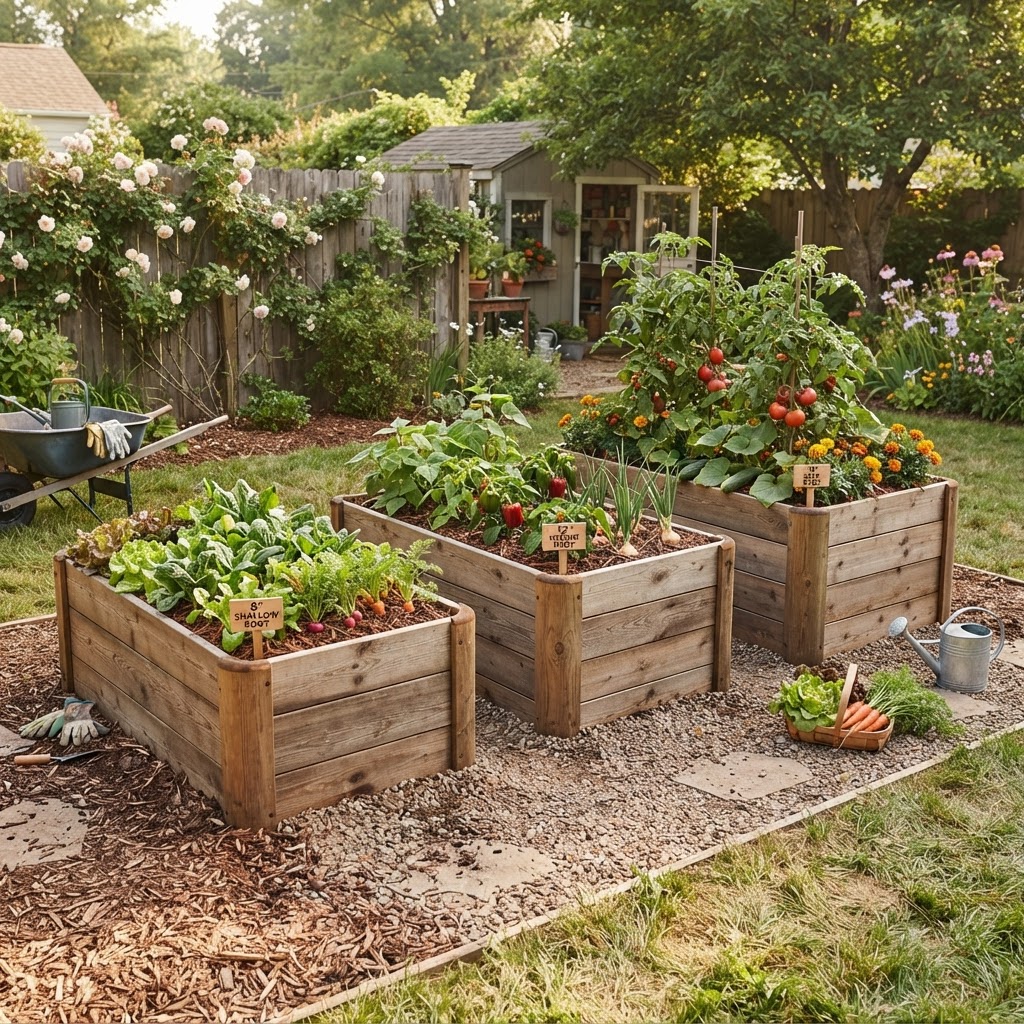
Best Raised Bed Depth for Growing Vegetables: A Beginner-Friendly Guide
If you are planning a raised bed garden, one of the first questions you may ask is how deep the bed really needs to be. The good news is that you do not need to guess. Choosing the right raised bed depth can make gardening easier, help roots grow well, and improve your harvest.
Many beginners worry they need very deep beds for every crop, but that is not always true. In this guide, you will learn the best raised bed depth for growing vegetables, which crops need more room, and how to build a bed that works well for your space and budget.
Why This Topic Matters
Raised bed depth affects more than just how your garden looks. It directly impacts root development, water retention, drainage, soil temperature, and even how often you will need to water.
If a bed is too shallow, some vegetables may struggle to establish strong roots. Plants can become stressed during hot weather, dry out faster, and produce smaller harvests. Root crops may also grow misshapen if they do not have enough loose soil below them.
On the other hand, a bed that is deeper than necessary may cost more to build and fill. For beginners, that extra expense can be frustrating, especially when many common vegetables grow very well in moderate-depth beds.
The goal is to match the bed depth to what you want to grow. When you get this part right, your raised bed is easier to manage and more productive from the start.
Quick Answer
For most home vegetable gardens, 10 to 12 inches deep is a great all-purpose raised bed depth. This works well for many popular crops, including lettuce, spinach, kale, bush beans, radishes, peppers, and even many herbs.
If you want more flexibility, 12 to 18 inches deep is even better. This depth gives larger vegetables and root crops more room, holds moisture longer, and makes soil improvement easier.
Here is a simple beginner-friendly guide:
- 6 to 8 inches: okay for shallow-rooted greens if there is good soil underneath
- 10 to 12 inches: best minimum depth for most vegetables
- 12 to 18 inches: ideal for a wide range of vegetables, including carrots, beets, peppers, cucumbers, and tomatoes
- 18 to 24 inches: helpful for deep-rooted crops, poor native soil, or gardeners who want easier access without bending as much
If your raised bed sits directly on the ground, roots can often grow deeper into the native soil below. That means a 10- to 12-inch bed may support more crops than you expect, especially if the soil underneath is loose and not compacted.
Step-by-Step Guide
1. Start by deciding what you want to grow
The best raised bed depth depends on your crop list. Some vegetables have relatively shallow roots, while others need more depth for healthy growth.
Here is a simple breakdown:
Shallow-rooted vegetables often do well in 6 to 10 inches:
- Lettuce
- Spinach
- Arugula
- Bok choy
- Green onions
- Basil
- Cilantro
Medium-rooted vegetables usually prefer 10 to 12 inches or more:
- Bush beans
- Kale
- Swiss chard
- Peppers
- Broccoli
- Cabbage
- Radishes
Deeper-rooted vegetables do best in 12 to 18 inches or more:
- Tomatoes
- Carrots
- Beets
- Parsnips
- Cucumbers
- Summer squash
- Eggplant
If you want one bed for a mix of crops, 12 inches is a very practical choice. It gives you room to grow both leafy vegetables and many fruiting crops without making the project too expensive.
2. Check what is under the raised bed
A raised bed placed on top of existing ground works differently from a raised bed with a solid bottom. If your bed is open to the soil below, plant roots may reach deeper than the bed itself.
That means:
- A 10-inch bed over healthy garden soil can support many crops well
- A 10-inch bed over compacted clay may not perform as well
- A bed on concrete, a patio, or another hard surface needs more depth because roots cannot extend downward
If you are building on poor soil, remove weeds and loosen the ground before filling the bed. Even a few inches of improved subsoil can make a big difference.
3. Choose a depth based on your garden goals
Think about what matters most to you: cost, crop variety, ease of maintenance, or accessibility.
Choose 10 to 12 inches if:
- You want an affordable all-purpose bed
- You are growing a mix of greens and common vegetables
- Your bed is open to soil below
- You want a simple beginner setup
Choose 12 to 18 inches if:
- You want to grow a wider range of vegetables
- Your native soil is poor or compacted
- You want better moisture retention
- You plan to grow root vegetables often
Choose 18 inches or more if:
- You are gardening on a hard surface
- You want a more accessible bed height
- You have severe drainage or soil quality problems
- You do not mind the extra cost of filling the bed
For many home gardeners, the sweet spot is around 12 inches deep. It is practical, productive, and easier on the budget than very tall beds.
4. Match bed depth to vegetable groups
If you like planning ahead, it helps to assign beds based on crop type.
Bed depth ideas by crop group:
- 8 inches: salad greens, herbs, baby greens
- 10 to 12 inches: mixed vegetables, bush beans, peppers, kale, onions
- 12 to 15 inches: carrots, beets, cucumbers, potatoes, garlic
- 15 to 18 inches: tomatoes, parsnips, larger root crops, mixed heavy feeders
This does not mean a tomato plant cannot survive in a 12-inch bed. It often can, especially if the bed sits on natural soil. These ranges simply help you create ideal conditions.
5. Consider bed width and watering too
Depth matters, but it is only one part of a successful raised bed. If a bed is very shallow, it usually dries out faster. In hot weather, shallow beds may need frequent watering.
Wider beds also hold moisture differently than narrow ones. A standard width of about 3 to 4 feet works well for most gardeners because you can reach the center without stepping on the soil.
If you are building a shallower bed, adding compost and mulch becomes even more important. These help improve water retention and reduce stress on plants.
6. Use a high-quality soil mix
Even the perfect bed depth will not fix poor soil. Raised beds perform best when filled with loose, well-draining, fertile soil.
A good basic raised bed mix often includes:
- Topsoil
- Compost
- A material that improves drainage and texture, such as coconut coir or aged leaf mold
Aim for soil that crumbles easily in your hand and drains well without drying out instantly. Avoid filling beds with heavy subsoil alone, because it can compact and limit root growth.
7. Plan for settling
Freshly filled raised beds settle over time, especially if they contain a lot of compost or fluffy organic matter. A 12-inch bed may lose a couple of inches in height after watering and a few weeks of natural settling.
To account for this, fill the bed close to the top at first. You can always add more compost later to maintain the ideal growing depth.
8. Think long term before building extra deep beds
It is tempting to build very tall beds just in case. But deeper beds need more soil, more money, and often more effort to fill.
Before choosing a 20-inch or 24-inch bed, ask yourself:
- Am I gardening over poor soil or a hard surface?
- Do I need the extra height for accessibility?
- Am I growing mostly deep-rooted crops?
- Can I afford to fill this bed properly?
If the answer to most of these is no, a moderate-depth bed is probably the better choice.
Common Beginner Mistakes
Making every bed too shallow
A very shallow bed may look tidy and cost less at first, but it can create problems later. Plants dry out faster, roots have less room, and your crop options become more limited.
If possible, avoid building beds under 10 inches deep unless you are growing mostly salad greens and herbs.
Assuming all vegetables need the same depth
Lettuce and carrots do not have the same rooting needs. Neither do basil and tomatoes.
Growing a mix of vegetables in one bed is common, but it helps to know that some crops will thrive more easily if the bed is at least 12 inches deep.
Ignoring the soil below the bed
Many gardeners focus only on the frame height. But if the bed is open at the bottom, the condition of the native soil still matters.
Hard, compacted ground can block root growth and drainage. Loosening the soil before setting up the bed gives plants a much better start.
Filling deep beds entirely with expensive bagged soil
Beginners sometimes overspend by filling large raised beds with nothing but premium bagged mix. For tall beds, that gets expensive quickly.
Instead, use a layered approach if appropriate. You can place coarse organic matter in the lower part of very deep beds, then top with high-quality growing soil. Just make sure the upper root zone has enough finished soil and compost for your crops.
Forgetting about watering needs
Shallow beds dry out faster than deep ones, especially in sunny spots or warm climates. If you choose a shallower bed, be prepared to water more often and mulch well.
Consistent moisture is especially important for crops like lettuce, carrots, and radishes.
Best Tips for Success
Aim for 12 inches if you want one simple answer
If you feel overwhelmed by all the options, 12 inches is a safe and practical depth for most beginner vegetable gardens. It offers a good balance between cost, flexibility, and plant health.
Improve the soil under the bed before filling
Even if your raised bed adds good soil on top, loosening the ground underneath can improve drainage and root access. Remove weeds, break up compaction, and mix in compost if needed.
Group crops with similar needs together
Try planting shallow-rooted greens in one area and deeper-rooted vegetables in another. This makes watering, fertilizing, and seasonal planning easier.
Add compost regularly
Raised bed soil gets used heavily, especially when you grow vegetables season after season. Add compost at least once or twice a year to keep the soil fertile and fluffy.
Mulch the surface
A layer of straw, shredded leaves, or other organic mulch helps the bed hold moisture and reduces weed pressure. This is especially helpful in beds that are 10 inches deep or less.
Do not overbuild at the beginning
It is okay to start with one or two well-sized beds instead of building a large garden all at once. A moderate-depth bed filled with healthy soil often outperforms a larger setup that strains your budget and time.
Recommended Supplies or Tools
You do not need a long shopping list to build a successful raised bed garden. A few basic tools and materials will make the job much easier.
Helpful supplies
- Raised bed frame materials such as untreated cedar or other garden-safe lumber
- High-quality topsoil
- Finished compost
- Mulch such as straw or shredded leaves
- Drip irrigation or a watering wand
- A garden fork or digging fork for loosening soil below the bed
- A rake for leveling the soil
- Measuring tape
Nice-to-have tools for beginners
- Soil moisture meter
- Wheelbarrow or garden cart
- Hand trowel
- Gloves
- Hose with adjustable nozzle
If you are buying materials online, always check dimensions carefully so your bed depth matches your plan.
Frequently Asked Questions
Is 6 inches deep enough for a raised vegetable bed?
Six inches can work for shallow-rooted greens and herbs, especially if the bed is open to good soil underneath. However, it is usually too shallow for an all-purpose vegetable bed.
Is 12 inches deep enough for tomatoes?
Yes, 12 inches is often enough for tomatoes, especially if the bed sits on natural ground and the soil below is loose. For the best results, rich soil, steady watering, and support are just as important as depth.
How deep should a raised bed be for carrots?
A raised bed that is 12 inches deep works well for most carrots. If you want to grow longer carrot varieties or your soil below is compacted, 15 inches or more gives even better results.
Do raised beds need to be deeper if placed on concrete?
Yes. If roots cannot grow into the ground below, the bed itself must provide all the rooting space. In that case, 18 inches or more is often a better choice for a wide range of vegetables.
Can a raised bed be too deep?
A raised bed can be deeper than necessary for your crops, and that usually means higher cost rather than harm to the plants. Very deep beds are useful in some situations, but for most beginners, moderate depth is more practical.
Final Thoughts
The best raised bed depth for growing vegetables depends on what you want to grow, what is under the bed, and how much you want to spend. For most beginners, 10 to 12 inches is a strong starting point, while 12 to 18 inches offers even more flexibility.
If you want the simplest recommendation, build a raised bed around 12 inches deep and fill it with rich, loose soil. That depth is enough for many favorite vegetables and gives you room to learn, experiment, and enjoy the process.
A successful raised bed garden does not need to be complicated. Start with the right depth, care for your soil, and your vegetables will have a strong foundation to grow.