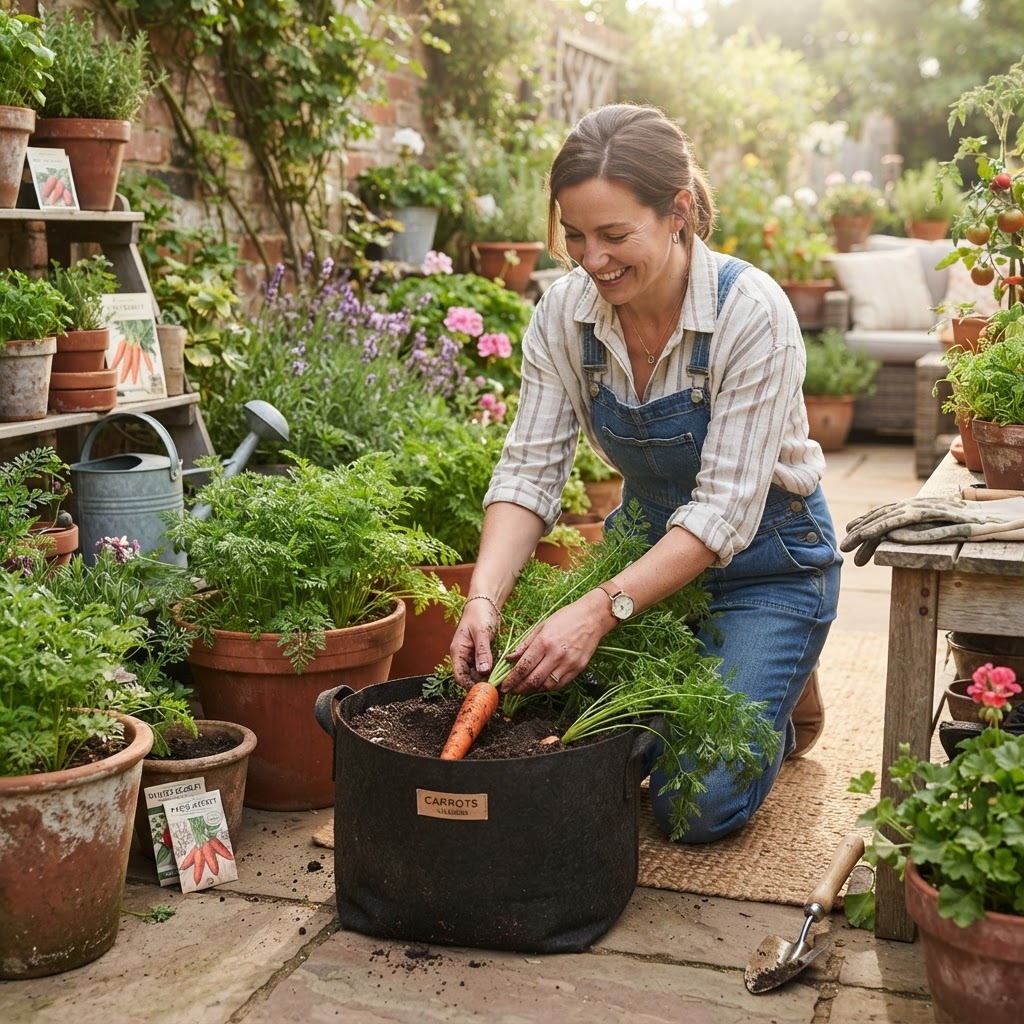
How to Grow Carrots in Containers: Easy Steps for a Healthy Home Harvest
Growing carrots in pots is one of the easiest ways to enjoy fresh, crunchy vegetables even if you have a tiny yard, balcony, patio, or sunny doorstep. With the right container, loose soil, and a little patience, you can grow straight, sweet carrots at home without needing a traditional garden bed.
Why This Topic Matters
Carrots are a favorite homegrown vegetable because they are useful in so many meals, from soups and salads to roasting pans and lunch boxes. They also store well, which makes them a practical crop for beginner gardeners.
Container growing makes carrots possible for people with limited space or poor native soil. If your garden soil is rocky, heavy clay, or full of roots, containers give you complete control over the growing mix, which is one of the biggest secrets to successful carrots.
Another reason this matters is that carrots teach great gardening habits. When you grow them in containers, you learn how to direct sow seeds, thin seedlings, water consistently, and harvest at the right time.
If you have struggled with carrots in the ground before, pots can make the process much easier. A deep container filled with light soil often produces straighter roots and cleaner harvests than an in-ground bed.
Quick Answer
To grow carrots in containers, choose a pot that is at least 10 to 12 inches deep for shorter varieties and 12 to 14 inches deep for longer ones. Fill it with loose, stone-free potting mix, sow carrot seeds directly about 1/4 inch deep, keep the soil evenly moist, and place the container in a spot with at least 6 to 8 hours of sun.
Thin seedlings so roots have room to develop, avoid high-nitrogen fertilizer, and harvest when the carrot shoulders begin to size up near the soil line. For beginners, short and round carrot varieties are often the easiest choice for container gardening.
Step-by-Step Guide
1. Choose the right container
The container matters more than many beginners realize. Carrots need enough depth for roots to grow straight, and they also need good drainage so the soil does not stay soggy.
Look for a container with drainage holes and enough depth for the variety you want to grow. As a general guide:
- Round or baby carrots: 8 to 10 inches deep
- Short or stump-rooted carrots: 10 to 12 inches deep
- Standard medium carrots: 12 to 14 inches deep
- Long storage carrots: 14 inches or more
A wider container is also helpful because it lets you grow more carrots at once. Window boxes, grow bags, buckets, rectangular planters, and deep pots all work well.
2. Pick a container-friendly carrot variety
Not all carrots perform equally well in pots. Shorter varieties usually do best because they do not need as much depth and are less likely to fork or become misshapen.
Good carrot varieties for containers include:
- Paris Market
- Little Finger
- Adelaide
- Thumbelina
- Danvers 126
- Royal Chantenay
- Napoli
If this is your first time, choose a short or baby type. These are often more forgiving and mature a bit faster.
3. Use loose, light soil
Heavy soil is one of the main reasons carrots fail. Roots struggle in compacted mixes, and that often leads to stunted, twisted, or forked carrots.
Use a high-quality potting mix rather than garden soil. A good blend for containers is:
- 2 parts potting mix
- 1 part compost
- 1 part coconut coir or peat moss if needed for lightness
- Optional: a small amount of perlite or coarse sand for extra drainage
Make sure the mix is free of rocks, sticks, and clumps. Before filling the pot, break up any compacted areas with your hands.
4. Place the container in a sunny spot
Carrots grow best with full sun, which means at least 6 to 8 hours of direct sunlight each day. In cooler seasons, more sun is usually better.
If you live in a very hot climate, especially where afternoons are intense, carrots may appreciate some light shade later in the day. This can help keep the soil from drying out too quickly.
5. Sow seeds directly into the pot
Carrots do not like to be transplanted. Direct sowing is the best way to grow them because disturbing the taproot can lead to misshapen carrots.
Here is a simple planting method:
- Moisten the potting mix before sowing.
- Make shallow rows or sprinkle seeds thinly over the surface.
- Cover seeds with about 1/4 inch of fine soil.
- Gently water so the seeds do not wash away.
- Keep the surface consistently moist until germination.
Carrot seeds are small and sometimes slow to sprout. Depending on temperature, they often take 1 to 3 weeks to germinate.
6. Thin seedlings early
This step is easy to skip, but it makes a big difference. Crowded carrots compete for space, which leads to thin or deformed roots.
When seedlings are a couple of inches tall, thin them so the roots have room to grow. Final spacing depends on the variety, but 2 to 3 inches apart works for many types.
Instead of pulling seedlings straight up, snip extras at the soil line with scissors if you want to avoid disturbing nearby roots. It can feel wasteful, but thinning is one of the most important steps for a good harvest.
7. Water consistently
Carrots need steady moisture for even growth. If the soil swings between very dry and very wet, roots may crack or turn tough.
Check the container often, especially in warm weather. The top inch of soil should not stay bone dry for long.
A good watering routine is:
- Water gently and deeply
- Keep the soil evenly moist, not soggy
- Water more often during hot or windy weather
- Reduce watering slightly as harvest time approaches, but do not let the soil fully dry out
Containers dry faster than in-ground beds, so regular attention helps a lot.
8. Fertilize lightly
Carrots do not need heavy feeding. In fact, too much nitrogen can cause big leafy tops and small roots.
If your potting mix already contains compost, you may need very little extra fertilizer. If growth seems slow, use a balanced or low-nitrogen fertilizer at a gentle rate.
A simple approach is to feed once after thinning and again a few weeks later if needed. Always follow the label directions and avoid overdoing it.
9. Keep weeds and crusting under control
Containers usually have fewer weeds than garden beds, but small weeds can still compete with young carrot seedlings. Remove them early while they are easy to manage.
If the soil surface begins to crust, gently loosen only the very top without disturbing roots. A light layer of fine compost can also help the surface hold moisture.
10. Know when to harvest
Carrots are ready based on size more than on the calendar. Check the days to maturity on the seed packet, then begin inspecting the shoulders of the roots near the soil line.
Most carrots are ready when the top of the root looks well-sized and the color is rich. You can harvest one test carrot first to see how the rest are doing.
To harvest:
- Water the container lightly first if the soil is dry.
- Grip the greens close to the base.
- Pull gently while twisting slightly.
- If needed, loosen the soil with your hand or a small trowel.
Do not wait too long. Overmature carrots can become woody or lose some sweetness.
11. Try succession planting
If you want a longer harvest, sow a new container or a new section of the same planter every 2 to 3 weeks during the cool growing season. This keeps fresh carrots coming instead of giving you one large harvest all at once.
Succession planting is especially helpful if your family uses carrots regularly. It also gives you another chance if one sowing does not germinate well.
Common Beginner Mistakes
Using a shallow pot
A container that is too shallow is a common issue. Even short carrots need enough depth to develop properly.
If the pot is too small, roots may stop growing early or become stunted. When in doubt, go deeper.
Filling pots with heavy garden soil
Regular garden soil often compacts in containers. It can drain poorly, become hard, and prevent smooth root growth.
A fluffy potting mix is much better for carrots. Loose soil is one of the biggest keys to success.
Forgetting to thin seedlings
Many beginners feel reluctant to remove seedlings, but crowded carrots will not size up well. If seedlings are left too close together, you usually end up with lots of tiny roots.
Thinning is not optional if you want a useful harvest. It is part of the process.
Watering unevenly
Carrots prefer consistent moisture. Long dry spells followed by heavy watering can cause cracking, bitterness, or tough texture.
A simple habit of checking containers daily during warm weather can prevent most watering problems.
Choosing the wrong variety
Long carrots are harder to grow in small containers. Beginners often get better results from short, round, or half-long varieties.
The seed packet can tell you expected root length. Match that to your container depth.
Starting with transplants
Carrots should be direct sown. Transplanting usually bends or damages the taproot, which leads to forked or twisted carrots.
If you want neat, straight roots, start from seed right in the container.
Overfeeding with nitrogen
Too much fertilizer can make the leafy tops look impressive while the roots stay small. This is a frustrating mistake because the plants seem healthy at first.
Go easy on fertilizer, especially high-nitrogen products.
Best Tips for Success
- Grow shorter carrot varieties if you are new to container gardening.
- Use fresh seed, since carrot seed does not stay highly viable forever.
- Pre-moisten the potting mix before sowing to help seeds settle in evenly.
- Keep the seedbed moist during germination, because carrots are slow starters.
- Thin on time so every root has space to expand.
- Rotate containers or placement if one side gets less sun.
- Mulch lightly with fine compost in warm climates to reduce moisture loss.
- Harvest promptly once roots reach a good size and flavor.
- Grow in spring and fall when temperatures are cooler for sweeter carrots.
- Sow small batches often instead of one giant planting.
One extra tip that helps beginners: label your container. Carrot seedlings can look delicate at first, and it is surprisingly easy to forget what was planted where.
Recommended Supplies or Tools
You do not need fancy equipment to grow carrots in containers, but a few basic supplies make the job easier.
Helpful essentials
- Deep container with drainage holes
- Quality potting mix
- Compost
- Carrot seeds
- Watering can with a gentle rose or nozzle
- Plant label and marker
- Small scissors for thinning
- Hand trowel
Nice extras
- Grow bag or raised planter for larger harvests
- Fine mesh cover if pests are a problem in your area
- Moisture meter if you are still learning when to water
- Balanced organic fertilizer with low to moderate nitrogen
If you are keeping things simple, start with one deep pot, one packet of carrot seed, and a good bag of potting mix. That is enough to learn the basics and get real results.
Frequently Asked Questions
How deep does a container need to be for carrots?
For most container carrots, aim for at least 10 to 12 inches deep. If you want to grow longer varieties, choose a pot that is 12 to 14 inches deep or more.
Short or round carrots can handle slightly shallower containers, but deeper pots usually give you more flexibility and better root development.
Can I grow carrots in a 5-gallon bucket?
Yes, a 5-gallon bucket can work well as long as it has drainage holes and enough depth. Many gardeners use buckets successfully for shorter or medium-length carrot varieties.
Just be sure to fill it with loose potting mix, not heavy soil, and avoid crowding too many plants into one bucket.
How long do carrots take to grow in containers?
Most carrots take about 55 to 80 days from sowing to harvest, depending on the variety and weather. Baby carrots or small-rooted types may be ready sooner.
Always use the seed packet as your guide, then check the root shoulders near the soil surface to judge actual readiness.
Why are my container carrots short or misshapen?
The most common reasons are compacted soil, shallow containers, overcrowding, or root disturbance. Transplanting can also cause twisted roots.
Switching to a deeper pot and lighter soil mix usually improves the next crop a lot.
Do carrots need full sun in containers?
Yes, carrots usually grow best with 6 to 8 hours of direct sunlight a day. In very hot areas, some afternoon shade can help prevent stress and keep the soil from drying too fast.
Final Thoughts
If you have been wondering how to grow carrots in containers, the good news is that it is very doable for beginners. The biggest things to remember are to choose a deep enough pot, use light and loose soil, sow seeds directly, and keep moisture steady.
Start with a short carrot variety and do not worry about perfection. Even a small container can give you a satisfying harvest, and each crop teaches you more about timing, watering, and spacing.
Once you grow your first sweet, homegrown carrot and pull it from the pot with your own hands, you will see why this simple crop is such a favorite. Container carrots are a great reminder that you do not need a big garden to grow real food successfully.