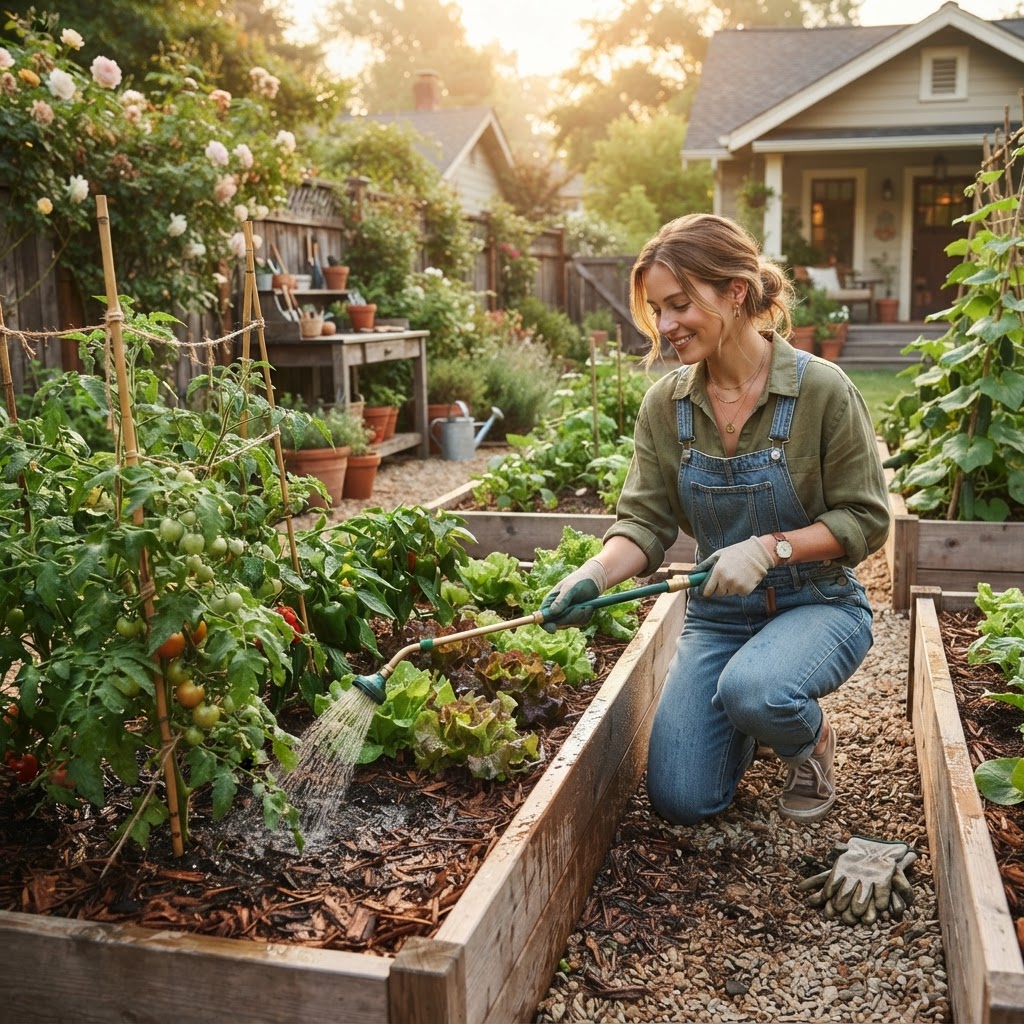
How to Water Raised Bed Gardens Correctly: A Beginner-Friendly Guide
Watering seems simple at first, but it can make the difference between stressed plants and a thriving raised bed garden. If you have ever wondered why one bed dries out fast, why leaves wilt in the afternoon, or how often you should really water, you are not alone.
The good news is that learning how to water raised bed gardens correctly is not complicated once you understand a few basics. With the right timing, method, and routine, you can keep your vegetables healthy while wasting less water.
Why This Topic Matters
Raised beds dry out differently than in-ground gardens. Because the soil sits above ground level and often has better drainage, it can lose moisture faster, especially during hot, windy, or sunny weather.
That is great for preventing soggy roots, but it also means plants may need more consistent attention. Seedlings, leafy greens, tomatoes, peppers, cucumbers, and root crops all depend on steady moisture to grow well.
Watering correctly matters because it affects much more than just whether plants look thirsty. Good watering supports:
- Strong root growth
- Better nutrient uptake
- Fewer plant diseases caused by wet foliage
- More even growth and fewer problems like cracking fruit
- Better flavor and texture in many vegetables
- Less wasted water and less runoff
Inconsistent watering can lead to common problems such as blossom end rot in tomatoes and peppers, bitter lettuce, split radishes, stunted carrots, and bolting greens. For beginners, many garden issues that seem like pest or fertilizer problems are actually moisture problems.
A good watering routine also saves time. Instead of guessing every day, you can learn what your soil feels like, watch your plants for clues, and water deeply when it is truly needed.
Quick Answer
To water raised bed gardens correctly, water deeply and slowly at the soil level whenever the top 1 to 2 inches of soil feels dry. Most raised beds need about 1 to 1.5 inches of water per week, but the real amount depends on weather, soil mix, bed size, plant type, and mulch.
The best approach is to:
- Check soil moisture before watering.
- Water early in the morning when possible.
- Aim the water at the base of plants, not the leaves.
- Water deeply enough that moisture reaches the root zone.
- Use mulch to help the soil stay evenly moist.
- Adjust your schedule during heat, wind, rain, and different plant growth stages.
If you remember one thing, let it be this: deep, consistent watering is usually better than frequent shallow sprinkling.
Step-by-Step Guide
1. Check the Soil Before You Water
Do not water on autopilot. The easiest way to tell if your raised bed needs water is to stick your finger into the soil about 1 to 2 inches deep.
If that layer feels dry, it is usually time to water. If it still feels cool and moist, wait and check again later.
For larger plants like tomatoes or squash, it also helps to check a little deeper. Their roots often need moisture farther down, not just on the surface.
2. Water Early in the Morning
Morning is usually the best time to water a raised bed garden. The soil gets hydrated before the heat of the day, and the leaves that do get splashed have time to dry.
This lowers the risk of some fungal problems and helps plants handle midday sun better. Evening watering can work if needed, but damp conditions overnight may increase disease pressure in some climates.
Midday watering is not harmful in an emergency, especially during extreme heat, but more water may evaporate before it soaks in well.
3. Water the Soil, Not the Leaves
Raised bed vegetables do best when water goes directly to the root zone. Wet leaves are usually less helpful than moist soil and may encourage disease in crowded plantings.
Good ways to water include:
- A watering can with a gentle rose
- A hose with a watering wand
- Soaker hoses
- Drip irrigation lines
Drip irrigation and soaker hoses are especially helpful because they deliver water slowly and directly where plants need it.
4. Water Deeply and Slowly
A common beginner mistake is giving plants a quick splash every day. That often wets only the surface, which can encourage shallow roots and leave the deeper soil dry.
Instead, water slowly enough that moisture can soak down into the root zone. Deep watering helps plants build stronger roots and become more resilient during warm weather.
As a general rule, the soil should feel moist several inches down after watering. In a raised bed, this may take longer than you expect if the soil has become very dry.
5. Watch How Your Soil Mix Behaves
Not all raised bed soil holds water the same way. Some mixes are rich in compost and hold moisture well, while others drain fast because they contain a lot of coarse material.
A typical raised bed mix may include compost, topsoil, coconut coir or peat moss, and aerating materials like perlite or pine fines. If your bed dries out very quickly, your mix may need more organic matter to improve water retention.
On the other hand, if the bed stays soggy for too long, the soil may be too dense or poorly balanced. Healthy raised bed soil should drain well while still holding enough moisture for plant roots.
6. Adjust for Plant Size and Growth Stage
Tiny seedlings do not need the same watering pattern as mature tomato plants. Young plants have small root systems and may need lighter but more frequent watering until established.
Once plants grow larger, they usually benefit more from deeper, less frequent watering. Fruiting vegetables like tomatoes, cucumbers, zucchini, and peppers often need especially consistent moisture once flowers and fruits appear.
Here is a simple way to think about it:
- Seeds and seedlings: Keep the top layer evenly moist.
- Young transplants: Water regularly while roots establish.
- Mature leafy crops: Maintain steady moisture for tender growth.
- Fruiting crops: Water deeply and consistently to avoid stress.
- Root crops: Keep moisture even to reduce splitting and poor shape.
7. Use Mulch to Slow Water Loss
Mulch is one of the easiest ways to improve watering results. A 1 to 3 inch layer of organic mulch helps the soil stay cool, reduces evaporation, and can cut down on how often you need to water.
Good mulch options for vegetable raised beds include:
- Straw
- Shredded leaves
- Untreated grass clippings in thin layers
- Fine bark or composted mulch around larger plants
Keep mulch a little away from the stems of young plants to prevent excess moisture right against the base.
8. Pay Attention to Weather
Raised beds may need very different watering schedules from week to week. A cool cloudy week and a hot windy week can feel like different seasons.
You may need to water more often when:
- Temperatures are high
- The bed is in full sun all day
- Wind is strong
- Plants are crowded and large
- The bed is filled with fast-draining soil
- Containers or nearby walls reflect extra heat
You may need to water less often when:
- Rain has been steady
- Temperatures are mild
- Plants are still small
- The bed is mulched well
- Humidity is high and evaporation is slower
9. Learn the Signs of Too Little and Too Much Water
Plants can look stressed for more than one reason, so it helps to look at both the leaves and the soil.
Signs plants may need more water:
- Dry soil 1 to 2 inches down
- Wilting that continues into evening
- Slow growth
- Small or tough leaves
- Blossoms dropping
- Cracked or bitter vegetables after uneven watering
Signs you may be overwatering:
- Soil stays soggy for long periods
- Yellowing leaves with constantly wet soil
- Fungus gnats or algae on the surface
- Root rot or stunted growth
- Plants wilt even though the soil is wet
Always check the soil before assuming the plant needs another drink.
10. Create a Simple Watering Routine
A routine makes garden care much easier. You do not need a rigid daily schedule, but you do need a consistent habit of checking moisture.
Try this beginner-friendly routine:
- Check beds every morning during warm weather.
- Test soil moisture with your finger.
- Water only the beds that actually need it.
- Water deeply at the base of plants.
- Recheck in the afternoon during heat waves if plants are newly planted or shallow-rooted.
- Add mulch if the bed is drying too fast.
Over time, you will start to notice patterns. Beds in full sun, near fences, or planted with thirsty summer crops will usually dry out faster than partially shaded beds with smaller plants.
Common Beginner Mistakes
Watering Too Shallowly
A quick spray on the surface often does not help much. It can leave deeper roots dry and encourage roots to stay near the top where soil dries out fastest.
Watering on a Strict Calendar
A raised bed does not care what day the calendar says. Weather changes fast, and your watering should respond to actual soil moisture rather than habit alone.
Ignoring Mulch
Bare soil loses moisture quickly, especially in summer. Without mulch, you may end up watering much more often than necessary.
Wetting Leaves Instead of Soil
Overhead watering is not always disastrous, but regularly soaking foliage can increase disease issues, particularly in tightly spaced crops.
Overwatering Seedlings and Transplants
Beginners sometimes assume more water always means more growth. In reality, roots need both moisture and oxygen, and soggy soil can slow plants down.
Treating All Crops the Same
Lettuce and radishes do not always need the same watering strategy as tomatoes and squash. Matching your watering to the crop leads to better results.
Forgetting That Raised Beds Dry Faster
One of the biggest surprises for new gardeners is how fast a raised bed can lose moisture compared with in-ground soil. This is especially true for newer beds, metal beds in full sun, or beds filled with very light soil mixes.
Best Tips for Success
If you want an easy summary to follow, these tips will keep you on the right track:
- Check soil moisture before watering.
- Water early in the morning when possible.
- Water deeply instead of giving light daily sprinkles.
- Keep water at the base of plants.
- Mulch the bed to hold moisture longer.
- Adjust for heat, wind, plant size, and rainfall.
- Be extra consistent when plants are flowering and fruiting.
- Improve your soil over time with compost.
- Use drip irrigation or soaker hoses if you want easier, more efficient watering.
- Observe your garden often and let the soil guide you.
Another helpful tip is to group crops with similar water needs together when possible. This makes it easier to avoid overwatering one part of the bed while underwatering another.
It also helps to water newly planted transplants by hand for the first several days, even if you have an irrigation system. This gives them a strong start while roots settle into the surrounding soil.
Recommended Supplies or Tools
You do not need fancy equipment to water raised bed gardens correctly, but a few basic tools can make the job much easier.
Helpful watering tools
- Watering can: Great for seedlings, small beds, and gentle targeted watering.
- Hose with watering wand: Useful for flexibility and less strain on your back and wrists.
- Soaker hose: Delivers slow, steady water right to the soil.
- Drip irrigation kit: Excellent for efficient watering and consistent moisture.
- Rain gauge: Helps you track how much natural rainfall your beds receive.
- Moisture meter: Optional, but helpful if you are still learning how to judge soil moisture.
- Mulch: Not exactly a tool, but one of the most important watering aids.
Practical examples
If you want to browse common options, look for products like these types of items:
- Drip irrigation kit: https://www.amazon.com/dp/B0CJM5YQ5X?tag=sustainablevegetablegardening-20
- Soaker hose: https://www.amazon.com/dp/B0BMGD6X2D?tag=sustainablevegetablegardening-20
- Watering wand: https://www.amazon.com/dp/B00002N6AN?tag=sustainablevegetablegardening-20
- Soil moisture meter: https://www.amazon.com/dp/B014MJ8J2U?tag=sustainablevegetablegardening-20
Before buying anything, think about the size of your garden and how often you are home to water. A single watering can may be enough for one small bed, while several large beds may be easier to manage with a hose, soaker hose, or drip system.
Frequently Asked Questions
How often should I water a raised bed garden?
There is no perfect one-size-fits-all schedule. Many raised beds need watering one to three times a week in mild weather and more often during hot summer periods, but the best guide is the soil itself.
Check the top 1 to 2 inches regularly. If it feels dry, water deeply.
Is it better to water raised beds every day?
Usually, no. Daily shallow watering can keep the surface damp while deeper roots stay dry.
It is generally better to water deeply when needed rather than lightly every day. The main exception is during seed starting or when brand-new transplants need extra attention.
What is the best way to water tomatoes in a raised bed?
Tomatoes do best with deep, even watering at the base of the plant. Try to keep the soil consistently moist but not soggy, especially once flowering and fruiting begin.
Mulch is especially useful around tomatoes because it reduces swings between very dry and very wet soil.
Can you overwater a raised bed garden?
Yes, absolutely. Even though raised beds drain better than many in-ground plots, they can still become overwatered if the soil stays saturated too long.
Roots need oxygen as well as moisture. If your soil is constantly wet, plants may yellow, stall, or develop root problems.
Should I use drip irrigation or water by hand?
Both can work well. Hand watering is fine for small gardens and gives you a chance to inspect plants closely.
Drip irrigation is often easier for larger raised bed setups because it saves time, reduces wasted water, and keeps moisture more consistent.
Final Thoughts
Learning how to water raised bed gardens correctly is one of the most valuable skills a beginner gardener can build. It does not require guesswork forever, just a little observation, a few smart habits, and a willingness to adjust as the season changes.
Start by checking the soil, watering deeply at the base of plants, and using mulch to hold moisture. Once you get into that routine, your raised beds will be easier to manage, your plants will be healthier, and your harvests will likely improve too.
If you are ever unsure, remember this simple rule: trust the soil more than the schedule. Your garden will tell you what it needs.