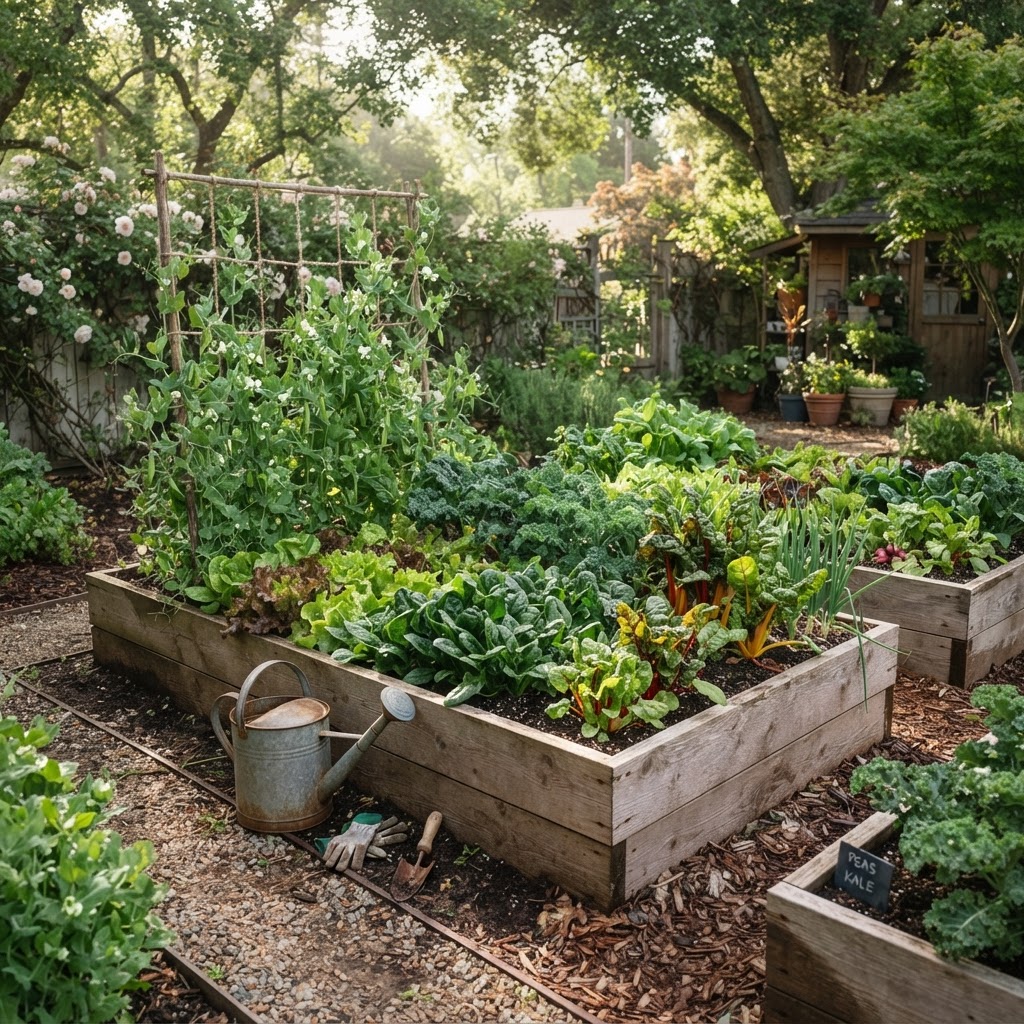
Best Vegetables for Shaded Gardens: 15 Easy Crops That Grow With Less Sun
If your garden gets more shade than sunshine, you still have plenty of great options. Many beginner gardeners are surprised to learn that several tasty, productive vegetables grow well in partial shade, especially leafy greens and cool-season crops.
Why This Topic Matters
A lot of home gardeners give up on growing food because their yard, patio, or balcony does not get full sun all day. Trees, fences, neighboring buildings, and even your house can block light and make a space feel unsuitable for vegetables.
The good news is that shade does not always mean failure. It simply means you need to choose the right crops and adjust your expectations. Fruiting plants like tomatoes, peppers, and squash usually need long hours of direct sun, but many other vegetables are far more flexible.
Shaded gardens can even have a few advantages. The soil often stays moist longer, leafy greens are less likely to bolt in hot weather, and tender leaves can stay sweeter and more mild. For beginners, that can make shade gardening easier than trying to keep sun-loving plants happy in the heat.
Learning which vegetables tolerate lower light can help you use every part of your space. That means more harvests, less wasted garden area, and a better chance of success right from the start.
Quick Answer
The best vegetables for shaded gardens are usually leafy greens, root crops, and cool-season vegetables that can grow with about 3 to 6 hours of direct sun or bright filtered light.
Top choices include:
- Lettuce
- Spinach
- Arugula
- Kale
- Swiss chard
- Bok choy
- Mustard greens
- Radishes
- Beets
- Turnips
- Carrots
- Peas
- Scallions
- Cabbage
- Broccoli
In general, the less sun a plant gets, the slower it may grow. Still, many of these crops produce well enough for home gardeners, especially if you improve the soil, water consistently, and harvest at the right time.
If your garden gets deep shade all day, vegetable choices will be limited. But if you have partial shade, dappled light, or morning sun with afternoon shade, you can grow a surprisingly productive edible garden.
Step-by-Step Guide
1. Figure out what kind of shade you have
Before planting anything, spend a few days watching your space. Notice how many hours of direct sunlight it gets and whether that light is strong morning sun, weaker late-day sun, or filtered light through tree branches.
Here is a simple way to think about it:
- Full sun: 6 to 8 or more hours of direct sun
- Partial shade: about 3 to 6 hours of direct sun
- Dappled shade: shifting light through trees
- Full shade: less than 3 hours of direct sun
Most vegetables for shaded gardens do best in partial shade or bright dappled light. Full shade is much harder, so it is important to be realistic about what your garden can support.
2. Start with the easiest vegetables for shade
If you are a beginner, focus on crops that naturally handle lower light better. These are the most reliable options.
Leafy greens
Leafy greens are usually the stars of a shaded garden because they do not need to flower or produce large fruits.
Lettuce is one of the best choices. Loose-leaf types are especially easy because you can harvest outer leaves as needed.
Spinach grows well in cool weather and often benefits from some shade. In hot climates, partial shade can help it last longer before bolting.
Arugula grows quickly and handles light shade well. It is a great crop for beginners because it germinates fast and gives you an early harvest.
Kale is more adaptable than many gardeners expect. It may grow a bit slower in shade, but it often produces tender leaves with good flavor.
Swiss chard is dependable and forgiving. It tolerates partial shade while still providing repeated harvests over a long season.
Bok choy does well in cool conditions and appreciates some protection from harsh afternoon sun. The same is true for many Asian greens.
Mustard greens are productive and fast-growing. Shade can help keep their flavor from becoming too strong in warm weather.
Root vegetables
Root crops can still do well in part shade, although roots may stay smaller than they would in full sun.
Radishes are one of the easiest shaded-garden vegetables. They grow quickly, making them ideal for small spaces and beginner gardeners.
Beets are a great dual-purpose crop because you can harvest both the roots and the greens. Even if the roots stay small, the leaves are worth growing.
Turnips are another solid option. The roots and greens both provide a useful harvest in limited light.
Carrots can grow in partial shade, though they may take longer to mature. Loose soil is especially important for good root shape.
Cool-season crops
Some larger vegetables can also handle moderate shade.
Peas can grow and produce in a spot with morning sun or filtered light. They often appreciate cooler, less intense conditions.
Scallions or green onions are very beginner-friendly. They take up little space and perform well in containers or small beds.
Cabbage can tolerate partial shade, especially in cooler climates. Heads may be smaller, but it is still a useful crop.
Broccoli can grow in partial shade, though harvests may be smaller and slower. In hot regions, some shade may actually help reduce stress.
3. Improve the growing conditions you can control
When light is limited, healthy soil becomes even more important. Plants need all the support they can get.
Mix in compost before planting. Compost improves structure, helps the soil hold moisture evenly, and supplies nutrients in a gentle, steady way.
Make sure the area drains well. Shady spots often stay damp longer, and soggy soil can lead to rot, fungus, or weak growth.
If roots from nearby trees are competing with your vegetables, consider raised beds or large containers. These give your crops a better chance by reducing competition for water and nutrients.
4. Match crops to the brightest part of the garden
Even in a shaded yard, some spots are brighter than others. Use the best light for the crops that need it most.
A simple layout might look like this:
- Put broccoli, cabbage, peas, and beets in the sunniest section.
- Grow lettuce, spinach, arugula, and chard in moderate shade.
- Use containers to move scallions, radishes, or greens into brighter spots when possible.
This small change can make a big difference in how productive your garden feels.
5. Plant a little closer attention, not necessarily closer spacing
In shade, air circulation matters. Crowded plants stay damp longer, which can increase disease problems and attract slugs.
Follow spacing guidelines on seed packets or plant tags. It can be tempting to squeeze in more plants, but a little breathing room often leads to healthier growth.
If you are growing cut-and-come-again greens, succession planting works well. Sow a short row every 2 to 3 weeks for a steady harvest instead of planting everything at once.
6. Water carefully and mulch lightly
Shady gardens do not dry out as quickly as sunny ones, so watering should be based on the soil, not the calendar. Stick a finger into the soil a couple of inches deep before watering.
If it feels dry, water deeply. If it still feels moist, wait another day.
A light layer of mulch helps keep moisture steady and reduces splashing onto leaves. Just do not pile mulch against stems, especially in cool, damp areas.
7. Harvest often to keep plants productive
Many shade-friendly vegetables produce best when harvested regularly. This is especially true for leafy greens.
Pick outer leaves of lettuce, kale, chard, and mustard greens while the center keeps growing. Harvest radishes and turnips before they become oversized and woody.
Small, frequent harvests often give better flavor and help plants keep producing longer.
8. Expect slower growth and smaller harvests
One of the most important parts of shade gardening is adjusting expectations. A shaded garden can still be very productive, but it may not match the speed or size of crops grown in full sun.
That does not mean you are doing anything wrong. It simply means the plants are working with less energy.
If you focus on reliable crops and enjoy fresh harvests instead of perfect-looking giant vegetables, you will likely be much happier with the results.
Common Beginner Mistakes
One common mistake is planting sun-loving vegetables in too much shade. Tomatoes, peppers, cucumbers, and eggplant usually struggle badly without enough direct light.
Another mistake is guessing instead of measuring sunlight. Many gardeners think they have more sun than they really do, especially in spring before nearby trees fully leaf out.
Overwatering is also a problem in shaded beds. Because the soil stays moist longer, watering too often can lead to yellow leaves, weak roots, and disease.
Poor spacing causes trouble too. When plants are packed tightly in a dim area, airflow drops and pests like slugs and snails become more active.
Finally, some beginners expect every crop to grow at the same speed it would in a bright, sunny garden. Slower growth is normal in shade, so patience matters.
Best Tips for Success
- Choose leafy greens first if you are new to shade gardening.
- Aim for areas with morning sun when possible.
- Add compost before every planting cycle.
- Use raised beds or containers if tree roots are a problem.
- Check soil moisture before watering instead of watering on a fixed schedule.
- Watch for slugs, snails, and fungal issues in damp spots.
- Harvest leaves young for the best flavor and texture.
- Replant quick crops like lettuce, arugula, and radishes throughout the season.
- Keep notes on which areas get the most light during different months.
Recommended Supplies or Tools
You do not need fancy equipment to grow vegetables in shade, but a few basics help a lot.
- A hand trowel for planting seedlings and small crops
- Compost or well-rotted organic matter for improving soil
- A watering can or hose with a gentle spray setting
- Mulch such as straw or shredded leaves
- Plant labels so you remember what is growing where
- Slug control options like hand-picking, copper barriers, or simple traps
- Containers or grow bags if in-ground soil is crowded by tree roots
- A notebook or garden app to track sunlight and planting dates
If you are gardening on a patio or balcony, containers can be especially useful. They let you move crops around to catch the best available light.
Frequently Asked Questions
Can vegetables really grow in shade?
Yes, many vegetables can grow in partial shade or filtered light. Leafy greens and cool-season crops are usually the most successful, while fruiting vegetables need much more sun.
How many hours of sun do shade-tolerant vegetables need?
Most of the best vegetables for shaded gardens prefer around 3 to 6 hours of direct sun, or bright dappled light for much of the day. The closer you are to that upper range, the better most crops will perform.
What is the easiest vegetable to grow in shade?
Leaf lettuce is one of the easiest choices. It grows quickly, handles cooler and dimmer conditions well, and can be harvested more than once.
Will vegetables taste different in shade?
Sometimes, yes. Greens grown in partial shade are often more tender and less bitter, especially in warm weather. Root vegetables may be a little smaller, but they can still taste excellent.
Can I grow tomatoes in a shaded garden?
Tomatoes usually need full sun to produce well. In a shaded garden, it is better to focus on greens, roots, peas, and other vegetables that naturally tolerate less light.
Final Thoughts
A shaded yard does not have to stop you from growing your own food. If you choose the best vegetables for shaded gardens, improve your soil, and work with the light you have, you can still enjoy a healthy and productive harvest.
Start simple with lettuce, spinach, radishes, scallions, and chard. Once you see what grows best in your space, you can expand with confidence and make the most of every shady corner.