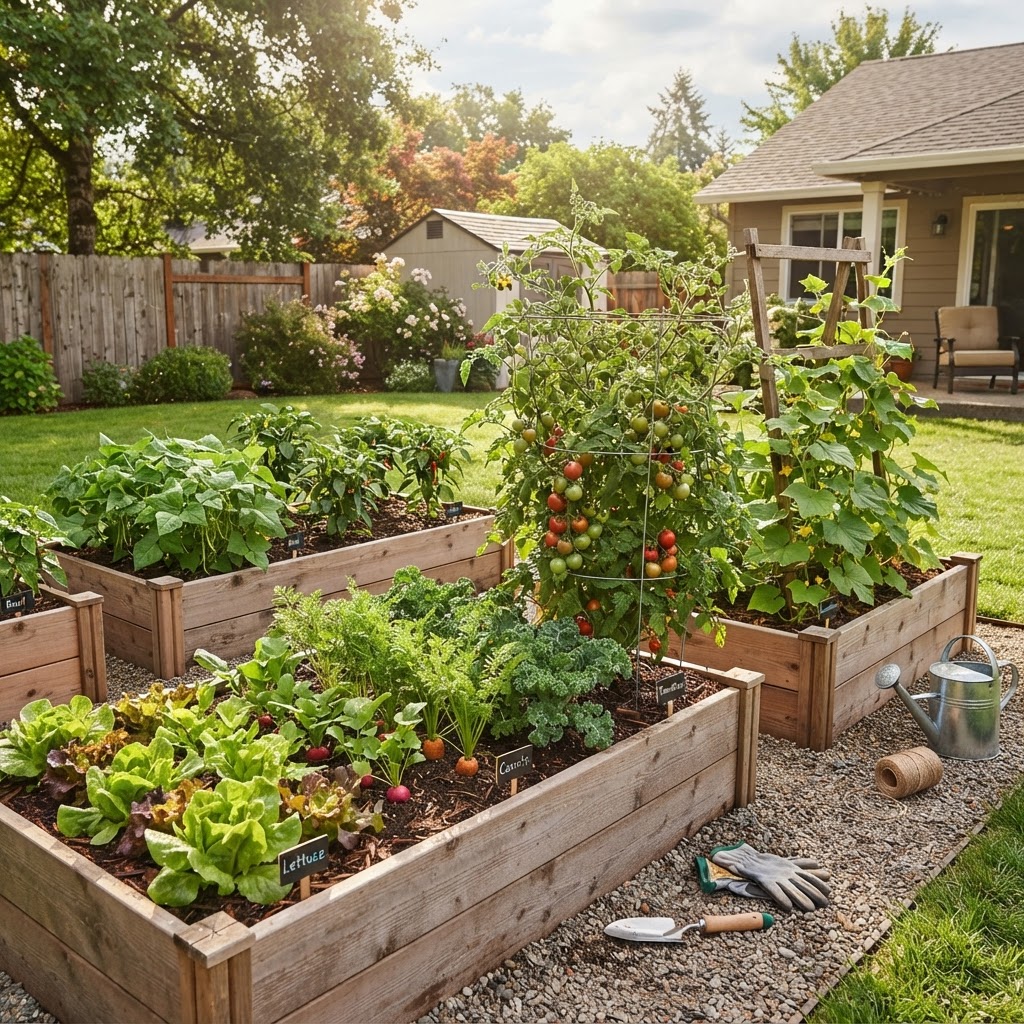
Best Vegetables to Grow in Raised Beds for Beginners: Easy Crops for a Productive Garden
Starting a raised bed garden is one of the easiest ways to grow your own food, especially if you are new to gardening. With the right vegetables, even a small bed can give you a steady harvest and help you build confidence season by season.
Why This Topic Matters
Raised beds are beginner-friendly for a reason. They warm up faster in spring, drain well, and let you create loose, fertile soil without needing to improve your entire yard.
They are also easier to manage than in-ground plots. You can reach plants without stepping on the soil, weed pressure is often lower, and watering and feeding can be more consistent.
For beginners, choosing the right crops matters just as much as building the bed. Some vegetables grow quickly, tolerate small mistakes, and reward you with harvests fast. Others need more space, more attention, or a longer season, which can feel frustrating when you are just starting out.
That is why it helps to focus on vegetables that are reliable, productive, and simple to care for. A few good choices can turn your first raised bed into a successful and enjoyable learning experience.
Quick Answer
The best vegetables to grow in raised beds for beginners are crops that are easy to plant, quick to harvest, and naturally productive in small spaces. Great beginner choices include:
- Lettuce
- Radishes
- Green beans
- Bush zucchini
- Carrots
- Spinach
- Kale
- Beets
- Cherry tomatoes
- Peppers
- Cucumbers
- Swiss chard
If you want the easiest starting point, begin with a mix of leafy greens, root crops, and one or two fruiting plants. For example, a beginner-friendly raised bed might include lettuce, radishes, carrots, bush beans, and one cherry tomato plant.
Step-by-Step Guide
1. Choose vegetables that match your space
Raised beds are perfect for compact gardening, but space still matters. A 4x8-foot bed can grow a surprising amount of food, yet large sprawling plants can quickly take over.
For beginners, the easiest plan is to choose mostly compact or upright vegetables. Bush beans, leaf lettuce, carrots, beets, kale, peppers, and Swiss chard all fit nicely in raised beds.
Save extra-large crops, such as full-size pumpkins or sprawling winter squash, for later when you have more room and experience.
2. Start with the easiest raised bed vegetables
Here are some of the best beginner vegetables and why they work so well in raised beds.
Lettuce
Lettuce is one of the easiest and fastest crops for beginners. It grows quickly, does well in cool weather, and can be harvested leaf by leaf instead of all at once.
Loose-leaf varieties are especially beginner-friendly. You can sow seeds directly in the bed and start harvesting baby leaves in just a few weeks.
Why it is great for beginners:
- Fast harvest
- Easy to direct sow
- Works in spring and fall
- Perfect for small spaces
Radishes
Radishes are ideal if you want quick results. Many varieties mature in about 25 to 35 days, which makes them great for building confidence.
They also help new gardeners learn spacing, thinning, and timing. Since they grow so fast, you can plant several rounds through the season.
Why it is great for beginners:
- Very fast growing
- Takes little space
- Great for succession planting
- Fun for kids and new gardeners
Carrots
Carrots often perform better in raised beds than in heavy ground soil. Loose, stone-free soil helps roots grow straight and smooth.
They need steady moisture during germination, but once they get going, they are fairly simple. Short or round carrot varieties are especially good for beginners.
Why it is great for beginners:
- Raised beds improve root quality
- Good use of vertical soil space
- Stores well after harvest
- Can be planted in spring and late summer
Beets
Beets are dependable and useful because you can eat both the roots and the greens. They are not fussy and grow well in raised beds with even watering.
They are also a nice crop for beginners because they do not need much support or pruning. Sow them directly and thin seedlings as they grow.
Why it is great for beginners:
- Two harvests from one crop
- Easy to direct sow
- Compact growth habit
- Good for cool seasons
Spinach
Spinach is a great cool-season crop for raised beds. It germinates best in mild weather and gives you nutritious leaves early in the season.
Because raised beds drain well, spinach roots stay healthier in wet spring weather. Plant it in early spring or again in fall for the best results.
Why it is great for beginners:
- Quick-growing leafy crop
- Best in spring and fall
- Easy to harvest a little at a time
- Fits into small spaces
Kale
Kale is one of the most forgiving vegetables you can grow. It handles cool weather well, keeps producing for a long time, and does not mind repeated harvesting.
A few plants can supply leaves for weeks or even months. It also tends to look attractive in the garden, which is a bonus in mixed raised beds.
Why it is great for beginners:
- Long harvest window n- Cold tolerant
- Easy to pick outer leaves as needed
- Productive in a small area
Swiss chard
Swiss chard is another dependable leafy green for beginners. It tolerates heat better than spinach and keeps producing after repeated harvests.
It is a smart choice if you want a low-maintenance crop that adds color to the garden. Pick the outer leaves and let the center continue growing.
Why it is great for beginners:
- Long-lasting harvest
- Heat tolerant
- Attractive and productive
- Easy cut-and-come-again crop
Bush beans
Bush beans are simple, rewarding, and productive. Unlike pole beans, they do not need a trellis, which makes them easier for first-time gardeners.
They grow quickly in warm weather and produce a harvest over a few weeks. Direct sow them after frost danger has passed.
Why it is great for beginners:
- Easy from seed
- No support needed
- Fast growth in warm weather
- Good yields in a small area
Cherry tomatoes
Tomatoes are popular for a reason, and cherry tomatoes are one of the easiest types to start with. They tend to be more forgiving and productive than large slicing tomatoes.
In a raised bed, they benefit from rich soil and steady moisture. Just be sure to give them a strong cage or stake from the beginning.
Why it is great for beginners:
- Highly productive
- Great flavor from home gardens
- Easier than large tomato varieties
- Good choice for one focal plant in a bed
Peppers
Peppers stay fairly compact, which makes them well suited to raised beds. They enjoy warm soil, full sun, and regular watering.
Bell peppers and smaller sweet pepper varieties are great for beginners. Hot peppers can be easy too if you enjoy growing them.
Why it is great for beginners:
- Compact plants
- Good for small raised beds
- Productive with basic care
- Low pruning needs
Cucumbers
Cucumbers can do very well in raised beds, especially if you grow them vertically on a trellis. This keeps fruit cleaner, saves space, and improves airflow.
For beginners, choose compact or slicing varieties and provide support early. Regular picking helps plants produce more.
Why it is great for beginners:
- Productive in warm weather
- Great for vertical growing
- Space-saving with a trellis
- Fun and rewarding to harvest
Bush zucchini
Zucchini is famously productive, and bush types fit much better in raised beds than sprawling vining squash. One plant can provide a surprising amount of food.
Give it enough room and harvest often while fruits are small to medium. That keeps the plant producing longer.
Why it is great for beginners:
- Very productive
- Easy to grow in warm weather
- Bush forms suit raised beds better
- Quick reward once fruiting starts
3. Group crops by season
One of the best ways to succeed in raised beds is to plant vegetables at the right time. Some crops prefer cool weather, while others need summer heat.
Cool-season beginner crops:
- Lettuce
- Spinach
- Kale
- Radishes
- Carrots
- Beets
- Swiss chard
Warm-season beginner crops:
- Bush beans
- Cherry tomatoes
- Peppers
- Cucumbers
- Bush zucchini
This simple seasonal split makes planning much easier. Start cool-season crops in spring, then switch to warm-season crops after the last frost.
4. Use simple spacing rules
Raised beds are often planted more intensively than row gardens, but crowding can still cause problems. Plants that are too close compete for light, nutrients, and airflow.
As a beginner, it is better to give plants a little breathing room than to cram in too much. Follow seed packets or plant tags, and remember that mature size matters more than seedling size.
A few easy guidelines:
- Leaf lettuce: 6 to 8 inches apart
- Carrots: 2 to 3 inches apart after thinning
- Beets: 3 to 4 inches apart
- Bush beans: 4 to 6 inches apart
- Kale: 12 to 18 inches apart
- Peppers: 12 to 18 inches apart
- Cherry tomatoes: 18 to 24 inches apart
- Cucumbers on trellis: 12 inches apart
- Bush zucchini: 18 to 24 inches apart
5. Build a simple beginner planting plan
If you feel unsure where to start, keep the first season small and manageable. A simple mix is better than trying to grow everything at once.
Here is an example planting plan for one 4x8 raised bed:
- One cherry tomato at the back corner with a cage
- Two pepper plants along the back edge
- One short row of bush beans in the center
- One section of carrots
- One section of beets
- One front row of leaf lettuce
- A small patch of radishes tucked between slower crops
This kind of layout gives you a range of harvests without making the bed too crowded.
6. Water and mulch consistently
Raised beds dry out faster than in-ground gardens, especially in hot or windy weather. Consistent moisture is one of the biggest keys to success.
Water deeply rather than lightly sprinkling every day. Adding mulch, such as clean straw or shredded leaves, helps hold moisture, regulate soil temperature, and reduce weeds.
7. Harvest often
Many beginner vegetables do best when picked regularly. Lettuce, kale, beans, cucumbers, and zucchini all produce more or stay tender longer when harvested on time.
Frequent harvesting also helps you notice problems early. You will spot pests, yellowing leaves, or overcrowding before they get out of hand.
Common Beginner Mistakes
Planting too much
It is easy to overfill a raised bed. Seedlings look tiny at first, but mature plants can become much larger than expected.
Starting with fewer plants usually leads to better results. A well-spaced bed is easier to water, weed, and harvest.
Choosing difficult crops first
Beginners sometimes start with crops that need lots of space, long seasons, or constant pest control. That can make gardening feel harder than it needs to be.
Begin with reliable vegetables that match your climate and your bed size. Success early on builds skills and motivation.
Ignoring sunlight
Most vegetables need at least 6 to 8 hours of direct sun per day. Fruiting crops like tomatoes, peppers, cucumbers, and zucchini do best with even more.
Before planting, watch your space for a full day if possible. A beautiful raised bed in deep shade will not perform well.
Watering inconsistently
Raised bed soil can dry faster than expected. Letting it swing from very dry to very wet stresses plants and reduces harvests.
Check moisture regularly by sticking your finger a couple of inches into the soil. If it feels dry there, it is time to water.
Forgetting support for tall plants
Tomatoes and cucumbers need support early, not after they flop over. Putting cages, stakes, or trellises in place at planting time prevents root disturbance later.
This also keeps fruit off the soil and improves airflow, which can reduce disease problems.
Best Tips for Success
Start with healthy soil
Good soil is the main advantage of raised beds, so take advantage of it. Fill beds with a quality raised bed mix blended with compost rather than using dense yard soil alone.
Healthy soil supports strong roots, steady growth, and better water retention.
Grow what you actually like to eat
The best beginner vegetables are the ones you will be excited to harvest and use. If your household loves salads, focus on lettuce, carrots, and cucumbers.
If you cook roasted vegetables often, peppers, zucchini, kale, and beets may be better choices.
Use succession planting
Quick crops like radishes, lettuce, and spinach can be planted more than once. After one harvest, replant that area with another fast crop or a later-season vegetable.
This helps you get more food from the same raised bed without making the space feel overwhelming.
Mix fast and slow crops
Pairing quick crops with longer-season vegetables makes raised beds more productive. For example, radishes can mature before tomatoes or peppers need the extra room.
This is a simple trick that helps beginners make better use of every square foot.
Keep a garden notebook
You do not need anything fancy. Write down what you planted, when you planted it, and how it performed.
By next season, you will already have useful notes about spacing, timing, and favorite varieties.
Recommended Supplies or Tools
You do not need a shed full of equipment to start a raised bed garden. A few simple tools can make the job much easier.
Helpful beginner supplies include:
- Hand trowel
- Garden gloves
- Watering wand or hose nozzle
- Mulch such as straw or shredded leaves
- Tomato cage or plant stakes
- Cucumber trellis or netting
- Compost
- Seed starting labels or plant markers
- Pruners or garden scissors
If you want to keep your setup simple, start with the basics first:
- A sturdy hand trowel
- A reliable watering tool
- Compost for soil improvement
- Plant supports for tomatoes or cucumbers
- Mulch to reduce watering needs
Frequently Asked Questions
What size raised bed is best for beginners?
A 4x8-foot bed is one of the best sizes for beginners because it offers plenty of growing space while still being easy to reach from both sides. If you want something smaller, a 4x4-foot bed also works well.
What is the easiest vegetable to grow in a raised bed?
Lettuce, radishes, and bush beans are some of the easiest vegetables for beginners. They grow quickly, do not require much maintenance, and give fast results.
How many vegetables can I grow in one raised bed?
That depends on the size of the bed and the mature size of the crops. A 4x8 bed can hold a mix of leafy greens, root vegetables, and a few larger plants like tomatoes or peppers without feeling crowded.
Should beginners grow from seeds or transplants?
A mix of both is often easiest. Direct sow simple crops like radishes, beans, carrots, beets, lettuce, and spinach, then buy transplants for tomatoes, peppers, and sometimes cucumbers.
Can I grow vegetables in a raised bed all year?
In many climates, yes, at least for part of the year. Cool-season crops can extend the season in spring and fall, while warm-season crops fill the summer bed. In mild climates, you may be able to grow something nearly year-round.
Final Thoughts
The best vegetables to grow in raised beds for beginners are the ones that are simple, productive, and suited to your season and space. Start with easy favorites like lettuce, radishes, carrots, bush beans, kale, cherry tomatoes, and peppers, and you will give yourself an excellent chance of success.
Do not worry about growing everything in your first year. A small, well-planned raised bed can teach you more than a crowded garden ever will, and each harvest will make the next season feel even more doable.