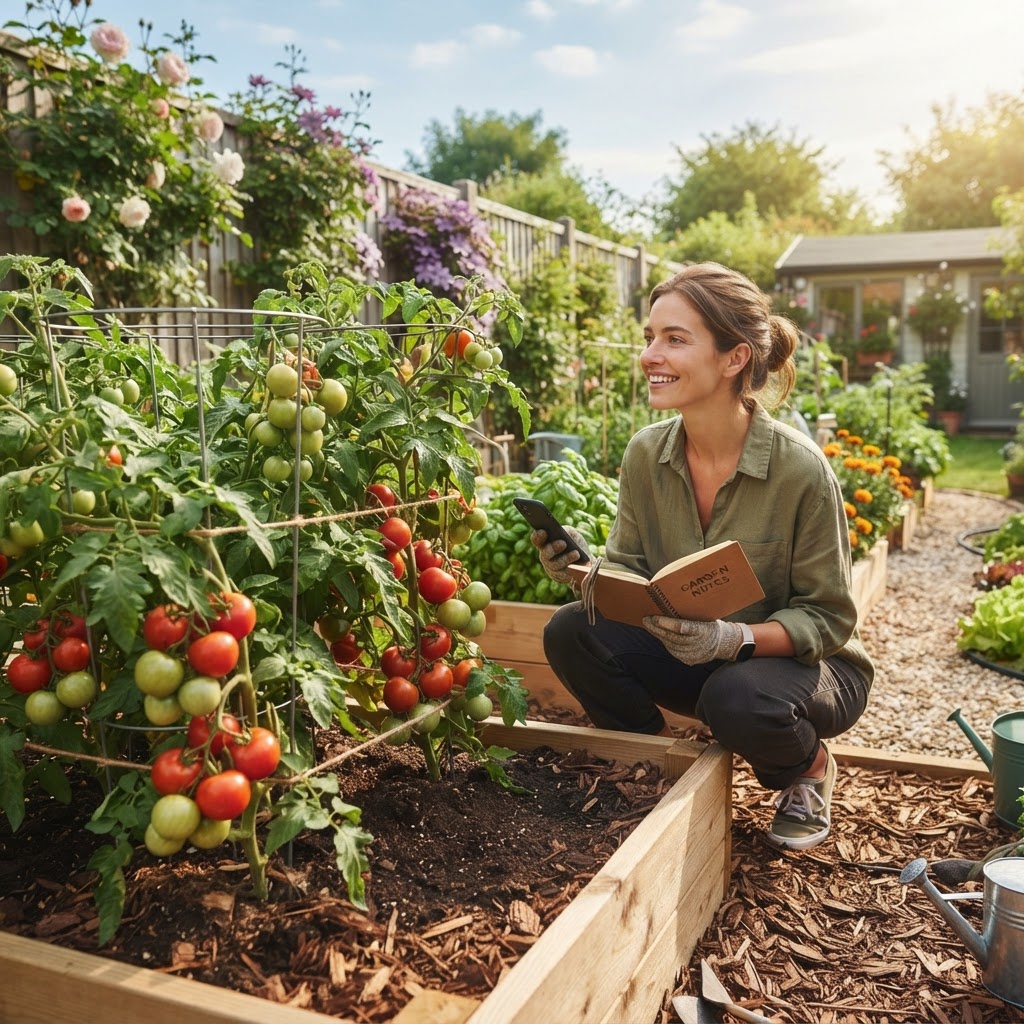
How Much Sun Do Tomatoes Need? A Simple Guide for Bigger, Healthier Harvests
If you have ever planted tomatoes and wondered whether your yard gets enough light, you are not alone. Sunlight is one of the biggest factors that affects how fast tomato plants grow, how many flowers they make, and how much fruit you harvest.
The good news is that tomatoes are not complicated once you know the basics. In this guide, you will learn exactly how much sun tomatoes need, how to tell if your spot is sunny enough, and what to do if your garden gets less light than you hoped.
Why This Topic Matters
Tomatoes are sun-loving plants, and light plays a direct role in their growth. Without enough sun, plants often become tall and floppy, produce fewer flowers, and ripen fruit more slowly.
For beginners, sunlight can be tricky because a yard may look bright all day without actually providing enough direct sun. A patio, fence, nearby tree, or even a neighboring house can block light during important parts of the day.
Understanding tomato light needs helps you make better decisions before planting. It can save you time, space, and frustration, especially if you are growing in raised beds, containers, or a small backyard.
Sunlight also affects flavor and yield. Healthy plants with enough sun are more likely to produce sturdy stems, strong roots, and a more reliable harvest through the season.
Quick Answer
Tomatoes need at least 6 hours of direct sunlight per day, but they usually perform best with 8 or more hours.
If you want strong growth and the highest fruit production, aim for a location with full sun, which means most of the day receives direct, unobstructed sunlight. In many gardens, morning to mid-afternoon sun is especially helpful.
In very hot climates, tomatoes can still benefit from full sun, but a little light afternoon shade may help reduce heat stress, blossom drop, and sunscald during extreme summer weather.
Here is the simple version:
- Minimum for decent growth: 6 hours of direct sun
- Best for most varieties: 8 hours or more
- In very hot areas: full morning sun plus some afternoon protection can help
If your plants get less than 6 hours of direct sun, they may survive, but they usually will not produce as heavily.
Step-by-Step Guide
1. Understand what “direct sun” really means
Direct sun means the sun is shining straight onto the plant, not filtered through heavy tree cover, a roof edge, or the shade of a building. Bright light alone is not enough.
For example, a porch that feels bright or a spot under open tree branches may still count as partial shade rather than full sun. Tomatoes need actual sun hitting the leaves for several hours each day.
2. Measure how much sun your garden gets
Before planting, spend a day checking the area where you want to grow tomatoes. Look at the spot in the morning, around midday, and in the afternoon.
You can keep it simple with a notebook or use your phone to take a photo every hour. Count only the hours when the plant location receives direct sunlight.
Pay attention to:
- Trees and shrubs
- Fences and walls
- Rooflines and sheds
- Nearby homes or garages
- Seasonal changes in the sun’s angle
A spot that gets 8 hours of sun in late spring might get less later if nearby plants leaf out more fully.
3. Choose the sunniest spot available
If you have more than one possible location, choose the one with the longest stretch of direct light. Tomatoes generally reward you for giving them your brightest garden space.
South-facing and west-facing areas often provide strong sun, though the exact pattern depends on your property. In small yards, even moving a container a few feet can make a big difference.
4. Match the variety to your conditions
All tomatoes like plenty of sun, but some types cope with less-than-perfect conditions better than others. Cherry tomatoes and smaller-fruited varieties often produce more reliably in slightly lower light than large beefsteak types.
If your space gets only about 6 hours of sun, consider:
- Cherry tomatoes
- Determinate or patio varieties
- Smaller slicing tomatoes
If you have 8 or more hours, you can grow almost any tomato type more confidently.
5. Give seedlings time to adjust to sun
Young tomato plants can get stressed if they move straight from indoors or a greenhouse into intense outdoor sun. This process is called hardening off.
Over 7 to 10 days, gradually expose seedlings to increasing amounts of outdoor light and wind. Start with a few hours in a sheltered, partly shaded area, then slowly increase sun exposure each day.
This helps prevent leaf scorch and transplant shock. A properly hardened plant adapts much faster once it goes into the garden.
6. Support plants so leaves can catch the light
Tomato cages, stakes, or trellises do more than keep fruit off the ground. They also help spread out stems and leaves so the plant can use sunlight more efficiently.
Plants that sprawl or get crowded by neighboring crops may shade themselves. Good support improves air circulation too, which is helpful for disease prevention.
7. Space tomatoes well
Even in a sunny bed, tomatoes can block light from each other if planted too closely. Crowded plants compete for sun, water, and nutrients.
Check the recommended spacing on the plant label or seed packet. In general, giving each plant enough room helps sunlight reach more of the leaves and makes maintenance easier.
8. Watch for signs your plant needs more sun
Tomatoes often show visible clues when light is not quite right. Catching the issue early gives you a chance to move a container or prune back competing plants.
Common signs of too little sun include:
- Tall, leggy growth
- Thin, weak stems
- Fewer flowers
- Slow fruit set
- Small harvests
- Slow ripening
A shaded tomato is not always a dead tomato. It may simply need a brighter location or lower expectations for production.
9. Recognize when heat, not sun, is the problem
Sometimes gardeners assume a struggling tomato needs less sun, when the real issue is extreme heat. In very hot weather, tomatoes may drop blossoms or pause fruit set even if the light is ideal.
If daytime temperatures stay very high, especially over 90°F, plants can become stressed. In those conditions, mulch, deep watering, and light afternoon shade can help more than moving the plant to a darker spot full-time.
10. Adjust for containers, patios, and balconies
Container gardeners have one major advantage: mobility. If your tomato is not getting enough sun, you may be able to move it to a brighter area.
Look for the sunniest corner of your patio, driveway, balcony, or yard. Just remember that containers dry out faster in full sun, so watering may need to happen more often.
11. Use shade wisely in hot climates
Tomatoes still love sunlight in warm regions, but there is a difference between healthy sun exposure and punishing heat. In areas with intense summer afternoons, filtered shade later in the day can protect plants without reducing growth too much.
A common approach is to give tomatoes full morning sun and then let them receive light shade after the hottest part of the day. This is especially useful during heat waves.
12. Reassess throughout the season
Sun patterns change as the season moves along. Trees fill out, nearby crops get taller, and the angle of the sun shifts.
If production seems to slow for no obvious reason, take another look at your light conditions. A spot that worked in May may be much shadier by July.
Common Beginner Mistakes
Assuming bright shade counts as full sun
This is one of the most common problems. If the area feels bright but the sun is not directly hitting the leaves, tomatoes may not get the light they need.
Planting too close to fences, walls, or taller crops
A sunny garden can still have small pockets of shade. Tomatoes planted on the wrong side of corn, sunflowers, cucumbers on a trellis, or a tall fence may lose several valuable hours of light.
Ignoring afternoon shade from trees or buildings
Many beginners check a planting spot in the morning only. By mid or late afternoon, a nearby tree or roofline may be blocking a big chunk of sunlight.
Growing large tomato varieties in low-light spaces
Big indeterminate slicing tomatoes usually want lots of sun and a long season. If your light is limited, smaller varieties often perform better and feel less frustrating.
Moving seedlings into harsh sun too quickly
Sun-loving does not mean sun-ready. Tender seedlings that are not hardened off can scorch even though mature tomato plants thrive in full sun.
Overcrowding the garden bed
It is tempting to squeeze in one more plant, especially when seedlings look small. Later, dense growth can reduce airflow and create self-shading that lowers production.
Using heavy shade cloth too early
Shade cloth can be helpful in extreme heat, but using too much shade during normal conditions can reduce flowering and fruiting. Tomatoes generally need sunlight first and protection second.
Best Tips for Success
If you want healthy tomato plants and a solid harvest, these simple habits make a big difference:
- Aim for 8 hours of direct sun whenever possible
- Choose the brightest spot before planting, not after plants struggle
- Use containers if your sun patterns are tricky, since pots can be moved
- Grow cherry tomatoes in less-than-ideal light for better odds of success
- Support and prune thoughtfully so leaves and fruit get good exposure
- Mulch the soil to help hold moisture in sunny locations
- Water deeply and consistently, especially during hot weather
- Give heat protection only when needed, not as a default
Another helpful tip is to observe, not guess. Your plants will often tell you how they feel if you pay attention to growth, flowering, and ripening speed.
A tomato in the right light usually looks sturdy and balanced. It grows steadily, forms flowers regularly, and sets fruit without too much delay.
Recommended Supplies or Tools
You do not need fancy gear to figure out tomato sunlight, but a few basic tools can make things easier.
Helpful items for checking and managing sun
- Notebook or garden journal: track sunlight hours and plant performance
- Phone camera: take photos through the day to see how shadows move
- Plant labels: note which varieties handle your space best
- Tomato cages or stakes: keep plants upright and open to light
- Mulch: helps keep roots cooler and soil moisture more stable
- Shade cloth: useful for extreme heat in hot climates
- Container with drainage holes: great if you may need to move the plant for better sun
- Watering wand or can: makes deep watering easier for sunny locations
Nice-to-have tools
- Sun calculator app: can help estimate daily light patterns
- Soil moisture meter: useful for containers drying quickly in full sun
- Pruners: handy for trimming crowded growth or removing damaged leaves
For most beginners, observation is still the most valuable tool. A few days of watching sun patterns can prevent a whole season of disappointment.
Frequently Asked Questions
Can tomatoes grow in partial shade?
Yes, tomatoes can grow in partial shade, but they usually will not produce as much fruit. If they get only 4 to 5 hours of direct sun, expect slower growth and lighter harvests.
If partial shade is your only option, choose cherry or patio varieties and keep expectations realistic. You may still get tomatoes, just not the heavy production seen in full sun.
Is morning sun or afternoon sun better for tomatoes?
Both can be useful, but morning sun is especially valuable because it starts photosynthesis early and helps dry moisture from leaves. In hot climates, strong afternoon sun can sometimes be stressful during peak summer.
An ideal setup is full morning sun with continued direct light through much of the day. In very hot regions, some late afternoon shade can be beneficial.
Do tomatoes need full sun all day?
Not necessarily every minute from sunrise to sunset. What matters most is getting at least 6 hours of direct sun, with 8 or more hours being even better.
Most home gardeners do not need to chase nonstop all-day sun. A strong, open site with reliable direct light for most of the day is enough.
Can too much sun hurt tomatoes?
Sunlight itself is usually not the problem for established tomato plants. Extreme heat combined with intense sun can contribute to stress, blossom drop, and sunscald, especially during heat waves.
In that case, keep the plant well watered, mulch the soil, and consider light afternoon shade. The goal is not to deprive the plant of sun, but to reduce heat stress.
Should I move my potted tomato if it is not producing?
If your potted tomato is healthy but not flowering or fruiting well, low light may be part of the problem. One advantage of containers is that you can test a brighter location.
Move the pot to a spot with more direct sun and watch for improvement over the next couple of weeks. Just make changes gradually if the plant has been in shade for a while.
Final Thoughts
So, how much sun do tomatoes need? For most gardeners, the sweet spot is 6 to 8 hours of direct sunlight, with 8 or more hours giving the best chance for vigorous plants and a generous harvest.
If your yard is less than perfect, do not give up. By choosing the sunniest spot, growing the right varieties, and making smart adjustments for heat or shade, you can still enjoy homegrown tomatoes.
Start by observing your space for one day before planting. That small step can make the rest of your tomato season much easier and much more rewarding.