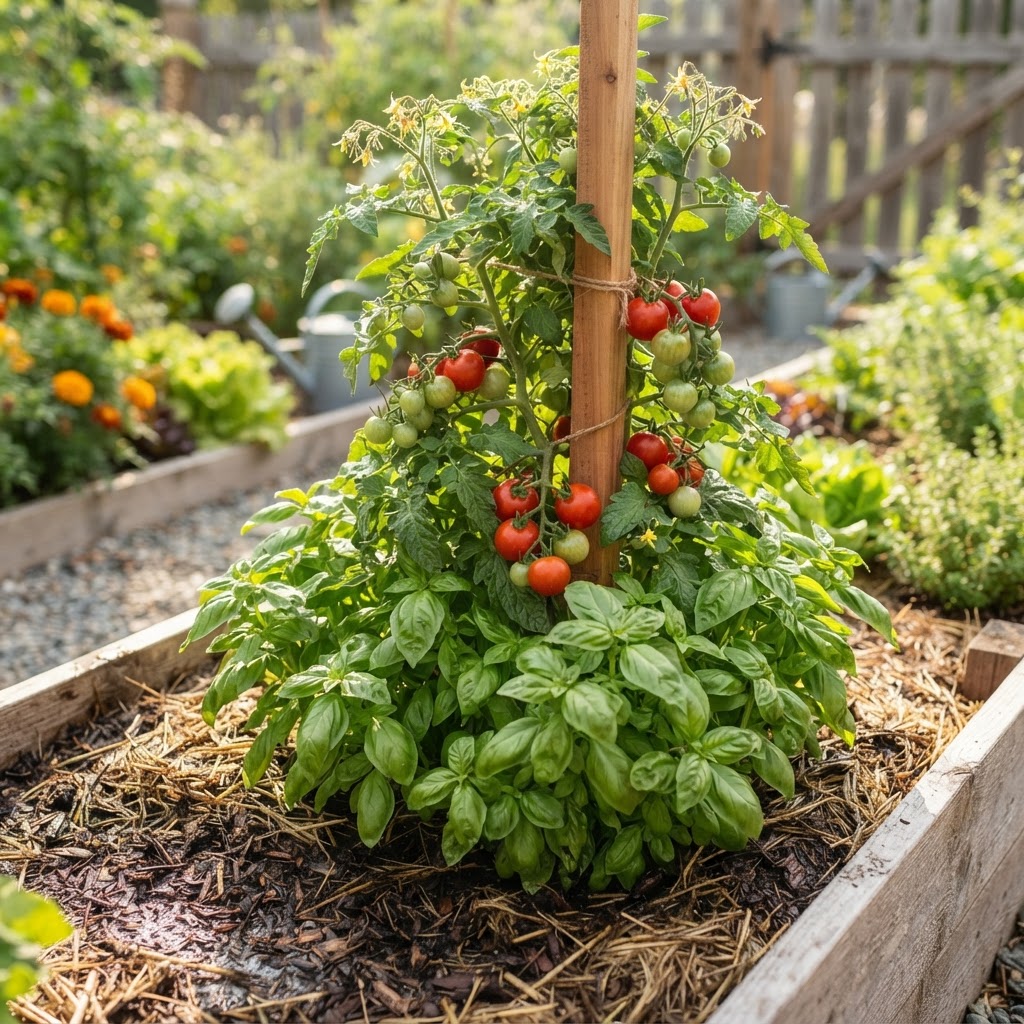
How to Companion Plant Tomatoes and Basil for Healthier, More Productive Plants
Tomatoes and basil are one of the most popular plant pairings in home gardens, and for good reason. If you want a simple, beginner-friendly way to make better use of your garden space, this classic combination is a smart place to start.
The good news is that learning how to companion plant tomatoes and basil is not complicated. With the right spacing, sunlight, watering, and basic care, you can grow both successfully in the same bed, raised planter, or even a large container.
Why This Topic Matters
Companion planting is the practice of growing certain plants near each other because they may share space well, support healthy garden habits, or make your garden more efficient. For beginners, it is less about magical plant partnerships and more about thoughtful garden design.
Tomatoes and basil work well together because they enjoy similar growing conditions. Both like warm weather, full sun, rich soil, and steady moisture. That means you do not have to create two different care routines, which makes gardening much easier.
This pairing also helps you use space wisely. Basil stays relatively compact, while tomatoes grow upward with support. When planted correctly, basil can fill in open space around the base of tomato plants without crowding them.
Many gardeners also love this duo because it is practical in the kitchen. If you grow them together, harvesting for salads, sauces, and summer meals becomes very convenient.
Most importantly, this is a great beginner project because it teaches core skills. You will learn how to space plants, improve airflow, water consistently, mulch properly, and watch for signs of stress before problems get worse.
Quick Answer
To companion plant tomatoes and basil, grow them together in a sunny spot with fertile, well-draining soil and consistent moisture. Place basil near, but not directly under, tomato plants so both have room for airflow and root growth.
A simple setup is to plant one tomato with one or two basil plants nearby. Keep basil about 10 to 18 inches away from the tomato stem, depending on the tomato variety and the size of your growing space.
If you are using a raised bed, you can alternate tomatoes with pockets of basil between or beside them. In containers, use only large pots and avoid overcrowding.
Step-by-Step Guide
1. Choose the right location
Start with a spot that gets at least 6 to 8 hours of direct sun each day. Tomatoes usually perform best with even more sunlight, so aim for the sunniest place you have.
Basil also loves warmth and sun, which is one reason these two are such a good match. If your garden gets strong afternoon heat, basil usually handles it well as long as the soil does not dry out too fast.
2. Pick tomato and basil varieties that fit your space
Before planting, think about how large your tomato plant will become. Determinate tomatoes stay more compact, while indeterminate tomatoes can grow tall and wide all season.
If you are gardening in a small bed or container, compact or patio tomato varieties are often easier to manage. For basil, sweet basil is the classic choice, but Genovese, compact bush basil, and even purple basil can also work well.
Try to avoid pairing a huge, sprawling tomato with tiny basil plants in a cramped space. The more balanced the pairing, the easier it will be to keep both healthy.
3. Prepare rich, well-draining soil
Tomatoes and basil both grow best in soil that drains well but holds enough moisture to stay evenly damp. Mix in compost before planting to improve texture and fertility.
If your soil is heavy clay, loosen it with compost and other organic matter. If it is sandy and dries quickly, compost will also help it hold water better.
A slightly acidic to neutral soil pH works well for tomatoes and basil. You do not need perfect soil to get started, but healthy soil makes everything easier.
4. Support tomatoes before or at planting time
Install a tomato cage, stake, or trellis before the plant gets too large. This keeps the plant upright, improves airflow, and makes harvesting easier.
Adding support early also helps you decide where basil should go. Once you know how the tomato will grow, you can place basil where it gets enough light without being buried in shade.
5. Space the plants correctly
This is the most important part of companion planting tomatoes and basil. They should be close enough to share the bed, but not so close that they compete heavily for light, water, and airflow.
Use these general spacing guidelines:
- Plant basil about 10 to 18 inches from the base of a tomato plant
- Space determinate tomatoes about 18 to 24 inches apart, depending on variety
- Space indeterminate tomatoes about 24 to 36 inches apart or according to the plant tag
- Leave enough room to reach in for pruning, watering, and harvesting
If you are planting in rows, basil can go between tomato plants as long as the mature tomato foliage will not completely smother it. In a raised bed, basil often does well along the front edge, with tomatoes behind it.
6. Transplant after the weather is truly warm
Tomatoes and basil are warm-season plants. They do not like cold soil, chilly nights, or frost.
Wait until all danger of frost has passed and nighttime temperatures are consistently warm. Basil is especially sensitive to cold, so rushing it into the garden too early often leads to weak growth or damage.
When transplanting, bury tomato seedlings deeper than they were in their pots if they are leggy. Tomatoes can form roots along the buried stem, which helps create a stronger plant.
Basil should be planted at the same depth it was growing in its pot. Water both well after planting.
7. Water consistently and deeply
Tomatoes need steady moisture to grow well and avoid stress. Basil also prefers consistent watering, especially in hot weather.
The goal is to keep the soil evenly moist, not soggy. Deep watering a few times per week is usually better than frequent shallow watering, though the exact schedule depends on your climate and soil.
A few smart watering habits can help:
- Water at the base of the plants instead of overhead
- Water in the morning when possible
- Check the top inch or two of soil before watering again
- Use mulch to reduce evaporation
Because basil is smaller, it can dry out faster in containers or near large tomato roots. Keep an eye on it during hot spells.
8. Mulch to protect the soil
Add a layer of mulch around both crops once the soil has warmed up. Straw, shredded leaves, or untreated grass clippings can work well.
Mulch helps the soil stay cooler, reduces water loss, and limits weeds. It also prevents soil from splashing onto leaves during rain or watering, which is especially helpful for tomato health.
Leave a small gap around the stems so moisture does not sit right against the plant bases.
9. Prune and harvest regularly
Tomatoes often need light pruning, especially indeterminate types. Remove lower leaves that touch the soil and manage excess growth as needed to improve airflow.
Basil benefits from regular pinching. Once it has several sets of true leaves, pinch just above a leaf pair to encourage branching and bushier growth.
Do not let basil flower too early if you want lots of leaves. Frequent harvesting helps delay flowering and keeps the plant producing.
10. Watch for shade as the season progresses
One common issue is that tomato plants grow faster and larger than expected. As they fill out, they may start shading basil too much.
If that happens, prune the tomato lightly, tie up wandering stems, or harvest basil often to keep it productive. In tight spaces, you may need to place basil where it gets morning or side light instead of directly beneath a dense tomato canopy.
11. Feed plants as needed
Tomatoes are fairly heavy feeders, especially once they begin flowering and setting fruit. Basil benefits from fertile soil too, but usually does not need heavy feeding if compost was added at planting time.
If your plants start to look pale or growth slows, a balanced fertilizer or tomato-specific fertilizer may help. Follow label directions carefully.
Avoid overdoing high-nitrogen fertilizers, which can lead to lots of leafy growth and fewer tomatoes. Healthy soil and compost often carry much of the load.
12. Harvest often and enjoy both crops together
Pick basil leaves regularly once the plant is established. Harvest tomatoes when they reach their full color and feel slightly soft, depending on variety.
Frequent harvesting encourages more basil growth and keeps tomato plants from becoming overloaded with overripe fruit. It also gives you the fun reward of using both ingredients fresh from the garden.
Common Beginner Mistakes
Companion planting tomatoes and basil is simple, but a few common mistakes can make the setup less successful. Most of them come down to spacing, timing, and basic plant care.
Planting too close together
It is tempting to tuck basil right against the tomato stem to save space. But when plants are crowded, airflow drops and roots compete more intensely.
Give both plants breathing room. A little extra spacing now can prevent a lot of frustration later.
Using containers that are too small
Tomatoes need more root space than many beginners expect. If the container is too small, the tomato can become stressed and the basil may get crowded out.
For one tomato plus basil, choose a large container, generally at least 15 to 20 gallons for full-size tomatoes. Smaller tomato varieties may manage in slightly less, but bigger is usually better.
Letting tomatoes shade basil completely
A young tomato plant may seem tiny at first, but it can quickly grow into a large, leafy plant. Basil needs sun too, so planting it where it will be buried in deep shade is a common problem.
Plan for mature size, not seedling size. Put basil where it will still get decent light later in the season.
Watering inconsistently
Irregular watering stresses tomatoes and can reduce fruit quality. Basil may wilt quickly when dry and struggle if the soil swings between bone dry and soggy.
Try to create a routine and adjust based on heat, rain, and soil type. Mulch makes this much easier.
Planting too early
Cold nights can stall tomatoes and seriously damage basil. Many beginners are eager to plant at the first warm day of spring, but patience usually pays off.
Wait until the weather is reliably warm and the soil has had time to heat up.
Ignoring support and airflow
Tomato plants left to sprawl can overtake nearby basil. Dense growth also makes it harder to inspect plants, harvest, and keep leaves dry.
Supporting tomatoes well from the start helps the whole planting work better.
Best Tips for Success
If you want this companion planting combo to thrive, focus on a few simple habits. These small steps often make the biggest difference.
Match plant size to your garden size
Choose compact tomatoes for small spaces and larger tomatoes for larger beds. Pairing the right varieties with the right space prevents overcrowding before it starts.
Use basil as a space-filling partner, not a ground cover blanket
Basil works best when used thoughtfully around tomatoes, not packed densely under every inch of the plant. Think of it as a companion, not a living mulch.
Prioritize sun and airflow
Both plants need good light, and tomatoes especially need airflow to stay healthy. If you have to choose, avoid crowding more than you avoid empty space.
Pinch basil often
Frequent pinching keeps basil bushy, delays flowering, and gives you more leaves to harvest. This is one of the easiest ways to improve your basil crop.
Mulch early
Once the soil is warm, mulch around both crops. This saves water, reduces weeds, and creates a more stable growing environment.
Check plants every few days
A quick garden walk helps you catch drooping leaves, pest issues, broken stems, or shading problems early. Small fixes are easier than late rescues.
Good layout ideas for beginners
Here are a few easy ways to arrange tomatoes and basil:
- Raised bed layout: Plant tomatoes in the back or center, with basil along the front edge.
- In-ground layout: Space tomatoes in a row and plant basil between them, leaving enough room for mature growth.
- Container layout: Plant one tomato in the center of a large pot and one or two basil plants near the rim.
- Square-foot style bed: Give the tomato generous room with support, and place basil in nearby squares with access to sun.
Recommended Supplies or Tools
You do not need fancy equipment to grow tomatoes and basil together well. A few basic tools and supplies can make the process easier.
Helpful garden supplies
- Tomato cages, stakes, or a trellis
- Compost or aged organic matter
- Mulch such as straw or shredded leaves
- Hand trowel
- Watering wand or hose with gentle flow
- Pruners or garden snips
- Large containers if growing in pots
- Plant labels if you are growing multiple varieties
Nice-to-have extras
- Drip irrigation or soaker hose for steady watering
- Garden twine or plant clips for tying tomatoes
- Moisture meter if you struggle with watering decisions
- Shade cloth for extreme summer heat in very hot climates
If you are shopping online, look for sturdy tomato cages, breathable fabric grow bags, and clean pruning snips. Choose durable basics you can reuse for several seasons.
Frequently Asked Questions
Can basil be planted right next to tomatoes?
It is better to plant basil near tomatoes rather than directly against the stem. Leave roughly 10 to 18 inches of space so both plants have room for airflow, roots, and light.
How many basil plants should I plant with one tomato?
One to two basil plants per tomato is a practical starting point for most home gardens. If your bed is large and your tomato is well-supported, you may fit more, but avoid crowding.
Do tomatoes and basil need the same care?
They need very similar conditions, which is what makes them good companions. Both prefer full sun, warm weather, fertile soil, and steady watering.
Tomatoes usually need more support and more overall root space. Basil needs regular pinching to stay bushy and productive.
Can I grow tomatoes and basil together in a pot?
Yes, but the pot must be large enough. A full-size tomato plus basil needs a roomy container with excellent drainage, and you will likely need to water more often than in a garden bed.
Will basil improve tomato growth?
Basil is a practical companion because it shares growing needs and uses space efficiently around tomatoes. While gardeners often report benefits from this pairing, the biggest advantages for beginners usually come from better garden design, easier harvesting, and efficient use of space.
Final Thoughts
If you have been wondering how to companion plant tomatoes and basil, the simplest answer is this: give both plants what they already love. Warm weather, full sun, rich soil, steady moisture, and enough space to breathe will set you up for success.
This pairing is ideal for beginners because it is useful, forgiving, and easy to enjoy at harvest time. Start with a simple layout, avoid overcrowding, and adjust as your plants grow.
You do not need a perfect garden to make tomatoes and basil thrive together. With a little planning and regular care, you can grow a healthy, productive planting that looks great in the garden and tastes even better in the kitchen.