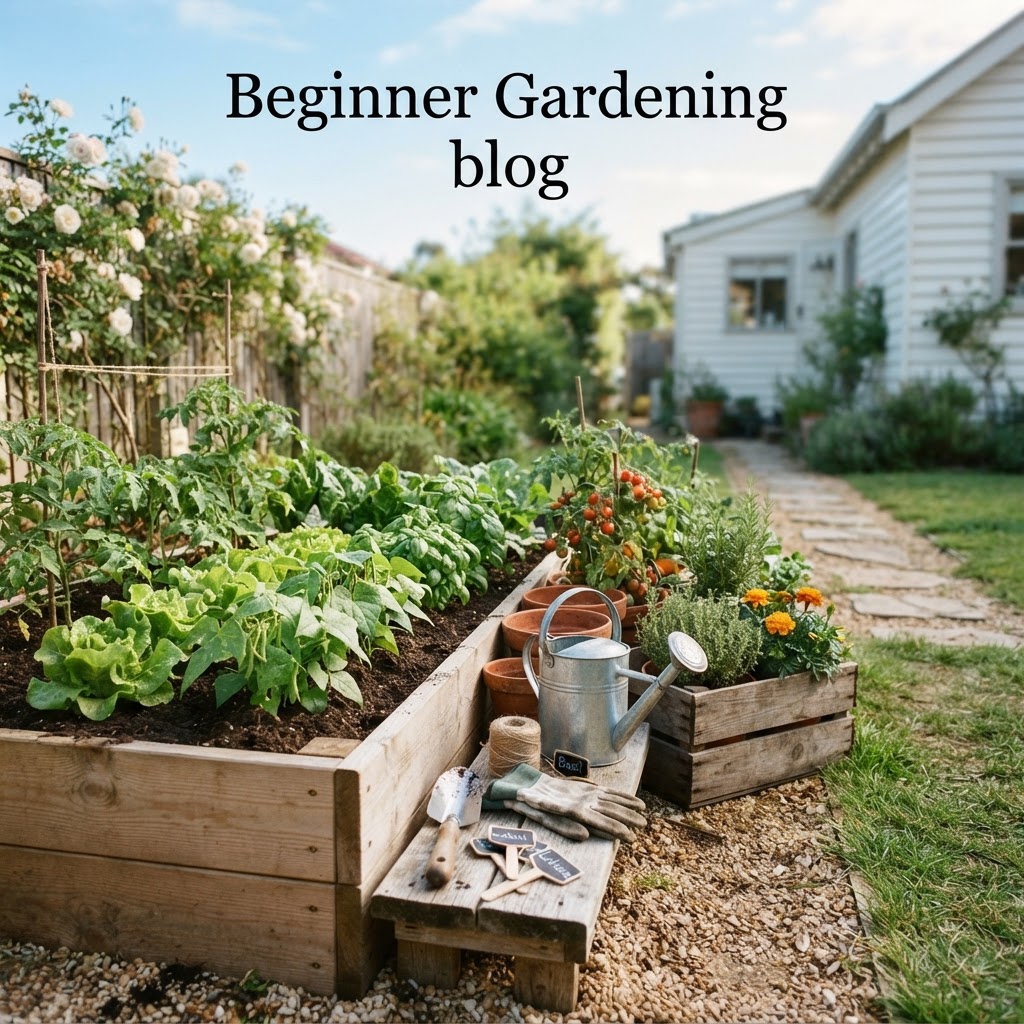
How to Start a Vegetable Garden From Scratch: A Beginner-Friendly Step-by-Step Guide
Starting a vegetable garden from scratch can feel like a big project, especially if you have never grown food before. The good news is that you do not need a huge yard, fancy tools, or expert skills to get started.
With a little planning and a few simple steps, you can grow fresh vegetables at home and build confidence season after season. This guide will walk you through everything you need to know in a practical, beginner-friendly way.
Why This Topic Matters
Growing your own vegetables is about more than saving money at the grocery store. It helps you eat fresher food, spend more time outdoors, and better understand how your food is produced.
For beginners, learning how to start a vegetable garden from scratch is also the best way to avoid common problems later. A thoughtful start makes watering easier, improves plant health, and helps you choose crops that match your space and climate.
Home vegetable gardening can also support a more sustainable lifestyle. Even a small garden reduces packaging waste, shortens the distance food travels, and encourages composting and healthier soil.
Most importantly, gardening is something you can start small and improve over time. You do not need to do everything perfectly. You just need a solid foundation and the willingness to learn as you grow.
Quick Answer
If you want the short version of how to start a vegetable garden from scratch, here it is:
- Pick a sunny location with easy access to water.
- Decide whether to grow in the ground, raised beds, or containers.
- Test and improve your soil with compost.
- Choose easy vegetables that grow well in your season.
- Plant at the right time for your local climate.
- Water consistently and mulch to hold moisture.
- Watch for weeds, pests, and plant growth each week.
For most beginners, the best first garden is a small, manageable space with a few reliable crops like lettuce, tomatoes, beans, zucchini, radishes, and herbs. Starting small helps you learn faster and enjoy the process instead of feeling overwhelmed.
Step-by-Step Guide
1. Start Small
One of the biggest beginner mistakes is making the garden too large in the first season. A smaller garden is easier to weed, water, and maintain.
A good starting size might be:
- A 4x4 or 4x8 raised bed
- A few large containers on a patio
- A small in-ground plot with 3 to 5 crop types
It is better to grow a few vegetables well than to struggle with a big space that quickly gets out of control.
2. Choose the Right Location
Most vegetables need at least 6 to 8 hours of direct sunlight per day. Leafy greens can tolerate a bit less, but fruiting crops like tomatoes, peppers, and cucumbers need plenty of sun.
When choosing a spot, look for an area that is:
- Sunny
- Close to a water source
- Easy to reach daily
- Protected from strong wind if possible
- Not prone to standing water after rain
Convenience matters more than many beginners realize. If your garden is close by, you are more likely to notice problems early and keep up with regular care.
3. Decide Where to Grow
You have three beginner-friendly options: in-ground beds, raised beds, and containers. Each can work well depending on your budget, space, and soil conditions.
In-ground gardens
These are often the most affordable. If you already have decent soil, planting directly in the ground can be a simple way to begin.
Raised beds
Raised beds offer better drainage, easier soil improvement, and neater organization. They are especially useful if your native soil is poor, rocky, or compacted.
Containers
Containers are great for renters, patios, balconies, and very small spaces. Many vegetables, including tomatoes, peppers, lettuce, and herbs, grow well in pots if they are large enough.
4. Check and Improve Your Soil
Healthy soil is the foundation of a successful vegetable garden. Plants get water, nutrients, and support from the soil, so this step matters a lot.
Before planting, observe your soil. Is it sandy and fast-draining, heavy and clay-like, or loose and crumbly? You can also do a basic soil test through a local extension service to learn about pH and nutrient levels.
For most beginner gardens, the easiest improvement is adding compost. Compost helps nearly all soil types by improving texture, moisture retention, and fertility.
To prepare the bed:
- Remove weeds and grass.
- Loosen the top 6 to 12 inches of soil.
- Mix in 2 to 3 inches of compost.
- Rake the surface level.
If you are using containers or raised beds, fill them with a high-quality vegetable garden soil mix rather than plain yard soil.
5. Learn Your Growing Season
Timing is a big part of gardening success. Some vegetables prefer cool weather, while others need warm soil and no risk of frost.
Find your local average last frost date in spring and first frost date in fall. These dates help you decide when to sow seeds or transplant seedlings.
In general:
- Cool-season crops: lettuce, spinach, peas, radishes, carrots, broccoli
- Warm-season crops: tomatoes, peppers, cucumbers, beans, squash
Planting warm-season crops too early can stunt them or kill them if a late frost hits. Planting cool-season crops too late can cause them to bolt in the heat.
6. Choose Easy Vegetables for Beginners
When deciding what to grow, think about what you like to eat, what grows well in your season, and how much space you have. Choose productive, forgiving crops for your first garden.
Some beginner-friendly vegetables and herbs include:
- Lettuce
- Radishes
- Green beans
- Zucchini
- Cherry tomatoes
- Bush cucumbers
- Kale
- Spinach
- Basil
- Parsley
If you have limited space, prioritize vegetables that produce steadily over time, such as beans, tomatoes, herbs, and leafy greens.
7. Decide Between Seeds and Seedlings
Seeds are affordable and offer many varieties, but they require more patience. Seedlings, also called transplants, give you a head start and are often easier for beginners.
A simple rule is this:
- Start with seedlings for tomatoes, peppers, and herbs
- Direct sow seeds for beans, radishes, carrots, lettuce, and peas
This mix keeps things simple while helping you learn both methods.
8. Plan Your Layout
A little planning helps prevent overcrowding. Plants need airflow, sunlight, and enough root space to thrive.
Read the spacing on seed packets or plant labels and follow those guidelines as closely as possible. Crowded plants compete for light and water, and they are more likely to develop disease problems.
You can organize your garden by:
- Putting taller crops on the north side so they do not shade smaller plants
- Grouping plants with similar water needs together
- Leaving paths so you can reach every part of the garden
- Using trellises for climbing crops to save space
9. Plant Carefully
Follow the recommended planting depth for seeds and transplants. Tiny seeds should only be lightly covered, while seedlings should be planted at the same depth they were growing in their pots, with tomatoes being a common exception because they can root along buried stems.
After planting, water gently but thoroughly. This helps settle the soil around roots and seeds.
If you are transplanting seedlings started indoors or bought from a nursery, harden them off first. That means gradually exposing them to outdoor conditions over about a week so they are less shocked by sun and wind.
10. Water the Right Way
Consistent watering is one of the most important parts of vegetable gardening. Most vegetables do best with deep, steady moisture rather than frequent shallow sprinkles.
A few smart watering habits:
- Water early in the day when possible
- Water the soil, not the leaves
- Check moisture with your finger before watering
- Aim for about 1 inch of water per week, adjusting for heat and rainfall
- Use mulch to reduce evaporation
Containers usually dry out faster than garden beds, especially in summer. They may need water daily during hot weather.
11. Mulch to Save Work
Mulch is one of the easiest ways to make gardening simpler. A layer of mulch helps hold moisture, reduce weeds, and keep soil temperatures more stable.
Good mulch choices for vegetable gardens include:
- Straw
- Shredded leaves
- Untreated grass clippings in thin layers
- Fine wood chips on pathways, not directly mixed into vegetable beds
Keep mulch a little away from plant stems to reduce the risk of rot.
12. Feed Plants as Needed
If you started with rich soil and compost, you may not need much extra fertilizer at first. Heavy-feeding crops like tomatoes, squash, and peppers often benefit from additional nutrients during the season.
Choose a balanced organic fertilizer or one made for vegetables, and follow package directions carefully. More fertilizer is not always better. Too much can lead to lots of leaves and fewer vegetables.
13. Keep Up With Weeding and Garden Checks
Small problems are much easier to solve than big ones. Spend a few minutes in the garden several times a week to check for weeds, wilting, chewed leaves, or signs of disease.
Pull weeds while they are young so they do not compete with your crops. Regular observation also helps you learn how healthy plants should look at different stages.
14. Harvest Often
Many vegetables taste best when picked young and regularly. Frequent harvesting also encourages some crops, like beans, zucchini, cucumbers, and herbs, to keep producing.
Do not wait too long thinking bigger is always better. Oversized vegetables can become tough, watery, or less flavorful.
Common Beginner Mistakes
Every gardener makes mistakes, especially in the beginning. The goal is not to avoid every problem but to recognize the most common ones before they slow you down.
Here are some beginner mistakes to watch for:
Starting too big
A large garden sounds exciting, but it can quickly become overwhelming. Begin with a small area you can manage well.
Planting at the wrong time
Putting tomatoes out too early or lettuce out too late often leads to disappointment. Match crops to the season.
Ignoring sunlight needs
Vegetables that need full sun will struggle in shade. Notice how the sun moves through your yard before planting.
Overcrowding plants
Seedlings look tiny at first, so it is tempting to squeeze in more. Proper spacing improves airflow and yields.
Watering inconsistently
Too much water and too little water can both cause stress. Aim for steady moisture rather than extremes.
Forgetting soil health
Plants cannot thrive in poor soil for long. Compost and healthy soil structure make a major difference.
Growing vegetables you do not eat
It is fun to try new crops, but your first garden should include foods you are actually excited to harvest and cook.
Best Tips for Success
If you want a smoother first season, focus on simple habits rather than complicated techniques.
Choose a few reliable crops
Growing 4 to 6 easy crops is often enough for a satisfying first garden. Success builds motivation.
Keep a garden journal
Write down planting dates, varieties, weather notes, pest issues, and harvests. These notes become incredibly helpful next season.
Add compost regularly
Even a little compost each season supports long-term soil health. Healthy soil makes nearly every gardening task easier.
Use vertical space
Trellises, cages, and stakes help support tomatoes, cucumbers, and beans. This improves airflow and makes harvesting easier.
Check the garden often
Five minutes a day can be better than one long session each week. Frequent visits help you catch issues early.
Expect a learning curve
Not every plant will thrive every time, and that is normal. Gardening skills grow through observation and practice.
Recommended Supplies or Tools
You do not need a shed full of equipment to start a vegetable garden from scratch. A few basic tools are enough for most beginners.
Here is a practical starter list:
- Hand trowel
- Garden gloves
- Watering can or hose with gentle spray nozzle
- Compost
- Mulch
- Pruners or garden snips
- Plant labels
- A digging fork or shovel
- Tomato cage or simple trellis for support crops
If you are gardening in containers, you will also need:
- Pots with drainage holes
- High-quality potting mix made for vegetables
- Saucers or trays if growing on a patio or balcony
Optional but useful supplies include:
- Soaker hose or drip irrigation
- Soil test kit or local extension soil test
- Row cover for pest protection or cool nights
- Raised bed materials if building a defined growing space
The best tool is the one you will actually use regularly. Keep your setup simple and functional.
Frequently Asked Questions
What is the easiest vegetable garden for beginners?
A small raised bed or a few large containers are often the easiest options for beginners. They are simpler to manage, easier to weed, and less intimidating than a large in-ground plot.
For crops, lettuce, radishes, bush beans, cherry tomatoes, and herbs are great starting choices because they grow relatively quickly and do not require advanced care.
When should I start a vegetable garden?
The best time depends on your local climate and the crops you want to grow. In many areas, spring is the main starting season, but cool-weather crops can be planted earlier than warm-weather ones.
Look up your local frost dates and use them as a guide. That is one of the simplest ways to improve your timing.
Is it better to start with seeds or plants?
For most beginners, a mix of both works best. Seeds are easy and inexpensive for crops like beans, lettuce, radishes, and carrots, while starter plants are often easier for tomatoes, peppers, and herbs.
Using both methods gives you a manageable learning experience and can increase your chances of early success.
How much sun does a vegetable garden need?
Most vegetables need at least 6 to 8 hours of direct sunlight each day. Fruiting crops usually need the most sun, while some leafy greens can tolerate partial shade.
If your space gets less sun, focus on greens and herbs rather than crops like tomatoes or peppers.
Can I start a vegetable garden with poor soil?
Yes, you can. Poor soil does not mean you cannot garden, but it does mean you should improve the soil before planting or use raised beds or containers.
Adding compost is one of the best first steps. Over time, regular organic matter can greatly improve soil structure and fertility.
Final Thoughts
Learning how to start a vegetable garden from scratch does not have to be complicated. The simplest path is usually the best one: start small, choose an easy sunny spot, improve the soil, and grow a few beginner-friendly crops.
Your first garden does not need to be perfect to be successful. Every season teaches you something new, and even a modest harvest can be incredibly rewarding.
If you stay consistent with watering, pay attention to your plants, and keep your expectations realistic, you will build skills quickly. Start with what you have, grow what you enjoy eating, and let your garden expand naturally over time.