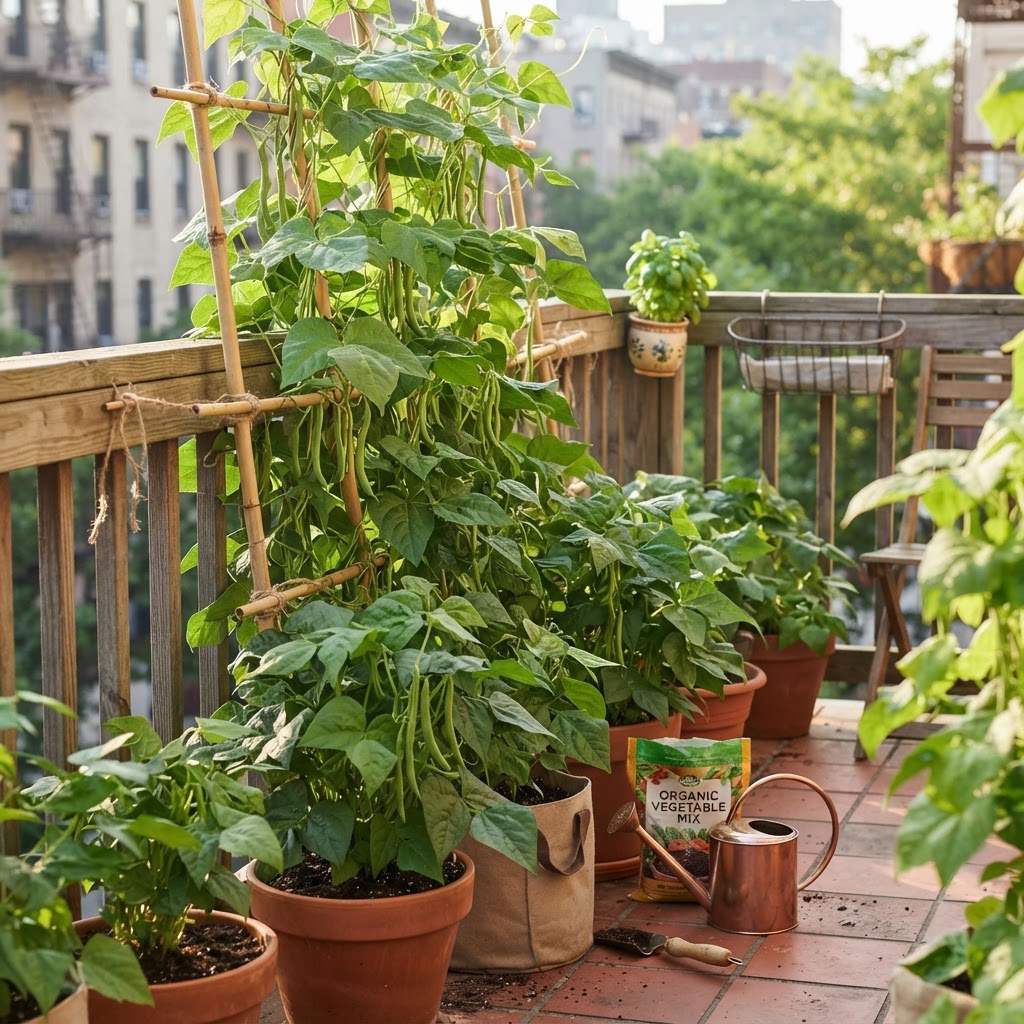
How to Grow Beans in Small Spaces: Easy Container and Vertical Gardening Guide
If you want a vegetable that is easy, productive, and perfect for a patio or balcony, beans are hard to beat. Learning how to grow beans in small spaces can help you harvest fresh, tender pods even if you only have a few pots and a sunny corner.
The good news is that beans do not need a big garden bed to thrive. With the right variety, a container or trellis, and a few simple care habits, beginners can grow a surprisingly generous crop at home.
Why This Topic Matters
Small-space gardening is becoming more common, especially for people growing food on balconies, porches, rooftops, and tiny backyards. Beans are one of the best vegetables for these spaces because they are affordable to grow, quick to produce, and useful in many meals.
Beans also give you a lot of harvest for the room they take up. Bush beans stay compact, while pole beans grow upward instead of outward, making them ideal for vertical gardening.
Another reason this topic matters is confidence. Many new gardeners assume they need raised beds or a large yard to grow vegetables, but beans are proof that you can start small and still succeed.
Beans can also improve the garden environment. Like other legumes, they work with soil bacteria to fix nitrogen, which can help support healthier soil over time.
Quick Answer
If you want the short version of how to grow beans in small spaces, here it is: choose a compact bush bean or a climbing pole bean, plant it in a container with rich potting mix, place it in full sun, keep the soil evenly moist, and harvest often.
For best results:
- Use a pot at least 8 to 12 inches deep
- Grow bush beans in wider containers
- Grow pole beans with a trellis, cage, or strings
- Give plants 6 to 8 hours of sunlight daily
- Water consistently, especially when flowering and forming pods
- Pick beans regularly to encourage more production
If you have very little floor space, pole beans are often the smartest choice because they grow up instead of spreading out.
Step-by-Step Guide
Step-by-Step Guide
1. Choose the right type of bean
The first step is deciding between bush beans and pole beans. Both can work in small spaces, but they fit different setups.
Bush beans stay short and tidy, usually around 1 to 2 feet tall. They are great for small containers, window boxes, or the front edge of a sunny patio garden.
Pole beans climb upward and can reach 6 to 8 feet or more. They are excellent for balconies, narrow beds, and anywhere you can add vertical support.
Here is a simple way to choose:
- Choose bush beans if: you want a compact plant, a quick harvest, and no trellis
- Choose pole beans if: you want to save floor space, grow vertically, and harvest over a longer period
Good beginner-friendly options often include tender green bean varieties labeled for containers or small gardens. Seed packets usually say whether the plant is bush or pole.
2. Pick the best container or growing spot
Beans do well in containers as long as they have enough room for roots and good drainage. A pot that is too small dries out quickly and can limit production.
For bush beans, choose a container at least 8 to 12 inches deep and fairly wide. For pole beans, use a container at least 12 inches deep so the roots stay cooler and the support stays stable.
A few good small-space choices are:
- Patio pots
- Fabric grow bags
- Window boxes for bush beans
- Raised planters
- Buckets with drainage holes
If you are growing on a balcony, make sure the container is heavy enough or secured well. Tall supports and windy conditions can tip lightweight pots over.
3. Use quality potting mix
Beans prefer loose, well-draining soil. In containers, do not use heavy garden soil because it compacts easily and can hold too much water.
Instead, fill pots with a good vegetable potting mix. You can mix in a little compost for extra nutrition, but do not overdo it.
Beans usually do not need heavily fertilized soil. Too much nitrogen can give you lots of leaves and fewer pods.
4. Plant at the right time
Beans are warm-season crops. They dislike cold soil and can rot if planted too early.
Wait until after your last frost date and until nighttime temperatures are reliably mild. Soil should feel warm, not chilly.
Sow bean seeds directly into the container because beans generally do not love root disturbance. Plant seeds about 1 inch deep.
As a general spacing guide:
- Bush beans: 3 to 4 inches apart
- Pole beans: 4 to 6 inches apart around a support
Water gently after planting so the soil settles around the seeds.
5. Add support for pole beans
If you are growing pole beans, install the support at planting time. Doing it later can damage roots.
Simple supports for small spaces include:
- Bamboo teepees
- A small trellis attached to the pot
- Garden netting on a wall or railing
- Sturdy strings tied overhead
- Tomato cages for shorter climbers
Guide young vines toward the support once they begin to climb. After that, they usually figure it out on their own.
6. Give beans plenty of sun
Beans grow best in full sun. Aim for at least 6 to 8 hours of direct sunlight each day.
If your space gets only partial sun, you can still try beans, but production may be smaller. In hot climates, afternoon shade can actually help during extreme heat.
Watch your space for a few days before planting. Sun patterns on patios and balconies can be different than they first appear.
7. Water consistently
Steady moisture is one of the biggest keys to success. Beans do not like soggy soil, but they also struggle if they dry out completely.
Water when the top inch of soil feels dry. During hot weather, container-grown beans may need watering every day or every other day.
A few watering tips help a lot:
- Water at the base of the plant
- Avoid wetting leaves late in the day
- Use mulch to slow evaporation
- Check containers often during heat waves
Inconsistent watering can lead to tough pods, poor flowering, or small harvests.
8. Feed lightly and only if needed
Beans are not heavy feeders. If you planted them in fresh potting mix with a little compost, they may not need much extra fertilizer.
If growth seems pale or slow, use a balanced or low-nitrogen vegetable fertilizer at a light rate. Follow the label carefully.
Avoid pushing lots of leafy growth. With beans, more leaves do not always mean more food.
9. Watch for flowers, pods, and common problems
Once plants start flowering, pods usually follow quickly. This is the stage when even moisture matters most.
If flowers fall off without forming beans, heat stress is often the reason. Very hot weather can interfere with pollination and pod set.
Keep an eye out for common problems such as:
- Dry soil during flowering
- Aphids on tender growth
- Slugs on young plants
- Rust or mildew in crowded, humid conditions
Good spacing, clean containers, and watering at the base can prevent many issues before they start.
10. Harvest often
Beans taste best when picked young and tender. If pods stay on the plant too long, they can become stringy or tough, and the plant may slow down production.
Check plants every day or two once harvest begins. The more you pick, the more many varieties will keep producing.
Use scissors or hold the vine gently when picking so you do not snap stems. Pole beans especially can keep yielding for weeks if harvested regularly.
11. Replant for a longer season
If you want a steady supply, sow a new small batch every 2 to 3 weeks during the warm growing season. This works especially well with bush beans.
Succession planting is a smart small-space trick because it keeps containers productive without overwhelming you all at once.
Common Beginner Mistakes
One of the easiest ways to improve your bean harvest is to avoid a few common beginner errors.
Planting too early
Cold soil slows germination and can rot seeds before they sprout. Wait for warm conditions and be patient.
Using containers that are too small
Tiny pots dry out fast and limit root growth. Beans may survive, but they will not produce as well.
Growing pole beans without enough support
A weak trellis can collapse once vines and pods add weight. Set up something sturdy from the start.
Overfertilizing
Too much nitrogen creates lush leaves but fewer beans. Keep feeding light and balanced.
Letting soil swing from very dry to very wet
Inconsistent watering can stress plants and reduce pod production. Containers need more attention than in-ground beds.
Crowding plants
It is tempting to squeeze in extra seeds, but crowded plants have poorer airflow and can invite disease. Proper spacing leads to healthier growth.
Waiting too long to harvest
Large beans may look impressive, but they are often tougher and less tasty. Picking regularly keeps quality high and encourages more pods.
Best Tips for Success
If you want a smoother growing experience, focus on a few simple habits that make a big difference.
- Start with fresh seed for better germination
- Match the bean type to your space instead of forcing the wrong plant into the wrong setup
- Place containers where you can check them daily
- Mulch the soil surface with straw or shredded leaves to hold moisture
- Harvest in the morning for crisp, fresh pods
- Grow pole beans on the north side of other containers so they do not shade shorter plants
- Rotate where you plant beans each season if you reuse potting mix or garden beds
- Pick pods before seeds bulge too much for the most tender texture
It also helps to keep expectations realistic. A single container will not feed a whole family all summer, but a few well-managed pots can give you many fresh meals.
Recommended Supplies or Tools
You do not need fancy gear to grow beans in a small space. A few basic supplies are enough.
Containers with drainage
Choose pots, grow bags, or planters with drainage holes. This is non-negotiable because beans dislike waterlogged roots.
Quality potting mix
A light, airy vegetable potting mix supports root growth and drains well. Avoid compacted soil from the yard.
Bean seeds
Buy seeds labeled as bush or pole types so you know what support and spacing they need. Pick varieties suited to your climate and season length.
Trellis or climbing support
For pole beans, you need bamboo stakes, a trellis, netting, or string. Make sure it is strong enough for mature vines.
Watering can or hose with gentle spray
A gentle flow protects young seedlings and helps avoid washing seeds out of the soil.
Mulch
A light mulch layer helps small containers stay evenly moist. Straw, shredded leaves, or untreated grass clippings can work.
Garden scissors or pruners
These make harvest easier and reduce the chance of damaging stems.
Optional extras
If you want to make care even easier, consider:
- A moisture meter for learning when containers are dry
- Plant labels if you are testing more than one variety
- A saucer or tray for balcony setups, used carefully so roots do not sit in standing water
Frequently Asked Questions
Can I grow beans on a balcony?
Yes, beans are excellent balcony plants as long as the space gets enough sun. Bush beans fit well in medium pots, and pole beans are perfect for growing upward on a railing trellis or strings.
How many bean plants can I grow in one container?
It depends on the size of the pot and whether the beans are bush or pole. As a simple guide, a 12-inch-wide container can often hold several bush beans or a few pole beans around a central support without overcrowding.
Do beans need full sun?
Beans do best with 6 to 8 hours of direct sunlight. They can grow with a little less, but yields are usually better in a bright, sunny location.
Why are my bean flowers falling off?
Flower drop is often caused by heat stress, inconsistent watering, or sudden weather swings. Keeping moisture steady and providing some afternoon protection during extreme heat can help.
Can I grow beans indoors?
Beans are not the easiest indoor crop because they need strong light and good airflow. If you want to try, use a bright window or grow lights and choose a compact variety.
Final Thoughts
If you have been wondering how to grow beans in small spaces, the main lesson is that simple setups can work beautifully. Beans are generous plants, and even one or two containers can reward you with a steady harvest.
Start with a sunny spot, choose the right variety, and keep your watering consistent. Once you see those first pods forming, you may be surprised by how much food a tiny garden can produce.
For beginners, beans are one of the most encouraging crops to grow. They are practical, productive, and a great reminder that you do not need a big yard to enjoy homegrown vegetables.