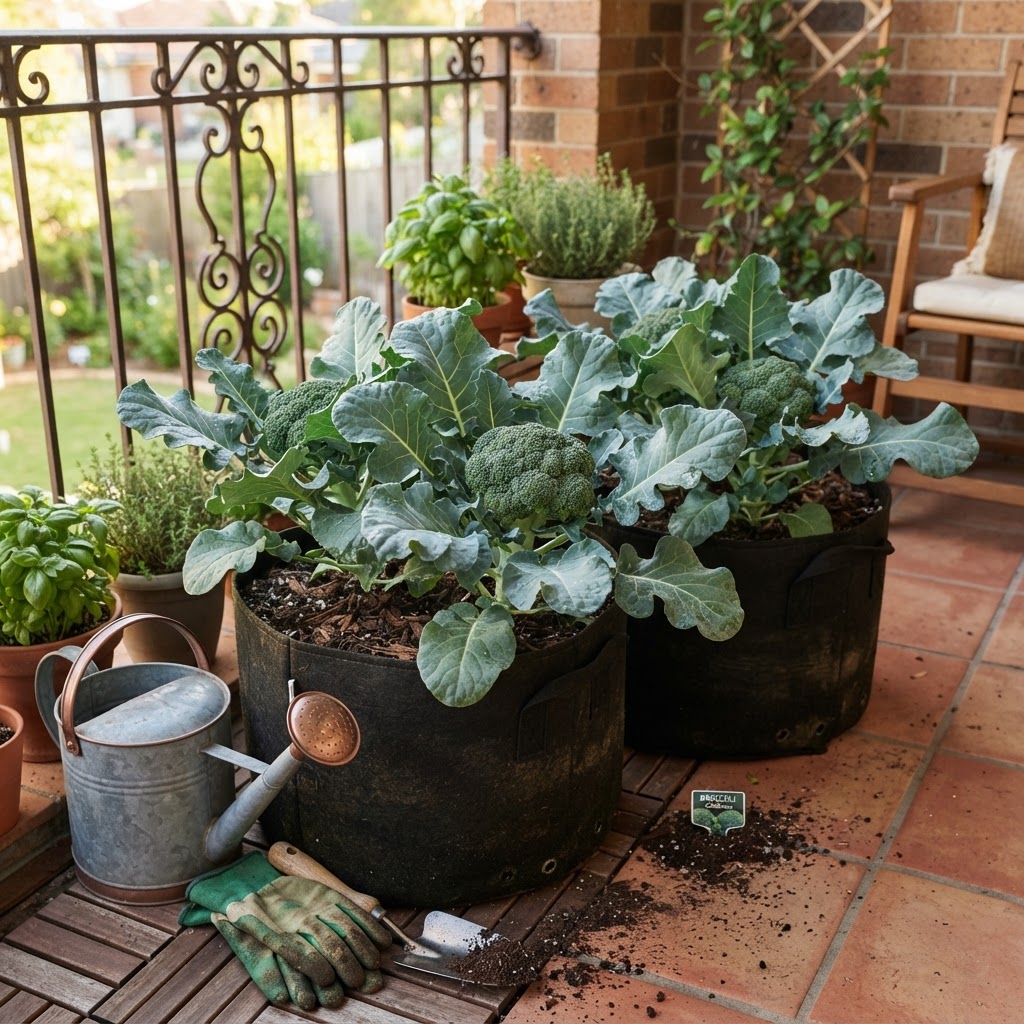
How to Grow Broccoli in Containers: A Beginner-Friendly Step-by-Step Guide
Growing broccoli in pots is one of the easiest ways to enjoy a cool-season vegetable even if you have a tiny yard, patio, balcony, or no in-ground garden at all. With the right container, healthy soil, and a little attention to watering, you can grow crisp, homegrown broccoli heads right outside your door.
If you are new to container gardening, don’t worry. Broccoli is very manageable for beginners when you understand what it needs and when to grow it.
Why This Topic Matters
Broccoli is packed with nutrients, productive in cooler weather, and surprisingly well-suited to container gardening. For many home gardeners, containers make it possible to grow vegetables in spaces where raised beds or garden rows are not an option.
Container growing also gives you more control over soil quality, drainage, and placement. That matters with broccoli because it prefers rich soil, steady moisture, and cool temperatures.
Another reason this topic matters is timing. Broccoli often struggles in hot weather, so many beginners fail simply because they plant at the wrong season. Learning how to grow broccoli in containers helps you avoid that common problem and gives you a better chance of harvesting full, tight heads.
Quick Answer
To grow broccoli in containers, choose a pot at least 12 to 18 inches wide and deep, fill it with rich, well-draining potting mix, and plant broccoli in cool weather with at least 6 hours of sun daily. Keep the soil evenly moist, feed regularly with a balanced fertilizer, and harvest the main head before the flower buds begin to open.
For best results, grow one broccoli plant per container, or give each plant plenty of space in a larger pot. Spring and fall are usually the best seasons for growing broccoli in containers.
Step-by-Step Guide
1. Pick the right broccoli variety
Not every broccoli variety performs the same in containers. Compact or smaller-headed types are often easier to manage, especially for beginners.
Good container-friendly options include:
- Compact broccoli varieties
- Sprouting broccoli
- Varieties labeled for small spaces or containers
- Heat-tolerant types if your springs warm up quickly
Check the seed packet or plant tag for mature size and days to harvest. If space is limited, avoid very large varieties unless you have a roomy container.
2. Choose a large enough container
Broccoli is not a tiny plant, so container size matters a lot. Small pots dry out too fast and restrict root growth, which can lead to weak plants and tiny heads.
A good rule is:
- Minimum: 12 inches deep and 12 to 18 inches wide for one plant
- Better: 5-gallon container for one plant
- Best: larger tubs or planters if growing multiple plants
If you want to plant more than one broccoli plant in a large container, space them about 18 inches apart. Make sure the container has drainage holes so excess water can escape.
3. Use high-quality potting mix
Do not fill containers with soil dug from your yard. Garden soil usually compacts in pots, drains poorly, and can introduce weeds or disease.
Instead, use a loose, high-quality potting mix. Broccoli grows best in fertile soil rich in organic matter.
A great potting mix for broccoli containers should include:
- Quality potting soil
- Compost or aged organic matter
- Good drainage materials such as perlite or pine bark fines
If you want to improve nutrition from the start, mix in a balanced slow-release fertilizer according to label directions.
4. Plant at the right time
This is one of the biggest keys to success. Broccoli prefers cool weather and often performs best in spring or fall.
In many climates:
- Plant in early spring for a late spring or early summer harvest
- Plant in late summer for a fall harvest
- In mild-winter climates, broccoli may grow through fall and winter
Try to avoid having your broccoli mature during hot weather. Heat can cause bolting, which means the plant quickly sends up flowers instead of forming a nice head.
5. Start from seeds or seedlings
You can grow broccoli in containers from either seeds or transplants. For beginners, seedlings from a garden center are often the easiest option.
If starting from seed:
- Sow seeds about 1/4 to 1/2 inch deep.
- Keep the soil lightly moist while they germinate.
- Thin seedlings so each plant has enough room.
- Transplant carefully once they have several true leaves.
If using seedlings:
- Fill your container with potting mix.
- Dig a hole slightly larger than the root ball.
- Set the seedling at the same depth it was growing before.
- Firm the soil gently around it.
- Water thoroughly after planting.
6. Give broccoli enough sun
Broccoli grows best with full sun, especially in cool weather. Aim for at least 6 hours of sunlight each day, though 8 hours is even better in many regions.
If you live in a warmer climate, a little afternoon shade can help reduce heat stress. This can be especially helpful for container plants, since pots warm up faster than garden beds.
7. Water consistently
Container-grown broccoli needs steady moisture to grow well. Because pots dry out faster than the ground, this is one area where beginners need to pay close attention.
The goal is evenly moist soil, not soggy soil. If the soil dries out too much, broccoli may become stressed and produce small or poor-quality heads.
Helpful watering tips:
- Check the soil daily in warm or windy weather
- Water when the top inch of soil feels dry
- Water deeply until excess drains from the bottom
- Add mulch on top of the soil to help hold moisture
Uneven watering can also lead to slowed growth. A regular routine makes a big difference.
8. Feed your plants regularly
Broccoli is a fairly heavy feeder, especially in containers where nutrients wash out more quickly. Even rich potting mix usually needs extra feeding as the plant grows.
Use a balanced vegetable fertilizer or one slightly higher in nitrogen during early growth. Follow package directions and avoid overfertilizing, which can lead to lots of leaves but smaller heads.
A simple feeding plan might look like this:
- Mix slow-release fertilizer into the soil at planting
- Feed every 2 to 3 weeks with a diluted liquid fertilizer
- Reduce heavy feeding once the main head starts forming
9. Watch for pests
Broccoli belongs to the cabbage family, which means certain pests love it. The most common container broccoli pests include cabbage worms, aphids, and flea beetles.
Check leaves often, especially the undersides. The earlier you spot damage, the easier it is to manage.
Simple pest control methods include:
- Hand-picking caterpillars
- Using insect netting or row covers
- Spraying aphids off with water
- Applying organic controls like Bt only when needed
Healthy, unstressed plants are usually better able to cope with minor pest issues.
10. Harvest at the right stage
The main broccoli head should be harvested when it is full, tight, and deep green. If you wait too long and the buds start to loosen or show yellow flowers, quality drops quickly.
Use a clean knife or pruners to cut the main head with several inches of stem attached. After harvesting the main head, many broccoli plants will produce smaller side shoots that you can continue picking.
Harvest tips:
- Cut in the morning for the best freshness
- Don’t wait for the head to get oversized
- Check daily as harvest time approaches
- Keep watering and feeding lightly for side shoots
Common Beginner Mistakes
Using a container that is too small
Crowded roots lead to stunted plants and tiny harvests. Broccoli simply needs more space than many beginners expect.
Planting in hot weather
This is one of the most common reasons broccoli fails. If temperatures rise too quickly, the plant may bolt before it forms a good head.
Letting the soil dry out
A stressed broccoli plant can become bitter, weak, or slow to form heads. Container plants need more frequent watering than in-ground plants.
Overcrowding multiple plants
It is tempting to fit extra seedlings into one pot, but broccoli needs room for leaves and roots. Too many plants in one container usually means none of them do well.
Forgetting to fertilize
Broccoli is a hungry crop. In containers, regular feeding is important because nutrients do not last as long as they do in a garden bed.
Waiting too long to harvest
A broccoli head can go from perfect to flowering surprisingly fast. Once buds start to open, the texture and flavor decline.
Best Tips for Success
If you want the best possible results, focus on a few basics and stay consistent. Broccoli is not difficult, but it does reward attention.
Here are some of the best tips for success:
- Start with strong seedlings or fresh seeds
- Use one large container per plant whenever possible
- Plant for cool-season growth, not summer heat
- Keep moisture even from planting to harvest
- Feed regularly but moderately
- Inspect plants often for pests
- Harvest promptly while heads are still tight
One extra tip many beginners overlook is container placement. Put your broccoli where it gets good sun but is easy for you to check every day. Plants that are visible are more likely to get watered, fed, and harvested on time.
Another smart strategy is succession planting. Instead of planting all your broccoli at once, plant a few containers 1 to 2 weeks apart. This can spread out your harvest and lower the risk of all your plants maturing during a sudden warm spell.
Recommended Supplies or Tools
You do not need a long list of fancy equipment to grow broccoli in containers. A few basic supplies will make the process easier and more successful.
Helpful supplies include:
- A 5-gallon or larger container with drainage holes
- High-quality potting mix
- Compost
- Balanced vegetable fertilizer
- Hand trowel
- Watering can or hose with gentle spray
- Mulch such as straw or shredded leaves
- Garden gloves
- Pruners or harvesting knife
- Insect netting if cabbage pests are common
If you are shopping online, choose sturdy containers and a potting mix made for vegetables or raised beds. Avoid cheap, dense soil products that can become muddy and compacted.
Frequently Asked Questions
Can broccoli really grow well in containers?
Yes, broccoli can grow very well in containers if the pot is large enough and the plant gets cool weather, sun, water, and nutrients. Many gardeners have better luck in containers because they can control the soil and move pots when needed.
How many broccoli plants can I grow in one container?
For best results, grow one broccoli plant per 5-gallon container. In a much larger planter, space plants about 18 inches apart so they have enough room to develop properly.
How long does broccoli take to grow in containers?
Most broccoli varieties take roughly 60 to 100 days from seed, depending on the type and the weather. Transplants are faster because they already have a head start.
Does broccoli regrow after cutting?
The main head does not regrow, but many varieties produce smaller side shoots after the central head is harvested. These side shoots can provide several additional harvests.
Why is my container broccoli making tiny heads?
Tiny heads are often caused by heat stress, a container that is too small, inconsistent watering, poor fertility, or a variety that naturally produces smaller heads. Planting at the right time and keeping conditions steady usually improves size.
Final Thoughts
Learning how to grow broccoli in containers is a great way to expand your home vegetable garden, even in a small space. With a roomy pot, rich soil, steady moisture, and cool-season timing, broccoli can be a rewarding crop for beginners.
Start simple with one or two healthy plants and pay attention to the basics. Once you harvest your first firm, homegrown head, you will likely want to make broccoli a regular part of your spring or fall container garden.