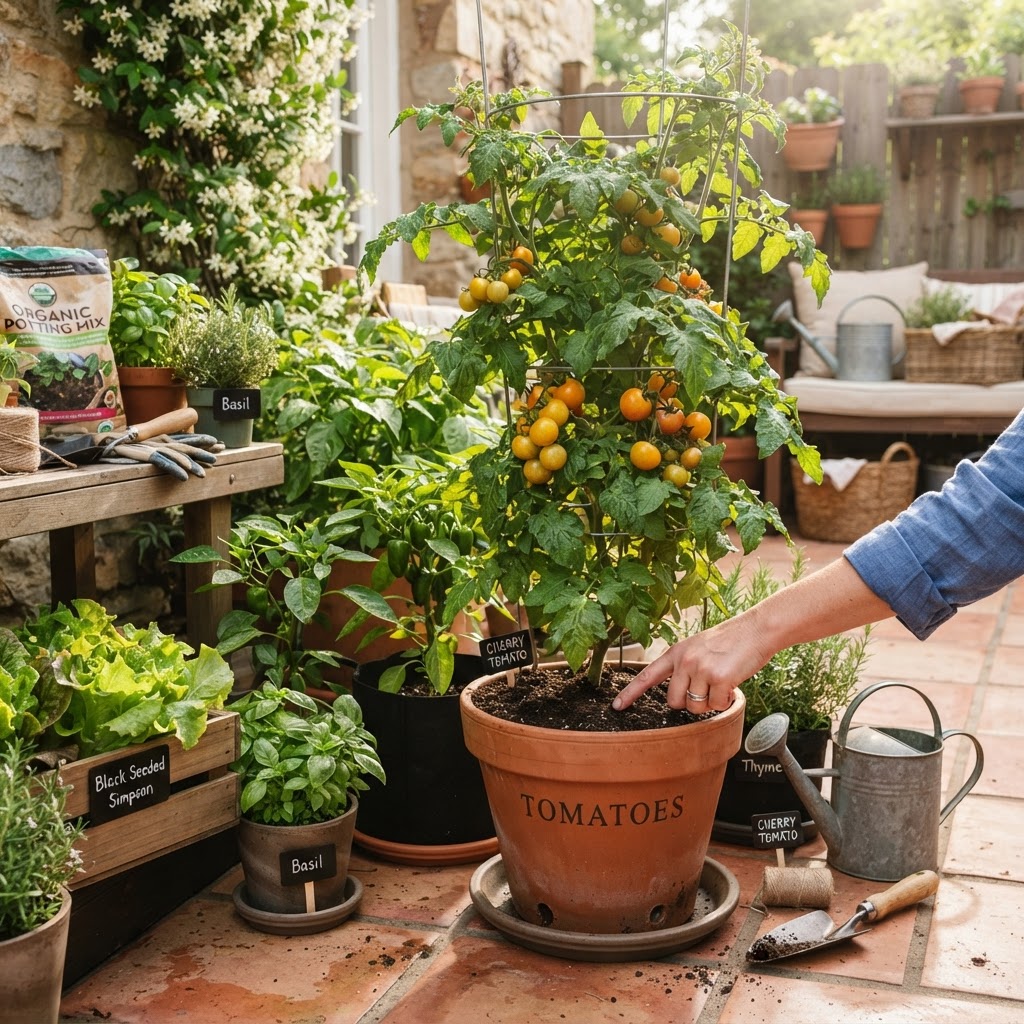
How to Prevent Root Rot in Container Vegetables: Simple Steps for Healthy Pots
Container gardening is one of the easiest ways to grow vegetables at home, but soggy soil can turn a thriving pot into a problem fast. If your plants are wilting, yellowing, or stalling even though the soil seems wet, root rot may be the reason.
The good news is that root rot is usually preventable. With the right container, potting mix, and watering habits, you can keep your vegetable roots healthy and your harvest on track.
Why This Topic Matters
Root rot is one of the most common problems in container gardens, especially for beginners. It happens when roots sit in overly wet soil for too long and begin to decay, often with the help of fungal or water-mold pathogens.
In garden beds, excess water can move deeper into the ground. In containers, roots are trapped in a limited space, so poor drainage or overwatering can damage a plant much more quickly.
When roots rot, they cannot absorb water and nutrients properly. That is why a plant can look wilted even when the potting mix is soaked.
Preventing root rot matters because it helps you:
- Grow stronger, more productive vegetable plants
- Avoid losing seedlings and transplants
- Reduce disease problems in warm, wet weather
- Save money on soil, plants, and containers
- Build confidence as a new gardener
Many popular container vegetables can suffer from root rot, including:
- Tomatoes
- Peppers
- Cucumbers
- Eggplant
- Beans
- Lettuce
- Herbs grown alongside vegetables
Once root rot becomes severe, saving the plant can be difficult. Prevention is much easier than treatment, which is why a few smart habits make such a big difference.
Quick Answer
To prevent root rot in container vegetables, use pots with drainage holes, fill them with a light, well-draining potting mix, water only when the top inch of soil is dry, and never let containers sit in standing water. Give plants the right pot size, avoid compacted soil, and make sure air can move around the roots and the container.
If you want a simple rule to remember, it is this: healthy container roots need moisture, but they also need oxygen. Root rot starts when the balance tips too far toward constant wetness.
Step-by-Step Guide
1. Start with containers that drain well
Drainage is the first line of defense against root rot. Every vegetable container should have drainage holes in the bottom so extra water can escape.
If you are reusing buckets, tubs, or decorative pots, check before planting. A pretty container without drainage is risky unless you use it only as an outer cover pot and keep the growing pot inside it.
Look for containers that:
- Have several drainage holes, not just one tiny opening
- Are large enough for the crop you want to grow
- Do not trap water in built-in saucers for long periods
- Are made from materials that suit your climate
Plastic and glazed pots hold moisture longer. Fabric pots and terra-cotta dry out faster and can help in humid climates where soggy soil is a bigger issue.
2. Choose the right pot size
Pot size affects moisture levels more than many beginners realize. A container that is too small can dry out too fast, but one that is far too large for a tiny plant can stay wet for too long.
Match the pot to the mature plant whenever possible. For example, tomatoes and peppers usually need deeper, larger containers than lettuce or bush beans.
As a general guide:
- Leafy greens can often grow in shallow to medium containers
- Peppers prefer medium to large pots
- Tomatoes usually do best in large containers
- Cucumbers need roomy containers with good drainage
If you are transplanting seedlings into a very large pot, be extra careful not to water the entire container too heavily at first. Small roots cannot use all that moisture right away.
3. Use a quality potting mix, not garden soil
One of the fastest ways to invite root rot is filling containers with dense garden soil. It compacts easily in pots, drains poorly, and limits oxygen around the roots.
Instead, use a high-quality potting mix designed for containers. Good potting mix is light, fluffy, and able to hold moisture while still allowing extra water to drain away.
A beginner-friendly container mix often includes ingredients such as:
- Peat moss or coco coir
- Perlite or pumice
- Compost in moderate amounts
- Pine bark fines or other coarse organic material
Avoid packing the mix down hard when planting. Gently fill the container and lightly firm it just enough to support the plant.
4. Water based on soil moisture, not the calendar
Overwatering is a major cause of root rot in container vegetables. Many beginners water every day because they assume containers always dry out fast, but that is not always true.
The best method is to check the soil before watering. Insert your finger about an inch deep into the potting mix. If it still feels moist at that depth, wait and check again later.
You can also lift smaller containers. A pot that feels noticeably light often needs water, while a heavy pot may still be holding plenty of moisture.
When you do water:
- Water slowly and evenly around the plant
- Keep watering until a little drains from the bottom
- Let the container drain fully
- Empty saucers if water remains for long
Deep, thorough watering is better than frequent light sprinkles. Light watering wets only the surface and can encourage shallow roots.
5. Never let pots sit in standing water
A saucer under a container can protect your patio or balcony, but it should not stay full of water. When roots sit above trapped water, the lower part of the potting mix remains saturated for too long.
After watering, check saucers, trays, or cachepots. Dump out any excess water once drainage has finished.
This is especially important after heavy rain. Outdoor containers can collect more water than expected during wet weather.
6. Give plants enough airflow and sunlight
Poor air circulation slows drying and creates damp conditions that favor disease. Containers packed too closely together can stay wet longer, especially in shady or humid areas.
Space pots so air can move around them. Prune overcrowded leaves when needed, especially on tomatoes.
Most fruiting vegetables also need plenty of sun. While sunlight alone will not prevent root rot, strong growing conditions help plants use water more efficiently and recover from stress.
7. Be careful in rainy weather
Long stretches of rain can overwhelm even well-managed containers. If your area gets frequent summer storms, keep an eye on moisture levels and move smaller pots under cover when needed.
Helpful rainy-weather strategies include:
- Moving containers to a covered porch or eave
- Elevating pots slightly off flat surfaces
- Using pot feet or bricks to improve drainage
- Checking saucers after storms
- Reducing extra watering until the mix actually dries some
8. Avoid overfertilizing and root stress
Too much fertilizer does not directly cause root rot, but it can stress roots and make plants more vulnerable. Salt buildup from excess feeding can damage delicate root tissue.
Use fertilizer according to label directions and the needs of the crop. Steady, moderate feeding is usually better than strong, frequent doses.
Try to avoid other root stress too, such as rough transplanting or repeatedly disturbing the soil around established plants.
9. Inspect roots and plants early
The earlier you catch trouble, the better your chances of fixing it. Watch for warning signs such as:
- Wilting despite wet soil
- Yellowing leaves
- Slow growth
- Mushy stems near the soil line
- A sour or swampy smell from the pot
If you suspect root rot, gently slide the plant from the pot if possible. Healthy roots are usually white or light tan and firm. Rotten roots are often brown, black, mushy, or slimy.
If the problem is mild, you may be able to trim damaged roots, repot into fresh dry potting mix, and correct your watering habits. If the root system is mostly gone, replacement is often the most practical choice.
10. Clean and reuse containers safely
Old soil and dirty pots can sometimes carry disease organisms into the next planting. At the end of the season, remove spent roots and wash containers before reusing them.
A simple cleanup routine helps a lot:
- Empty old potting mix
- Brush out stuck debris
- Wash with soap and water
- Sanitize if disease was present
- Let containers dry before refilling
Fresh potting mix gives new plants a healthier start than tired, compacted media from a failed container.
Common Beginner Mistakes
Watering on autopilot
A fixed schedule like “every morning no matter what” often leads to soggy containers. Weather, plant size, container material, and season all affect how fast a pot dries.
Using the wrong soil
Digging soil from the yard may seem convenient, but it is usually too heavy for containers. It compacts easily and can hold far too much water around vegetable roots.
Forgetting drainage holes
This mistake is surprisingly common with decorative planters, repurposed buckets, and indoor-outdoor containers. Without drainage holes, water has nowhere to go.
Planting too densely
Too many plants in one pot means crowded roots, poor airflow, and uneven moisture use. It can also make the container stay wetter in the center than expected.
Leaving water in saucers
Beginners often focus on watering from the top and forget what happens underneath. A full saucer can keep the bottom half of the pot overly wet.
Reusing old compacted potting mix
Potting mix breaks down over time. As particles get finer, drainage slows and the risk of waterlogging rises.
Ignoring early symptoms
A wilted plant in wet soil is not asking for more water. That is one of the classic signs that roots may already be stressed.
Best Tips for Success
If you want the simplest path to healthier container vegetables, focus on these practical habits:
- Check soil moisture with your finger before every watering
- Use container-specific potting mix every season or refresh it well
- Pick containers with generous drainage holes
- Match the pot size to the crop
- Empty saucers after watering and rain
- Space containers for better airflow
- Adjust care during cool, cloudy, or rainy periods
- Start small and observe how fast each pot dries
A gardening journal can help too. Write down which containers dry quickly, which stay wet longest, and how often each crop truly needs water in your climate.
This simple tracking helps you move from guessing to understanding. That is often the turning point for new container gardeners.
Recommended Supplies or Tools
You do not need a lot of fancy gear to prevent root rot, but a few basic supplies make the job easier.
Helpful essentials
- Containers with multiple drainage holes
- High-quality potting mix for vegetables
- Saucers that are easy to empty
- A watering can with a gentle rose
- Hand pruners for trimming damaged growth
- Pot feet, bricks, or risers to lift containers slightly
Nice-to-have tools
- A soil moisture meter for extra confidence
- Fabric grow bags in wet or humid climates
- A small trowel for repotting
- Labels to track varieties and watering patterns
When shopping online, read product details carefully and make sure the size and drainage features match the vegetable you want to grow. Bigger is not always better if the plant is still small, but cramped containers are rarely a good long-term choice either.
Frequently Asked Questions
Can a plant recover from root rot?
Sometimes, yes, if you catch it early. Remove the plant from the container, trim off mushy roots, repot in fresh well-draining mix, and correct the watering problem.
If most of the roots are rotten, the plant may not recover. In that case, it is often better to start over with a healthy transplant.
How do I know if I am overwatering container vegetables?
Look for yellow leaves, wilting in wet soil, slow growth, fungus gnats, and a pot that stays heavy for days. These are common signs that the potting mix is staying too wet.
The best prevention is checking the soil before watering instead of following a strict schedule.
Is root rot caused only by too much water?
Too much water is the main trigger, but poor drainage, compacted soil, low airflow, cool conditions, and disease organisms all play a role. Root rot is usually the result of several conditions coming together.
Should I put rocks in the bottom of pots for drainage?
No. This is a common gardening myth. Rocks at the bottom do not improve drainage the way people expect and can actually reduce the amount of soil available for roots.
It is better to use a proper potting mix and containers with drainage holes.
Which container materials are best for preventing root rot?
There is no single perfect material, but each has strengths. Terra-cotta and fabric pots dry faster, which can help in humid climates. Plastic and glazed containers hold moisture longer, which can help in hot, dry areas but requires more careful watering.
Final Thoughts
Learning how to prevent root rot in container vegetables comes down to one core idea: keep roots moist, but never waterlogged. Once you combine drainage holes, fluffy potting mix, and smarter watering habits, you are already doing most of the important work.
Do not be discouraged if you have lost a plant or two to soggy soil. Nearly every container gardener has made that mistake at some point.
The good news is that root rot prevention is simple once you know what to watch for. Start with one or two changes today, and your vegetable containers will be much more likely to stay healthy, productive, and easy to manage all season long.