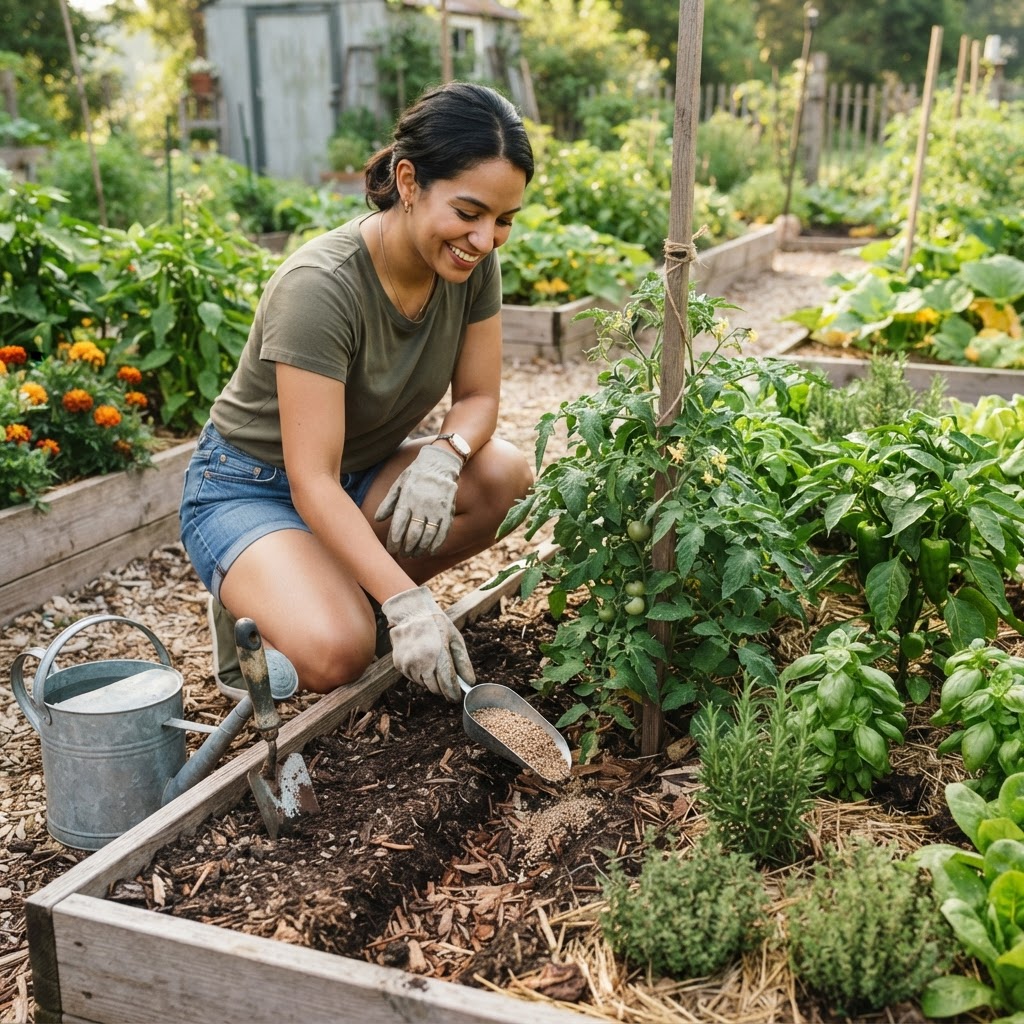
How to Side Dress Vegetables With Fertilizer: A Simple Beginner’s Guide
If your vegetables started strong but now seem a little tired, pale, or slow to grow, they may need a boost. Learning how to side dress vegetables with fertilizer is one of the easiest ways to feed growing plants without digging up your garden or making things complicated.
Side dressing sounds technical, but it is really just adding fertilizer next to plants while they are actively growing. Done the right way, it can help leafy crops stay lush, fruiting plants keep producing, and hungry vegetables get through the season with less stress.
Why This Topic Matters
Many beginner gardeners focus on fertilizing before planting and forget that vegetables are heavy feeders once they start growing. Plants use up nutrients quickly, especially in raised beds, containers, and intensively planted garden rows.
Rain, frequent watering, and fast plant growth can all reduce the nutrients available in the soil. Even if you added compost at planting time, crops like tomatoes, corn, cabbage, squash, and peppers often benefit from extra feeding later.
Side dressing matters because it delivers nutrients when plants need them most. Instead of dumping fertilizer all over the bed, you place it near the root zone where plants can access it gradually.
This method is especially helpful for beginners because it is simple, targeted, and flexible. You can use organic fertilizers, compost, worm castings, or balanced granular products depending on what you grow and how your soil performs.
Quick Answer
To side dress vegetables with fertilizer, place a small amount of fertilizer in a narrow band a few inches away from the base of the plant, lightly scratch it into the top layer of soil, and water well. Keep the fertilizer off stems and leaves, and follow the product label or a light feeding approach if you are using compost or organic amendments.
For most vegetables, side dressing is best done when plants are established and growing actively. Common timing includes when seedlings are a few inches tall, when leafy crops need a boost, or when fruiting vegetables begin flowering or setting fruit.
Step-by-Step Guide
Side dressing is easier than it sounds. Follow these simple steps to feed your vegetables safely and effectively.
1. Decide whether your plants need feeding
Not every plant needs extra fertilizer right away. Look for signs that your vegetables are established, actively growing, and ready for more nutrients.
You may want to side dress if you notice:
- Pale green or yellowing older leaves
- Slow growth despite good watering
- Heavy-feeding crops getting larger fast
- Fruiting crops starting to flower or set fruit
- Leafy greens that need another flush of growth
Keep in mind that yellow leaves can also come from overwatering, pests, disease, or poor drainage. If the problem seems widespread and severe, it helps to check watering and soil conditions too.
2. Choose the right fertilizer
You can side dress with several types of materials. The best choice depends on your gardening style, your soil, and the crops you are growing.
Common side-dressing options include:
- Finished compost
- Worm castings
- A balanced organic granular fertilizer
- Blood meal for a nitrogen boost on leafy crops
- Fish meal or feather meal in organic systems
- A vegetable-specific granular fertilizer
For beginner gardeners, a gentle organic granular fertilizer is often the easiest option because it releases nutrients more slowly and is less likely to burn plants when used correctly.
If you are feeding leafy crops like lettuce, kale, spinach, or cabbage, a fertilizer with a bit more nitrogen can help. For fruiting crops like tomatoes and peppers, avoid overdoing high-nitrogen products once plants are flowering, or you may get lots of leaves and fewer fruits.
3. Read the label or use a light hand
This step matters more than many beginners realize. Different fertilizers have different strengths, so there is no one-size-fits-all amount.
Always follow label directions for granular fertilizers. If you are using compost, a thin layer or small handful around each plant is usually enough.
When in doubt, less is better than more. You can always feed again later, but too much fertilizer can stress plants and damage roots.
4. Place the fertilizer beside the plant, not on it
The key to side dressing is location. You want the fertilizer close enough for roots to reach it, but not so close that it touches the stem.
As a general guide:
- For small plants, place fertilizer about 2 to 3 inches away from the stem
- For medium plants, place it about 4 to 6 inches away
- For row crops, place it in a band a few inches to the side of the row
- For large plants like tomatoes or squash, place it several inches away around the drip line area
Think of making a loose ring or shallow trench around the plant rather than piling fertilizer at the base.
5. Apply it in a narrow band or shallow ring
There are two common ways to side dress.
For individual plants: Make a shallow circle or semicircle around the plant and sprinkle the fertilizer lightly into that area.
For rows of vegetables: Make a shallow furrow 3 to 4 inches away from the row and sprinkle fertilizer evenly down the line.
Do not bury fertilizer deeply. Most feeder roots are in the upper layer of soil, so a shallow application works well.
6. Lightly work it into the soil surface
Use your fingers, a hand fork, or a small cultivator to gently scratch the fertilizer into the top inch or so of soil. This helps keep it from washing away and starts moving nutrients into the root zone.
Be careful not to disturb roots, especially around shallow-rooted vegetables like lettuce, onions, and beans. Gentle is the goal.
7. Water thoroughly after feeding
Watering is one of the most important parts of side dressing. It helps dissolve nutrients, move them into the soil, and reduce the chance of fertilizer burn.
A deep, gentle watering is better than a quick splash. If rain is expected soon, timing your side dressing just before a light rain can also work well, though very heavy rain may wash nutrients away.
8. Watch how plants respond
You do not need to guess forever. Plants usually show you whether the feeding helped.
Over the next one to two weeks, look for:
- Deeper green leaves
- Steadier growth
- Improved flowering or fruit set
- Better vigor overall
If plants look healthy and productive, you probably got it right. If they still seem weak, revisit your watering routine, sunlight levels, and overall soil health before adding more fertilizer.
9. Repeat only if needed
Some vegetables benefit from more than one side dressing during the season. Heavy feeders often need another application after several weeks, especially in long growing seasons.
Vegetables that often appreciate side dressing include:
- Tomatoes
- Peppers
- Corn
- Cabbage
- Broccoli
- Cauliflower
- Squash
- Cucumbers
- Potatoes
Lighter feeders, such as beans and peas, usually need less extra fertilizer, especially if your soil already has good organic matter.
Simple crop timing examples
If you are not sure when to side dress specific vegetables, these beginner-friendly timing points can help:
Tomatoes
Side dress when the first fruits are forming, then again later if plants are producing heavily. Keep fertilizer a few inches away from the stem and avoid overfeeding with nitrogen.
Peppers and eggplant
Feed when plants begin flowering or setting fruit. A balanced fertilizer works better than a very nitrogen-heavy one.
Corn
Side dress when plants are about knee-high or 8 to 12 inches tall. Corn is a heavy feeder and often responds well to extra nutrients.
Cabbage, broccoli, and cauliflower
Apply fertilizer a few weeks after transplanting and again if growth slows. These crops like steady nutrition during leaf and head development.
Lettuce, kale, and other greens
Give a light side dressing once plants are established and again after harvesting outer leaves if needed. Too much fertilizer can make growth soft, so use a gentle amount.
Squash and cucumbers
Feed when vines begin to run or when flowering starts. A side dressing at that stage can support strong fruit production.
Common Beginner Mistakes
Most side-dressing problems come from using too much fertilizer or placing it incorrectly. The good news is that these mistakes are easy to avoid once you know what to watch for.
Putting fertilizer against the stem
This is one of the most common mistakes. Fertilizer touching stems can burn tender plant tissue and stress the plant instead of helping it.
Always leave a little space between the fertilizer and the plant base.
Applying too much at once
More is not better. Too much fertilizer can lead to burned roots, weak growth, salt buildup, or lots of leaves with poor fruit production.
Start with the lower end of the recommended amount, especially if your soil is already rich in compost.
Feeding dry soil
Applying fertilizer to bone-dry soil increases the risk of root stress. If the bed is very dry, water lightly first, then apply fertilizer, then water again.
Moist soil helps nutrients move more evenly.
Fertilizing stressed plants without checking other causes
A wilted or yellow plant is not always hungry. It may be dealing with overwatering, underwatering, pests, disease, compacted soil, or temperature stress.
If the plant is clearly struggling for reasons beyond nutrition, fertilizer alone will not fix the problem.
Using high nitrogen at the wrong time
Nitrogen helps leafy growth, which is great for greens. But too much nitrogen on flowering tomatoes, peppers, or beans can delay fruiting or reduce harvest quality.
Match your fertilizer choice to the crop and growth stage.
Forgetting to water afterward
Granular fertilizers need water to begin working. If you skip this step, nutrients may sit on the surface and become less effective.
Watering also helps prevent leaf or root burn.
Best Tips for Success
If you want side dressing to feel simple and reliable, these practical tips can make a big difference.
Build healthy soil first
Side dressing works best when it supports an already healthy garden. Start your season with compost and good soil structure so fertilizer becomes a helpful supplement, not a rescue plan.
Healthy soil holds nutrients better and supports stronger root systems.
Keep a simple garden notebook
Write down when you side dress, what product you used, and how plants responded. This makes it much easier to adjust your approach next season.
You do not need anything fancy. Even a few notes on your phone can help.
Feed lightly and consistently
Small, timely applications often work better than one heavy feeding. This is especially true in raised beds and for long-season crops.
Think of side dressing as giving plants a steady meal rather than a huge buffet.
Mulch after watering
If you use straw, shredded leaves, or another mulch, you can pull it back to side dress and then replace it after watering. Mulch helps hold moisture and reduces nutrient loss from the soil surface.
This is especially helpful during hot summer weather.
Watch weather conditions
Avoid side dressing right before extreme heat if plants are already stressed. Also try not to fertilize just before a hard, pounding rain that may wash nutrients away.
Mild weather and evenly moist soil give the best results.
Know which crops usually need less
Beans, peas, and herbs often need less supplemental feeding than heavy-feeding vegetables. If you fertilize these too often, you may get lush growth with fewer useful harvests.
When unsure, feed lightly and observe.
Recommended Supplies or Tools
You do not need much to side dress vegetables successfully. A few simple garden tools make the job faster and neater.
Helpful supplies include:
- A balanced organic granular vegetable fertilizer
- Finished compost or worm castings
- A small hand trowel or hand fork
- Gardening gloves
- A watering can or hose with a gentle setting
- A bucket or scoop for carrying amendments
- Plant labels or a notebook for tracking feeding dates
If you want a dedicated hand tool for shallow scratching and light cultivating, a small hand cultivator can be useful. If you mention products in your own blog later, remember that any Amazon links should use the full URL format required by your site.
Frequently Asked Questions
Can I side dress vegetables with compost?
Yes. Compost is one of the easiest and safest materials for side dressing, especially for beginners. Spread a thin layer around the plant, keep it away from the stem, and water it in.
Compost usually provides a gentler nutrient boost than concentrated fertilizer, so results may be slower but it also carries less risk of burn.
How often should I side dress vegetables?
It depends on the crop, your soil, and the fertilizer you use. Heavy feeders may benefit every 3 to 6 weeks during active growth, while lighter feeders may need little or none.
Always observe your plants and avoid routine feeding just because the calendar says so.
Can I side dress container vegetables?
Yes, but use extra care because nutrients are more concentrated in containers. Apply a smaller amount around the edge of the pot rather than right next to the stem, and water thoroughly.
Container plants often need feeding more often than in-ground plants, but with lighter doses.
Is side dressing the same as top dressing?
They are similar, but not exactly the same. Side dressing usually means placing fertilizer beside growing plants during the season, while top dressing can mean spreading compost or amendments over the soil surface more generally.
In home gardens, the terms are sometimes used loosely, but side dressing is more targeted.
What vegetables benefit most from side dressing?
Heavy feeders and long-season crops usually benefit the most. Tomatoes, corn, cabbage family crops, peppers, squash, cucumbers, and potatoes are common examples.
Fast leafy crops can also benefit from a light feeding if growth slows.
Final Thoughts
Learning how to side dress vegetables with fertilizer is a small skill that can make a big difference in your garden. It gives plants extra nutrition at the moment they need it, without turning fertilizing into a complicated chore.
If you are new to vegetable gardening, start simple. Use a gentle fertilizer, keep it a few inches away from stems, water well, and pay attention to how your plants respond.
With a little practice, side dressing becomes one of those easy seasonal habits that helps your vegetables stay productive and healthy. You do not need perfect timing or expensive products—just a careful hand, good observation, and the willingness to learn from your garden as the season unfolds.