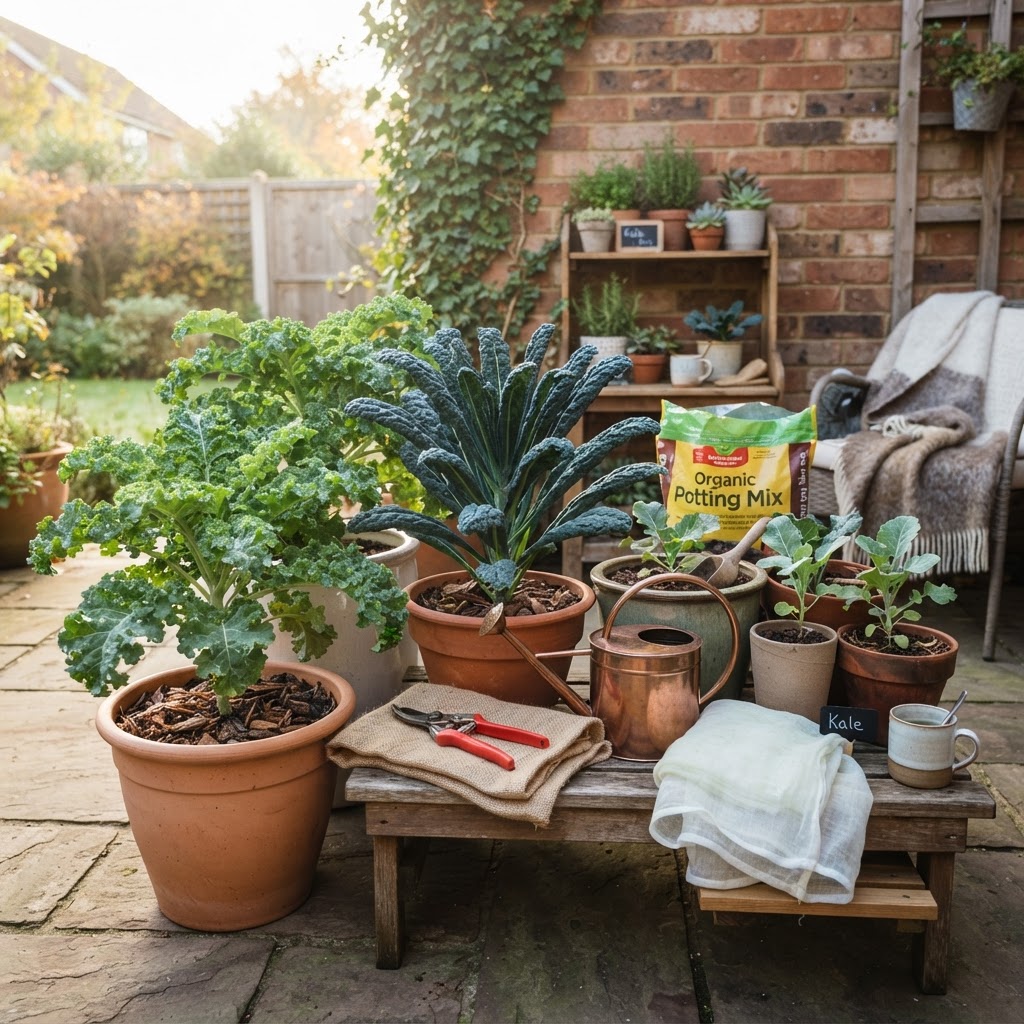
How to Grow Kale in Containers Year Round: A Beginner-Friendly Guide
Growing kale in pots is one of the easiest ways to keep fresh greens close to your kitchen all year. Kale is hardy, productive, and forgiving, which makes it a great choice for beginners who want steady harvests from a balcony, patio, porch, or sunny windowsill.
The key is understanding how kale behaves in different seasons and adjusting your setup as the weather changes. With the right container, soil, light, and care routine, you can grow kale in containers year round in many climates.
Why This Topic Matters
Kale is one of the most useful vegetables for home gardeners because it produces over a long period instead of all at once. A few healthy plants can provide repeated harvests for salads, soups, smoothies, sautés, and chips.
Container growing makes kale even more accessible. You do not need raised beds, a large yard, or perfect garden soil. If you have a spot with enough light and a container deep enough for roots, you can grow it.
Year-round growing matters because kale actually prefers cool weather. While many vegetables slow down or fail in cold months, kale can keep going through chilly temperatures and may even taste sweeter after light frost.
For beginners, this means you can enjoy an easy crop in spring, fall, winter in mild climates, and even summer with the right protection. Learning how to manage kale through each season helps you keep plants productive much longer.
Quick Answer
To grow kale in containers year round, choose a pot at least 12 inches deep with drainage holes, fill it with high-quality potting mix plus compost, and place it where it gets 4 to 6 hours of sun in cool seasons and partial shade in hot weather. Keep soil evenly moist, feed regularly with a balanced fertilizer, harvest outer leaves often, and protect plants from extreme heat, deep freezes, and common pests.
In colder climates, move containers to a sheltered area, use row covers or frost cloth, or grow under lights indoors during the harshest part of winter. In hot climates, grow kale mainly through fall, winter, and spring, and use shade to extend the season.
Step-by-Step Guide
1. Pick the right kale variety
Almost any kale can grow well in containers, but compact and productive types are especially beginner-friendly. Curly kale, lacinato kale, and dwarf varieties all do well in pots.
Good options include:
- Curly kale for classic, dependable harvests
- Lacinato kale for tender, dark leaves and upright growth
- Red Russian kale for milder flavor, though it can be more delicate in heat
- Dwarf blue curled kale for smaller containers
If you are growing year round, it helps to plant more than one type. Some varieties handle cold better, while others recover faster after warm spells.
2. Choose a container that supports steady growth
Kale develops a decent root system, so avoid tiny pots if you want long-term production. A container at least 12 inches deep and 12 to 18 inches wide works well for one plant.
For multiple plants, use a larger tub, grow bag, or window box. Space plants about 10 to 12 inches apart so they have enough airflow and leaf room.
Look for containers with:
- Drainage holes at the bottom
- Enough depth for roots
- Material that fits your climate
- Easy mobility if you need to move plants seasonally
Plastic and resin pots hold moisture better, which can help in summer. Fabric grow bags drain well and work nicely in cool or mild seasons, but they can dry out faster.
3. Use the right potting mix
Do not fill containers with garden soil. It compacts too easily in pots and can lead to poor drainage, weak roots, and disease problems.
Instead, use a loose, high-quality potting mix designed for containers. Mix in compost to improve nutrient content and moisture retention.
A simple container mix for kale:
- 70 to 80% potting mix
- 20 to 30% finished compost
- Optional handful of worm castings for extra nutrition
Kale prefers fertile soil that drains well but stays lightly moist. This balance is one of the biggest secrets to healthy container plants.
4. Start from seeds or seedlings
You can grow kale from either seeds or young transplants. Seeds are budget-friendly and give you more variety choices, while seedlings save time.
To start from seed:
- Fill the container with moistened potting mix.
- Sow seeds about 1/4 to 1/2 inch deep.
- Keep soil evenly moist until germination.
- Thin seedlings so the strongest plants remain.
To transplant seedlings:
- Water the seedling before planting.
- Dig a hole slightly larger than the root ball.
- Set the plant at the same depth it was growing before.
- Firm the soil gently and water well.
If your goal is year-round harvests, stagger planting times. Start new plants every few months so you always have young, vigorous kale coming on as older plants slow down.
5. Give kale the right amount of light
Kale grows best with plenty of light, but the ideal amount changes with the season. In cool weather, full sun helps plants grow strongly. In hot weather, some afternoon shade can prevent stress and bitterness.
Use this simple guide:
- Fall, winter, and early spring: 5 to 6+ hours of sun is ideal
- Late spring and summer: Morning sun and afternoon shade often work better
- Indoors: Use strong grow lights for 12 to 14 hours daily if natural light is limited
A south-facing balcony, sunny porch, or bright patio is often enough in cooler months. Indoors, a weak windowsill alone may not support full growth during winter.
6. Water consistently, not randomly
Container kale needs more frequent watering than in-ground plants because pots dry out faster. At the same time, soggy soil can cause root problems.
The goal is evenly moist soil. Check the top inch with your finger. If it feels dry, water deeply until excess runs out the drainage holes.
A few watering tips:
- Water at the base, not over the leaves, when possible
- Water in the morning in warm weather
- Check containers daily during heat waves
- Reduce watering in winter when growth slows
Large containers are easier to manage because they hold moisture longer. Small pots can dry out too quickly for steady year-round success.
7. Feed container kale regularly
Kale is a leafy crop, so it appreciates consistent nutrition. Because watering flushes nutrients from containers, potted plants need more feeding than garden beds.
Start with compost-rich potting mix, then add fertilizer on a schedule. A balanced organic fertilizer or one slightly higher in nitrogen works well.
A simple feeding routine:
- Mix compost into the soil at planting
- Feed every 2 to 4 weeks during active growth
- Use a liquid fertilizer for quick support if leaves look pale
- Slow down feeding in the coldest, darkest part of winter
Avoid overfeeding. Too much fertilizer can lead to overly soft growth that attracts pests.
8. Protect kale through each season
This is the real trick behind growing kale in containers year round. You do not need the same setup every month.
Spring
Spring is one of the easiest times to grow kale. Give plants sun, regular water, and fertilizer, and harvest often.
Watch for rapid temperature swings. A surprise warm spell can stress young plants in dark containers, while a late frost can damage tender seedlings.
Summer
Summer is the hardest season for kale in many regions. Heat can make leaves tougher, more bitter, and slower to grow.
To help kale through summer:
- Move pots where they get morning sun only
- Use shade cloth during hot afternoons
- Mulch the soil surface lightly to reduce drying
- Water more often, but do not leave soil soggy
- Start fresh plants in late summer for fall harvests
In very hot climates, kale may not thrive through peak summer no matter what you do. That is normal. Think of summer as a survival period and fall as the restart.
Fall
Fall is prime kale season. Cooler temperatures improve flavor, boost growth, and reduce stress.
This is an excellent time to sow new seeds or transplant fresh seedlings. Plants established in early fall can produce deep into winter.
Winter
In mild climates, kale can stay outdoors all winter with little protection. In colder climates, you may need to move pots against a wall, onto a covered porch, into a cold frame, or indoors under lights.
Helpful winter protection methods include:
- Frost cloth or row cover on cold nights
- Mulch on top of soil to buffer roots
- Grouping pots together for warmth
- Using larger containers that insulate roots better
- Bringing containers inside during severe freezes
Kale leaves can handle cold better than roots in exposed pots. In containers, the root zone freezes faster than it would in the ground, so protecting the pot matters just as much as protecting the foliage.
9. Harvest the right way for continuous production
The best thing about kale is that you do not need to pull the whole plant to eat it. Regular picking actually encourages more growth.
Harvest the oldest outer leaves first once they are large enough to use. Leave the small center leaves to keep the plant growing.
Follow this harvest method:
- Pick outer leaves from the bottom of the plant.
- Use clean scissors or pinch by hand.
- Leave the growing tip in the center untouched.
- Never remove too much at once; about one-third of the plant is a safe maximum.
Frequent light harvests usually work better than occasional heavy cutting. This keeps the plant healthy and productive over a longer period.
10. Refresh and replant when needed
Even with good care, container kale does not last forever. Older plants may become tall, woody, less productive, or more prone to pests.
That is why succession planting is so helpful. Start a new batch before the old one declines.
A practical year-round approach is:
- Start seeds in late winter for spring growth
- Plant again in late summer for fall and winter harvests
- Replace tired summer plants with fresh fall starts
- Keep a few young backup plants whenever possible
Common Beginner Mistakes
One common mistake is using a pot that is too small. Small containers dry out fast, heat up quickly, and limit root growth, which makes year-round success much harder.
Another mistake is treating kale like a summer-loving crop. Kale prefers cool conditions, so too much harsh sun and heat can lead to frustration.
Watch out for these beginner problems:
- Overcrowding plants: Poor airflow encourages pests and disease
- Inconsistent watering: Drought stress makes leaves bitter and tough
- Skipping fertilizer: Containers lose nutrients faster than garden beds
- Harvesting the center: Damaging the growing tip stops production
- Ignoring pests: Aphids and cabbage worms can build up quickly
- Leaving pots unprotected in deep cold: Frozen roots can kill plants even when kale is cold-hardy
It is also easy to wait too long to replace old plants. If your kale is leggy and worn out, starting fresh often works better than trying to force it back into perfect shape.
Best Tips for Success
If you want container kale all year, think in terms of seasonal adjustments instead of one fixed routine. The plants tell you what they need.
Here are some of the most useful tips:
- Use the largest container you can manage
- Grow more than one plant so you can harvest steadily
- Start new seedlings before older plants decline
- Give more sun in cool weather and more shade in hot weather
- Feed lightly but consistently
- Check leaves often for pests, especially undersides
- Harvest outer leaves regularly to keep plants producing
- Protect roots in winter, not just leaves
One especially helpful habit is rotating the container every week or two if light comes from one direction. This helps the plant grow evenly and prevents leaning.
Another smart tip is to keep a simple garden notebook. Write down planting dates, weather changes, fertilizer timing, and which varieties performed best in each season.
Recommended Supplies or Tools
You do not need a lot of gear to grow kale well in pots, but a few basic supplies make the job easier.
Helpful items include:
- A 12- to 18-inch container or grow bag with drainage
- High-quality potting mix
- Finished compost or worm castings
- Balanced organic vegetable fertilizer
- Watering can or hose with gentle spray
- Hand pruners or garden scissors for clean harvests
- Shade cloth for hot summer weather
- Frost cloth or row cover for winter protection
- Plant saucers only if they do not leave roots standing in water
- Grow light if you plan to grow indoors in winter
If you buy tools online, always choose sturdy basics over complicated gadgets. A healthy container setup and regular observation matter more than fancy equipment.
Frequently Asked Questions
Can kale really grow year round in containers?
Yes, in many climates it can. In mild regions, kale often stays productive outdoors through most or all of winter. In colder regions, you may need to move containers to a protected location or use grow lights indoors during the harshest months.
How many kale plants fit in one container?
A single kale plant grows best in a pot about 12 inches wide and deep. In a larger container, space plants about 10 to 12 inches apart so they have room for airflow and leaf growth.
Does kale need full sun in containers?
Kale likes full sun in cool weather, but in hot weather it often performs better with afternoon shade. If you are growing indoors, strong supplemental light is usually needed for healthy production.
How often should I water container kale?
Water whenever the top inch of soil feels dry. In cool weather this may be every few days, while in summer it may be daily or even twice daily for small pots.
Why is my container kale turning bitter?
Bitterness usually increases when plants are stressed by heat, drought, or old age. Keep moisture consistent, provide shade in hot weather, and harvest leaves while they are young and tender.
Final Thoughts
If you are looking for an easy, productive vegetable to grow in a small space, kale is hard to beat. It is one of the best crops for container gardeners because it adapts well, handles cool weather beautifully, and keeps producing when you harvest it the right way.
The biggest secret to growing kale in containers year round is not perfection. It is paying attention to the seasons and making small adjustments with light, watering, feeding, and protection.
Start with one or two containers, keep the soil rich, harvest often, and do not be afraid to replant as conditions change. Before long, you can have a steady supply of homegrown kale just a few steps from your kitchen.