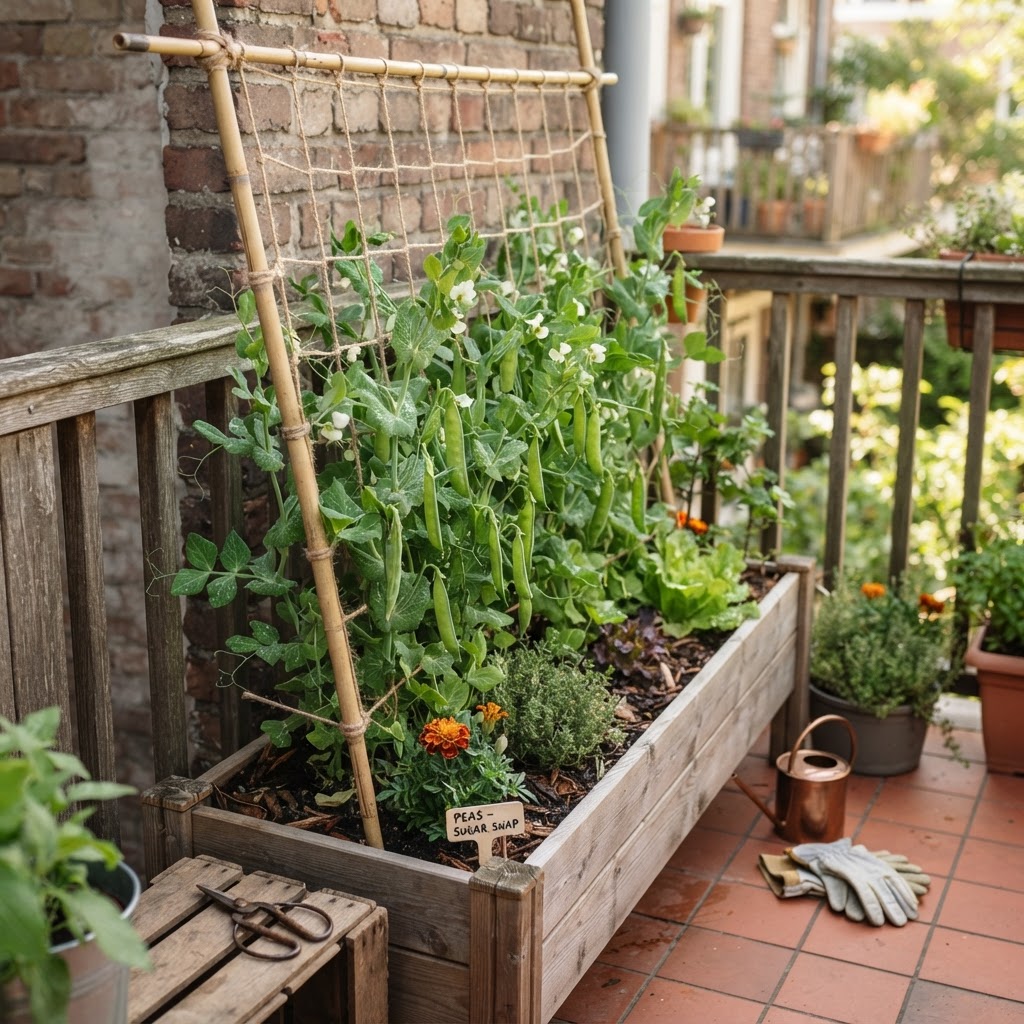
How to Grow Peas on a Trellis in Small Spaces: A Beginner-Friendly Guide
If you think you need a big garden to grow peas, the good news is that you don’t. Peas are one of the easiest vegetables to grow vertically, which makes them perfect for patios, balconies, raised beds, and other tight spots.
With the right trellis and a few simple growing tips, you can enjoy a surprisingly generous harvest from a very small area. This guide will walk you through exactly how to grow peas on a trellis in small spaces, even if you’re a complete beginner.
Why This Topic Matters
Small-space gardening is becoming more popular every year, and for good reason. Many gardeners want fresh food but only have a tiny yard, a balcony, or a sunny corner near a walkway.
Peas are especially well suited to these compact spaces because they naturally like to climb. Instead of spreading across the ground, they can grow upward, which saves room and keeps the plants healthier.
Growing peas on a trellis also offers a few practical benefits:
- It improves air circulation around the plants
- It helps keep pods cleaner and easier to find
- It reduces the chance of rot from vines sitting on damp soil
- It makes harvesting much faster
- It allows you to grow more in less space
For beginners, peas are a rewarding crop because they sprout quickly in cool weather and don’t require advanced pruning or complicated care. A simple vertical setup can turn a narrow bed or container into a productive mini pea patch.
Quick Answer
To grow peas on a trellis in small spaces, plant peas in early spring or fall in a sunny spot with cool soil, place a trellis at planting time, and choose compact or climbing pea varieties. Sow seeds 1 inch deep and about 2 inches apart, keep the soil evenly moist, and gently guide young vines onto the trellis until they begin climbing on their own.
For best results, use a support that is 3 to 6 feet tall depending on the variety, grow in rich well-draining soil, and harvest pods often to encourage more production.
Step-by-Step Guide
1. Choose the Right Type of Pea
Not all peas grow the same way, so start by picking a variety that matches your space and your trellis height.
The main types are:
- Snap peas: Edible pods, sweet flavor, usually vigorous climbers
- Snow peas: Flat edible pods, great for stir-fries, often climb well
- Shelling peas: Grown for the peas inside the pod, many varieties need support too
For small spaces, look for words like dwarf, compact, or climbing on the seed packet. Dwarf peas may only need a short support, while taller climbing varieties can make better use of vertical space.
A few beginner-friendly options often include:
- Sugar Snap
- Cascadia
- Little Marvel
- Oregon Sugar Pod
- Tom Thumb for very tight spaces
If you have a balcony container or shallow raised bed, compact varieties are often the easiest place to start.
2. Pick a Sunny, Cool Growing Spot
Peas grow best in cool weather. In most climates, they are planted in early spring as soon as the soil can be worked. In areas with mild winters, they may also do well as a fall or winter crop.
Try to choose a spot with:
- At least 6 hours of sunlight a day
- Cool temperatures, ideally between 55°F and 70°F
- Good drainage, since soggy soil can cause rot
- Easy access to a wall, railing, bed edge, or pot where a trellis can be secured
If your small space gets intense afternoon heat, morning sun with light afternoon shade can help extend the harvest.
3. Select the Best Trellis for a Small Space
A trellis does not have to be fancy. It just needs to be sturdy enough to hold the vines and narrow enough to fit your space.
Good options for small-space pea trellises include:
- A mesh net attached to two stakes
- A folding A-frame trellis for raised beds
- Bamboo poles tied into a teepee
- A wire panel or cattle panel section
- A slim wooden lattice secured to a container or wall
Here’s a simple guide to trellis height:
- 2 to 3 feet tall for dwarf peas
- 4 to 6 feet tall for most climbing peas
- 6 feet or more for especially vigorous varieties
The best trellis for peas has thin enough sections for tendrils to grab. Pea vines climb by wrapping tiny tendrils around narrow supports, so wide boards alone are not ideal unless you add netting or twine.
4. Prepare the Soil or Container
Peas prefer fertile, loose, well-draining soil. They do not need overly rich nitrogen-heavy fertilizer, but they do appreciate compost and steady moisture.
If planting in the ground or a raised bed:
- Loosen the top 6 to 8 inches of soil
- Mix in compost
- Remove rocks and weeds
- Make sure water drains well
If planting in containers:
- Choose a pot at least 8 to 12 inches deep
- Make sure it has drainage holes
- Use a quality vegetable potting mix
- Add a trellis before or right after sowing seeds
Window boxes can work for dwarf peas, but deeper containers tend to produce healthier plants and hold moisture more evenly.
5. Plant Pea Seeds the Right Way
Peas usually do best when direct sown rather than transplanted. Their roots prefer to stay undisturbed.
Follow these simple planting steps:
- Soak seeds for a few hours if desired to speed germination, though this is optional.
- Plant seeds about 1 inch deep.
- Space seeds roughly 2 inches apart in a row.
- If planting more than one row, allow enough room for airflow.
- Water gently after planting.
In very small spaces, a single row along the base of a trellis works beautifully. You can plant fairly closely because the vines will grow upward instead of outward.
6. Install the Trellis at Planting Time
It is best to place the trellis before the peas start growing. Adding support later can disturb roots and make it harder to train the vines.
Set the trellis securely so it won’t tip in wind or under the weight of wet vines. In containers, push stakes deep enough into the pot or attach the support to the container itself if needed.
If your gardening area is exposed, secure netting tightly and check connections often. A wobbly trellis can damage tender vines.
7. Help Young Plants Start Climbing
Once seedlings are a few inches tall, they usually begin reaching for support. Some vines find the trellis right away, while others need a gentle nudge.
You can help by:
- Lightly guiding vines toward the support
- Tucking stems near netting or twine
- Avoiding tight ties that could pinch stems
- Checking every few days during early growth
After the tendrils latch on, peas usually manage well on their own. They are natural climbers and don’t need heavy training.
8. Water Consistently but Don’t Overdo It
Peas like evenly moist soil, especially while germinating and flowering. In small spaces and containers, soil can dry out faster than in a large garden bed.
Aim to:
- Water when the top inch of soil begins to dry
- Keep the soil lightly moist, not muddy
- Water at the base of the plant rather than soaking leaves
- Check containers more often during warm or windy weather
Mulch can help conserve moisture in raised beds or larger containers. A thin layer of straw or shredded leaves works well.
9. Feed Lightly and Avoid Too Much Nitrogen
Peas are legumes, which means they can work with soil bacteria to access nitrogen. Because of that, they usually don’t need strong high-nitrogen fertilizers.
Too much nitrogen often leads to lots of leafy growth and fewer pods. For beginners, the safest approach is simple:
- Mix compost into the soil before planting
- Use a balanced, mild fertilizer only if needed
- Avoid overfeeding during the season
Healthy soil matters more than frequent feeding.
10. Harvest Often for Better Production
One of the best parts of growing peas in a small space is how easy they are to pick when grown vertically. Pods hang where you can see them, which means fewer missed harvests.
Harvest timing depends on the type:
- Snap peas: Pick when pods are plump but still tender
- Snow peas: Pick while pods are flat and young
- Shelling peas: Pick when pods are swollen with developed peas inside
Use two hands if needed so you don’t yank the vine off the trellis. Regular picking encourages the plant to keep producing.
Common Beginner Mistakes
Even easy crops like peas can be frustrating if a few basics are missed. Here are some of the most common beginner mistakes in small-space pea growing.
Planting Too Late
Peas struggle in hot weather. If planted too late in spring, they may flower poorly or stop producing early.
Try to sow as early as your climate allows, while the weather is still cool.
Using a Trellis That’s Too Short or Too Thick
A weak support can collapse, and thick supports can be hard for tendrils to grip. Match the trellis height to the variety and include netting, twine, or narrow crosspieces if needed.
Overcrowding Plants
It is tempting to pack as many seeds as possible into a tiny area. But if vines are too crowded, airflow drops and disease problems become more likely.
A little spacing goes a long way in keeping plants healthy.
Forgetting to Water Containers Often Enough
Container-grown peas can dry out faster than expected, especially on balconies or near reflective walls. Irregular watering can lead to poor growth and fewer pods.
Waiting Too Long to Harvest
Pods become starchy and tough if left too long on the vine. Frequent harvesting keeps quality high and encourages more flowers and peas.
Best Tips for Success
If you want the easiest path to a healthy harvest, focus on a few simple habits.
Start With Fresh Seeds
Pea seeds generally germinate well, but older seeds may sprout unevenly. Fresh seed gives you a stronger, fuller row.
Grow Up, Not Out
In tiny spaces, vertical gardening makes all the difference. Even a narrow strip along a railing or fence can produce a useful amount of peas when supported well.
Succession Plant if Your Season Allows
In cooler climates, you may be able to plant a second short row a week or two after the first. This can spread out the harvest without needing more space at once.
Pair Peas With Other Small-Space Crops
Peas can share a small garden with crops that do not need much room early in the season. Good companions may include:
- Lettuce
- Radishes
- Spinach
- Green onions
These crops make smart use of the lower space while peas climb above.
Watch the Weather
A sudden warm spell can speed up flowering and shorten the harvest. If heat arrives early, extra watering and a bit of afternoon shade can help plants hang on a little longer.
Keep Picking
This is one of the simplest ways to boost production. The more often you harvest ready pods, the more likely the plant is to keep producing.
Recommended Supplies or Tools
You do not need a long shopping list to grow peas successfully in a small space. A few basic supplies are enough.
Helpful tools and materials include:
- Pea seeds suited to your season
- A small-space trellis, netting, or bamboo stakes
- Raised bed or container with drainage
- Quality potting mix or compost-amended garden soil
- Watering can or hose with gentle spray
- Plant labels
- Garden twine or soft clips if needed
- Mulch for moisture retention
If you want a simple setup, a basic garden trellis net attached to sturdy stakes is often one of the easiest and most affordable choices for peas.
When buying supplies online, choose supports designed for vegetables and check the dimensions carefully so they fit your available space.
Frequently Asked Questions
Do peas really need a trellis?
Many peas grow better with support, even shorter varieties. A trellis keeps vines off the ground, improves airflow, saves space, and makes harvesting easier.
Can I grow peas in a container on a balcony?
Yes, absolutely. Choose a container at least 8 to 12 inches deep, use a good potting mix, and add a secure trellis. Balcony peas often do very well if they get enough sun and cool weather.
How tall should a pea trellis be?
That depends on the variety. Dwarf peas may only need a 2- to 3-foot support, while climbing types often need 4 to 6 feet or more. Always check the seed packet for mature height.
How many pea plants can I grow in a small space?
You can grow quite a few in a narrow row because peas are direct-seeded closely and trained upward. In general, spacing seeds about 2 inches apart along the base of a trellis works well for many varieties.
Why are my pea plants growing but not producing pods?
This often happens when temperatures get too warm, plants were sown too late, or too much nitrogen fertilizer was used. Lack of sun or inconsistent watering can also reduce flowering and pod set.
Final Thoughts
Learning how to grow peas on a trellis in small spaces is one of the smartest ways to get more food from a tiny garden. Peas are beginner-friendly, naturally suited to vertical growing, and productive enough to make even a modest balcony or raised bed feel rewarding.
Start with the right variety, give the vines a support they can grab, and keep the soil evenly moist during cool weather. With just a little planning, you can turn a small corner into a fresh, crunchy pea harvest that feels much bigger than the space you used.