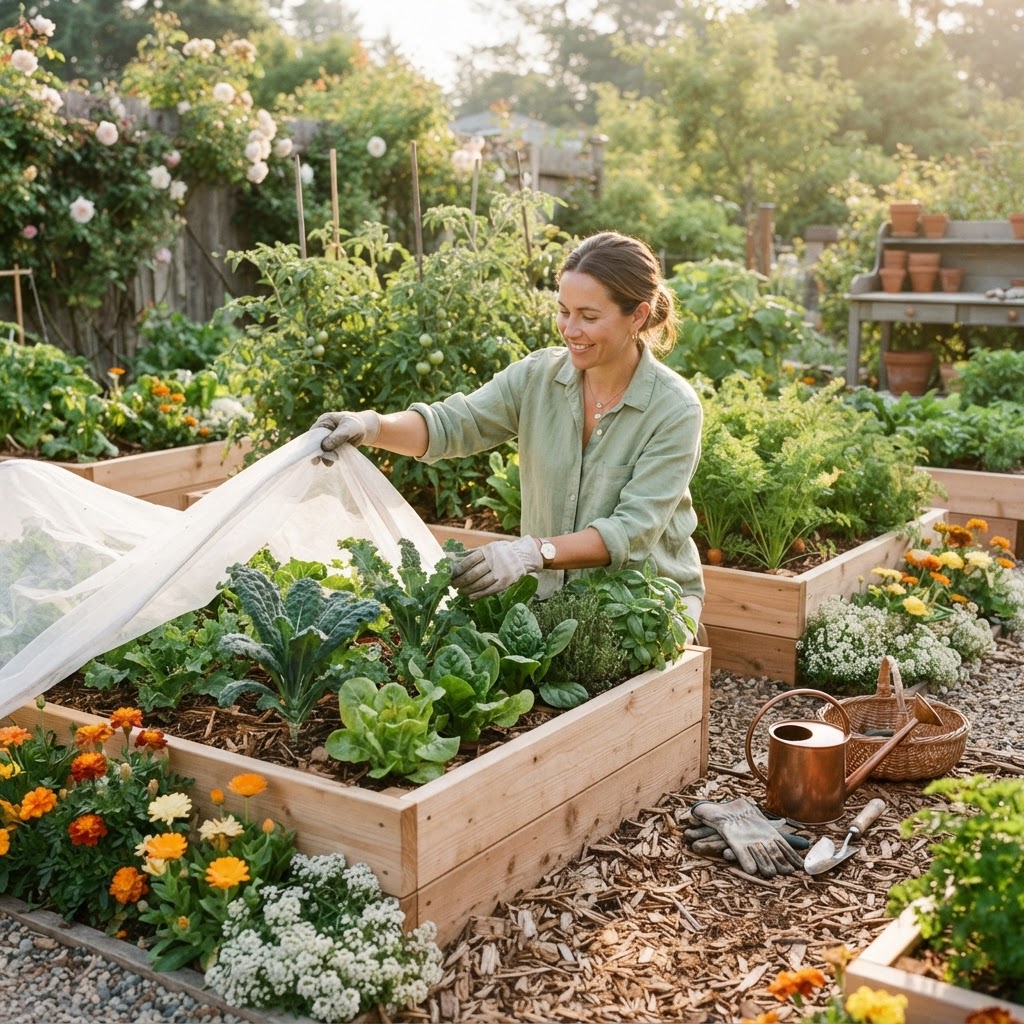
How to Prevent Pests in Raised Bed Gardens: Simple, Natural Strategies for Beginners
Raised bed gardens make growing vegetables easier, but they do not automatically keep pests away. In fact, tender seedlings, rich soil, and closely planted crops can attract insects and animals if you are not prepared.
The good news is that pest prevention is much easier than dealing with a full infestation later. With a few smart habits, you can protect your raised beds naturally and keep your garden healthy from the start.
Why This Topic Matters
Pests can quickly turn an exciting vegetable garden into a frustrating one. A few chewed leaves may not seem serious at first, but unchecked pest problems can stunt plants, reduce harvests, and spread disease.
Raised beds offer some advantages, like better drainage and easier access for monitoring plants. But they also create concentrated growing spaces where pests can move from plant to plant quickly if conditions are right.
For beginners, prevention matters because it saves time, money, and stress. Instead of constantly reacting with sprays or replacing damaged plants, you can build a garden that is naturally more resilient.
Preventing pests also supports a healthier backyard ecosystem. Many insects in the garden are beneficial, and the goal is not to eliminate all bugs. The goal is to reduce damage while encouraging balance.
Quick Answer
The best way to prevent pests in raised bed gardens is to combine several simple methods instead of relying on just one. Start with healthy soil, choose the right plant spacing, inspect plants often, water properly, rotate crops, use physical barriers like row covers, and attract beneficial insects.
It also helps to keep the garden clean, remove weak or diseased plants quickly, and avoid overfeeding with nitrogen. When you catch problems early, most pests are manageable without harsh treatments.
If you are looking for the shortest version possible, focus on these essentials:
- Grow healthy plants in rich, well-draining soil
- Check leaves often for eggs, holes, and sticky residue
- Use insect netting or row covers for vulnerable crops
- Mix plant types instead of planting one crop in one large block
- Keep weeds and plant debris out of the bed
- Water the soil, not the leaves
- Invite beneficial insects with flowers and diverse planting
Step-by-Step Guide
1. Start with healthy soil
Strong plants are better able to resist pest pressure than weak plants. In raised beds, soil quality is one of your biggest advantages, so use it well.
Fill beds with loose, fertile soil rich in compost. Healthy soil supports steady plant growth, better root systems, and improved resilience when pests show up.
Avoid using tired soil year after year without adding organic matter. Top up beds with compost each season to feed soil life and improve structure.
2. Choose the right plants for your area
Plants that are well suited to your climate usually have fewer pest problems. If a crop struggles in your local conditions, it becomes an easier target for insects and disease.
Look for pest-resistant or disease-resistant varieties when possible. This does not mean the plants are immune, but it can give beginners a helpful head start.
It also helps to plant at the right time. For example, cool-season crops often suffer more when grown in heat stress, which can make them more vulnerable to pests.
3. Give plants enough space
It is tempting to pack a raised bed full, especially when space is limited. But overcrowding reduces airflow and creates hiding places for pests.
Proper spacing makes it easier to inspect leaves, notice damage, and harvest on time. It also helps foliage dry faster after watering, which reduces stress and disease pressure.
Follow spacing recommendations on seed packets as a starting point. If you use intensive planting methods, monitor airflow closely and thin seedlings when needed.
4. Water consistently and at the base
Plants under stress are more attractive to pests. One of the easiest ways to reduce stress is to water deeply and consistently.
Aim water at the soil instead of soaking the leaves. Wet foliage can encourage disease, and inconsistent watering can weaken plant defenses.
Mulch helps here too. A layer of clean straw, shredded leaves, or untreated grass clippings helps retain moisture, reduce soil splash, and make the bed less inviting to some pests.
5. Inspect your plants often
Frequent observation is one of the most effective pest prevention habits. You do not need to spend hours in the garden, but you should take a close look several times a week.
Check:
- The tops and undersides of leaves
- New growth and flower buds
- Stems near the soil line
- Signs of chewed edges, holes, yellowing, or sticky residue
- Clusters of eggs or insect larvae
Early detection gives you simple options like hand-picking pests, pruning affected leaves, or covering a bed before the problem spreads.
6. Use physical barriers early
Physical barriers are one of the most reliable ways to prevent pests in raised bed gardens. They work best when installed before pests arrive.
Floating row covers can protect crops from cabbage moths, flea beetles, and other flying insects. Fine insect netting is especially useful for brassicas, carrots, beets, and leafy greens.
For larger pests like rabbits, squirrels, or birds, use fencing, hoops with netting, or bed covers secured at the edges. Even a simple barrier can prevent a lot of damage.
A few barrier ideas include:
- Floating row covers for young seedlings
- Insect mesh over hoops for longer-term protection
- Hardware cloth at the bottom of beds if burrowing pests are a problem
- Lightweight bird netting for berries or newly planted seeds
- Low fencing around beds to deter rabbits
7. Keep the garden clean
A tidy raised bed is less attractive to pests. Dead leaves, overripe vegetables, weeds, and fallen fruit can all shelter insects or attract larger garden visitors.
Remove damaged plant material promptly, especially if it shows signs of disease or heavy infestation. Pull weeds regularly so pests have fewer places to hide.
At the end of each season, clear out old crop debris instead of leaving it in the bed. Many pests overwinter in plant residue and return stronger the next season.
8. Rotate crops when possible
Crop rotation is not only for large gardens. Even in a few raised beds, changing where plant families grow each season can help disrupt pest life cycles.
Try not to grow the same crop family in the same bed year after year. For example, move tomatoes, peppers, and eggplants to a different bed if possible, and rotate brassicas like cabbage, kale, and broccoli as well.
If you have limited space, even partial rotation helps. You can also refresh beds with compost and vary planting times to reduce repeated pest pressure.
9. Mix crops instead of planting one big block
Large areas of the same plant make it easy for pests to find exactly what they want. Mixing crops together can confuse pests and reduce rapid spread.
This is sometimes called interplanting or companion-style planting. You do not need perfect pairings to benefit from diversity.
For example, you can:
- Tuck lettuce between tomatoes
- Plant basil near peppers or tomatoes
- Mix onions with carrots or beets
- Add flowers such as calendula, alyssum, or dill near vegetables
Diverse planting also attracts pollinators and beneficial insects, which can improve overall garden health.
10. Encourage beneficial insects
Not all insects are enemies. Ladybugs, lacewings, parasitic wasps, hoverflies, and ground beetles help control common pests like aphids, caterpillars, and soft-bodied larvae.
To attract beneficial insects, include small flowering plants near or within your raised bed garden. Choose flowers with different bloom times so there is a steady food source through the season.
Good options include:
- Sweet alyssum
- Dill n- Cilantro
- Calendula
- Yarrow
- Cosmos
- Marigolds
Avoid broad-spectrum pesticides, even organic ones, unless absolutely necessary. They can harm helpful insects along with the pests.
11. Hand-pick and remove pests early
For many beginner gardens, hand-picking is still one of the most practical methods. If you find hornworms, cabbage worms, slugs, or squash bug eggs, remove them right away.
Drop pests into a bucket of soapy water, or dispose of them away from the garden. This small effort can prevent a much bigger issue later.
The best time to inspect for pests is early morning or evening, when many insects are easier to spot.
12. Be careful with fertilizer
Fast, lush growth can attract pests, especially aphids. Too much nitrogen often creates tender leaves that insects love.
Feed your raised beds with compost and balanced organic fertilizers instead of repeatedly using high-nitrogen products. Steady growth is healthier than forced growth.
If plants look pale or slow, test or assess the soil before adding extra fertilizer. More is not always better.
Common Beginner Mistakes
Many pest problems start with good intentions but unhelpful habits. Knowing what to avoid can save you a lot of trouble.
Planting too much, too close
Overcrowded beds look productive at first, but poor airflow and limited visibility make pest issues harder to catch. Thin plants early and be realistic about mature size.
Ignoring the undersides of leaves
Aphids, whiteflies, and eggs often hide where beginners do not look. Make it a habit to check under leaves, not just the top surface.
Waiting too long to act
A few bugs today can become dozens next week. Small action early is easier than major action later.
Watering overhead too often
Frequent overhead watering can increase stress and disease pressure. Wet leaves and splashing soil create more opportunities for problems.
Leaving damaged plants in place
Severely infested or diseased plants can become a source of ongoing trouble. Sometimes the best decision is to remove one struggling plant to protect the rest.
Relying on sprays first
Sprays can have a place, but they should not be the first or only strategy. Prevention, observation, and physical barriers are usually more effective for home raised beds.
Best Tips for Success
If you want the biggest results with the least frustration, focus on a few steady habits.
Build a short garden check routine
Spend 5 to 10 minutes every few days looking closely at your beds. This simple routine helps you catch pests before they spread.
Protect crops when they are young
Seedlings and transplants are the most vulnerable stage. Covering plants early often prevents damage that is hard to reverse later.
Grow flowers with your vegetables
A raised bed garden does not need to be vegetables only. Flowers can support beneficial insects and make the garden feel more welcoming.
Harvest on time
Overripe produce and oversized plants can attract pests and reduce airflow. Pick vegetables regularly to keep plants producing and beds tidy.
Keep notes each season
Write down what pests you saw, when they appeared, and which crops were affected. Over time, your notes help you prevent repeat issues more effectively.
A simple success checklist:
- Add compost before planting
- Space crops properly
- Mulch the soil surface
- Inspect leaves several times a week
- Use row covers for vulnerable crops
- Remove pests by hand when spotted
- Clean up old plant material quickly
- Rotate crops next season
Recommended Supplies or Tools
You do not need a lot of equipment to prevent pests in raised bed gardens. A few simple tools can make the job much easier.
Helpful supplies include:
- Garden gloves for inspecting and hand-picking pests
- Hand trowel for planting and removing weeds
- Watering wand or drip irrigation setup for base watering
- Floating row covers or insect netting
- Garden hoops or supports to hold covers off plants
- Mulch such as straw or shredded leaves
- Pruners or garden snips for removing damaged growth
- A small bucket for collecting pests
- Plant labels for tracking crop rotation
- A notebook or garden journal
If you want to buy row covers or hoops online, make sure they fit the size of your raised beds. Secure edges well so insects cannot crawl underneath.
Frequently Asked Questions
Do raised beds keep pests away completely?
No, raised beds do not prevent pests on their own. They can make monitoring easier and improve plant health, but you still need prevention strategies like crop rotation, barriers, and regular inspection.
What is the best natural way to stop pests in raised beds?
The best natural approach is a combination of healthy soil, frequent checks, physical barriers, clean beds, diverse planting, and support for beneficial insects. No single method works for every pest.
Should I use neem oil or insecticidal soap?
These products can help in some situations, especially for soft-bodied pests like aphids. But they work best as targeted tools, not a replacement for prevention, and they should be used carefully to avoid harming beneficial insects.
How often should I check my raised bed garden for pests?
At least two to three times a week is a good goal, and daily checks are even better during peak growing season. Quick, regular checks are usually enough to catch problems early.
What plants help repel pests in raised beds?
No plant is a magic shield, but herbs and flowers such as basil, dill, cilantro, calendula, marigolds, and alyssum can help create a more balanced garden. They are most useful when combined with other pest prevention methods.
Final Thoughts
Learning how to prevent pests in raised bed gardens is really about building healthy habits, not chasing perfection. Every garden will have some insect activity, and that is completely normal.
The goal is to create strong plants, notice problems early, and use simple methods that fit a beginner gardener's routine. Start with healthy soil, keep your beds clean, protect vulnerable crops, and check your plants often.
With time, you will get better at spotting patterns and responding calmly. A few thoughtful prevention steps can lead to healthier plants, better harvests, and a more enjoyable raised bed garden all season long.