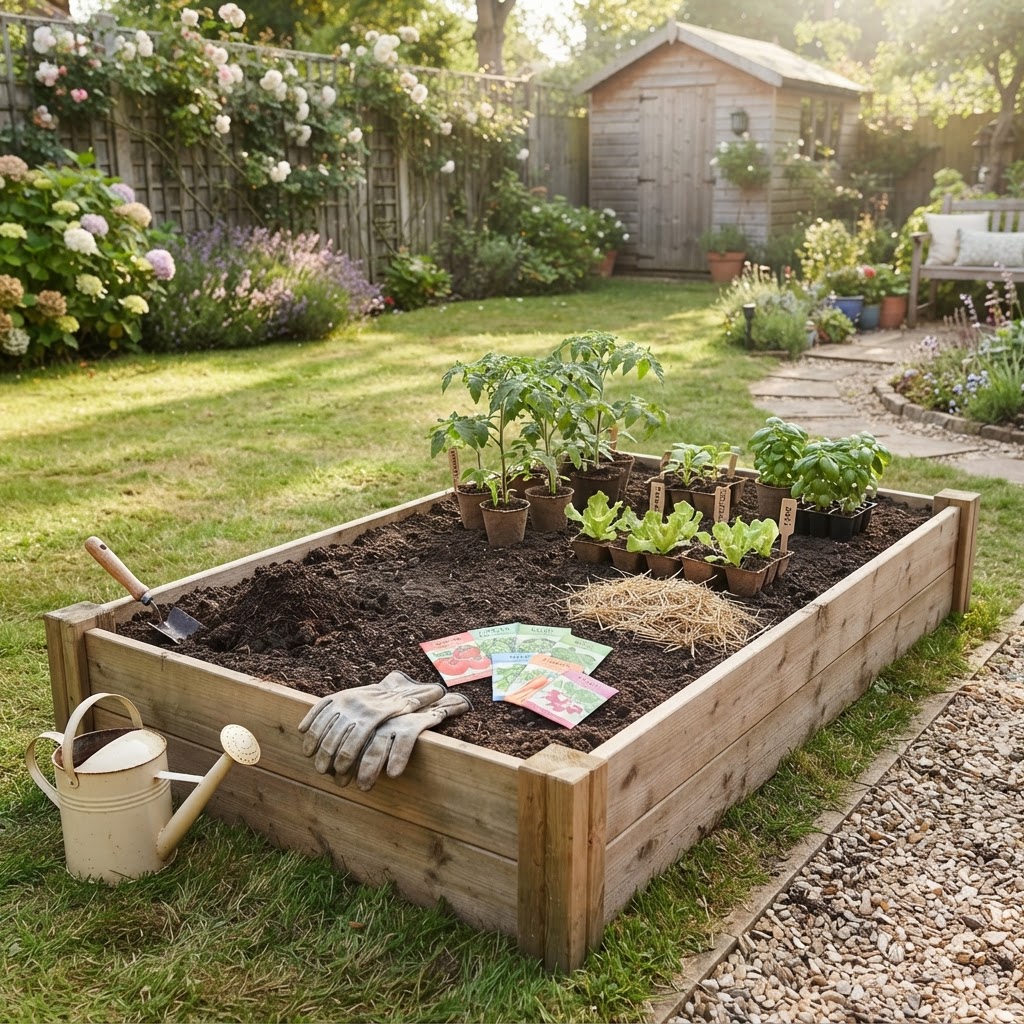
Raised Bed Garden Starter Kit: What You Actually Need to Get Growing
Starting a raised bed garden is exciting, but the shopping list can get overwhelming fast. If you have been searching for a raised bed garden starter kit and wondering what you actually need, the good news is that the essentials are simpler than many beginners expect.
You do not need a giant tool collection, expensive gadgets, or every garden product on the shelf. With a few core supplies, a smart setup, and a clear plan, you can build a healthy, productive vegetable garden at home.
Why This Topic Matters
Raised beds are one of the easiest ways for beginners to grow vegetables. They offer better drainage, looser soil, easier weed control, and a more manageable growing space than many in-ground gardens.
But beginners often spend too much money on items they barely use. A so-called starter kit can be helpful, yet many kits include extras that look useful but are not truly necessary for getting started.
Knowing what matters most helps you:
- save money
- avoid clutter
- set up your bed correctly the first time
- focus on the supplies that actually help plants grow
- feel more confident as a new gardener
A practical raised bed garden starter kit should support the basics: structure, soil, water, planting, and maintenance. Once those are covered, you can always add upgrades later.
Quick Answer
If you want the short version, a raised bed garden starter kit should include these core items:
- A raised bed frame
- Quality soil mix
- Compost
- Seeds or seedlings
- A hand trowel
- A watering can or hose with gentle spray
- Mulch
- Plant labels
- Basic plant support if needed
- Gardening gloves
That is enough to start a small, successful vegetable garden.
If your budget is tight, the true must-haves are even fewer:
- raised bed frame
- soil and compost
- seeds or seedlings
- a way to water
- one small hand tool
Everything else can be added as you grow.
Step-by-Step Guide
1. Choose the Right Raised Bed Frame
Your raised bed frame is the foundation of your starter kit. For most beginners, a bed that is 4 feet wide works well because you can reach the center from both sides without stepping on the soil.
A good beginner size is:
- 4 x 4 feet for a small space
- 4 x 6 feet for a little more room
- 4 x 8 feet if you want to grow a wider mix of crops
Depth matters too. A bed that is 10 to 12 inches deep is enough for many vegetables like lettuce, spinach, radishes, beans, and herbs. If you want to grow carrots, potatoes, or larger root crops, deeper is often better.
Common materials include:
- untreated cedar or redwood
- galvanized metal beds
- durable composite materials
Try to avoid flimsy materials that bow outward once filled with soil. A sturdy bed saves frustration later.
2. Pick the Best Location
Before you assemble anything, choose the garden spot carefully. Most vegetables need at least 6 to 8 hours of direct sun each day.
Look for a place that is:
- sunny
- relatively level
- close to a water source
- easy to walk to regularly
- not crowded by tree roots
Convenience matters more than many beginners realize. A raised bed tucked into a far corner of the yard is easier to forget, especially during hot weather.
3. Fill It With the Right Soil Mix
This is where many new gardeners make their biggest mistake. Raised beds should not be filled with plain garden dirt from your yard if that soil is dense, compacted, or low in organic matter.
A better option is a loose, rich mix that drains well and holds enough moisture. A simple beginner-friendly blend is:
- 50 to 60 percent raised bed soil or topsoil
- 30 to 40 percent compost
- 10 to 20 percent aeration material such as coco coir, peat moss, or fine pine bark, if needed
If you are buying bagged products, look for labels such as:
- raised bed mix
- garden soil for vegetables
- compost
Do not confuse potting mix with raised bed soil. Potting mix is made for containers and can be too light or expensive for filling a full bed.
4. Add Compost From the Start
If there is one supply worth prioritizing, it is compost. Compost improves soil structure, feeds beneficial life in the soil, and provides a slow, steady source of nutrients.
Even if your raised bed mix already contains some compost, adding more often helps. For a new bed, mix several inches of compost into the top layer before planting.
Going forward, refreshing the bed with compost each season is one of the easiest ways to keep plants healthy.
5. Choose Easy Vegetables for Beginners
The best raised bed garden starter kit also includes realistic crop choices. Start with easy, productive vegetables that match your season and your local climate.
Good beginner-friendly options include:
- lettuce
- bush beans
- zucchini
- kale
- spinach
- radishes
- green onions
- basil
- cherry tomatoes
- peppers
If you are starting from seed, read the packet for spacing and planting depth. If you are using seedlings, do not buy more plants than your bed can actually fit.
A crowded bed leads to weak airflow, more disease pressure, and disappointing harvests.
6. Keep Tools Simple
You do not need a shed full of tools. For one or two raised beds, a few basic items are enough.
Start with:
- hand trowel for digging small holes
- hand fork or cultivator for loosening soil
- pruners or garden scissors for harvesting and trimming
- gloves if you prefer hand protection
That is a complete beginner setup. Large shovels, broadforks, and specialty tools can wait until you know you need them.
7. Set Up a Simple Watering System
Vegetables in raised beds can dry out faster than in-ground gardens, especially in warm weather. Reliable watering is essential.
For a small bed, one of these works well:
- watering can with a gentle rose head
- garden hose with a soft spray nozzle
- soaker hose
- drip irrigation kit
If you want the easiest low-maintenance option, drip irrigation or a soaker hose is a smart upgrade. It saves time and directs water to the soil instead of splashing leaves.
The main goal is consistency. Newly planted seeds and seedlings need even moisture while they establish.
8. Use Mulch to Save Water and Reduce Weeds
Mulch is often left out of beginner kits, but it is one of the most useful additions. A light layer of organic mulch helps the soil stay moist, keeps weeds down, and softens temperature swings.
Good mulch choices for vegetable beds include:
- clean straw
- shredded leaves
- untreated grass clippings in thin layers
- fine bark mulch around larger plants, used carefully
Keep mulch slightly away from seedling stems so they do not stay too wet.
9. Label and Support Plants
Plant labels seem small, but they are surprisingly helpful. It is easy to forget where you sowed carrots, which tomato variety you planted, or how far apart your rows were meant to be.
Basic labels can be made from:
- plastic plant tags
- wooden craft sticks
- painted stones
- cut pieces of old blinds or similar reused materials
Some vegetables also need support early on. Your starter kit may need:
- tomato cages
- stakes
- trellis netting
- small bamboo poles
Adding support at planting time is much easier than trying to install it after plants are large and sprawling.
10. Start Small and Learn as You Go
A raised bed garden starter kit should help you begin, not pressure you to garden at full scale immediately. One well-managed bed usually teaches more than three neglected ones.
If you are brand new, aim for a small setup you can water, weed, and harvest easily. You can always expand next season once you know what you enjoy growing.
Common Beginner Mistakes
Buying a Kit Without Checking What Is Included
Some raised bed kits include only the frame, while others include fabric liners, hardware, or irrigation parts. Many do not include soil, compost, plants, or tools.
Always read the details before buying. A low price can look appealing until you realize you still need to purchase most of the important supplies separately.
Underestimating How Much Soil You Need
Soil is often the biggest hidden cost. Raised beds take more soil than beginners expect, and half-filling a bed usually leads to poor root space and uneven drying.
Measure the bed and calculate soil volume before shopping. This helps you compare bulk delivery with bagged mixes and avoid multiple emergency trips to the garden center.
Planting Too Much in One Bed
A raised bed can be very productive, but that does not mean every inch should be jammed full on day one. Overplanting causes crowding, weaker growth, and more disease problems.
Follow spacing guidelines closely, especially for tomatoes, peppers, squash, and leafy greens that expand quickly.
Forgetting About Sunlight
A beautiful bed in the wrong location is still the wrong location. If your space gets only a few hours of direct sun, fruiting crops like tomatoes and peppers may struggle.
In lower-light spots, focus on leafy greens, herbs, and a few root crops instead.
Watering Inconsistently
Beginners often alternate between overwatering and letting the bed get bone dry. Both stress plants.
Check the soil with your finger before watering. If the top inch feels dry, it is often time to water, though weather and plant size matter too.
Skipping Compost and Mulch
A plain bed of low-quality soil dries out quickly and loses fertility faster. Compost and mulch make a big difference in plant health, especially for beginners still learning watering habits.
Best Tips for Success
Build Soil First
Healthy soil solves many problems before they start. If you put your budget anywhere, put it into good soil and compost.
Better soil supports stronger roots, steadier moisture, and better harvests.
Match Crops to the Season
Cool-season vegetables like lettuce, spinach, peas, and radishes prefer milder temperatures. Warm-season crops like tomatoes, peppers, beans, and cucumbers do better after frost danger passes.
Planting at the right time is just as important as buying the right supplies.
Grow What You Actually Eat
A practical starter kit is about usefulness, not collecting every possible seed packet. Choose vegetables your household enjoys, and you will be more motivated to care for the bed and harvest regularly.
Check the Garden Often
A few minutes each day can prevent bigger problems. Regular checks help you spot dry soil, insect damage, weeds, or overgrown plants before they become difficult to manage.
Keep Notes
Write down what you planted, when you planted it, and how it performed. This simple habit helps you improve much faster from season to season.
Expect a Learning Curve
Every gardener makes mistakes. A few chewed leaves, uneven carrots, or bolting lettuce does not mean you failed.
Success in vegetable gardening comes from adjusting as you go, not from doing everything perfectly the first time.
Recommended Supplies or Tools
Here is a simple raised bed garden starter kit checklist with priority levels.
Must-Have Supplies
- raised bed frame
- raised bed soil or garden soil blend
- compost
- seeds or seedlings
- hand trowel
- watering can or hose with gentle spray
Very Helpful Add-Ons
- mulch
- gloves
- plant labels
- pruners or garden snips
- tomato cage, stakes, or trellis
- hand fork or cultivator
Nice but Optional Upgrades
- drip irrigation kit
- moisture meter
- kneeling pad
- shade cloth for hot climates
- insect netting or row cover
- soil thermometer
Budget-Friendly Advice
If you want to save money, consider these ideas:
- buy soil in bulk if filling a larger bed
- start with seeds for easy crops like beans, radishes, and lettuce
- reuse containers for watering or transplanting
- make your own compost over time
- use shredded autumn leaves as mulch
You do not need the most expensive products to grow healthy vegetables. In most cases, consistency matters more than gear.
Frequently Asked Questions
What should a raised bed garden starter kit include for beginners?
At minimum, it should include a raised bed frame, quality soil, compost, seeds or seedlings, a hand trowel, and a way to water. Mulch, labels, and plant supports are also very useful.
Is it cheaper to buy a raised bed kit or build one yourself?
It depends on local material prices and how simple your design is. Building your own can save money, but a ready-made kit can be easier and faster for beginners who want a straightforward setup.
How deep should a raised bed be for vegetables?
About 10 to 12 inches works for many vegetables. Deeper beds are helpful for root crops, larger plants, and areas where native soil below is poor.
What is the best soil for a raised bed vegetable garden?
The best soil is loose, fertile, and rich in organic matter. A blend of raised bed soil, compost, and moisture-balancing material such as coco coir often works very well.
Do I need fertilizer in a new raised bed?
Not always right away if your soil mix includes rich compost. However, many vegetables benefit from added nutrients later in the season, especially heavy feeders like tomatoes and peppers.
Final Thoughts
A useful raised bed garden starter kit is not about buying the biggest bundle or the fanciest tools. It is about covering the basics that truly support healthy plant growth: a solid bed, good soil, compost, seeds or seedlings, simple tools, and reliable watering.
If you keep your first setup small and manageable, you will learn faster and waste less money. Start with what you actually need, care for the soil, and let your garden expand naturally as your confidence grows.