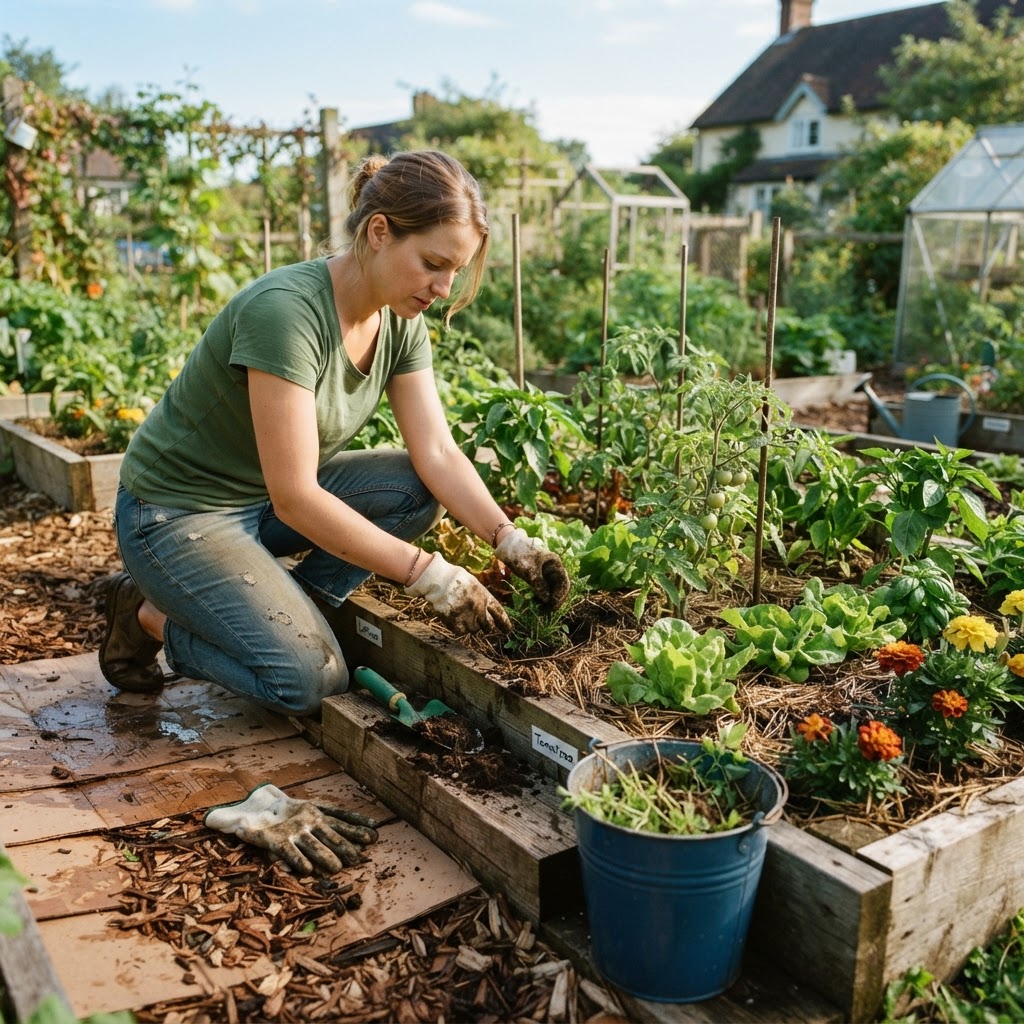
Raised Bed Weeds Keep Coming Back? Here's How to Stop Them for Good
If raised bed weeds keep coming back no matter how often you pull them, you are not doing anything wrong. Weeds are persistent, and even neat, well-built raised beds can become a magnet for unwanted growth.
The good news is that you do not need harsh chemicals or a complete garden reset. Once you know where the weeds are coming from, you can use a few simple, sustainable habits to get them under control.
Why This Topic Matters
Raised beds are often sold as the easy answer to garden weeds. They do help, but they do not make weeds disappear completely.
That can feel frustrating for beginners. You build the bed, fill it with good soil, plant your vegetables, and still end up spending time pulling mystery weeds every week.
The reason this matters is simple: weeds compete with your vegetables. They steal water, nutrients, sunlight, and space that your crops need to grow well.
Weeds can also hide pests, reduce airflow, and make harvesting harder. In small home gardens, even a few aggressive weeds can quickly take over if you ignore them.
Most important, repeated weeding can make gardening feel like a chore instead of something enjoyable. A better strategy is not to weed harder, but to understand why the weeds keep returning and break the cycle.
Quick Answer
If weeds keep coming back in your raised bed, the usual causes are weed seeds already in the soil, roots creeping in from below or the sides, mulch that is too thin, and weeds being removed too late.
The fastest way to reduce the problem is to pull weeds while they are small, cover bare soil with 2 to 3 inches of mulch, block weeds from below with cardboard if needed, and avoid letting any weed go to seed.
You will probably never have a completely weed-free bed. But with consistent maintenance and a few smart changes, you can turn constant weeding into a quick weekly task instead of an ongoing battle.
Step-by-Step Guide
1. Figure out where the weeds are coming from
Before you fix the problem, look closely at the type of weeds you have. That tells you a lot about why they are showing up.
If you see lots of tiny, different weeds popping up all over the surface, you are likely dealing with weed seeds in the soil, compost, or mulch. If the same tough weed keeps returning from one spot, it may be growing from a root or runner below the bed.
Common sources include:
- Existing weeds under the bed when it was built
- Wind-blown seeds landing in the bed
- Compost that was not fully finished
- Straw or hay mulch containing seeds
- Grass or creeping weeds entering from the edges
- Dormant weed seeds brought to the surface when soil is disturbed
A quick inspection now saves time later. If you know whether the issue is seeds, roots, or invasion from outside the bed, you can choose the right fix.
2. Pull or dig out existing weeds the right way
Start with the weeds that are already there. It is much easier to control them before you add mulch or change anything else.
Pull small weeds when the soil is slightly moist. Dry soil can make roots snap off, while soggy soil can smear and compact.
For larger weeds, use a hand fork, trowel, or hori hori knife to loosen the root zone first. Try to remove the crown and as much of the root as possible.
Be extra careful with perennial weeds like bindweed, quackgrass, nutsedge, or dandelion. If even part of the root remains, the plant may regrow.
Do not leave pulled weeds sitting in the bed if they already have seeds or flowers. Bag them, hot compost them if your system gets hot enough, or discard them.
3. Stop weeds from below the bed
Sometimes the real problem is under the raised bed, not in it. This is common when a bed was placed directly over lawn, pasture grass, or an area with established perennial weeds.
If the bed is new or you are willing to refresh it, lift back the soil in sections and place plain brown cardboard on the bottom. Overlap the pieces well so there are no gaps.
Wet the cardboard so it settles flat, then return the soil. The cardboard will suppress many weeds while it breaks down naturally.
If rebuilding the whole bed is not realistic, focus on problem areas. Dig out persistent roots where you see repeated regrowth, then top that section with cardboard and compost before mulching.
4. Block weeds from the top with mulch
Bare soil is an open invitation for weed seeds. One of the best ways to keep raised bed weeds from coming back is to cover the soil surface.
Apply 2 to 3 inches of mulch around your vegetables, leaving a little space around stems. Good options include shredded leaves, untreated straw that is as weed-free as possible, fine wood chips on pathways only, or finished compost topped with leaves.
Mulch works by blocking light, cooling the soil surface, and reducing the number of weed seeds that can sprout. It also helps the soil hold moisture, which is good for your vegetables.
If you already mulch but still get weeds, the layer may be too thin. Many gardeners scatter a light layer that disappears after watering and settling.
Refresh mulch when you can see bare patches. Thin spots are where weeds often return first.
5. Protect the bed edges and nearby paths
Weeds often invade from the sides rather than the center. Grass especially loves to creep into raised beds from paths and surrounding lawn.
Check the outer edges of the bed every week or two. Trim or pull anything trying to cross over.
It also helps to mulch the pathways around the bed. If the area next to your bed is full of tall weeds, seeds will keep blowing or dropping into your growing space.
A tidy border makes a big difference. Cardboard plus wood chips on paths is a simple, sustainable way to reduce weed pressure around the bed.
6. Water vegetables, not the whole bed
When you water every inch of soil every day, you are watering weeds too. A more targeted approach can reduce germination on bare areas.
Drip irrigation, soaker hoses, or careful hand watering at the base of plants are better choices than frequent overhead watering. This keeps crop roots happy while giving fewer opportunities to opportunistic weed seeds.
It will not stop every weed. But it does help, especially when combined with mulch.
7. Avoid deep, frequent soil disturbance
Many weed seeds can sit in the soil for years waiting for the right conditions. Every time you dig or stir deeply, you may bring a new batch of seeds to the surface.
That does not mean you should never cultivate. It just means you should be intentional.
When possible, loosen only the planting area instead of turning the whole bed. Add compost to the top and let worms help move it down over time.
If you use a hoe, skim the surface lightly on a dry day to cut tiny weeds off at the thread stage. This is much less disruptive than repeated deep digging.
8. Never let weeds go to seed
This is the habit that changes everything. A single weed left to mature can create hundreds or even thousands of future problems.
Walk your raised beds a few times each week for five minutes. Pull anything small before it flowers.
This is much easier than saving all your weeding for one long weekend session. Small weeds come out quickly, and you prevent the next cycle before it starts.
9. Replant bare spaces quickly
Empty soil invites weeds. After harvesting a crop, fill that space as soon as you can.
You can:
- Plant another vegetable crop
- Sow a quick cover crop
- Add mulch until you are ready to replant
- Cover the area with cardboard or a light-blocking tarp for a short period
The goal is to keep the surface protected. Nature does not like bare ground, and weeds are often first in line to cover it.
10. Be patient and consistent
Weed control is rarely a one-time fix. If your bed has a history of weeds, you may need one full season of steady attention before the problem noticeably improves.
That is normal. Every weed you remove before it seeds, every root you dig out, and every bare patch you mulch is reducing future weed pressure.
Common Beginner Mistakes
A lot of weed frustration comes from a few very common mistakes. The good news is that they are easy to correct.
Waiting until weeds are big
Large weeds are harder to pull, more likely to leave roots behind, and often close to setting seed. Small weeds can usually be removed in seconds.
Using mulch that contains weed seeds
Some straw, hay, and unfinished compost can introduce new weeds instead of preventing them. If a mulch seems to create more problems every time you use it, switch sources.
Leaving bare soil exposed
Open soil between vegetable plants is one of the biggest reasons weeds return. Even a thin layer of organic mulch is better than none.
Ignoring the bed edges
You can keep the center of the bed spotless and still lose ground if grass or creeping weeds are entering from the sides. Check edges and paths regularly.
Pulling weeds but leaving roots behind
This especially matters with perennial weeds. If the same weed keeps returning from the same spot, slow down and dig it out more carefully.
Letting one weed flower
It feels harmless in the moment, but it creates more work later. Make it a rule that no weed gets to bloom in your raised bed.
Turning the whole bed too often
Frequent deep cultivation can wake up buried weed seeds. Gentle surface maintenance is usually better for both weed control and soil health.
Best Tips for Success
If you want the biggest results with the least effort, focus on a few high-impact habits. These simple tips work especially well for beginners.
- Weed little and often instead of doing marathon cleanup sessions
- Mulch every exposed patch of soil
- Remove weeds before they flower or set seed
- Inspect bed edges, corners, and pathways regularly
- Use clean compost and reliable mulch sources
- Water close to plant roots instead of soaking empty areas
- Replant harvested spaces quickly
- Keep a small hand tool nearby so weeding feels easy to start
One helpful routine is a weekly five-minute weed check. Walk around the bed with a bucket and hand fork, pull anything new, and top up mulch where it looks thin.
Another smart tip is to learn the difference between annual and perennial weeds. Annual weeds usually come from seeds and are best stopped by mulch and early removal. Perennial weeds often need digging and repeat follow-up because they regrow from roots or runners.
Finally, try not to aim for perfection. A few weeds do not mean you failed.
Success means your vegetables have the advantage. If your crops are healthy and weeds are manageable, your system is working.
Recommended Supplies or Tools
You do not need a huge collection of gear to keep weeds under control. A few basic, durable tools can make the job much easier.
Helpful tools
- Hand trowel for digging individual weeds
- Hand fork for loosening roots in compact spots
- Hori hori knife for deep-rooted or stubborn weeds
- Stirrup hoe for slicing tiny weeds at the soil surface
- Garden gloves for comfort and protection
- Kneeling pad or garden seat for longer sessions
- Bucket or trug for collecting pulled weeds
Helpful materials
- Plain brown cardboard with tape removed for weed suppression under beds or on paths
- Weed-free compost for top-dressing
- Organic mulch such as shredded leaves or clean straw
- Soaker hose or drip irrigation for targeted watering
- Wood chips for pathways around raised beds
If you are starting fresh, one of the most useful combinations is cardboard under the bed, good soil on top, mulch around plants, and wood chips on surrounding paths. That simple setup prevents a lot of future weed headaches.
Frequently Asked Questions
Why do weeds grow in raised beds at all?
Raised beds reduce some weed problems, but they do not eliminate weed seeds, wind-blown weeds, or spreading roots from nearby areas. Good soil, sunlight, and water help vegetables grow, but they also create great conditions for weeds.
Should I empty my raised bed and start over?
Usually, no. Most weed problems can be improved with careful pulling, better mulching, edge control, and blocking weeds from below in problem areas. Starting over is only worth it if the bed is heavily infested with aggressive perennial weeds from underneath.
Is cardboard safe to use under a raised bed?
Yes, plain brown cardboard without glossy coatings, heavy inks, or plastic tape is commonly used in home gardens. It breaks down over time and can help smother grass and many weeds while improving the soil structure underneath.
What is the best mulch for vegetable raised beds?
Shredded leaves, finished compost topped with leaves, and clean straw are all good options. The best choice is one that is free of weed seeds, easy to spread, and suitable for your climate and crop spacing.
How often should I weed a raised bed?
A quick check two or three times a week is ideal during peak growing season. Most sessions only take a few minutes if you remove weeds while they are still small.
Final Thoughts
If raised bed weeds keep coming back, the answer is usually not more frustration or more force. It is a better system.
Focus on the basics: remove weeds early, dig out persistent roots, mulch generously, protect the bed edges, and do not let anything go to seed. Those simple habits are what gradually turn a weedy raised bed into an easy, productive space.
Start with one bed this week. Even a few small changes can make your garden calmer, cleaner, and much easier to maintain over the season.