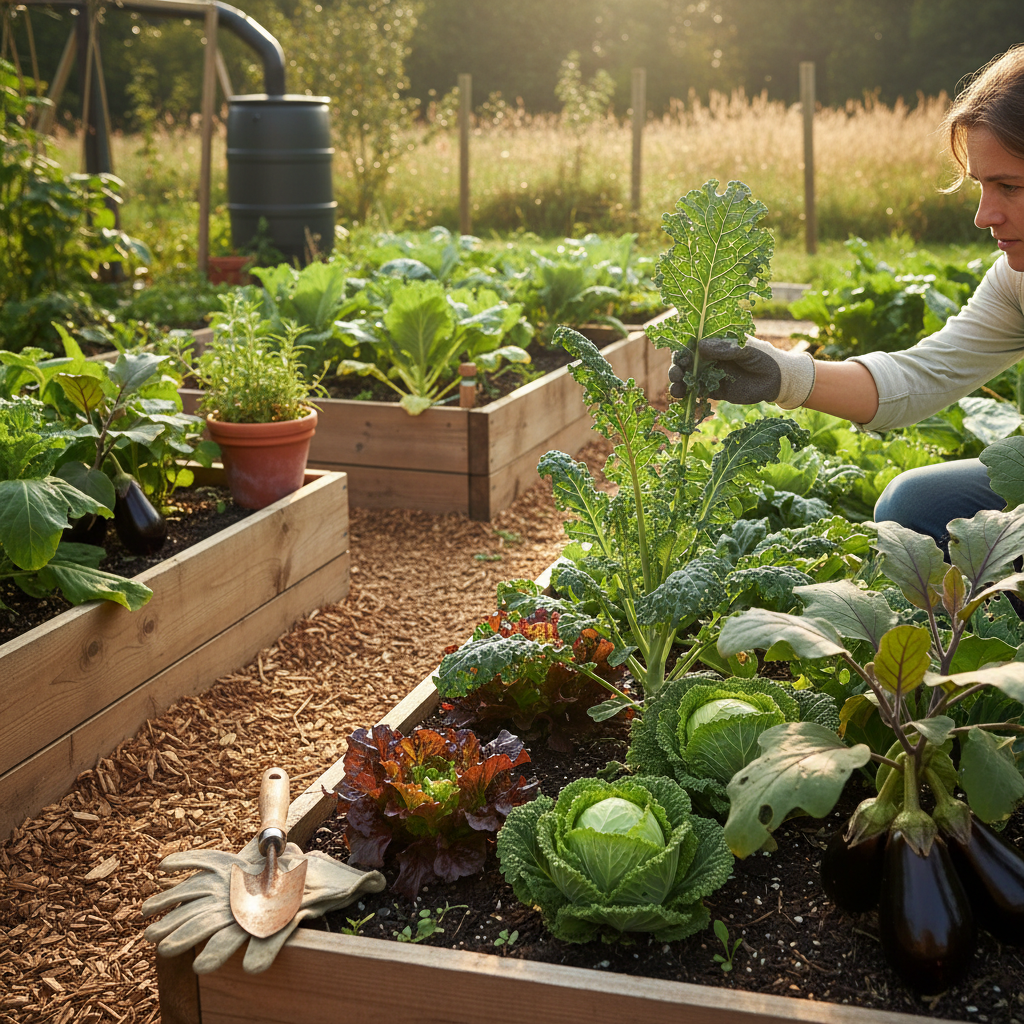
Vegetable Garden Leaves Have Holes? Easy Ways to Find the Cause and Fix It
Affiliate Disclosure: This article contains affiliate links. If you make a purchase through one of them, we may earn a small commission at no extra cost to you. We only recommend products we genuinely believe will help your garden thrive.
If your vegetable garden leaves have holes, it can feel frustrating fast. One day your plants look healthy, and the next they look like something took a tiny bite out of everything.
The good news is that holes in leaves are usually a very solvable problem. Once you learn how to spot the cause, you can take simple steps to protect your plants and keep your garden growing strong.
Why This Topic Matters
Leaves are like solar panels for your vegetable plants. They collect sunlight and help the plant make the energy it needs to grow roots, flowers, and vegetables.
When leaves are damaged, the plant loses some of that energy-making power. A little damage is often no big deal, but repeated chewing can slow growth, weaken young plants, and reduce harvests.
For beginners, leaf holes can also be confusing because many different problems can look similar at first. Slugs, beetles, caterpillars, flea beetles, and even weather damage can all leave marks behind.
Knowing what caused the holes matters because the right fix depends on the real problem. Spraying randomly usually wastes time, and sometimes it harms beneficial insects that actually help your garden.
The goal is not to make every leaf perfect. The goal is to keep damage low enough that your vegetables stay healthy and productive.
Quick Answer
If your vegetable garden leaves have holes, the most common cause is chewing pests. Slugs and snails make irregular holes and often feed at night, caterpillars leave larger bites and droppings, and flea beetles create many tiny “shot holes.”
Start by checking the tops and undersides of leaves, the soil around the plant, and the garden at dusk or early morning. Then remove pests by hand, use barriers or traps when needed, and keep plants healthy so they can recover.
In most home gardens, the best first response is:
- Inspect the plant closely.
- Identify the likely pest.
- Remove the worst-damaged leaves if needed.
- Use the least aggressive fix that matches the problem.
- Recheck every day or two.
A calm, step-by-step approach works much better than treating everything the same way.
Step-by-Step Guide
1. Look closely at the pattern of damage
The shape and size of the holes can tell you a lot. Small round holes often point to flea beetles, while larger ragged holes may suggest slugs, snails, or caterpillars.
Also notice where the damage appears. If the lower leaves are hit hardest, pests may be coming from the soil surface. If the newest leaves are chewed, the pest may be hiding in the plant canopy.
Here are a few common clues:
- Tiny scattered holes: flea beetles
- Large irregular holes: slugs, snails, caterpillars, grasshoppers
- Holes with slimy trails: slugs or snails
- Chewed edges: beetles, caterpillars, earwigs
- Skeletonized leaves: Japanese beetles or other leaf-feeding beetles
- Holes plus black droppings: caterpillars
2. Check at the right time of day
Many pests hide during the day. If you only inspect at noon, you may miss the real culprit.
Try checking plants:
- Early in the morning
- At dusk
- At night with a flashlight
- After rain or watering
Slugs and snails are especially active in cool, damp conditions. Caterpillars may also be easier to find in the evening.
3. Inspect the whole plant, not just the leaf tops
Beginners often look only at the most visible leaf surface. Many insects hide on the underside of leaves, along stems, or in mulch near the base of the plant.
Gently lift leaves and look for:
- Eggs in clusters
- Tiny larvae
- Frass, which is insect droppings
- Slime trails
- Chewed stems near the soil
- Insects hiding in leaf folds
If you see eggs or a small group of pests, remove them right away. Early action is the easiest action.
4. Know the most likely culprits
Slugs and snails
These are common when weather is damp or gardens are heavily mulched and shady. They leave ragged holes and sometimes eat seedlings almost overnight.
You may also notice a shiny slime trail on leaves, containers, or the soil. Lettuce, kale, basil, beans, and young brassicas are favorite targets.
Caterpillars
Caterpillars can make surprisingly large holes quickly. Cabbage worms on kale, broccoli, and cabbage are especially common in home gardens.
Look for green worms that blend in with leaves and for dark pellets of droppings. Hand-picking is often enough in a small garden.
Flea beetles
Flea beetles make many tiny pinholes that look like someone used a miniature hole punch. They often attack eggplant, arugula, radishes, tomatoes, peppers, and other tender crops.
Seedlings are most vulnerable. Established plants usually survive light damage, but young plants can struggle.
Beetles and earwigs
Some beetles chew holes through the center or edges of leaves. Earwigs may also feed at night, especially on tender plants and flowers.
If you suspect night feeders, place a rolled-up damp newspaper or small cardboard trap nearby and check it in the morning.
Grasshoppers
In hot, dry summers, grasshoppers can chew larger holes or take bites from leaf edges. They are more common in open gardens near weedy areas.
They can be harder to control, but keeping weeds down and using row covers on young plants can help.
5. Rule out non-pest damage
Not every hole is caused by bugs. Wind can shred leaves, hail can punch tears, and leaves that were damaged while young may look holey as they expand.
If the edges are torn rather than neatly chewed, weather may be part of the problem. Some leaf spots can also dry out and drop away, leaving a hole-like appearance.
Before treating, ask yourself:
- Is the damage getting worse daily?
- Can I see a pest or clear signs of one?
- Did a storm happen recently?
- Is only one kind of plant affected?
6. Use the simplest fix first
Once you identify the likely cause, start with low-effort, low-risk solutions. In many vegetable gardens, you do not need strong treatments.
Good first steps include:
- Hand-pick visible pests
- Remove egg clusters
- Trim severely damaged leaves if the plant has plenty left
- Clear debris where pests hide
- Water in the morning so leaves and soil surface dry sooner
- Thin overcrowded plants to improve airflow
These simple habits can reduce pest pressure right away.
7. Match the solution to the pest
For slugs and snails
- Water early rather than late in the day
- Reduce hiding places like boards or thick damp debris
- Use slug traps if needed
- Surround especially vulnerable seedlings with barriers
- Hand-pick at night with a flashlight
For caterpillars
- Pick them off by hand
- Check brassicas often
- Cover crops with insect netting or row cover before moths lay eggs
- Remove leaves with heavy egg clusters
For flea beetles
- Protect seedlings with lightweight row cover
- Keep plants growing steadily so they outgrow damage
- Use yellow sticky traps nearby for monitoring, not as a complete fix
- Delay planting susceptible crops slightly if flea beetles are severe in your area
For beetles and general chewing insects
- Hand-pick in the morning when they are slower
- Drop them into soapy water
- Weed around the garden to remove alternate food and shelter
- Encourage birds and beneficial insects
8. Protect young plants first
Seedlings and newly transplanted vegetables are the most vulnerable. A mature tomato or kale plant can usually handle a little chewing, but a tiny transplant may be set back badly.
If you have limited time, focus your effort on protecting:
- Seedlings n- Fresh transplants
- Leafy greens
- Brassicas like cabbage and broccoli
- Eggplant and arugula, which attract flea beetles
A simple row cover or daily inspection can make a huge difference during the first few weeks.
9. Keep monitoring
The first treatment is rarely the end of the story. Pests often return, especially during warm or wet stretches.
Check your garden every couple of days. If damage stops increasing, your plan is working. If new holes keep showing up, inspect again before changing your approach.
10. Accept a little damage
A productive vegetable garden does not need flawless leaves. Many healthy plants can tolerate some chewing and still give you a great harvest.
If the plant is growing well, flowering, and setting fruit, a few holes are usually more cosmetic than serious. Try to respond based on plant health, not panic.
Common Beginner Mistakes
Treating before identifying the problem
This is the biggest mistake. Different pests need different solutions, and non-pest damage does not need treatment at all.
Always inspect first. A five-minute close look can save a lot of unnecessary work.
Checking only during the day
Night feeders are easy to miss. If your plants seem to be getting worse but you never see bugs, check at dusk or after dark.
This one habit solves a lot of mystery problems.
Assuming every hole is an emergency
A few holes on older leaves may not hurt the plant much. Beginners sometimes remove too many leaves or use stronger controls than needed.
If the plant is still vigorous, watch and monitor before overreacting.
Ignoring the undersides of leaves
Eggs, larvae, and small pests often hide where you do not first look. If you only inspect the top of the leaf, you may miss the source.
Flip leaves over every time you check.
Overwatering and creating slug-friendly conditions
Constantly damp soil and heavy mulch pressed against stems can attract slugs and snails. Wet conditions also make it easier for some problems to spread.
Water deeply when needed, but do it in the morning and avoid keeping the surface soggy all the time.
Forgetting to protect seedlings
Young plants need extra help. Many pests prefer tender new growth, and even minor feeding can stress tiny plants.
Use row covers, collars, or close monitoring right after planting.
Best Tips for Success
- Walk your garden often. Frequent short checks are better than occasional long ones.
- Start with identification. The pattern of damage matters.
- Use barriers early. Row covers work best before pests arrive.
- Keep the garden tidy. Remove weeds, old leaves, and hiding spots.
- Encourage beneficial insects. A diverse garden helps natural predators do their job.
- Focus on plant health. Strong plants bounce back faster from light damage.
- Rotate crops when possible. Repeating the same crop in the same spot can build pest pressure.
- Mulch thoughtfully. Mulch is helpful, but keep it from becoming a damp shelter right against tender stems.
One of the best habits for beginners is keeping a simple garden notebook. Write down which plants had holes, when you noticed them, and what you found during inspection.
Over time, patterns become easier to spot. You may learn that flea beetles arrive every spring on arugula, or slugs become active after a week of rain.
Recommended Supplies or Tools
You do not need a huge toolkit to handle holes in vegetable leaves. A few simple items can make inspection and control much easier.
Here are the most useful supplies for beginners:
- Garden gloves: helpful for hand-picking pests
- Flashlight or headlamp: essential for night inspections
- Lightweight row cover or insect netting: protects seedlings and tender crops
- Hand trowel: useful for checking soil surface and hiding spots
- Bucket of soapy water: for dropping hand-picked insects
- Pruners or garden scissors: for removing badly damaged leaves
- Magnifying glass: helpful for spotting eggs and tiny insects
- Slug traps or simple boards: useful for monitoring slug activity
- Plant labels or notebook: to track which crops are affected
If you only buy one protective item, lightweight row cover is a great choice. It prevents many pests from reaching young plants in the first place.
Frequently Asked Questions
Why do my vegetable leaves have holes but I cannot find any bugs?
Many chewing pests feed at night or hide under leaves and mulch during the day. Check at dusk or early morning, and look for clues like slime trails, droppings, or eggs.
Will plants recover from holes in their leaves?
Usually, yes. Most healthy vegetable plants can recover from light to moderate chewing if the damage is caught early and the pest problem is controlled.
Should I remove leaves with holes?
Only remove them if they are badly damaged, diseased, or covering pests or egg clusters. Leaves with a few holes can still help the plant photosynthesize.
What vegetables are most likely to get holey leaves?
Leafy greens, brassicas, beans, basil, eggplant, radishes, and young seedlings are common targets. Tender new growth is usually most attractive to pests.
Are holes in leaves always caused by insects?
No. Wind, hail, physical damage, and some leaf diseases can also create tears or hole-like spots. That is why close inspection matters before you treat.
Recommended Products
Looking for the right gear to get started? We've curated our top picks for sustainable vegetable gardening — from raised beds and grow lights to seed-starting kits and organic fertilizers — on our Recommended Products page.
Ready to Start?
If you're ready to gear up, check out our recommended raised beds and grow lights on Amazon — beginner-approved and built to last.
Final Thoughts
Seeing holes in your vegetable garden leaves can be discouraging, especially when you are new to gardening. But this is one of the most common garden problems, and it is usually very manageable once you slow down and investigate.
Start by studying the damage pattern, checking plants at the right time of day, and looking under leaves and around the base of the plant. Then choose the simplest fix that matches the pest, protect young plants first, and keep monitoring.
Most importantly, do not expect perfection. A successful vegetable garden often has a few nibbled leaves here and there. What matters most is keeping your plants healthy enough to keep growing, flowering, and producing food for your table.