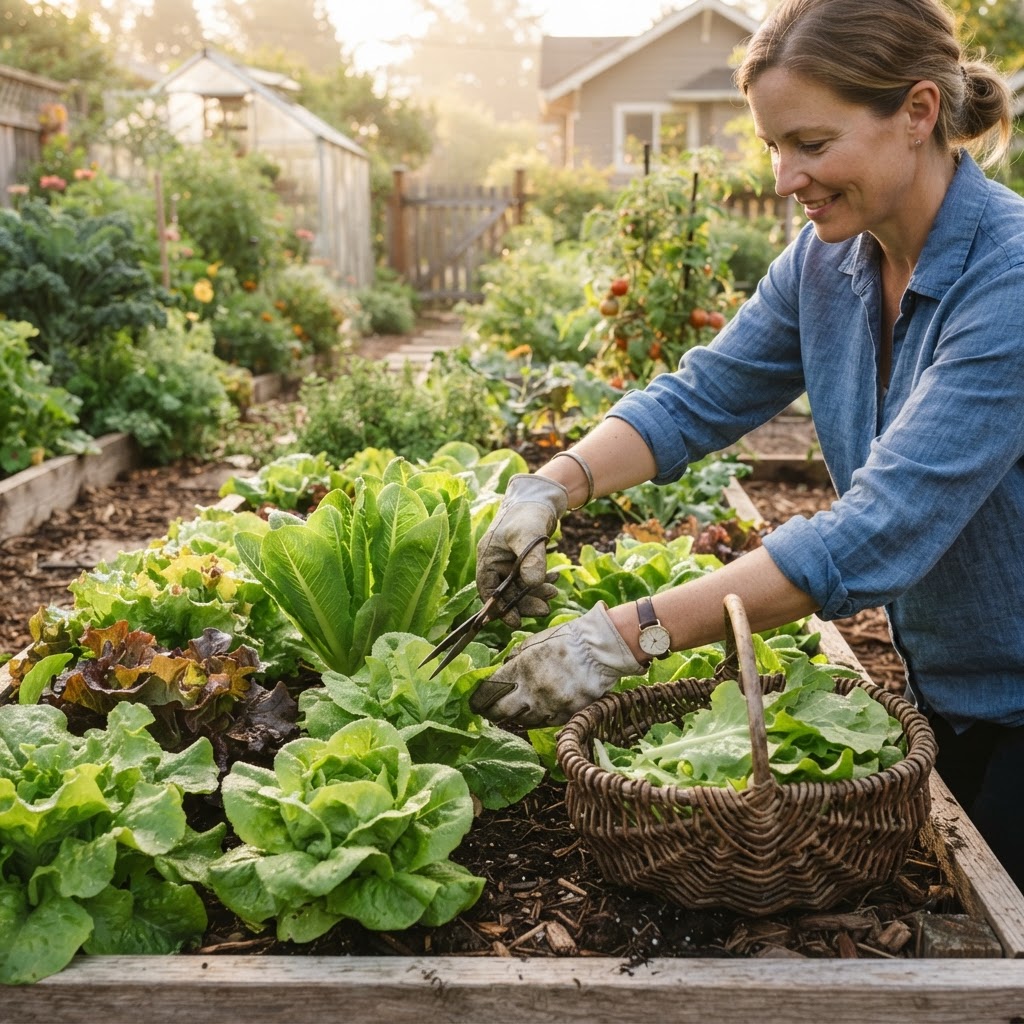
When Should I Harvest Lettuce? Easy Signs Your Lettuce Is Ready to Pick
If you have ever stood over your lettuce bed wondering, “Is it ready yet?” you are not alone. Lettuce grows quickly, but knowing exactly when to harvest lettuce can make the difference between tender, sweet leaves and a bitter, floppy crop.
The good news is that lettuce is one of the most forgiving vegetables for beginners. Once you learn a few simple signs, you can start harvesting at the right time and enjoy fresh salads for weeks.
Why This Topic Matters
Lettuce is at its best when it is harvested young, crisp, and full of moisture. Wait too long, and the leaves can become tough or bitter, especially when the weather starts to warm up.
Harvest timing also affects how much food you get from each plant. Some lettuce types can be picked a little at a time over many weeks, while others are best harvested as full heads.
For home gardeners, this matters because timing helps you:
- Get better flavor
- Keep leaves tender and crunchy
- Extend your harvest season
- Reduce waste from overgrown plants
- Avoid bolting in warm weather
If you are growing lettuce in a raised bed, container, or small backyard garden, understanding harvest timing will help you make the most of every plant.
Quick Answer
So, when should you harvest lettuce?
Most lettuce is ready to harvest when the leaves are large enough to eat, usually about 3 to 6 inches long for baby greens, or when the head feels full but still tender for heading types. Leaf lettuce can often be picked as soon as it has several healthy outer leaves, while romaine, butterhead, and crisphead usually need more time to form.
In general:
- Baby lettuce: harvest about 25 to 40 days after planting
- Leaf lettuce: harvest about 30 to 50 days after planting
- Romaine: harvest about 55 to 70 days after planting
- Butterhead: harvest about 45 to 65 days after planting
- Crisphead or iceberg: harvest about 70 to 85 days after planting
The best time of day to harvest is usually early morning. Leaves are cooler, crisper, and better hydrated then.
Step-by-Step Guide
Step-by-Step Guide
Knowing when to harvest lettuce gets much easier when you check a few specific things. Use these steps each time you inspect your plants.
1. Identify the Type of Lettuce You Are Growing
Not all lettuce is harvested the same way. The first step is knowing whether your plants are leaf types or head-forming types.
Common lettuce categories include:
- Leaf lettuce: loose leaves, easy to pick gradually
- Romaine: upright heads with long leaves
- Butterhead: soft, round, loosely formed heads
- Crisphead: tighter heads that take longer to mature
- Mesclun or baby greens: mixed young leaves harvested early
Leaf lettuce gives you the most flexibility. You can begin harvesting early and keep picking outer leaves while the plant continues growing.
Head lettuce usually needs more patience. You want the head to size up before cutting the whole plant.
2. Check Leaf Size First
For most beginners, leaf size is the easiest clue.
If you are harvesting baby lettuce, pick when leaves are around 3 to 4 inches long. At this stage, they are tender, mild, and perfect for salads.
If you want full-size leaf lettuce, wait until the outer leaves reach about 5 to 6 inches long. They should look full and healthy without being yellow, wilted, or overly thick.
A simple rule: if the leaves look big enough that you would gladly put them in a salad bowl tonight, they are probably ready.
3. Look at the Center of the Plant
The middle of the plant tells you a lot about timing.
For leaf lettuce, the center should still be producing fresh new leaves. That means you can safely harvest outer leaves and leave the plant to keep growing.
For romaine or butterhead, look for a well-formed center. It should appear full and upright, but not overly tight or elongated.
For crisphead lettuce, gently observe the head shape. It should be filling in nicely, though it may never feel as hard as store-bought heads unless growing conditions are ideal.
4. Gently Feel the Head
If you are growing a heading variety, use a light squeeze.
A mature head should feel:
- Full
- Slightly firm
- Not mushy
- Not rock hard and overmature
Butterhead should feel softer than romaine or crisphead. Romaine should feel sturdy and dense enough to hold its shape. Crisphead should feel more compact, though homegrown versions are often looser than supermarket iceberg.
Do not squeeze too hard. Rough handling can bruise the leaves.
5. Watch the Calendar, but Trust the Plant More
Seed packets and plant tags usually list “days to maturity.” This is helpful, but it is not an exact deadline.
Lettuce grows faster or slower depending on:
- Temperature
- Sunlight
- Watering
- Soil fertility
- Variety
- Time of year
Cool weather often produces the best lettuce. In spring and fall, the crop may mature close to the packet estimate. In unusual weather, timing may shift by a week or more.
Use the listed days as a guide, then check leaf size and plant shape to make the final decision.
6. Harvest Before the Plant Starts to Bolt
Bolting is when lettuce shifts from leafy growth into flowering. This usually happens when the weather turns hot or days become longer.
Signs your lettuce is starting to bolt include:
- A taller central stem forming
- Leaves becoming more upright and stretched
- A more bitter taste
- Slower leaf production
Once bolting begins, the flavor often declines quickly. If you see these signs, harvest right away.
7. Choose Your Harvest Method
There are two main ways to harvest lettuce.
Method 1: Cut-and-Come-Again
This works best for leaf lettuce and baby greens.
How to do it:
- Harvest the outer leaves first.
- Leave the center intact.
- Cut leaves about 1 inch above the crown.
- Do not remove more than one-third to one-half of the plant at once.
This method gives you repeated harvests from the same plant. It is great for small-space gardens and steady salad production.
Method 2: Harvest the Whole Head
This is common for romaine, butterhead, and crisphead.
How to do it:
- Wait until the head is full-sized and well formed.
- Use a clean knife or pruners.
- Cut the stem at the base, just above the soil line.
- Remove any damaged outer leaves.
Some heading lettuces may produce a few small leaves again after cutting, but they are usually grown for one main harvest.
8. Harvest in the Morning for Best Quality
Morning is the ideal time to pick lettuce. The leaves are cooler, firmer, and full of moisture from the night.
If you harvest during the heat of the day, the leaves may wilt faster. They can still be used, but they may not feel as crisp.
After picking, bring the lettuce inside quickly or place it in shade.
9. Cool and Store It Properly
Fresh lettuce loses quality fast if left in the sun.
For best results:
- Rinse gently if needed
- Dry leaves well with a towel or salad spinner
- Store in a container or bag with a dry paper towel
- Refrigerate soon after harvest
Properly stored lettuce often stays fresh for several days, and sometimes longer depending on the variety.
Common Beginner Mistakes
Lettuce is beginner-friendly, but a few simple mistakes can lead to poor harvests. The good news is that they are easy to avoid.
Waiting Too Long
Many gardeners assume bigger always means better. With lettuce, that is not always true.
If you wait too long, leaves may turn bitter, especially in warm weather. Tender, medium-sized leaves are often much tastier than oversized ones.
Harvesting Too Early
On the other hand, very tiny plants may need a little more time. If you remove too much too soon, the plant may struggle to regrow.
Try to let leaf lettuce develop several mature outer leaves before your first larger harvest.
Taking the Whole Plant by Accident
When harvesting leaf lettuce, beginners sometimes cut into the center growing point. That stops the plant from producing more leaves.
Always take the outer leaves first and protect the middle.
Ignoring Heat and Weather
Lettuce is a cool-season crop. A sudden warm spell can speed up bolting.
Check your lettuce often when temperatures rise. A plant that looked perfect one week can become bitter the next.
Using Dull or Dirty Tools
Tearing leaves by hand can bruise them, and dirty tools can spread disease.
Use clean scissors, pruners, or a knife for tidy cuts.
Overwatering Right Before Harvest
Lettuce likes steady moisture, but soggy soil can cause weak growth or disease issues.
Keep watering consistent throughout the season instead of flooding plants right before picking.
Best Tips for Success
If you want crisp, flavorful lettuce and a longer harvest window, these simple tips help a lot.
Grow More Than One Type
Planting both leaf lettuce and heading lettuce gives you flexibility. You can harvest baby leaves early while waiting for romaine or butterhead to mature.
This also spreads out your harvest instead of giving you everything at once.
Sow Small Batches Every 1 to 2 Weeks
This is called succession planting. It is one of the best ways to keep fresh lettuce coming.
Instead of one huge crop that matures all at once, you get a steady supply over time.
Give Lettuce Afternoon Shade in Warm Climates
If spring heats up quickly where you live, a little protection can slow bolting.
Helpful options include:
- Planting where it gets morning sun and light afternoon shade
- Using shade cloth during warm spells
- Growing lettuce near taller crops that provide partial shelter
Keep Soil Evenly Moist
Lettuce grows best when the soil stays lightly moist, not bone dry and not waterlogged.
Dry conditions can make leaves smaller and more bitter. Mulch can help hold moisture and keep roots cooler.
Taste as You Go
One of the best parts of growing lettuce at home is that you can sample it before doing a full harvest.
Pick a leaf and taste it. If it is crisp, mild, and pleasant, you are in the sweet spot.
Don’t Be Afraid to Harvest Early
Homegrown lettuce does not need to reach giant size to be useful. Smaller leaves are often the most tender and delicious.
If a plant looks good now, it is usually better to enjoy it than risk losing quality by waiting too long.
Recommended Supplies or Tools
You do not need much to harvest lettuce well. A few basic items make the process easier and gentler on the plants.
Helpful tools include:
- Garden scissors or herb snips: great for clean leaf harvesting
- Sharp harvest knife: useful for cutting whole heads
- Harvest basket or bowl: keeps leaves clean and supported
- Salad spinner: helps dry washed lettuce well
- Shade cloth: useful in warm climates to delay bolting
- Mulch: helps keep soil cool and moist
If you are gardening on a budget, even a clean pair of kitchen scissors and a bowl can do the job.
Frequently Asked Questions
Can I harvest lettuce more than once?
Yes, if you are growing leaf lettuce or baby greens. Harvest the outer leaves and leave the center growing point intact, and the plant can keep producing for several more pickings.
Heading types like romaine and butterhead are usually harvested once as a full head, though they may sometimes regrow a little.
How do I know if my lettuce is too old to harvest?
If the plant is tall, developing a central stalk, or tasting bitter, it is likely past its prime. Tough texture and strong flavor are also signs that the lettuce has become overmature.
At that point, harvest what you can use right away and remove the rest if quality is poor.
Is it better to harvest lettuce in the morning or evening?
Morning is usually best. The leaves are cooler, crisper, and better hydrated.
Evening harvesting can still work, especially in cooler weather, but avoid picking during the hottest part of the day.
Should I wash lettuce before storing it?
You can, but make sure it is dried very well before refrigerating. Excess moisture in storage can lead to quicker spoilage.
Some gardeners prefer to store lettuce dry and wash it just before eating.
What happens if lettuce bolts before I harvest it?
Bolted lettuce often becomes bitter and less tender. You can still taste it and decide whether it is usable, but quality usually declines quickly.
When bolting starts, it is best to harvest immediately and replant if the season allows.
Final Thoughts
If you have been asking, “when should I harvest lettuce,” the simplest answer is this: harvest when the leaves are the size you want, while they still look tender and taste mild. For leaf lettuce, start with the outer leaves early. For heading types, wait until the head looks full and slightly firm, but do not let hot weather push the plant into bolting.
The more often you check your lettuce, the easier this becomes. After one or two harvests, you will start recognizing the perfect moment with confidence, and your salads will be better for it.