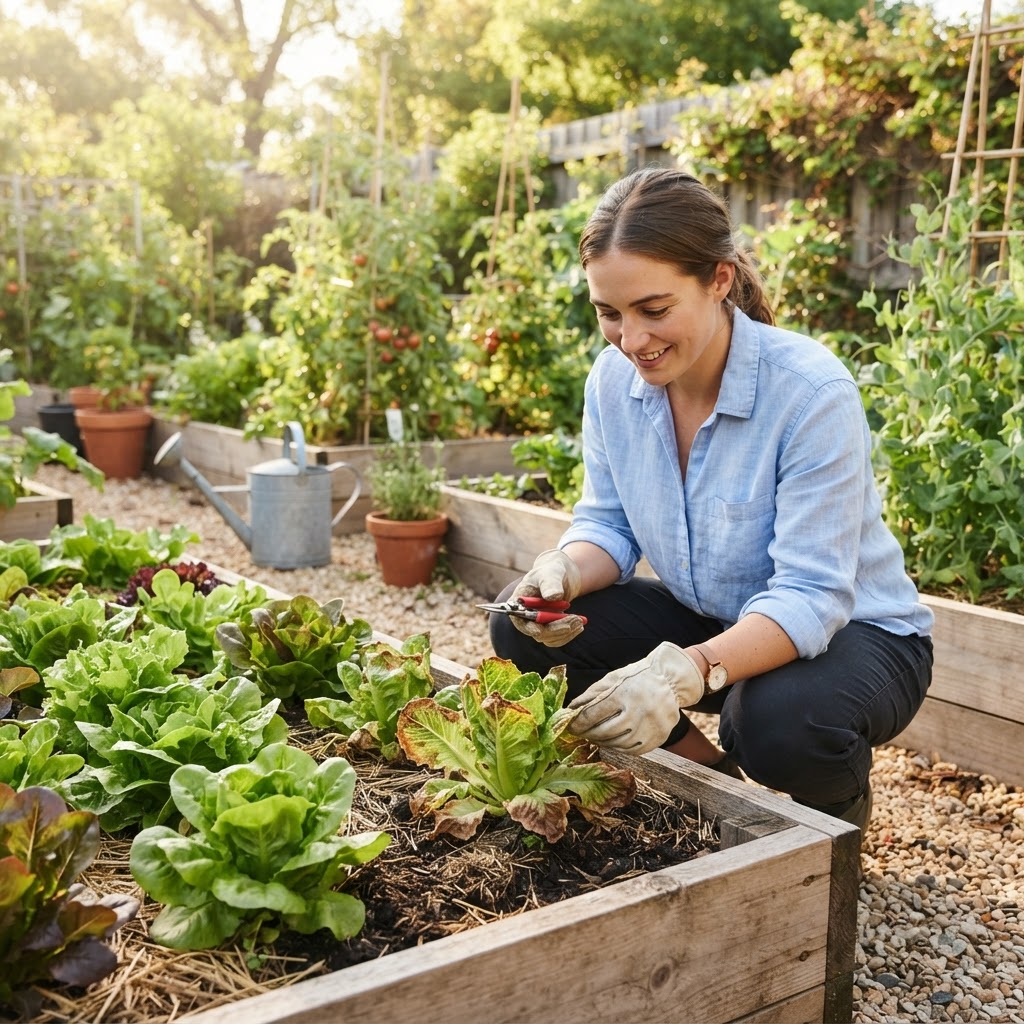
Why Are My Lettuce Leaves Turning Brown? Causes, Fixes, and Prevention Tips
If your lettuce leaves are turning brown, you are not alone. Browning lettuce is one of the most common problems beginner gardeners run into, and the good news is that it is often fixable once you know what to look for.
Sometimes the cause is simple, like inconsistent watering or hot weather. Other times, brown leaves can point to pests, disease, or roots that are staying too wet.
Why This Topic Matters
Lettuce is one of the easiest vegetables to grow at home, which is why so many beginners start with it. It grows quickly, does well in containers and raised beds, and gives you a fast reward for your effort.
But lettuce is also a tender crop. It reacts quickly to stress, and one of its first warning signs is browning on the leaves.
When you understand why lettuce turns brown, you can often save the plant, improve your harvest, and prevent the same issue with future plantings. That matters because healthy lettuce should be crisp, fresh-looking, and productive for as long as the season allows.
A few brown edges are not always a disaster. In many cases, the outer leaves can be trimmed, the growing conditions can be improved, and the plant can keep going.
Quick Answer
If you are asking, why are my lettuce leaves turning brown, the most likely causes are:
- Irregular watering
- Heat stress or too much intense sun
- Overwatering and poor drainage
- Natural aging of outer leaves
- Fungal or bacterial disease
- Pest damage
- Cold injury or frost damage
- Nutrient imbalance or salt buildup
Start by checking where the browning appears. Brown tips often suggest watering stress or salt buildup, soft brown patches can point to rot, and scorched-looking edges may be caused by heat.
Also check the soil. If it is bone dry, your lettuce may be thirsty. If it is soggy and smells sour, the roots may be struggling from too much water.
Step-by-Step Guide
1. Look at the pattern of browning
Before doing anything else, inspect the leaves closely. The pattern tells you a lot.
Ask yourself:
- Are only the outer leaves turning brown?
- Are the tips dry and crispy?
- Are the leaves soft, mushy, or slimy?
- Are there spots, holes, or chewing damage?
- Is the whole plant wilting or just a few leaves?
If only the oldest outer leaves are browning, the plant may simply be shedding older growth. That is normal, especially as heads mature.
If the leaf edges are brown and dry, inconsistent moisture or heat stress is more likely. If the leaves are soft and collapsing, overwatering or disease should move to the top of your list.
2. Check the soil moisture
Lettuce likes evenly moist soil, not soaking wet soil and not long dry spells. One of the biggest reasons leaves turn brown is inconsistent watering.
Stick your finger about 1 to 2 inches into the soil.
- If it feels dry at that depth, water is probably needed.
- If it feels soggy or sticky, the roots may be staying too wet.
- If the surface is dry but underneath is moist, the plant may be fine.
Underwatering often causes:
- Brown leaf tips
- Dry, papery edges
- Wilting during the day
- Bitter flavor
Overwatering often causes:
- Yellowing before browning
- Limp or mushy leaves
- Slow growth
- A sour smell from the soil
Try to water deeply and consistently rather than giving small random splashes. Lettuce has shallow roots, so it benefits from frequent checks.
3. Consider the weather
Lettuce is a cool-season crop. When temperatures rise, it can become stressed quickly.
Hot weather may cause:
- Brown edges
- Scorched patches
- Wilting even when the soil is moist
- Faster bolting
- Tough or bitter leaves
If your lettuce gets strong afternoon sun, especially in late spring or summer, leaves can burn or dry out. This is even more common in containers, where soil heats up and dries faster.
If heat is the problem, try these fixes:
- Water in the morning
- Add mulch around the plants
- Use shade cloth during hot afternoons
- Move containers to a spot with morning sun and afternoon shade
- Harvest more often before plants become stressed
4. Examine drainage and roots
If lettuce is sitting in heavy soil or a pot without proper drainage, the roots may not be getting enough oxygen. That can lead to root rot and browning leaves.
Gently inspect the growing area.
Signs of poor drainage include:
- Water pooling after irrigation
- Soil that stays wet for days
- Stunted plants
- Browning combined with drooping
If the plant is small enough to lift carefully, check the roots. Healthy lettuce roots are usually light-colored and firm. Brown, slimy, or foul-smelling roots suggest rot.
To improve drainage:
- Use raised beds or containers with drainage holes
- Mix compost into compacted soil
- Avoid watering on a strict schedule if the soil is still wet
- Space plants properly so the bed dries evenly
5. Look for disease symptoms
Sometimes browning is caused by disease rather than simple stress. Lettuce can develop fungal or bacterial problems, especially in cool, damp conditions with poor airflow.
Common warning signs include:
- Brown or black spots with yellow halos
- Water-soaked patches
- Slimy tissue
- Moldy growth on leaves
- Rapid collapse of the plant
Diseases are more likely when leaves stay wet for long periods. Overhead watering late in the day can make this worse.
If you suspect disease:
- Remove badly affected leaves right away.
- Do not compost diseased material unless your compost gets very hot.
- Water at the base of the plant, not over the foliage.
- Improve spacing and airflow.
- Clean pruners or scissors between plants.
If an entire plant is heavily infected, it is usually better to remove it than risk spread.
6. Check for pest damage
Pests do not always leave huge holes. Some insects cause subtle damage that leads to browning later.
Check both sides of the leaves for:
- Aphids
- Slugs and snails
- Leafminers
- Caterpillars
- Thrips
Pest damage can show up as:
- Tiny brown spots
- Ragged edges
- Silvery streaks that turn brown
- Sticky residue
- Distorted leaves
For beginner-friendly control, start with the least aggressive methods:
- Hand-pick slugs and caterpillars
- Rinse aphids off with water
- Use row covers to protect young plants
- Keep weeds down around the bed
- Water early so the garden surface dries before evening
7. Think about fertilizer and salt buildup
Lettuce does not need heavy feeding. Too much fertilizer, especially in containers, can stress the roots and cause brown tips or leaf burn.
This is more likely if:
- You feed often with liquid fertilizer
- You use strong synthetic fertilizer
- White crust forms on the soil surface
- Browning appears mainly on tips and edges
If you suspect salt buildup:
- Stop fertilizing for a while
- Flush the soil with water if the container drains well
- Use diluted fertilizer next time
- Follow label directions carefully
For in-ground lettuce, compost often provides enough nutrition without overdoing it.
8. Rule out cold damage
Lettuce tolerates cool weather, but freezing temperatures or cold winds can damage tender leaves. After a frost, leaves may first look wilted and then turn brown.
Cold injury often appears as:
- Water-soaked areas that later dry brown
- Leaf collapse after a chilly night
- Damage on the most exposed leaves
If frost is expected:
- Cover plants with row cover or frost cloth
- Harvest outer leaves ahead of a hard freeze
- Protect containers by moving them to shelter
9. Prune and harvest correctly
Once a leaf has turned fully brown, it will not turn green again. Remove damaged leaves so the plant can focus on healthy growth.
Use clean scissors or garden snips and cut off:
- Brown outer leaves
- Diseased leaves
- Leaves touching soggy soil
If the center of the plant still looks healthy, your lettuce may recover well. Many leaf lettuce varieties bounce back quickly after light cleanup and better care.
10. Adjust your routine going forward
After you identify the cause, make one or two clear changes instead of changing everything at once. That makes it easier to see what actually helps.
A simple recovery plan might be:
- Water evenly when the top inch of soil begins to dry.
- Mulch lightly to hold moisture.
- Give afternoon shade in warm weather.
- Remove damaged leaves.
- Watch new growth for improvement over the next week.
New leaves are the best clue. If fresh growth looks green and healthy, your fix is working.
Common Beginner Mistakes
One of the easiest mistakes is assuming every brown leaf means the plant is dying. In reality, lettuce often loses older outer leaves as it grows.
Another common mistake is watering by habit instead of checking the soil first. Lettuce needs consistency, but it does not want to sit in soggy soil.
Here are a few beginner mistakes that often lead to brown leaves:
- Planting in full, harsh afternoon sun during warm weather
- Crowding plants too closely, which reduces airflow
- Watering overhead late in the day, leaving leaves wet overnight
- Using too much fertilizer, especially in pots
- Ignoring drainage, particularly in containers
- Waiting too long to harvest, which increases stress and bitterness
Beginners also sometimes panic and remove too much foliage at once. If the plant still has a healthy center, leave enough leaves for it to keep growing.
Best Tips for Success
Growing crisp, healthy lettuce gets much easier when you focus on prevention. Small adjustments make a big difference.
Here are the best tips for success:
- Grow lettuce in cool seasons whenever possible.
- Give it morning sun and some afternoon shade in warmer climates.
- Keep the soil evenly moist, not drenched.
- Add a thin layer of mulch to reduce moisture swings.
- Space plants so air can move between them.
- Water at the base to keep leaves drier.
- Harvest outer leaves regularly instead of waiting too long.
- Replant often with succession sowing for a steady supply.
It also helps to choose varieties that match your season. Some lettuce types handle heat a little better than others, while tender varieties may struggle once temperatures climb.
If you live in a hot area, try growing lettuce in early spring, fall, or even winter with protection. Timing is often just as important as technique.
Recommended Supplies or Tools
You do not need fancy gear to keep lettuce healthy. A few simple tools can help you avoid the most common causes of browning.
Useful supplies include:
- Watering can or gentle hose nozzle for even watering
- Moisture meter if you struggle to judge soil dampness
- Mulch such as straw or shredded leaves
- Shade cloth for warm afternoons
- Row cover or frost cloth for temperature swings
- Sharp garden snips for harvesting and removing damaged leaves
- Containers with drainage holes if growing in pots
- Compost to improve soil structure and gentle fertility
If you are just starting out, the most valuable items are usually good containers or beds with drainage, a reliable watering method, and something to provide shade when the weather turns hot.
Frequently Asked Questions
Can I still eat lettuce with brown edges?
Usually, yes, if the browning is from age, slight dryness, or minor weather stress. Trim away the brown parts and use the healthy green portions, but do not eat lettuce that is slimy, foul-smelling, or clearly diseased.
How often should I water lettuce?
There is no perfect schedule because weather, soil, and container size all matter. Check the soil often and water when the top inch starts to dry, aiming for steady moisture rather than extremes.
Will brown lettuce leaves turn green again?
No, damaged brown tissue will not recover. What you are looking for is healthy new growth after you correct the problem.
Is brown lettuce caused by too much sun?
Sometimes, yes. Lettuce can develop scorched or crispy brown edges in hot weather or intense afternoon sun, especially in containers.
Why are only the outer leaves turning brown?
That is often a sign of normal aging or mild environmental stress. If the center of the plant looks healthy, simply remove the outer leaves and keep monitoring conditions.
Final Thoughts
If you have been wondering, why are my lettuce leaves turning brown, the answer is usually tied to stress rather than mystery. Start with the basics: check soil moisture, think about recent weather, inspect for pests or disease, and look at drainage.
Lettuce is quick to react, but it is also quick to recover when conditions improve. With a little observation and a few simple changes, you can usually get back to harvesting fresh, tender leaves from your garden.