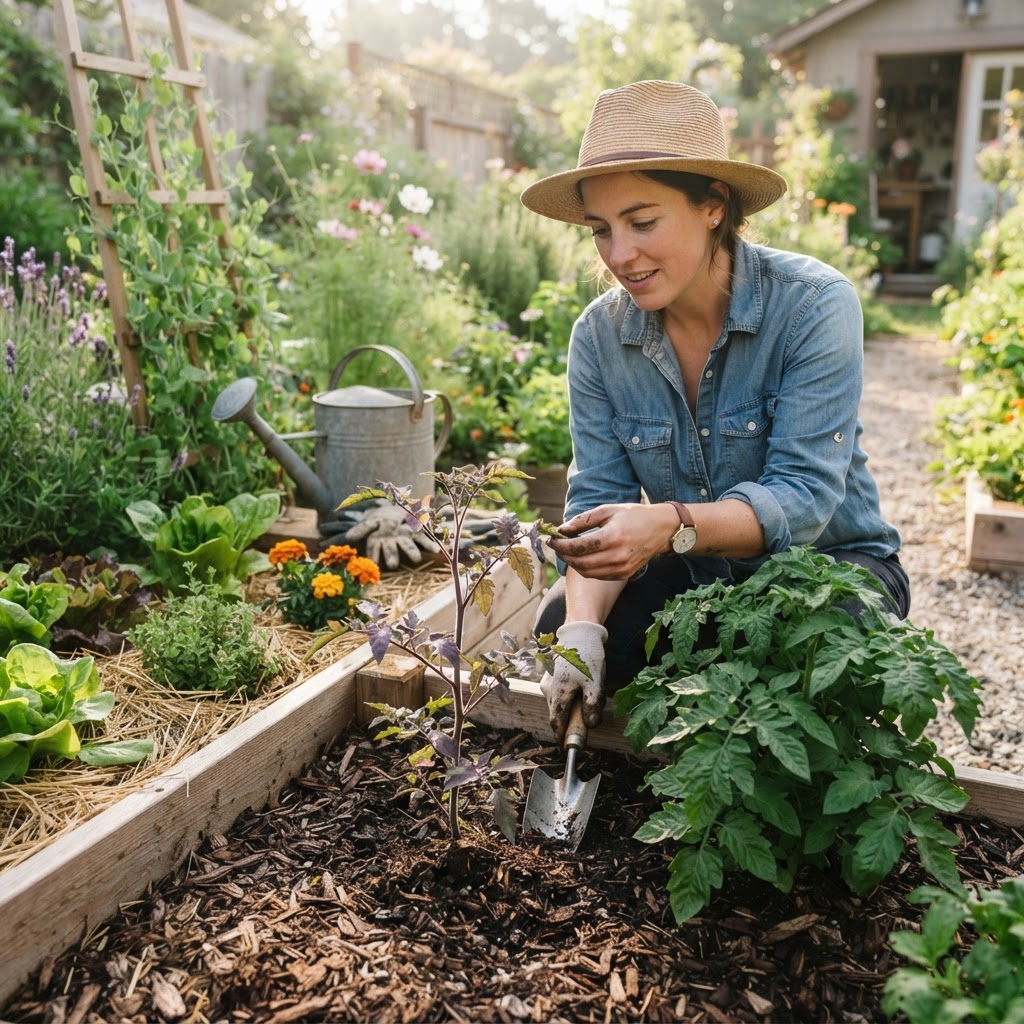
Why Are My Tomato Leaves Turning Purple? Common Causes and Easy Fixes
If your tomato leaves are turning purple, it is easy to worry that your plants are in serious trouble. The good news is that purple leaves are often a clue about stress, temperature, or nutrition, and many causes are fixable once you know what to look for.
Why This Topic Matters
Tomatoes are one of the most popular vegetables for home gardeners, but they can also be a little dramatic. When the leaves suddenly develop a purple tint, beginners often assume the plant is dying or has a rare disease.
In many cases, purple tomato leaves are the plant's way of telling you that something in its growing conditions is off. That could be cold soil, poor phosphorus uptake, root stress, or sometimes just normal genetics.
Catching the problem early matters because tomatoes grow best when they can put their energy into strong roots, healthy leaves, and flowers. If the plant stays stressed for too long, growth may slow down and fruit production can suffer.
The key is not to panic. Instead, look at the whole plant, the weather, the soil, and how recently it was transplanted. A simple check can often point you in the right direction.
Quick Answer
The most common reason tomato leaves turn purple is a phosphorus uptake problem, usually caused by cold soil rather than a total lack of fertilizer. Tomatoes need phosphorus for root growth and overall development, but when temperatures are too low, the plant may not be able to use what is already in the soil.
Other possible causes include:
- natural purple coloring in some tomato varieties
- transplant shock
- compacted or waterlogged soil
- root damage
- soil pH problems
- true nutrient deficiency
- less commonly, pest or disease stress
If the plant is otherwise healthy and the weather has been cool, purple leaves are often temporary. As the soil warms and the roots settle in, the color may fade and growth usually improves.
Step-by-Step Guide
1. Look at where the purple color appears
Start by noticing which leaves are purple. Is it only the undersides of the leaves, the veins, the stems, or the entire leaf?
If the purple color is mostly on young transplants during cool weather, cold stress is a very likely cause. If older leaves are dark, dull, and growth is slow, nutrient issues become more likely.
Also check whether the leaves are still firm and healthy or if they are curling, wilting, or developing spots. Purple color alone points more toward stress or nutrition than disease.
2. Think about recent temperatures
Tomatoes love warmth. When daytime temperatures are mild but nights drop too low, roots can struggle to take up phosphorus.
This happens often in spring, especially right after transplanting. Even if the air feels pleasant, the soil may still be colder than tomatoes prefer.
Watch for these temperature-related clues:
- nighttime temperatures below 50°F
- recently transplanted seedlings
- slow growth after a cold spell
- purple leaves with no major spotting or decay
If this sounds like your garden, give the plants time and warmth before assuming the worst.
3. Check whether your variety naturally has purple tones
Some tomato varieties naturally show purple or bluish coloring in their stems, leaf veins, or leaf undersides. This is caused by anthocyanins, which are natural pigments.
If the plant is growing well, looks sturdy, and has always had a slight purple cast, it may simply be normal for that variety. Seed packet descriptions and plant labels can sometimes mention darker foliage or purple traits.
Natural coloration usually does not come with stunting, yellowing, or poor growth. If the plant looks vigorous, there may be nothing to fix.
4. Check for transplant shock
Tomato seedlings commonly show stress after being moved into the garden or a larger container. Roots need time to adjust, and during that period the leaves may temporarily turn purple.
Transplant shock is more likely if:
- the seedlings were planted out too early
- roots were disturbed during planting
- plants were not hardened off well
- weather turned windy or cold after transplanting
In this case, focus on gentle care. Keep the soil evenly moist, protect plants from cold nights, and avoid over-fertilizing in an effort to force recovery.
5. Test your soil moisture
Too much water and too little water can both stress tomatoes. Waterlogged soil can limit oxygen around the roots, making nutrient uptake harder. Very dry soil can also interfere with normal growth.
Stick your finger a couple of inches into the soil. If it feels soggy, compacted, or smells sour, overwatering may be part of the problem. If it feels bone dry and the plant is drooping, underwatering may be contributing.
Tomatoes do best with deep, consistent watering rather than frequent shallow watering. A regular routine helps roots stay active and healthy.
6. Consider soil compaction and root health
Healthy roots are the engine of a tomato plant. If the roots are cramped, damaged, or sitting in dense soil, the plant may struggle to access nutrients even when they are present.
Common root-related causes include:
- compacted garden beds
- containers that are too small
- roots circling in a pot
- damage from rough transplanting
- poor drainage
If your tomatoes are in containers, make sure the pots are large enough. Most indeterminate tomatoes do best in containers that hold at least 10 gallons, and bigger is often better.
7. Check your soil pH
Tomatoes generally prefer a slightly acidic soil pH, around 6.2 to 6.8. If the pH is too high or too low, nutrients can become less available to the plant.
That means a tomato can show deficiency symptoms even when fertilizer was added. A simple soil test can help you avoid guessing.
If your pH is far outside the ideal range, correct that first. Adding more fertilizer without fixing pH often does not solve the real problem.
8. Decide whether phosphorus deficiency is likely
True phosphorus deficiency is less common in home gardens than gardeners think, but it can happen. It is more likely in poor soil, heavily leached beds, or containers that have not been fertilized properly.
Signs that may point to phosphorus deficiency include:
- purple or reddish-purple leaves or veins
- slow, stunted growth
- dark green leaves with a dull cast
- delayed flowering or weak root development
If you suspect a real deficiency, use a balanced fertilizer or one formulated for vegetables, following label directions carefully. More is not better. Too much fertilizer can create new problems.
9. Rule out pests and disease
Purple leaves are not usually the first sign of a tomato disease, but severe stress from pests or infection can change leaf color. Check the plant closely for chewing damage, sticky residue, webbing, spotting, or distorted new growth.
Look under leaves for aphids, mites, or other small pests. If you also see brown spots, blackened stems, mushy areas, or major wilting, something more than a nutrient issue may be going on.
When in doubt, remove the worst damaged leaves and continue monitoring. A single symptom rarely tells the whole story.
10. Take the right next step
Once you have looked at temperature, watering, roots, and soil, choose the simplest likely fix.
Here is a practical action plan:
- Warm the soil if nights are cold by using mulch after the soil has warmed or using row covers on chilly evenings.
- Water deeply but do not keep the soil soggy.
- Avoid heavy feeding unless you have reason to suspect a real deficiency.
- Use a soil test if the problem continues for more than a couple of weeks.
- Be patient with newly transplanted tomatoes, especially in spring.
Many tomato plants recover beautifully once conditions improve. New growth is the best sign to watch. If fresh leaves look green and healthy, your plant is likely back on track.
Common Beginner Mistakes
One of the biggest mistakes is adding lots of fertilizer the moment leaves turn purple. If cold soil is the real issue, more fertilizer will not help the plant use phosphorus any faster.
Another common mistake is planting tomatoes too early. Warm-season crops may survive cool weather, but they rarely thrive in it.
Beginners also tend to overwater stressed plants. It feels helpful, but soggy soil can make root problems worse.
Avoid these easy-to-make mistakes:
- assuming purple always means disease
- feeding heavily without testing soil or reviewing weather
- ignoring nighttime temperatures
- using small containers for large tomato varieties
- watering a little every day instead of deeply when needed
- disturbing roots repeatedly to inspect the plant
The best approach is calm observation. Tomatoes often tell you what they need when you slow down and look at the full picture.
Best Tips for Success
If you want to prevent purple leaves in the future, focus on strong growing conditions from the start. Healthy roots and warm soil solve a lot of tomato problems before they begin.
Here are some of the best ways to help tomatoes stay vigorous:
- wait until the soil has warmed before transplanting outdoors
- harden off seedlings gradually for 7 to 10 days
- plant in loose, well-drained soil rich in compost
- use containers that are large enough for mature plants
- water consistently at the base of the plant
- mulch once the soil is warm to help keep moisture steady
- test soil every season or two instead of guessing
If purple leaves appear after a cold snap, do not rush to pull the plant out. Tomatoes are resilient, and many recover once warm weather returns.
Recommended Supplies or Tools
You do not need a lot of fancy gear to troubleshoot purple tomato leaves, but a few basic tools can make gardening easier.
Helpful supplies include:
- a soil thermometer to check spring soil temperature
- a simple soil test kit for pH and nutrients
- mulch such as straw or shredded leaves
- row covers or frost cloth for chilly nights
- a watering wand or drip irrigation setup
- quality compost for improving soil structure
- sturdy tomato cages or stakes to reduce plant stress later
If you grow in containers, choose large pots with good drainage holes. A small container dries out fast, overheats, and limits root development.
Frequently Asked Questions
Will purple tomato leaves turn green again?
Sometimes yes. If the cause is temporary cold stress or transplant shock, older leaves may stay somewhat discolored while new growth comes in green and healthy.
The most important thing to watch is the new growth. That tells you whether conditions have improved.
Should I add phosphorus right away?
Not always. Purple leaves are often caused by cold soil blocking phosphorus uptake, not a true lack of phosphorus in the soil.
If you add fertilizer without confirming the cause, you may waste product or create nutrient imbalance. Check temperature, watering, and soil conditions first.
Can overwatering cause tomato leaves to turn purple?
Yes, it can contribute. Overwatering stresses roots and reduces oxygen in the soil, which can interfere with nutrient uptake.
If the soil stays soggy, the plant may show purple leaves along with slow growth or wilting.
Are purple stems on tomato plants normal?
They can be. Some tomato varieties naturally have purple stems or purple tints in the leaf veins because of genetic pigmentation.
If the plant is otherwise growing well, this may be completely normal.
Is it safe to eat tomatoes from a plant with purple leaves?
In most cases, yes. Purple leaves caused by cold stress, nutrient issues, or genetics do not make the fruit unsafe.
If the plant has severe disease symptoms, identify the problem first before eating damaged fruit.
Final Thoughts
If you have been asking, why are my tomato leaves turning purple, the answer is usually less scary than it looks. Most often, the plant is reacting to cold soil, root stress, or trouble taking up phosphorus.
Start with the basics: temperature, watering, roots, and soil. With a little patience and a few simple checks, your tomatoes have a very good chance of bouncing back and rewarding you with healthy summer growth.