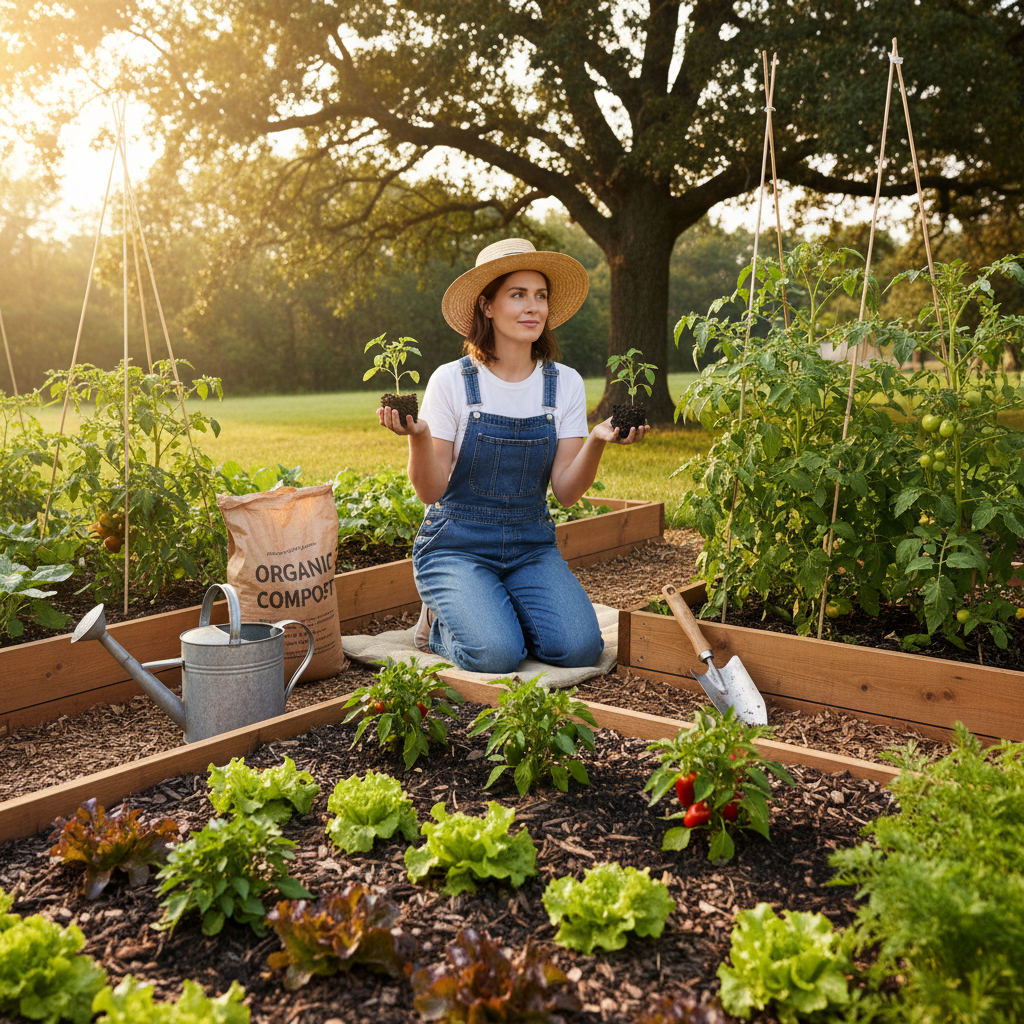
Why Are My Vegetables Growing So Slowly? 10 Common Causes and Easy Fixes
Affiliate Disclosure: This article contains affiliate links. If you make a purchase through one of them, we may earn a small commission at no extra cost to you. We only recommend products we genuinely believe will help your garden thrive.
If your garden looks alive but your vegetables seem stuck in place, you are not alone. Slow growth is one of the most common beginner gardening problems, and the good news is that it usually has a clear cause.
The key is to look at the basics first: sunlight, temperature, water, soil, spacing, and feeding. Once you identify what is slowing your plants down, small changes can make a big difference.
Why This Topic Matters
When vegetables grow slowly, it is easy to feel like you are doing everything wrong. You plant the seeds, water regularly, and wait for progress, only to see tiny plants that barely change from week to week.
Slow growth matters because it affects the whole season. A plant that gets off to a weak start may produce later, yield less, or become more vulnerable to pests and disease.
For home gardeners, timing is important. Many vegetables have a narrow window when temperatures are just right, so delays can mean missing the best growing conditions.
It also helps to know that “slow” is sometimes normal. Carrots, peppers, onions, and many herbs naturally take longer to size up than fast crops like radishes or lettuce.
That is why learning the difference between normal growth and stalled growth is so useful. It helps you avoid unnecessary worry while also catching real problems early.
Quick Answer
If your vegetables are growing slowly, the most likely reasons are not enough sunlight, cool temperatures, poor soil, inconsistent watering, overcrowding, or lack of nutrients. In some cases, transplant shock, pests, compacted soil, or planting at the wrong time can also hold plants back.
Start with a simple check:
- Are your plants getting 6 to 8 hours of direct sun?
- Is the soil staying evenly moist, not soggy or bone dry?
- Have you added compost or fertilizer?
- Are plants spaced far enough apart?
- Have nighttime temperatures been too cold for warm-season crops?
Fixing even one of these issues can help your vegetables start growing more steadily.
Step-by-Step Guide
1. Check how much sunlight your garden really gets
Most vegetables need full sun, which means at least 6 to 8 hours of direct light each day. Fruiting plants like tomatoes, peppers, cucumbers, squash, and beans usually perform best with even more.
A common beginner mistake is overestimating sunlight. A bed may look bright, but if nearby trees, fences, or buildings block direct sun for much of the day, growth can slow down fast.
Watch your garden area from morning to evening and note how many hours of direct sun each spot receives. If light is limited, grow leafy greens there and move sun-loving crops to the brightest location.
2. Match the crop to the temperature
Temperature has a huge effect on growth speed. Warm-season vegetables such as tomatoes, peppers, eggplant, melons, and cucumbers can sit still for weeks if the weather is too cool.
Even if the plants survive, they may not grow much until both the air and soil warm up. This is especially common in spring when gardeners plant too early because the days feel pleasant, but the nights are still cold.
Cool-season vegetables like lettuce, peas, spinach, kale, broccoli, and carrots often grow well in cooler weather. If you planted warm-weather crops into chilly soil, patience may help, but row covers, black mulch, or later planting next season may work better.
3. Improve the soil before adding more fertilizer
Healthy soil supports steady, strong growth. If your soil is hard, sandy, low in organic matter, or poorly drained, your vegetables may struggle even if you water and fertilize regularly.
Compost is one of the best fixes for slow-growing plants. It improves moisture retention in sandy soil, loosens heavy clay, and adds a gentle supply of nutrients over time.
Before reaching for stronger plant food, check the soil itself. A thin layer of compost worked into the top few inches can often do more for vegetable growth than repeated feeding alone.
If possible, do a simple soil test. It can reveal whether your garden is low in nitrogen or other nutrients, or if the pH is making it harder for plants to use what is already there.
4. Water deeply and consistently
Vegetables need consistent moisture to grow well. If the soil swings between very dry and very wet, plants often slow down because their roots are stressed.
Shallow watering is another common issue. A quick sprinkle may dampen the surface, but roots need moisture deeper in the soil where they can stretch and strengthen.
In most gardens, it is better to water deeply a few times a week than lightly every day. The goal is evenly moist soil, not soggy soil.
Use your finger to check moisture a couple of inches down. If it feels dry there, it is time to water. Mulch can help keep moisture levels more stable, especially during hot or windy weather.
5. Make sure your plants are not overcrowded
Crowded plants compete for sunlight, water, air, and nutrients. Even seedlings that look tiny at first can quickly begin to shade one another and slow each other down.
This problem often starts with direct sowing. It can be hard to thin carrots, beets, lettuce, and radishes when they all sprout at once, but skipping that step usually leads to weaker growth.
Check the seed packet or plant label for spacing guidance. If your plants are packed together, thinning them can feel harsh, but it gives the remaining vegetables a much better chance to thrive.
Good spacing also improves airflow, which helps reduce disease pressure later in the season.
6. Feed plants the right way, not the most aggressive way
Vegetables are hungry plants, but more fertilizer is not always better. Too little nutrition can slow growth, but too much can damage roots or push leafy growth when you really want flowers and fruit.
Nitrogen is especially important for early leafy growth. If older leaves are pale and plants look weak overall, a mild balanced fertilizer or nitrogen-rich organic feed may help.
For fruiting vegetables, once plants are established, a balanced or slightly lower-nitrogen fertilizer is often a better fit. Compost, fish emulsion, seaweed feed, or granular organic vegetable fertilizer can all work well when used as directed.
The safest beginner approach is simple: improve soil with compost, then feed lightly and consistently instead of applying heavy doses all at once.
7. Watch for root stress and transplant shock
Vegetables can pause after transplanting, even when you do everything right. This is called transplant shock, and it is especially common with tomatoes, peppers, cucumbers, squash, and other tender crops.
Signs include drooping, yellowing, or plants that just sit there without much new growth. The roots may be adjusting to outdoor temperatures, stronger sun, wind, and different moisture levels.
To reduce stress, harden off seedlings before planting, transplant on a mild or cloudy day, and water well after planting. Avoid disturbing the roots more than necessary.
If a plant is otherwise healthy, give it a little time. Many vegetables recover within a week or two once their roots settle in.
8. Look for pests and disease early
You do not need a major infestation for growth to slow down. Small pests like aphids, flea beetles, spider mites, and cutworms can weaken young plants before you notice obvious damage.
Disease can also slow vegetables long before it becomes dramatic. Yellow leaves, spots, curling, stunted growth, or chewed stems are all clues that something more than water or fertilizer may be involved.
Check the undersides of leaves, the stems near the soil line, and the newest growth. Catching a problem early makes it much easier to manage.
For beginners, the best first steps are hand-picking pests, spraying a strong stream of water for aphids, removing damaged leaves, and improving airflow. Try to identify the issue before treating it.
9. Loosen compacted soil and protect root health
Roots need oxygen as much as they need water. If your soil is compacted from foot traffic, heavy clay, or repeated digging when wet, roots may struggle to spread.
Plants in compacted soil often stay small, wilt quickly in heat, or seem unable to take up nutrients properly. The surface may also crust over, making it harder for water to soak in.
Avoid walking in planting beds, especially after rain. Add compost regularly, use mulch, and consider raised beds if your native soil is dense and slow-draining.
A garden fork can help gently loosen the soil around established plants, but do not dig too close to stems where you might damage roots.
10. Make sure you are being realistic about growth speed
Some vegetables are just slower than others. Peppers, celery, onions, parsnips, and many perennial herbs often take their time, especially early in the season.
Seed packets usually list “days to maturity,” but those numbers are estimates based on ideal conditions. Cool weather, cloudy weeks, or slow soil warming can stretch that timeline.
Keep notes on when you planted, what the weather was like, and when growth picked up. Over time, you will get a much better feel for what is normal in your own garden.
Common Beginner Mistakes
Slow growth often comes from a few very fixable habits. If you are new to gardening, check for these first:
- Planting too early: Warm-season vegetables may survive cool weather but will not grow well in it.
- Ignoring sunlight patterns: A spot that seems sunny may only get a few hours of direct light.
- Watering on a schedule instead of by soil moisture: Gardens do not need the same amount every day.
- Skipping thinning: Crowded seedlings stay small and compete with each other.
- Using poor soil without adding compost: Thin, compacted, or depleted soil limits root growth.
- Overfertilizing: Too much fertilizer can stress plants or create unbalanced growth.
- Letting weeds stay too long: Weeds steal light, water, and nutrients from vegetables.
- Panicking too quickly: Some crops simply need more time to establish.
One helpful mindset shift is this: slow growth is feedback, not failure. Your plants are telling you something about their conditions.
Best Tips for Success
If you want vegetables to grow faster and more steadily, focus on the basics and keep things simple.
Here are the most reliable habits:
- Start with compost-rich soil. This improves structure, drainage, and nutrition.
- Grow the right crops for the season. Cool-season plants for cool weather, warm-season plants for warm weather.
- Track sunlight before planting. Put fruiting vegetables in the brightest spots.
- Water deeply. Aim for consistent moisture, especially while plants are young.
- Mulch around plants. Mulch helps hold moisture and reduce stress from temperature swings.
- Thin and space properly. Bigger harvests usually come from fewer, healthier plants.
- Check plants often. A quick daily look helps you catch pests, dry soil, or yellowing leaves early.
- Keep a garden journal. Notes on planting dates, weather, and results will help you improve every season.
You do not need a perfect garden to grow healthy vegetables. You just need steady care and a willingness to adjust.
Recommended Supplies or Tools
You do not need a shed full of equipment to solve slow growth problems. A few basic tools can make troubleshooting much easier.
Useful supplies include:
- Hand trowel: For planting, checking soil, and mixing in compost.
- Compost or aged manure: To improve soil structure and nutrient content.
- Organic vegetable fertilizer: Helpful if plants need a gentle feeding boost.
- Mulch: Straw, shredded leaves, or untreated grass clippings help conserve moisture.
- Watering wand or soaker hose: Makes deep watering easier and more efficient.
- Rain gauge: Helps you know how much water your garden is actually getting.
- Soil thermometer: Very useful for knowing when warm-season crops are ready to plant.
- Soil test kit or local extension soil test: Helps identify nutrient or pH issues.
- Garden notebook or app: Great for tracking what worked and what did not.
If you only choose two upgrades, start with compost and a way to water deeply. Those alone solve a surprising number of slow-growth issues.
Frequently Asked Questions
Why are my vegetable seedlings alive but not getting bigger?
This usually points to not enough light, cool temperatures, overcrowding, or poor soil. Seedlings can stay alive for a long time without making much progress if one of those basics is missing.
Can overwatering make vegetables grow slowly?
Yes. Soggy soil reduces oxygen around the roots, which can slow growth, cause yellowing, and sometimes lead to root problems. Vegetables like steady moisture, not constantly wet soil.
Will fertilizer fix slow-growing vegetables right away?
Not always. If the real problem is low light, cold weather, compacted soil, or poor spacing, fertilizer alone will not solve it. It helps most when nutrients are actually the limiting factor.
Do vegetables grow slower in containers?
They can, especially if the container is too small, dries out quickly, or contains low-quality potting mix. With enough sun, regular feeding, and consistent watering, container vegetables can still grow very well.
Recommended Products
Looking for the right gear to get started? We've curated our top picks for sustainable vegetable gardening — from raised beds and grow lights to seed-starting kits and organic fertilizers — on our Recommended Products page.
Ready to Start?
If you're ready to gear up, check out our recommended raised beds and grow lights on Amazon — beginner-approved and built to last.
Ready to Start?
If you're ready to gear up, check out our recommended raised beds and grow lights on Amazon — beginner-approved and built to last.
Ready to Start?
If you're ready to gear up, check out our recommended raised beds and grow lights on Amazon — beginner-approved and built to last.
Ready to Start?
If you're ready to gear up, check out our recommended raised beds and grow lights on Amazon — beginner-approved and built to last.
Final Thoughts
If you have been asking, “why are my vegetables growing so slowly,” the answer is usually found in a few core conditions rather than one mysterious problem. Sunlight, temperature, soil quality, water, and spacing have the biggest impact on how quickly your plants develop.
Start with those basics, make one or two changes at a time, and give your plants a little time to respond. Gardening gets easier with observation, and every slow season teaches you how to grow a better one next time.