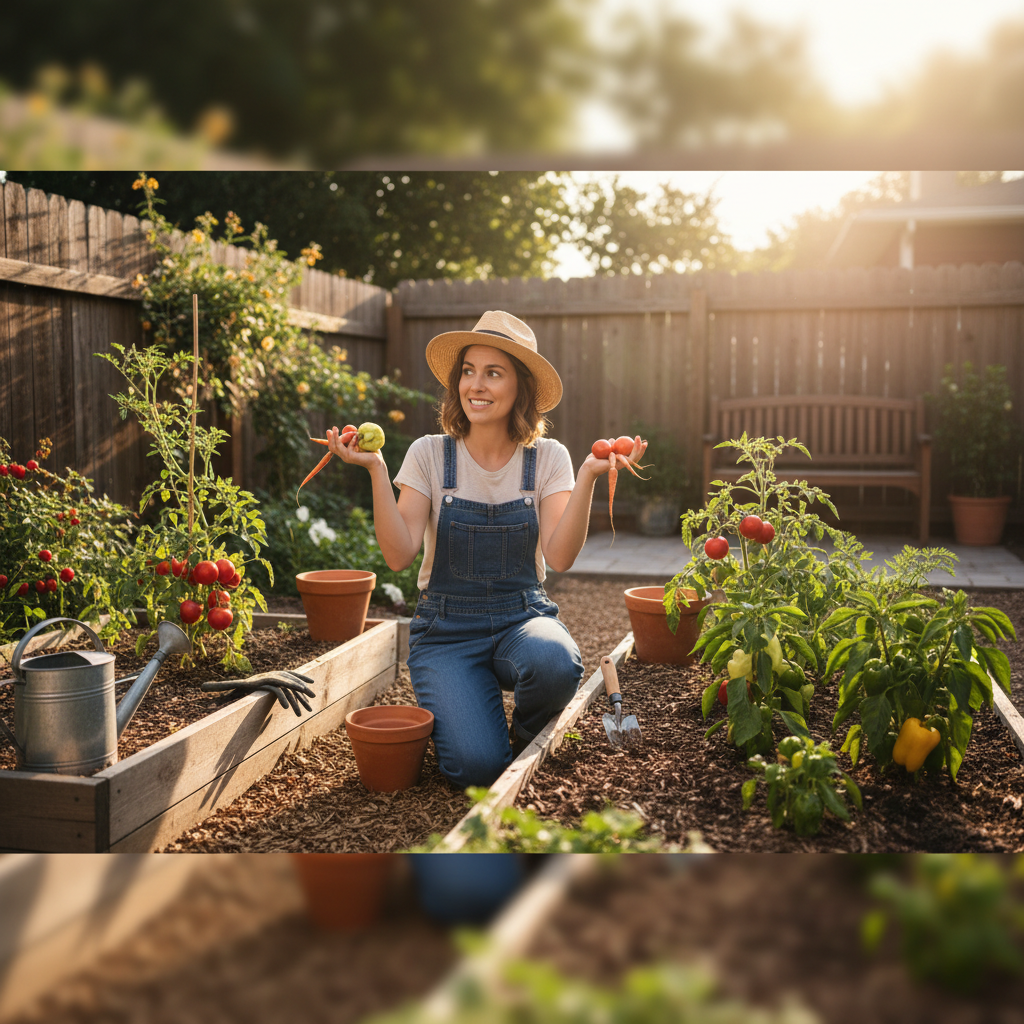
Why Are My Vegetables So Small? 9 Common Causes and Simple Fixes
Affiliate Disclosure: This article contains affiliate links. If you make a purchase through one of them, we may earn a small commission at no extra cost to you. We only recommend products we genuinely believe will help your garden thrive.
If your harvest looks smaller than you hoped, you are not alone. Many beginner gardeners ask, "why are my vegetables so small," and the good news is that small crops usually point to a fixable growing problem, not a complete gardening failure.
Why This Topic Matters
Small vegetables can be disappointing, especially after weeks or months of watering, weeding, and waiting. You expect full tomatoes, thick carrots, and sturdy peppers, but instead you get tiny fruits, skinny roots, or undersized heads.
The size of your vegetables tells you a lot about how your garden is performing. When crops stay small, they are often signaling that they need more sunlight, steadier water, better spacing, healthier soil, or simply more time.
Learning to spot these signals helps you do more than save one season. It helps you become a better gardener overall because you start understanding what each crop needs to thrive.
It is also worth knowing that “small” does not always mean “bad.” Some vegetables are naturally smaller depending on the variety, weather, or harvesting stage, and many small vegetables still taste excellent.
Quick Answer
If you are wondering why your vegetables are so small, the most common reasons are:
- Not enough sunlight
- Overcrowded plants
- Inconsistent watering
- Poor soil or low fertility
- Too much nitrogen and not enough balanced nutrition
- Containers or raised beds that are too shallow or cramped
- Heat, cold, or weather stress
- Poor pollination for fruiting crops
- Harvesting at the wrong time or growing a naturally small variety
In most home gardens, the biggest causes are lack of sun, crowding, and uneven moisture. Start by checking those first, then work through the rest one by one.
Step-by-Step Guide
Here is a simple way to troubleshoot undersized vegetables without getting overwhelmed.
1. Check how much sun your garden gets
Most vegetables need full sun, which means at least 6 to 8 hours of direct sunlight a day. Fruiting crops like tomatoes, peppers, cucumbers, squash, and eggplant often do best closer to 8 hours or more.
If plants do not get enough light, they cannot make enough energy to support large fruits, roots, or leaves. They may survive, but their growth will usually be weaker and slower.
Signs sunlight may be the problem include:
- Tall, leggy plants
- Pale leaves
- Few flowers or fruits
- Vegetables that stay tiny even when plants look alive
Spend a day watching your garden space. Trees, fences, nearby houses, and even taller plants can block more light than you realize.
2. Make sure plants are not overcrowded
It is tempting to plant more in a small space, especially when seedlings look tiny at first. But crowded plants compete for light, water, nutrients, and airflow, and that competition often leads to smaller harvests.
Root crops especially struggle when they are too close together. Carrots, beets, radishes, onions, and turnips need enough room underground to size up properly.
Fruiting crops also suffer when packed too tightly. A tomato plant squeezed between other plants may produce fruit, but the tomatoes can stay small because the plant is sharing too many resources.
If spacing is the issue:
- Thin seedlings early.
- Follow spacing on the seed packet or plant label.
- Prune only when appropriate for that crop.
- Resist the urge to fill every gap.
3. Look at your watering habits
Vegetables need consistent moisture to grow to full size. Too little water slows growth, but watering heavily only once in a while can also cause stress.
When soil swings between bone-dry and soaked, plants stop growing smoothly. Fruiting crops may stay small, root crops may turn woody, and leafy greens may stall.
Check the soil by sticking your finger 1 to 2 inches down. If it feels dry there, it is probably time to water.
A few watering tips that help:
- Water deeply instead of lightly sprinkling
- Water the soil, not just the leaves
- Mulch around plants to hold moisture
- Adjust watering during hot or windy weather
Containers dry out much faster than in-ground beds, so potted vegetables often need more frequent checks.
4. Improve your soil before chasing fertilizers
Healthy soil is the foundation of vegetable size. If the soil is compacted, low in organic matter, or lacking nutrients, plants may grow but never reach their full potential.
Before adding random fertilizer, think about the soil itself. Compost improves structure, water retention, drainage, and slow nutrient release all at once.
If your vegetables are small across the whole garden, poor soil may be the main issue. If only one crop is struggling, it may be more specific to that plant’s needs.
Good soil support includes:
- Adding compost each season
- Avoiding walking on garden beds
- Loosening compacted soil carefully
- Using raised beds if your native soil drains badly
5. Feed plants the right way
Not all nutrient problems look the same. Sometimes small vegetables come from too little fertility, but sometimes it comes from the wrong kind of fertilizer.
Too much nitrogen can make plants produce lots of leaves but few or small fruits. This is common with tomatoes, peppers, and squash that look lush and green but do not size up well.
Root crops can also react badly to overly rich or unbalanced feeding. Instead of growing smooth roots, they may fork, crack, or stay small.
For beginners, a simple approach works best:
- Mix compost into the soil
- Use a balanced vegetable fertilizer if needed
- Follow label directions carefully
- Avoid overfeeding just because growth seems slow
If possible, use a soil test. It gives you a clearer picture than guessing.
6. Match the container to the crop
If you are growing in pots, bags, or small raised planters, root space matters a lot. A plant with limited root room usually produces a limited top growth and smaller vegetables.
Tomatoes, peppers, cucumbers, and eggplants need more root space than many beginners expect. Root vegetables also need enough depth to form properly.
Common container-related issues include:
- Pots that are too small
- Soil drying out too fast
- Nutrients washing out with frequent watering
- Roots becoming crowded or circling
If container gardening is your setup, choose large pots with drainage and refresh the potting mix regularly.
7. Consider the weather and temperature
Even if you do everything else right, weather can still affect size. Cool-season crops like lettuce, peas, broccoli, cabbage, and carrots may stall in heat, while warm-season crops like peppers and tomatoes may slow down in cold spells.
Extreme weather makes plants focus on survival instead of growth. Heat stress, chilly nights, strong wind, and long dry periods can all reduce vegetable size.
Ask yourself:
- Did this crop grow during an unusual heat wave?
- Was spring colder than normal?
- Did the plant flower during stressful weather?
Sometimes the best fix is simply adjusting planting times next season.
8. Check pollination on fruiting vegetables
If flowers appear but fruits stay tiny or drop off, pollination may be part of the problem. This matters most for crops like cucumbers, squash, melons, pumpkins, and sometimes peppers.
Poor pollination can lead to fruits that begin forming but never enlarge properly. A small cucumber or squash that yellows and shrivels is a classic sign.
To support better pollination:
- Grow flowers that attract bees
- Avoid spraying pesticides around blooms
- Plant several pollinator-friendly crops nearby
- Hand-pollinate squash if needed
Tomatoes and peppers are usually self-pollinating, but very hot or humid weather can still interfere with fruit set and sizing.
9. Make sure you are harvesting at the right stage
Sometimes vegetables seem too small simply because they were picked too early. Beginners often harvest out of excitement, which is completely understandable.
On the other hand, some vegetables really are supposed to be harvested small. Pickling cucumbers, baby beets, certain peppers, and many patio tomato varieties are naturally petite.
Check the expected mature size for your variety. A cherry tomato will never become a beefsteak, and a mini bell pepper will stay smaller than a standard bell.
Common Beginner Mistakes
Small vegetables are often caused by a few easy-to-make beginner mistakes. The good news is that once you know what to look for, they are much easier to avoid.
Planting in too much shade
A bright yard is not always the same as a full-sun growing space. Vegetables need direct sun, not just daylight.
Skipping thinning
Seedlings can look so fragile that thinning feels wrong. But if you leave every carrot, beet, or lettuce seedling in place, they will compete and stay small.
Watering on a schedule instead of by soil need
Plants do not use water at exactly the same rate every day. Rain, heat, wind, mulch, and plant size all change how quickly soil dries.
Using too much fertilizer
More fertilizer does not equal bigger vegetables. It can create lots of leaves, stressed roots, or nutrient imbalances.
Growing large crops in small containers
A full-size tomato in a tiny pot rarely performs well. The same goes for squash, cucumbers, and long root crops in shallow containers.
Ignoring variety size
Some varieties are bred for patios, short seasons, or small fruits. If you expect giant vegetables from a compact variety, you may think something is wrong when it is actually growing normally.
Waiting too long to fix problems
Once a crop has spent weeks stressed, it may not fully catch up. Early attention gives you the best chance of improving size before harvest.
Best Tips for Success
If you want bigger, healthier vegetables next season, focus on a few simple habits instead of trying to do everything at once.
Prioritize the basics
The biggest wins usually come from getting the basics right:
- Full sun
- Healthy soil
- Good spacing
- Consistent watering
- Crop-appropriate containers
These factors matter more than any “secret trick.”
Start with easy crops
Some vegetables are more forgiving than others. Bush beans, zucchini, lettuce, kale, radishes, and cherry tomatoes are often easier for beginners than cauliflower, celery, or large melons.
Success with easier crops builds confidence and helps you learn your growing space.
Add compost regularly
A yearly layer of compost can make a noticeable difference over time. It helps sandy soil hold water and helps heavier soil loosen up.
Mulch your beds
Mulch keeps moisture more even, reduces weeds, and protects soil from drying out fast. Straw, shredded leaves, or untreated grass clippings can all work well in many home gardens.
Keep simple notes
Write down what you planted, where it grew, how much sun it got, and how it performed. If your peppers were tiny in one spot but great in another, you will know what to change next year.
Grow for your climate and season
Choose varieties that match your local growing season. In short-season areas, smaller or faster-maturing varieties may actually produce better results than giant types.
Recommended Supplies or Tools
You do not need expensive gear to grow larger vegetables. A few practical tools make it easier to give plants what they need.
Helpful basics
- Hand trowel: for planting and mixing in compost
- Watering wand or hose nozzle: for gentle, deep watering
- Mulch: to help keep moisture steady
- Compost: to improve soil health naturally
- Balanced vegetable fertilizer: useful when soil needs a boost
- Plant labels or a garden notebook: to track varieties and performance
- Pruners or garden scissors: for clean harvesting and light trimming
- Soil moisture meter or just your finger test: to avoid overwatering and underwatering
- Soil test kit: helpful if growth problems keep repeating
Nice extras for small-space gardeners
- Large containers with drainage
- Tomato cages or trellises
- Soaker hose or drip irrigation
- Shade cloth for intense summer heat
Choose tools that solve a real problem in your garden. You do not need a lot, just the right few items used consistently.
Frequently Asked Questions
Why are my tomato plants healthy but the tomatoes are small?
This often happens when plants have too much nitrogen, not enough sunlight, inconsistent watering, or too many fruits to size up well. Small-fruited varieties can also be perfectly normal, so check the plant label first.
Can vegetables stay small because of too much heat?
Yes. Heat stress can reduce fruit set, slow root growth, and cause plants to pause development. Cool-season vegetables are especially sensitive to hot weather.
Will adding fertilizer make my vegetables bigger right away?
Not usually. If poor nutrition is the problem, feeding can help over time, but fertilizer is not an instant fix and too much can make things worse.
Why are my carrots and beets so tiny?
The most common causes are overcrowding, compacted soil, shallow soil, or inconsistent moisture. Root crops need room underground as much as they need healthy leaves above ground.
Is it ever normal for vegetables to be small?
Absolutely. Some varieties are naturally compact, and some crops taste best when harvested young. Always compare your harvest to the expected mature size for that specific variety.
Recommended Products
Looking for the right gear to get started? We've curated our top picks for sustainable vegetable gardening — from raised beds and grow lights to seed-starting kits and organic fertilizers — on our Recommended Products page.
Ready to Start?
If you're ready to gear up, check out our recommended raised beds and grow lights on Amazon — beginner-approved and built to last.
Ready to Start?
If you're ready to gear up, check out our recommended raised beds and grow lights on Amazon — beginner-approved and built to last.
Ready to Start?
If you're ready to gear up, check out our recommended raised beds and grow lights on Amazon — beginner-approved and built to last.
Ready to Start?
If you're ready to gear up, check out our recommended raised beds and grow lights on Amazon — beginner-approved and built to last.
Final Thoughts
If you have been asking, "why are my vegetables so small," try not to see it as a failure. Small vegetables are usually a clue, and once you learn to read that clue, you can make smart changes that lead to better harvests.
Start with the most likely causes: sun, spacing, water, soil, and variety choice. Improve those basics first, and you will give your garden the best chance to produce larger, healthier, and more satisfying vegetables in the seasons ahead.