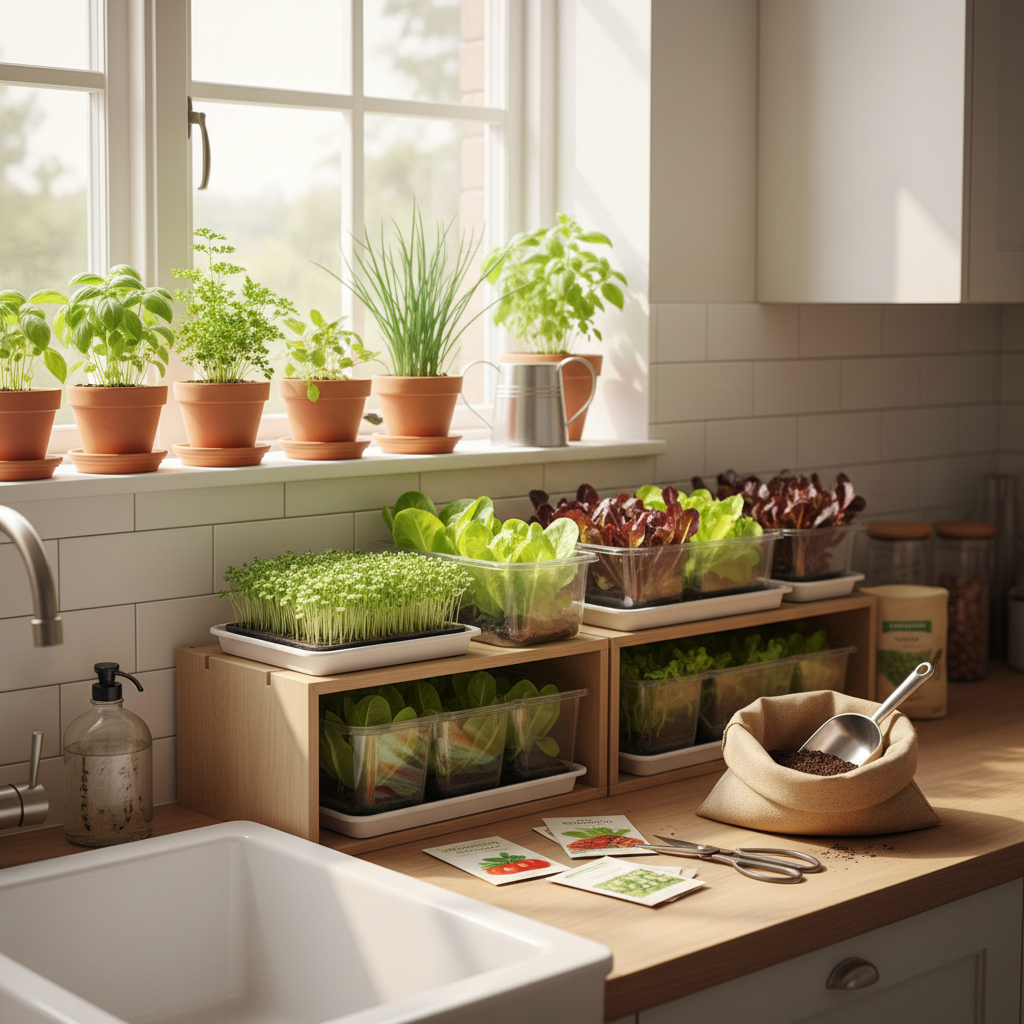
Growing vegetables indoors or extending your growing season with artificial lighting used to feel like something reserved for commercial growers with big budgets and bigger spaces. Not anymore. Today's grow lights have become remarkably accessible, affordable, and genuinely effective — and whether you're nursing seedlings through a cold February or growing lettuce on your kitchen counter year-round, the right light can make the difference between scraggly disappointment and a thriving harvest.
The challenge, of course, is that the grow light market can feel overwhelming. Walk into any garden center or scroll through Amazon and you'll find everything from cheap clip-on bulbs to sophisticated LED panels with more settings than your smartphone. Some of these lights will genuinely transform your indoor growing. Others will leave you wondering why your tomato seedlings look like they're auditioning for a horror movie. Knowing which is which requires understanding a few key principles — and getting some trustworthy recommendations from someone who's actually used these things in real gardens.
This guide is designed to cut through the noise. Whether you're starting seeds for the first time, growing herbs on a windowsill that doesn't quite cut it, or setting up a more serious indoor vegetable setup, you'll find practical, honest guidance here. Let's get into it.
Why Grow Lights Matter More Than You Think
Affiliate Disclosure: This article contains affiliate links. If you make a purchase through one of them, we may earn a small commission at no extra cost to you. We only recommend products we genuinely believe will help your garden thrive.
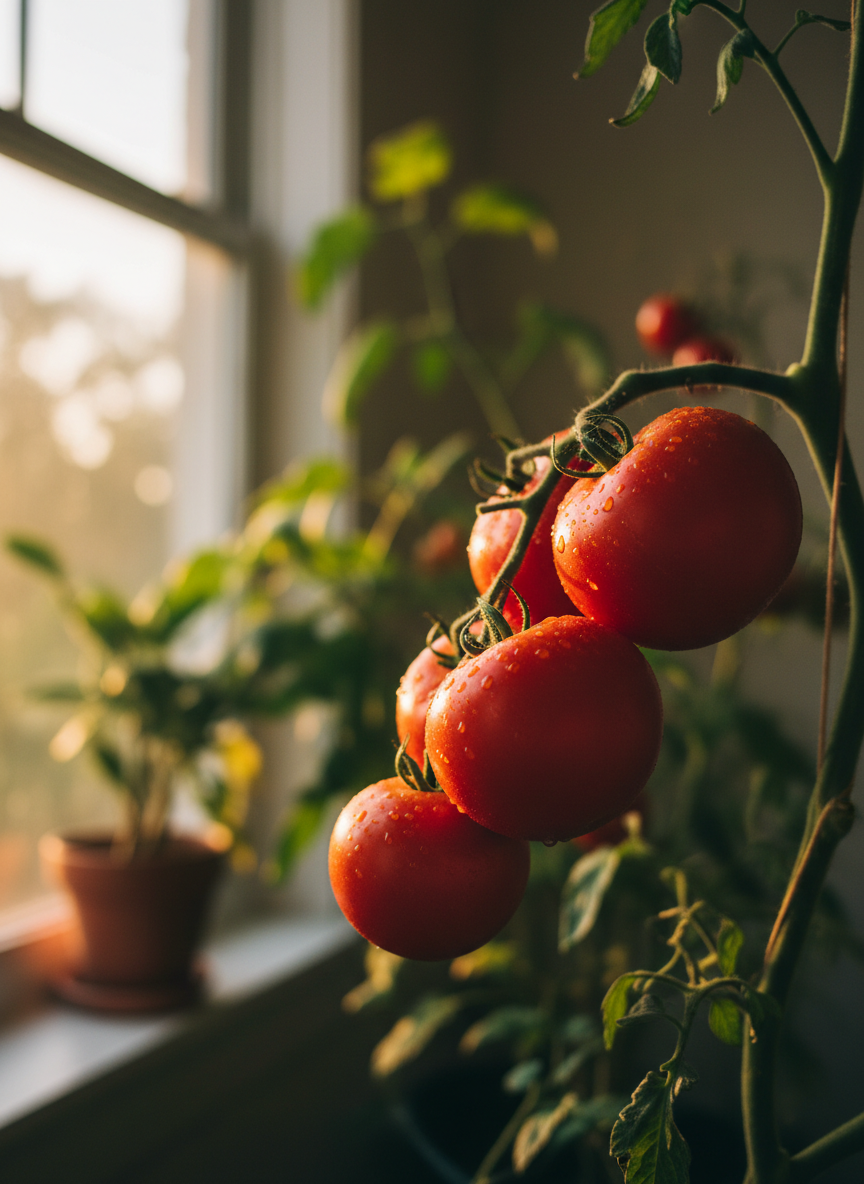
Most vegetable gardens are fundamentally light-hungry operations. Tomatoes, peppers, cucumbers, and other fruiting crops need 8–10 hours of direct sun daily. Leafy greens like lettuce and spinach get by with less, but still need consistent, quality light to grow at a useful pace. When you move that equation indoors — or try to start seeds before outdoor conditions are ready — natural light from windows rarely delivers enough intensity or duration to keep plants genuinely happy.
This is where grow lights earn their keep. A good grow light doesn't just keep plants alive; it actively drives photosynthesis at a rate comparable to outdoor conditions. The difference shows up clearly in your seedlings: properly lit transplants are stocky, dark green, and ready for the garden. Under-lit ones are pale, leggy, and often set back weeks by the time they hit real sunlight.
The sustainability angle matters here too. Growing your own vegetables under lights does use electricity, but the math often works in your favor when you consider the cost of buying transplants, the ability to grow varieties unavailable locally, and the reduction in food miles. Modern LED grow lights in particular have become energy-efficient enough to make indoor growing genuinely economical for many households.
Quick Answer
For most home vegetable gardeners, a full-spectrum LED grow light is the best choice. Look for lights in the 200–400W equivalent range for a standard 2×4 foot growing area, with a color spectrum that covers both blue (400–500nm) and red (600–700nm) wavelengths. Our top overall pick for beginners is the Spider Farmer SF-1000, which balances quality, efficiency, and price beautifully. For seed starting specifically, a simple T5 fluorescent or T8 LED shop light hung close to seedling trays works wonderfully and costs far less.
Understanding Grow Light Basics Before You Buy
The Spectrum Question

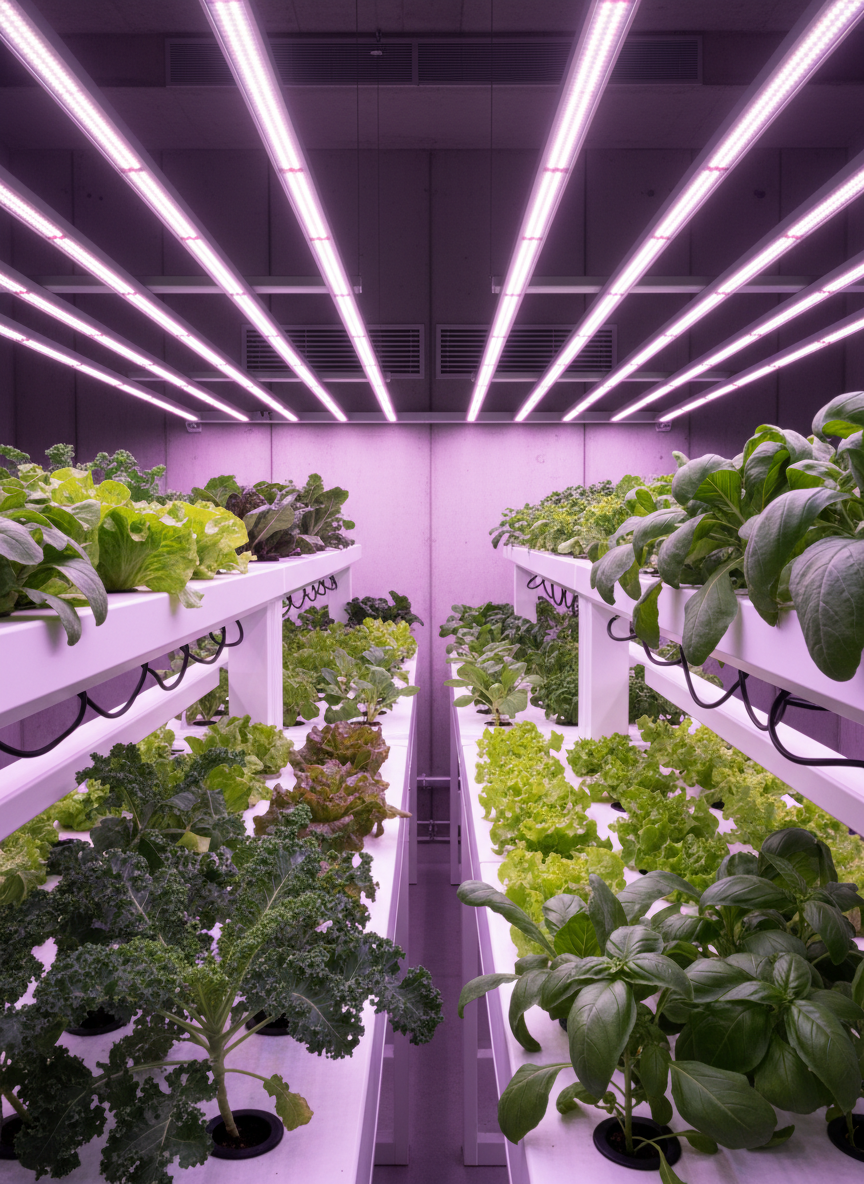
Quantum board LEDs deliver the most efficient and even light coverage for home vegetable growing.
Plants don't use all light equally. They're primarily after blue light (which drives vegetative growth and compact, leafy development) and red light (which triggers flowering and fruiting). This is why "full spectrum" lights — which cover both ranges and everything in between — have become the gold standard for vegetable growing. You'll sometimes see lights described as "blurple" because of their purple-red glow; these older-style LED panels work but aren't as efficient as modern white-light LEDs, which deliver a broader, more natural spectrum.
Watts vs. PPFD: What Actually Matters
Marketing watts are often misleading. A light advertised as "1000W equivalent" might only draw 100 actual watts from your outlet. What really matters is PPFD (Photosynthetic Photon Flux Density), measured in μmol/m²/s — essentially, how much usable light hits your plant canopy per second. For leafy greens, you want around 200–400 PPFD. For fruiting vegetables like tomatoes or peppers, aim for 400–600+ PPFD. Reputable brands now list this information clearly; treat any manufacturer that doesn't with healthy skepticism.
Distance and Coverage Area
Every grow light has an optimal hanging height and a coverage footprint. A light hung too high wastes energy and leaves plants light-starved; too close and you risk bleaching or heat stress. Most LED panels work well at 18–24 inches above the canopy for seedlings, dropping to 12–18 inches for established plants.
The Best Grow Lights for Vegetables: Our Top Picks
Best Overall: Spider Farmer SF-1000
Rating: 4.8/5
The SF-1000 uses Samsung LM301B diodes — the same chips used in professional horticulture lighting — and delivers exceptional efficiency at a genuinely reasonable price point.
Pros:
- Excellent PPFD output for its power draw (100W actual)
- Covers a 2×2 foot flowering area or 3×3 foot seedling area comfortably
- Runs cool and quiet with no fan noise
- Long lifespan (50,000+ hours)
- Full spectrum with excellent red/blue balance
Cons:
- No built-in timer or dimmer (though you can add these cheaply)
- Footprint may feel small if you're growing more than a few plants
Best for: Apartment gardeners, serious seed starters, small herb and lettuce setups

Adjustable grow lights let you raise the fixture as plants grow taller, preventing light stress.
Best Budget Pick: Barrina T5 LED Grow Light
Rating: 4.5/5
These slim, linkable LED strips are the unsung heroes of the seed-starting world. Inexpensive, energy-efficient, and easy to set up over standard seedling trays, they've earned a devoted following among kitchen gardeners and homesteaders alike.
Pros:
- Very affordable (often under $40 for a 4-pack)
- Easy to link together and hang over multiple trays
- Produces excellent seedlings when hung close (2–4 inches above trays)
- Low heat output
Cons:
- Not powerful enough for fruiting crops at maturity
- Requires close positioning to be effective
Best for: Seed starting, microgreens, herbs, and lettuce
Best for Serious Vegetable Growing: Mars Hydro TS 1000
Rating: 4.7/5
If you want to take indoor vegetable growing seriously — think peppers, tomatoes, or cucumbers through their full growth cycle — the Mars Hydro TS 1000 delivers the intensity needed to actually produce fruit indoors.
Pros:
- High PPFD output suitable for fruiting crops
- Built-in dimmer switch
- Covers a 3×3 foot flowering footprint
- Energy efficient at 150W draw
- Excellent customer support
Cons:
- Higher price point than beginner options
- Slight fan noise (though minimal)
Best for: Growing fruiting vegetables to harvest indoors, serious seed production operations

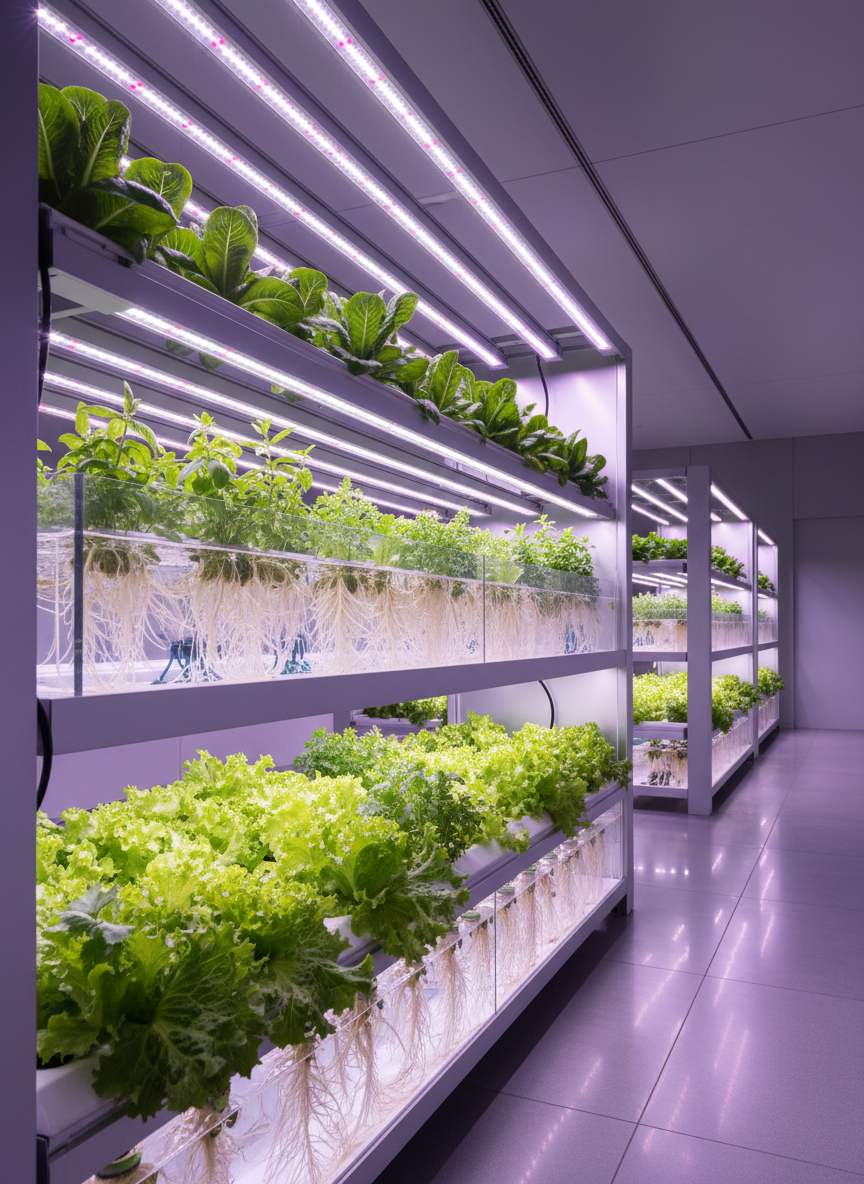
T5 fluorescents are still an affordable option for seedlings, herbs, and leafy greens.
Best Value for Large Areas: VIVOSUN VS1000
Rating: 4.4/5
For gardeners wanting to cover a larger space without spending a fortune, the VIVOSUN VS1000 offers solid performance and a wider coverage area at a competitive price.
Pros:
- Good coverage for 2×4 foot growing areas
- Daisy-chain capability for expanding coverage
- Decent PPFD for vegetative growth
- Budget-friendly
Cons:
- Not quite as efficient as Spider Farmer or Mars Hydro
- Spectrum slightly less optimized for fruiting
Best for: Large seed starting operations, leafy green production
Step-by-Step Guide to Setting Up Your Grow Light System
Step 1: Define Your Growing Goals
Before buying anything, get clear on what you're growing. Starting seeds for outdoor transplanting requires less light intensity than growing tomatoes to harvest indoors. Leafy greens are forgiving; peppers and cucumbers are demanding. Match your light to your actual goal, not to what sounds impressive.
Step 2: Calculate Your Coverage Area
Measure the space where you'll be growing. A 2×2 foot area is common for small setups (one seed tray or a few pots). A 2×4 foot space accommodates more substantial growing. Buy a light rated for your actual coverage area — manufacturers' coverage claims often refer to vegetative growth; for flowering/fruiting, assume 25% less coverage than advertised.
Step 3: Set Up Your Light Mounting System
Most LED panels come with adjustable hanging cables. For seed starting shelves, wire shelving units work beautifully — you can hang lights from the shelf above and adjust height as plants grow. Use zip ties and S-hooks for easy adjustment. Make sure your light is level for even coverage.

PPFD and spectrum quality determine how well plants grow — not just wattage or brightness.
Step 4: Dial In Your Light Schedule
Vegetables generally need 14–16 hours of light per day indoors. A simple plug-in timer (under $15) handles this automatically and is genuinely essential — inconsistent light schedules stress plants noticeably. Set your lights to run during daylight hours if possible to keep your space cooler overnight.
Step 5: Monitor and Adjust
Check your plants every few days when getting started. Signs you need to adjust include:
- Leggy, stretching plants → Lower the light or increase intensity
- Bleaching or curling leaves → Raise the light
- Slow, pale growth → Increase light duration or upgrade to more powerful light
Common Mistakes to Avoid
Using regular incandescent bulbs. They emit the wrong spectrum and produce too much heat relative to usable light output. Even "grow bulbs" in screw-in format rarely deliver enough intensity.
Hanging lights too high. This is probably the most common beginner mistake. Most seedling failures blamed on light quality are actually a distance problem. Get closer than you think you need to.
Skimping on light duration. A weaker light run for 16 hours often outperforms a stronger light run for 8 hours. Consistency and duration matter enormously.
Not using a timer. Manually switching lights on and off sounds manageable until you forget twice in a row. A timer pays for itself immediately.
Overcomplicating it. For seed starting, a $35 T5 LED strip hung 3 inches above your tray will outperform a fancy system hung at the wrong height. Start simple and upgrade based on real experience.
Putting It All Together
The best grow light for your vegetable garden is the one matched to your specific goals, space, and budget — not necessarily the most expensive one on the shelf. Start with a quality full-spectrum LED appropriate for your growing area, get it positioned correctly, run it on a consistent timer, and watch your plants tell you whether they're happy. They're remarkably good communicators.
If you're brand new to this, start with the Barrina T5 strips for seed starting. They're inexpensive enough that the learning curve costs very little, and they'll reliably produce excellent seedlings for your outdoor garden. If you're ready to grow vegetables through their full lifecycle indoors, invest in the Spider Farmer SF-1000 or Mars Hydro TS 1000 and give your plants the intensity they need to actually produce. Either way, once you've successfully grown your first batch of seedlings under proper lights, you'll wonder how you ever managed without them.
Recommended Products
Looking for the right gear to get started? We've curated our top picks for sustainable vegetable gardening — from raised beds and grow lights to seed-starting kits and organic fertilizers — on our Recommended Products page.
Ready to Start?
If you're ready to gear up, check out our recommended raised beds and grow lights on Amazon — beginner-approved and built to last.
Ready to Start?
If you're ready to gear up, check out our recommended raised beds and grow lights on Amazon — beginner-approved and built to last.
Ready to Start?
If you're ready to gear up, check out our recommended raised beds and grow lights on Amazon — beginner-approved and built to last.
Ready to Start?
If you're ready to gear up, check out our recommended raised beds and grow lights on Amazon — beginner-approved and built to last.
Ready to Start?
If you're ready to gear up, check out our recommended raised beds and grow lights on Amazon — beginner-approved and built to last.