How Often to Feed Houseplants: Simple Fertilizer Schedule for Beginners
Affiliate Disclosure: This article contains affiliate links. If you make a purchase through one of them, we may earn a small commission at no extra cost to you. We only recommend products we genuinely believe will help your garden thrive.
If you have ever stood in front of your indoor plants wondering whether they need water, sunlight, or plant food, you are not alone. Figuring out how often to feed houseplants can feel confusing at first, but it gets much easier once you know a few simple rules.
Why This Topic Matters
Houseplants live in a limited amount of soil. Unlike outdoor plants, they cannot keep stretching their roots into new ground to find more nutrients.
Over time, the potting mix runs low on the nitrogen, phosphorus, potassium, and trace minerals plants use for steady growth. Watering helps plants stay alive, but fertilizer helps replace what the soil no longer provides.
The tricky part is that feeding too often can be just as harmful as not feeding enough. Excess fertilizer can build up in the pot, burn roots, and lead to weak or stressed plants.
That is why beginners often run into one of two problems. They either forget to feed their plants at all, or they feed every week thinking more is better.
A simple, seasonal routine works much better. Once you understand when plants are actively growing and when they are resting, you can feed with much more confidence.
Quick Answer
For most common houseplants, a good starting point is this:
- Feed every 2 to 4 weeks during spring and summer.
- Feed less often in fall, about every 4 to 6 weeks if the plant is still growing.
- Feed rarely or not at all in winter, unless the plant is actively growing under bright light.
- Wait 4 to 8 weeks after repotting before feeding, because fresh potting mix usually contains nutrients.
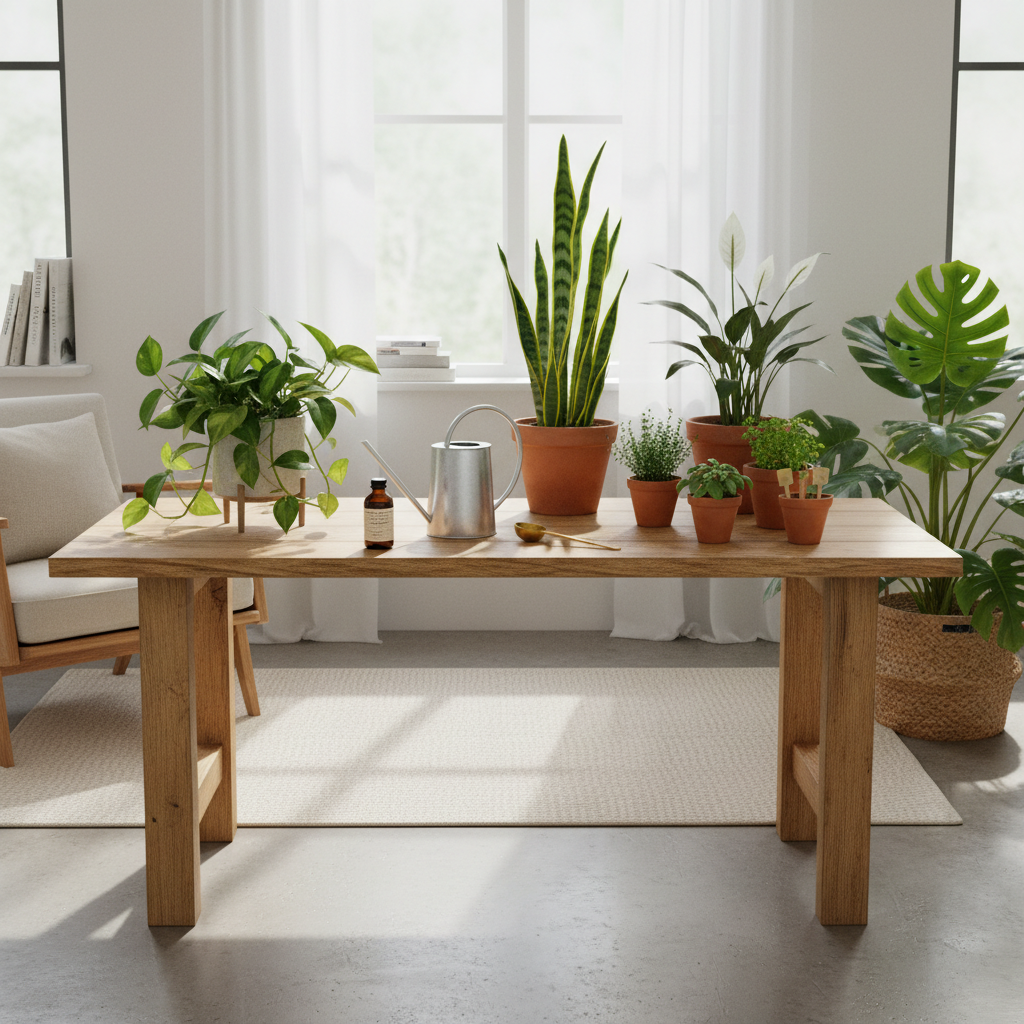
If you want an even simpler rule, use a balanced liquid fertilizer at half strength once a month during the active growing season. That works well for many beginner-friendly plants such as pothos, philodendrons, spider plants, peace lilies, and many indoor herbs.
A few plants need less than that. Snake plants, ZZ plants, cacti, and many succulents are light feeders and can do well with fertilizer just a few times a year.
A few plants may need a bit more attention. Fast growers, flowering houseplants, and edible indoor plants like basil or parsley often appreciate more regular feeding when they are actively growing.
Step-by-Step Guide
1. Identify what kind of plant you have
Not all houseplants use nutrients at the same rate. A fast-growing monstera does not feed the same way as a slow-growing snake plant.
As a beginner, it helps to group your plants into simple categories:

Liquid fertilizer is easy to apply and lets you control exactly how much your plants receive.
- Fast-growing leafy plants: pothos, philodendron, monstera, spider plant
- Flowering houseplants: African violet, peace lily, anthurium, orchid
- Succulents and cacti: jade plant, aloe, echeveria, holiday cactus
- Low-growth plants: snake plant, ZZ plant, cast iron plant
- Indoor edible plants: basil, mint, parsley, lettuce starts, compact peppers
If you do not know your exact plant, start cautiously. Feeding lightly is usually safer than feeding heavily.
2. Look at the season and the plant’s growth
The best feeding schedule depends on whether your plant is actively growing. Most houseplants grow more in spring and summer because light levels are higher and days are longer.
In fall and winter, many plants slow down. When growth slows, they use nutrients more slowly too.
A quick seasonal guide:
- Spring: begin regular feeding as new growth appears.
- Summer: keep feeding on a steady schedule.
- Fall: reduce frequency if growth slows.
- Winter: pause or feed very lightly only if the plant is still putting out new leaves.
If your home has very bright light year-round, some plants may continue growing through winter. In that case, you can keep feeding, but less often than in peak summer.
3. Choose the right fertilizer type
You do not need anything fancy to start. A simple, balanced fertilizer is enough for most foliage houseplants.
Look for one of these beginner-friendly options:
- Balanced liquid fertilizer such as 10-10-10 or 20-20-20
- Organic liquid houseplant fertilizer for gentler feeding
- Slow-release fertilizer for a lower-maintenance schedule
- Worm castings as a mild top-dressing for some plants
Liquid fertilizer is the easiest for beginners because you can control the amount. It also lets you feed lightly and adjust quickly if needed.
If you prefer a more sustainable, low-fuss option, a gentle organic liquid fertilizer can work well. Just remember that even natural products can cause problems if overused.
4. Start with half strength
This is one of the best beginner habits you can build. Many plants do well on less fertilizer than the label suggests, especially indoors where growth is slower than in outdoor gardens.
Mix the fertilizer at half the recommended strength and watch how the plant responds over the next few weeks. If it grows well and looks healthy, that schedule is probably enough.
Using less also lowers the risk of fertilizer burn. It is a simple way to stay on the safe side.
5. Feed on moist soil, not bone-dry soil
Fertilizer is usually gentler when the potting mix is already slightly moist. Feeding a very dry plant can shock roots and increase the chance of damage.
A good routine is to water first if the soil is dry, then apply diluted fertilizer the next watering or later that same day, depending on the product instructions. If the soil is already lightly moist, you can usually feed normally.

Always dilute liquid fertilizer to the recommended strength — too much can burn roots.
6. Match the schedule to the plant type
Here is a practical feeding guide for common houseplants:
Leafy tropical houseplants
Examples: pothos, monstera, philodendron, spider plant, peace lily
- Feed every 2 to 4 weeks in spring and summer
- Feed every 4 to 6 weeks in fall if still growing
- Stop or feed very lightly in winter
These plants often show the clearest response to regular feeding. You may notice stronger stems, larger leaves, and richer color during active growth.
Succulents and cacti
Examples: aloe, jade, echeveria, haworthia
- Feed every 6 to 8 weeks in spring and summer
- Usually do not feed in winter
These plants are adapted to lean conditions. Too much fertilizer can make them soft, stretched, or weak.
Slow-growing houseplants
Examples: snake plant, ZZ plant, cast iron plant
- Feed every 6 to 8 weeks in spring and summer
- Skip winter feeding
These plants do not need a lot of extra nutrition. A few light feedings a year are often enough.
Flowering houseplants
Examples: African violet, anthurium, orchids, blooming kalanchoe
- Feed every 2 to 4 weeks while actively growing or blooming
- Reduce in fall and winter unless growth continues
Flowering plants may need more consistent feeding than foliage plants. Still, light and water matter just as much as fertilizer.
Indoor herbs and edible plants
Examples: basil, parsley, mint, chives, compact peppers
- Feed every 2 weeks during active growth with a mild fertilizer
- Reduce in lower light or cooler months
Edible plants often use nutrients faster because you regularly harvest leaves. Just avoid overfeeding, which can lead to weak, lush growth.
7. Watch for signs your plant needs more or less
Your plant will tell you a lot if you pay attention. You do not need to guess forever.
Signs a plant may need feeding:
- New growth is very small
- Leaves look pale green or yellowish overall
- Growth has slowed during the active season
- The plant has been in the same pot for a long time
Signs you may be overfeeding:
- Brown leaf tips or edges
- White crust on the soil surface
- Wilting even when soil moisture seems fine
- Sudden leaf drop after feeding
- Weak, floppy growth
These symptoms can also come from watering or light problems, so look at the full picture. Fertilizer is only one part of plant care.
8. Flush the soil once in a while
Minerals from fertilizer and tap water can build up in pots over time. That buildup may stress roots and make it harder for plants to take up water properly.
Every couple of months during the growing season, water deeply until extra water runs out of the drainage holes. This helps rinse out excess salts.
Always empty saucers or cachepots after watering. Sitting in leftover fertilizer water is not good for roots.
9. Keep a simple routine
The easiest way to stay consistent is to make feeding part of your regular plant care. You do not need a complicated spreadsheet unless you enjoy that.
Try one of these simple systems:
- Feed on the first weekend of each month
- Set a phone reminder every 2 to 4 weeks in spring and summer
- Keep a small notebook with the last feeding date
- Use plant labels to note the next feeding time

Well-fed plants show vigorous new growth, deep green color, and healthy-looking leaves.
Consistency matters more than perfection. A steady, light schedule usually works better than random heavy doses.
Common Beginner Mistakes
Feeding all plants the same way
It is tempting to use one schedule for everything. But a pothos, a cactus, and a snake plant do not have the same needs.
When in doubt, sort plants by growth rate and feed the slower ones less often.
Fertilizing in winter without checking for growth
Many beginners keep feeding year-round because the plant still looks green. But green does not always mean actively growing.
If your plant is barely changing in winter, it probably does not need much fertilizer. Lower light often means lower nutrient needs.
Using too much fertilizer
More fertilizer will not force a plant to thrive. It usually causes root stress and leaf damage instead.
Start weak, especially indoors. Half strength is often plenty for houseplants.
Feeding a stressed plant first
If a plant is suffering from root rot, pest problems, severe dryness, or poor light, fertilizer will not fix the main issue. In some cases, it can make the problem worse.
Handle the basic care problem first. Then resume feeding once the plant begins recovering.
Forgetting that fresh potting mix contains nutrients
Newly repotted plants often do not need immediate fertilizer. Many potting mixes already contain slow-release nutrients or composted ingredients.
Waiting 4 to 8 weeks after repotting helps prevent overfeeding.
Ignoring drainage
A pot without drainage makes fertilizer problems worse because salts cannot flush out easily. Water and nutrients tend to build up around the roots.
If possible, grow houseplants in containers with drainage holes. It makes feeding much safer.
Best Tips for Success
Feed less, observe more
A light feeding routine combined with observation is better than chasing the “perfect” schedule. Plants have small changes in growth throughout the year, and your care can adjust with them.
Prioritize light first
A plant in dim light will not use fertilizer quickly. If growth is weak because of poor light, feeding more is not the answer.
Before increasing fertilizer, ask whether the plant has enough bright indirect light for active growth.
Use a balanced, beginner-friendly fertilizer
You do not need a shelf full of bottles. One balanced fertilizer can handle most of your indoor plants just fine.
That keeps care simple and reduces the chance of mixing products or overdoing it.
Label your plants by feeding group
If you have several plants, use categories instead of remembering every individual schedule:
- Monthly feeders n- Light feeders every 6 to 8 weeks
- Winter pause
This is much easier than trying to memorize exact dates for each pot.
Flush pots regularly
Even if you feed lightly, salt buildup can happen over time. A deep rinse every so often is a good habit, especially for tropical foliage plants.
Be extra careful with succulents
Succulents often suffer when treated like leafy tropical plants. They usually need brighter light, less water, and less fertilizer.
If you are unsure, feed them sparingly rather than often.
Keep expectations realistic
Fertilizer supports healthy growth, but it is not magic. A plant will not suddenly explode with growth if the light, pot size, temperature, or watering routine are not right.
Think of feeding as one piece of good overall care.
Recommended Supplies or Tools

Brown leaf tips and edges are the classic sign of fertilizer burn — always start with half doses.
You do not need a lot of equipment to feed houseplants well. A few basic items are enough.
Helpful supplies for beginners
- Balanced liquid houseplant fertilizer for easy, controlled feeding
- Small measuring spoon or syringe for accurate dilution
- Watering can with a narrow spout for neat application
- Plant labels to note feeding groups or dates
- Notebook or phone reminder app to track your routine
- Tray or sink space for flushing pots occasionally
Nice-to-have but optional tools
- Moisture meter if you struggle to judge soil dryness
- Organic worm castings for a gentle top-dressing on some plants
- Drainage saucers to protect indoor surfaces while still allowing excess water to escape
If you are just starting, buy the basics and skip the rest. Good observation matters more than gadgets.
Frequently Asked Questions
Should I feed houseplants in winter?
Usually, not much. Most houseplants grow more slowly in winter, so they need less fertilizer.
If your plant is still actively growing under bright light, you can feed lightly every 6 to 8 weeks. Otherwise, it is usually fine to pause until spring.
Can I use garden fertilizer on houseplants?
Sometimes, but check the label carefully. Strong outdoor fertilizers can be too concentrated for container-grown indoor plants.
If you use one, dilute it well and start at half strength or less. A fertilizer designed for houseplants is often easier for beginners to use safely.
How do I know if I overfertilized my plant?
Common signs include brown leaf tips, a white crust on the soil, wilting, yellowing, or sudden decline after feeding. In severe cases, roots can burn and growth may stall.
If you suspect overfeeding, flush the soil thoroughly with water and stop fertilizing for a while.
Do newly repotted houseplants need fertilizer right away?
Usually not. Fresh potting mix often contains enough nutrients for several weeks.
It is best to wait about 4 to 8 weeks after repotting before feeding again, unless the plant is a heavy feeder and the mix is very plain.
Are organic fertilizers better for houseplants?
They can be a great option, especially if you prefer gentler products. Organic fertilizers often feed more slowly and may be less likely to burn roots when used properly.
Still, they are not risk-free. Use the correct amount, and remember that light and watering habits matter just as much.
Recommended Products
Looking for the right gear to get started? We've curated our top picks for sustainable vegetable gardening — from raised beds and grow lights to seed-starting kits and organic fertilizers — on our Recommended Products page.
Ready to Start?
If you're ready to gear up, check out our recommended raised beds and grow lights on Amazon — beginner-approved and built to last.
Ready to Start?
If you're ready to gear up, check out our recommended raised beds and grow lights on Amazon — beginner-approved and built to last.
Ready to Start?
If you're ready to gear up, check out our recommended raised beds and grow lights on Amazon — beginner-approved and built to last.
Ready to Start?
If you're ready to gear up, check out our recommended raised beds and grow lights on Amazon — beginner-approved and built to last.
Final Thoughts
When it comes to how often to feed houseplants, the simplest answer is this: feed lightly during active growth, reduce in fall, and go easy in winter. For most beginners, a half-strength fertilizer once a month in spring and summer is a safe and effective place to start.
You do not need to get everything perfect right away. Pay attention to the season, your plant type, and how the plant responds, and your routine will become more natural over time.
If your plants are getting the right light, watered properly, and fed on a gentle schedule, you are already doing a lot right. Healthy houseplants usually come from steady care, not complicated formulas.