Growing vegetables in containers is one of the most rewarding ways to garden, whether you're working with a tiny balcony, a paved patio, or just a few sunny spots around your yard. But here's something many new gardeners discover the hard way: what you put inside those containers matters just as much as which containers you choose or how much sun they get. The soil you use can be the difference between a thriving tomato plant loaded with fruit and a sad, struggling seedling that never quite takes off.
The tricky part is that container gardening has very different soil requirements than growing in the ground. Regular garden soil — the stuff you'd dig up from your backyard — actually performs poorly in pots. It compacts, drains badly, and can harbor pests and diseases that will quickly overwhelm plants in the confined space of a container. Understanding why this happens, and what to use instead, is genuinely one of the most impactful things you can learn as a beginner gardener.
This guide will walk you through everything you need to know about choosing, building, and maintaining the best possible soil for your container vegetables. We'll cover what makes a great container mix, how to build your own on a budget, which products are worth buying, and the most common mistakes that trip up even experienced gardeners.
Why Soil Is Everything in Container Gardening
Affiliate Disclosure: This article contains affiliate links. If you make a purchase through one of them, we may earn a small commission at no extra cost to you. We only recommend products we genuinely believe will help your garden thrive.
When a plant grows in the ground, its roots can spread outward almost indefinitely, seeking out water, nutrients, and air pockets in the soil. In a container, that world shrinks dramatically. Your plant's entire root system is limited to a few gallons of growing medium, which means that medium needs to do a lot of heavy lifting all at once.
Good container soil needs to balance several competing demands simultaneously. It needs to retain enough moisture that plants don't dry out between waterings, but drain well enough that roots never sit in soggy conditions that cause rot. It needs to be light and airy enough for roots to penetrate easily, but structured enough to anchor plants and hold nutrients. It also needs to stay loose and friable over time — a real challenge, since watering and gravity naturally cause soil to compact and settle in a pot.
Getting this balance right creates conditions where vegetable plants can truly thrive, producing the kind of harvests that make container gardening genuinely worthwhile.
Quick Answer

Look for potting mix containing perlite, vermiculite, or coir for the best container results.
The best soil for container vegetable gardening is a high-quality, peat-based or coco coir-based potting mix — not garden soil or topsoil. Look for mixes labeled "potting mix" or "container mix" that are lightweight, well-draining, and pre-amended with slow-release fertilizer. For best results, enrich your mix by adding 20-30% compost plus a small amount of perlite to improve drainage. Avoid anything labeled "garden soil" or "topsoil" for use in containers, as these compact badly and perform poorly in pots.
What Makes Great Container Soil: The Key Ingredients
Before diving into specific products and recipes, it helps to understand what role each component plays. Great container mixes are almost always built from a combination of these core ingredients.
The Base: Peat Moss or Coco Coir
Most commercial potting mixes use either peat moss or coconut coir as their primary base material. Both are excellent at retaining moisture while staying loose and light.
Peat moss has been the industry standard for decades. It's highly consistent, widely available, and holds moisture beautifully. The downside is sustainability — peat bogs take thousands of years to form and are being harvested faster than they regenerate.
Coconut coir is made from coconut husks, making it a renewable byproduct of coconut farming. It performs similarly to peat, drains slightly better, and is the more sustainable choice. Many modern premium mixes have fully switched to coir, and it's an excellent option.
Drainage and Aeration: Perlite and Vermiculite
These lightweight volcanic minerals are the secret weapon of good container mixes. Perlite looks like tiny white styrofoam balls and is primarily used to improve drainage and prevent compaction. Vermiculite has a flaky, mica-like structure and is better at retaining moisture and nutrients. Most good mixes include both, and you can always add extra perlite if your plants need sharper drainage.
Nutrition: Compost and Slow-Release Fertilizer
A good container mix should include some source of organic nutrition. Compost — whether homemade or store-bought — adds microbial life, improves soil structure, and releases nutrients gradually. Many commercial mixes also include a slow-release granular fertilizer, which feeds plants for the first few weeks or months.

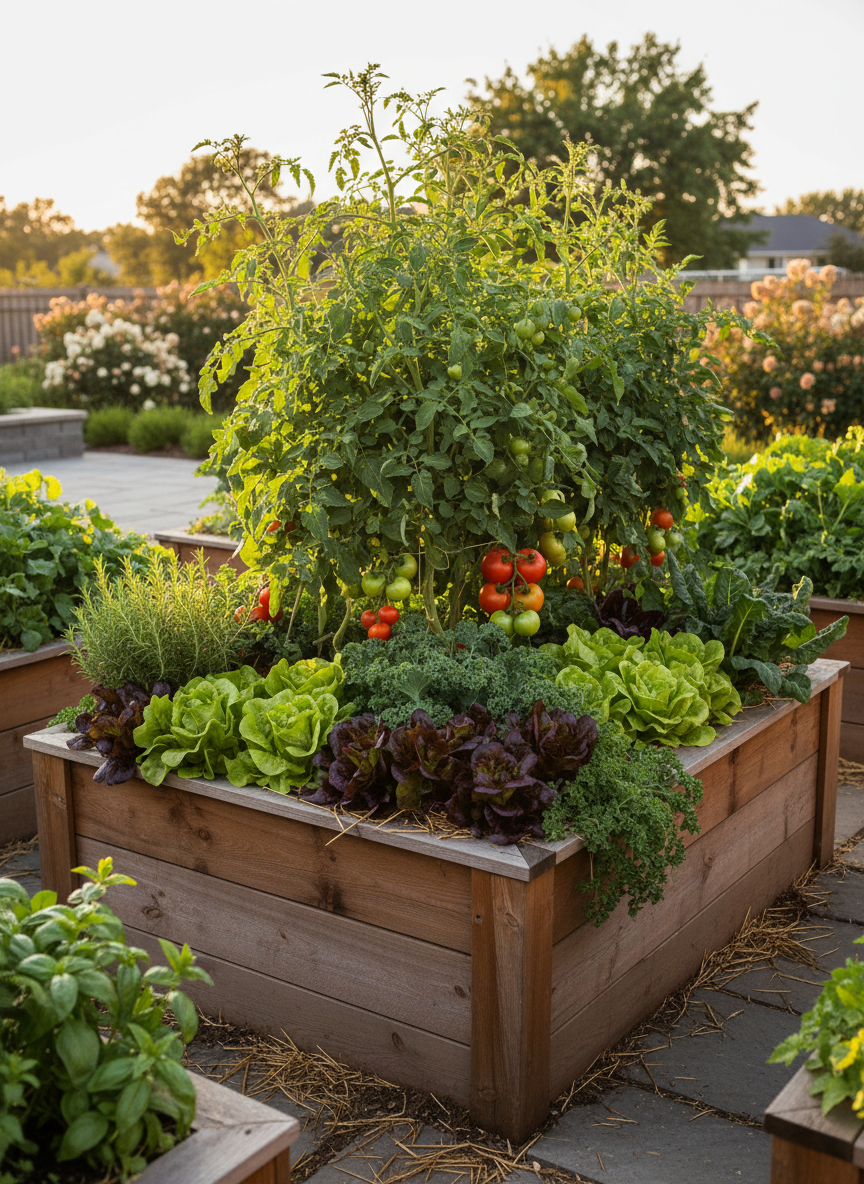
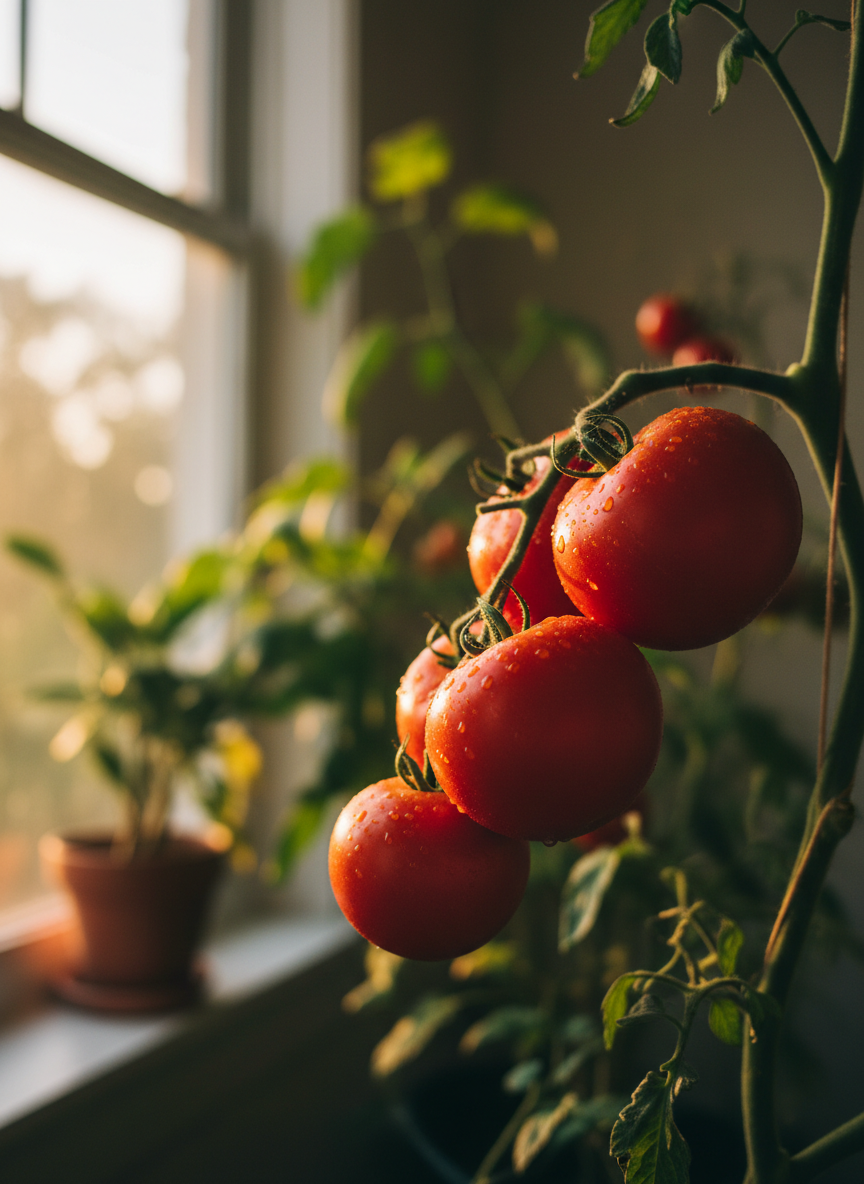
Plants growing in the right container mix show vigorous growth, deep color, and strong root development.
Step-by-Step Guide to Choosing and Building Container Soil
Step 1: Decide Whether to Buy Premade or Build Your Own
Both approaches work well. Buying a premade potting mix is faster and more consistent, while building your own gives you more control and can be more economical if you're filling multiple large containers.
If buying premade: Look specifically for products labeled "potting mix" or "container mix." Read the ingredient list — good signs include peat or coco coir as the base, perlite or vermiculite listed, and some form of organic matter or slow-release fertilizer. Skip anything that lists heavy materials like clay, loam, or topsoil.
If building your own: Use the simple recipe in Step 3 below.
Step 2: Evaluate What Your Specific Vegetables Need
Different vegetables have slightly different preferences. Tomatoes, peppers, and eggplant need rich, moisture-retentive mix with excellent drainage. Root vegetables like carrots and radishes need a particularly loose, deep mix with no rocks or hard clumps. Herbs like basil and thyme prefer a leaner, sandier mix that dries out slightly between waterings. Leafy greens are the most forgiving and will grow happily in almost any decent potting mix.
Step 3: Mix Your Own High-Performance Container Soil
This DIY recipe produces excellent results for most vegetables:
- 60% quality potting mix (as the base)
- 20% compost (homemade or bagged)
- 20% perlite (for drainage and aeration)
Simply combine these in a large tub or wheelbarrow, mixing thoroughly before filling your containers. This ratio works beautifully for tomatoes, peppers, squash, beans, and most other vegetables. For drought-tolerant herbs, increase perlite to 30% and reduce compost to 10%.
Step 4: Fill and Prepare Your Containers
Fill containers to within 1-2 inches of the rim — leaving space prevents water from running straight off the surface. Lightly moisten the mix before planting if it feels very dry; this makes it easier to work with and helps it settle evenly. Don't compress or pack the soil down — loose soil is healthy soil in containers.
Step 5: Plan for Ongoing Soil Maintenance

Never use garden soil in containers — it compacts and blocks drainage, leading to root rot.
Container soil doesn't last forever. Unlike garden beds where earthworms and microbes are constantly rebuilding soil structure, containers are a more static environment. Here's how to keep your soil performing well:
- Top-dress with compost every 4-6 weeks through the growing season
- Add liquid fertilizer every 2-3 weeks once initial nutrients deplete (usually after 6-8 weeks)
- Refresh or replace soil at the start of each new season — reusing old mix for more than one or two seasons leads to compaction and nutrient depletion
Recommended Potting Mix Products
Best Overall: FoxFarm Ocean Forest Potting Soil ⭐⭐⭐⭐⭐
Pros: Exceptional ingredient quality (earthworm castings, bat guano, sea-going fish and crab meal), ideal pH range (6.3-6.8), fantastic drainage, consistently produces vigorous plants
Cons: More expensive than budget options, can be too rich for some herbs and root vegetables
Best for: Tomatoes, peppers, cucumbers, and other heavy-feeding vegetables
Best Budget Pick: Miracle-Gro Performance Organics ⭐⭐⭐⭐
Pros: Widely available, affordable, includes slow-release fertilizer, good moisture retention
Cons: Contains some synthetic additives, can stay overly wet in humid climates
Best for: Beginners filling multiple containers on a budget
Best Sustainable Option: Espoma Organic Potting Mix ⭐⭐⭐⭐½
Pros: Certified organic, coco coir base (more sustainable than peat), good microbial content, excellent all-around performance
Cons: Slightly harder to find in some regions
Best for: Gardeners prioritizing sustainable, organic growing

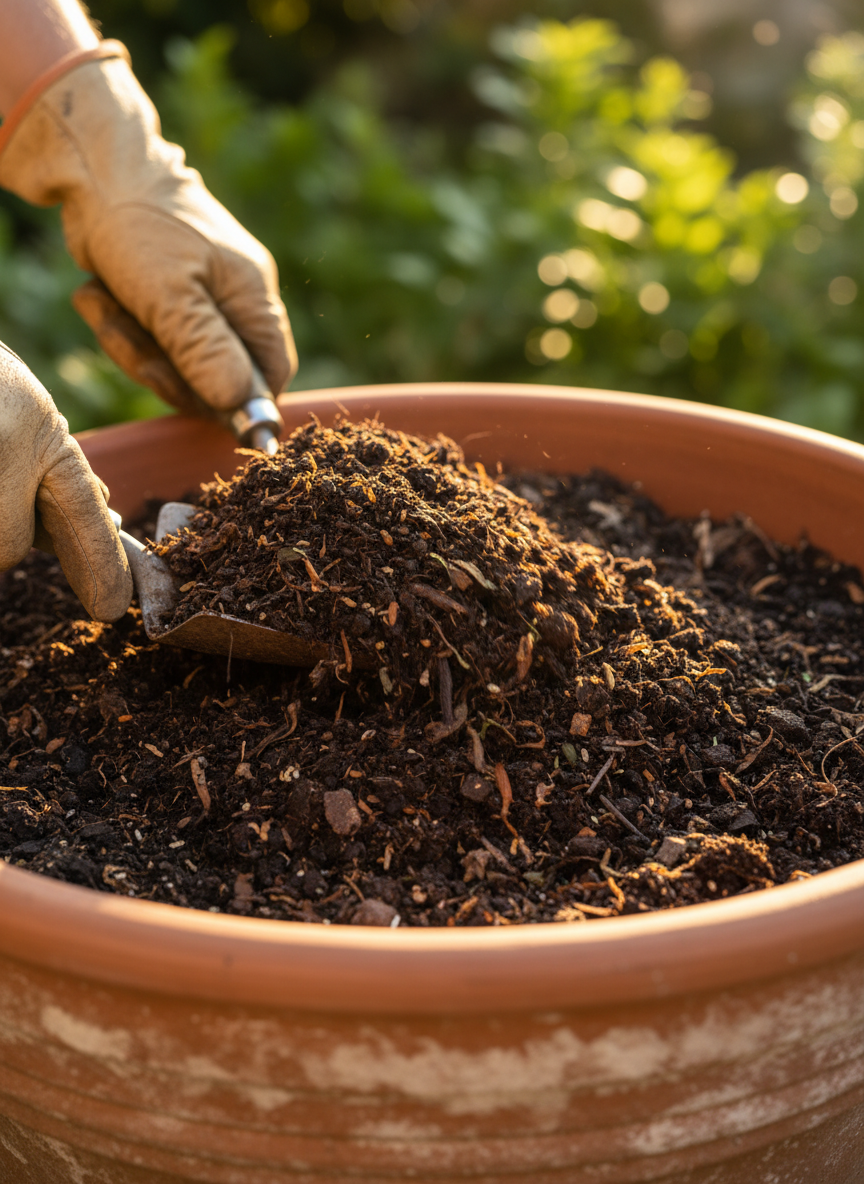
Quality potting mix is light and fluffy, not dense or clumpy — good drainage starts with the right medium.
Common Mistakes to Avoid
Using garden soil in containers. This is the single most common mistake. Garden soil compacts into a dense, poorly draining mass in pots, suffocating roots and promoting rot. No matter how good your garden soil is, keep it in the garden.
Skimping on pot size. Even perfect soil can't compensate for a container that's too small. Larger containers are more forgiving about watering frequency and give roots room to develop properly.
Forgetting to fertilize after the first month. Most potting mixes provide nutrition for 4-8 weeks at most. After that, plants in containers are entirely dependent on you for feeding. A consistent liquid fertilizing routine is essential for container vegetables.
Reusing old potting mix without amendment. Old mix from last season is compacted, nutrient-depleted, and potentially harboring pests or disease. Always refresh with fresh compost and perlite, or replace it entirely.
Overwatering because the soil holds moisture. Good potting mix retains moisture, but that doesn't mean constant watering. Always check soil moisture by pressing a finger 1-2 inches deep before watering — if it feels moist, wait another day.
Your Next Steps
Now that you understand what makes container soil work, you're ready to set your vegetable garden up for real success. Start by picking up a bag of quality potting mix — FoxFarm Ocean Forest if your budget allows, or Espoma Organic as an excellent all-around choice. Grab a bag of perlite and a bag of compost, and mix up the simple DIY blend described above for at least your largest containers.
Before the season kicks off, take a moment to evaluate any soil you're reusing from previous years. Refresh it generously with compost, add a handful or two of fresh perlite, and plan your fertilizing schedule in advance so it doesn't become an afterthought.
The small investment of time and money you put into getting your container soil right will pay you back all season long in healthier plants, fewer problems, and a genuinely abundant harvest. Good soil isn't just where plants grow — it's where great gardens begin.
Recommended Products
Looking for the right gear to get started? We've curated our top picks for sustainable vegetable gardening — from raised beds and grow lights to seed-starting kits and organic fertilizers — on our Recommended Products page.
Ready to Start?
If you're ready to gear up, check out our recommended raised beds and grow lights on Amazon — beginner-approved and built to last.
Ready to Start?
If you're ready to gear up, check out our recommended raised beds and grow lights on Amazon — beginner-approved and built to last.
Ready to Start?
If you're ready to gear up, check out our recommended raised beds and grow lights on Amazon — beginner-approved and built to last.
Ready to Start?
If you're ready to gear up, check out our recommended raised beds and grow lights on Amazon — beginner-approved and built to last.
Ready to Start?
If you're ready to gear up, check out our recommended raised beds and grow lights on Amazon — beginner-approved and built to last.
Ready to Start?
If you're ready to gear up, check out our recommended raised beds and grow lights on Amazon — beginner-approved and built to last.