Starting a garden for the first time is exciting — but it can also feel overwhelming fast.
Which vegetables should you grow first? What if you kill everything? What if you don't have a big yard?
Here's the truth: beginner gardening is much simpler than most people make it out to be. You don't need a huge space, expensive tools, or years of experience. You just need a few smart choices upfront — and this guide will walk you through exactly that.
Quick Answer
Affiliate Disclosure: This article contains affiliate links. If you make a purchase through one of them, we may earn a small commission at no extra cost to you. We only recommend products we genuinely believe will help your garden thrive.
If you want a fast answer: start with lettuce, radishes, green onions, herbs, and bush beans.
These plants grow fast, need minimal space, are forgiving of beginner mistakes, and give you visible results quickly. That early harvest keeps you motivated to keep going.
Why Your First Plant Choices Matter So Much
The plants you start with have a huge impact on whether you stick with gardening — or give up.
Many beginners choose tomatoes or peppers first because they love eating them. That's understandable. But those crops take months to produce and need specific care. A few setbacks early on can make the whole thing feel harder than it is.
When you start with fast, forgiving crops:
- You see results in days or weeks, not months
- You build real confidence from early success
- You learn basic gardening skills without high-stakes pressure
- You're much more likely to keep going season after season
The goal of your first garden is not to grow everything. It's to learn the basics and enjoy the process.

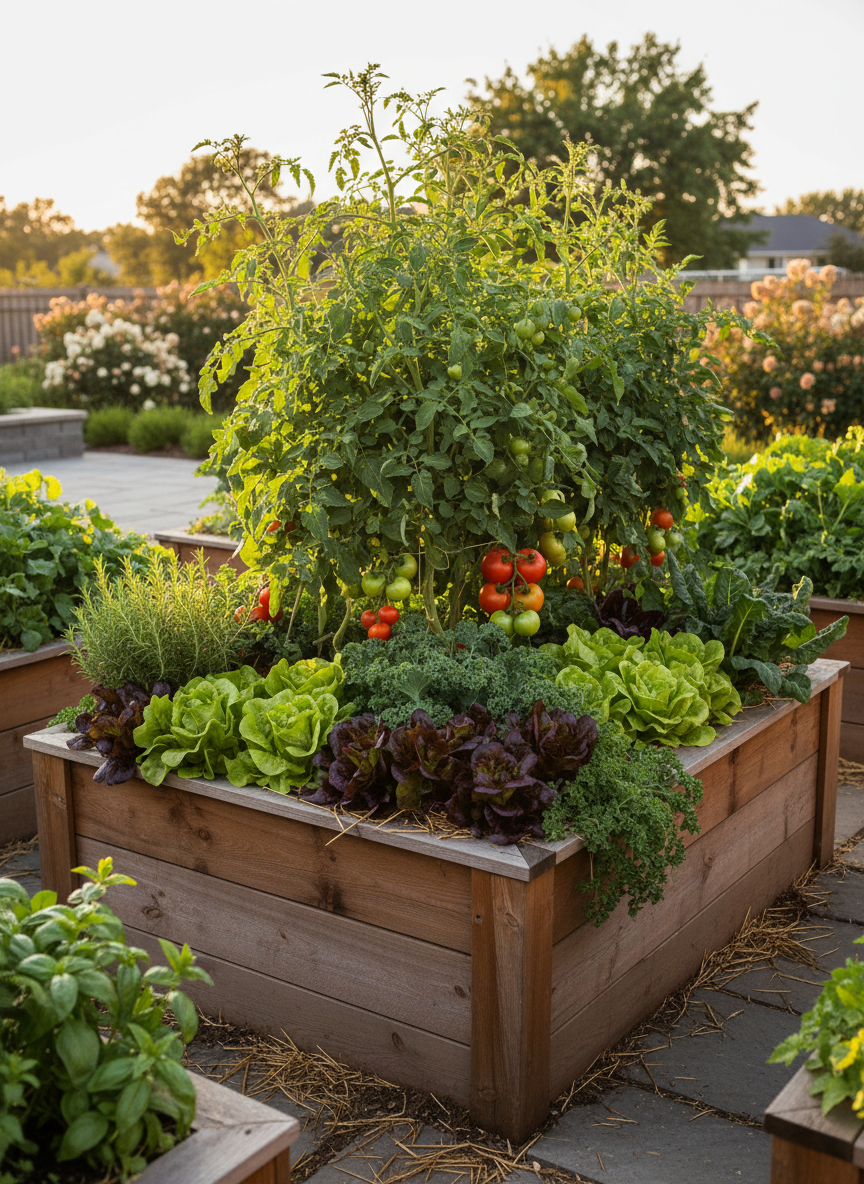
Starting with a small mix of easy crops gives beginners confidence and variety.
The 7 Best Vegetables for Beginner Gardeners
1. Lettuce and Salad Greens
Lettuce is the ultimate beginner vegetable. It grows fast (ready to harvest in 30–45 days), doesn't need intense sunlight, and you can snip leaves continuously without pulling the whole plant.
Varieties to try: Buttercrunch, Black Seeded Simpson, or any mixed salad blend.
- Works in containers, raised beds, or in-ground
- Needs only 4–6 hours of sunlight daily
- Bolts in heat — best for spring and fall
2. Radishes
Radishes are the speed champions of the vegetable garden. Most are ready to harvest in just 22–30 days from seed. They're perfect for impatient beginners.
Plant them between slower-growing crops to make the most of your space.
3. Green Onions (Scallions)
Green onions are incredibly forgiving and almost impossible to kill. You can even regrow them from store-bought ones by placing the roots in water.
They grow in small containers, need minimal fertilizer, and can be snipped and used fresh within weeks.
4. Zucchini
If you want to feel like a successful gardener fast, grow zucchini. It grows aggressively, produces heavily, and requires very little care beyond watering.
One or two plants is genuinely enough — zucchini is famously prolific. Give each plant at least 3–4 square feet of space.
5. Bush Beans
Bush beans are one of the most satisfying crops to grow from seed. They germinate quickly (5–8 days), grow without support stakes, and produce a generous harvest about 50–60 days after planting.
They also improve your soil by fixing nitrogen — a bonus for future seasons.
6. Herbs (Basil, Chives, Parsley)
Herbs are incredibly useful in the kitchen and very easy to grow. Start with:
- Basil — loves warmth and sun, grows fast
- Chives — nearly indestructible, regrows after cutting
- Parsley — slow to start but very low maintenance

Spring is the perfect time to get started with cool-season crops like lettuce and radishes.
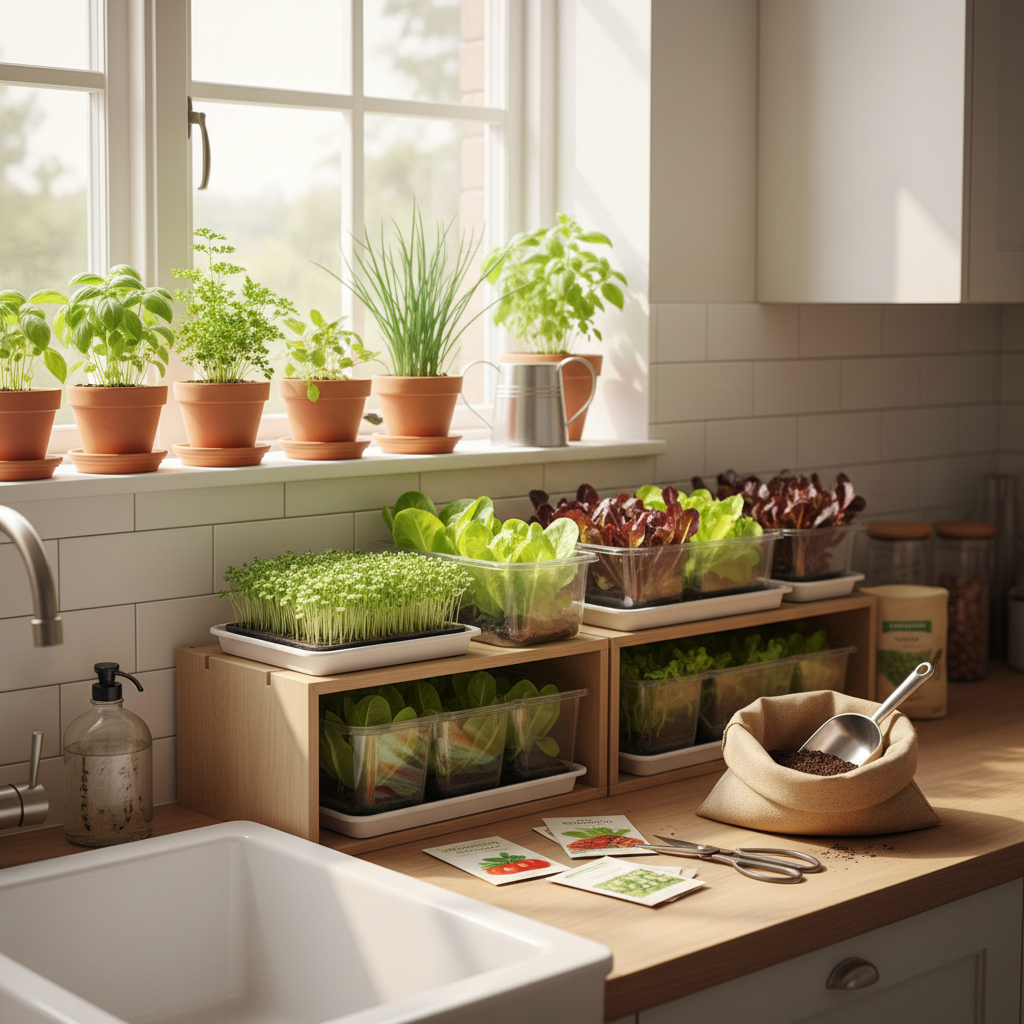
A small pot of herbs on a sunny windowsill or porch counts as a real, successful garden.
7. Cherry Tomatoes
If you really want to grow tomatoes, choose cherry tomato varieties over large slicing types. They're more forgiving, produce earlier, and are less prone to common problems like blossom end rot.
Good beginner varieties: Sun Gold, Sweet Million, Tumbling Tom.
Just make sure you can give them 6–8 hours of direct sun daily.
Step-by-Step: Starting Your First Beginner Garden
Step 1: Pick Your Growing Space
You don't need a big backyard. Start with whatever you have:
- A sunny windowsill → perfect for herbs and lettuce
- A balcony or patio → great for containers and pots
- A small raised bed → ideal for a dedicated beginner plot (4×4 ft is plenty)
- A section of your yard → in-ground beds work great if you have them
The most important factor is sunlight. Most vegetables need at least 6 hours of direct sun per day.
Step 2: Choose Your Setup
For most beginners, one of these three options works best:
- A 4×4 or 4×8 raised bed — the best all-around choice. Excellent drainage, no digging, easy to manage.
- A few large containers (5-gallon or bigger) — great if you have limited space.
- A small in-ground plot — works well if your soil is decent and you're willing to amend it.
Step 3: Get the Right Soil
This is the most important investment you'll make. Never use straight garden soil in containers or raised beds — it compacts badly and suffocates roots.
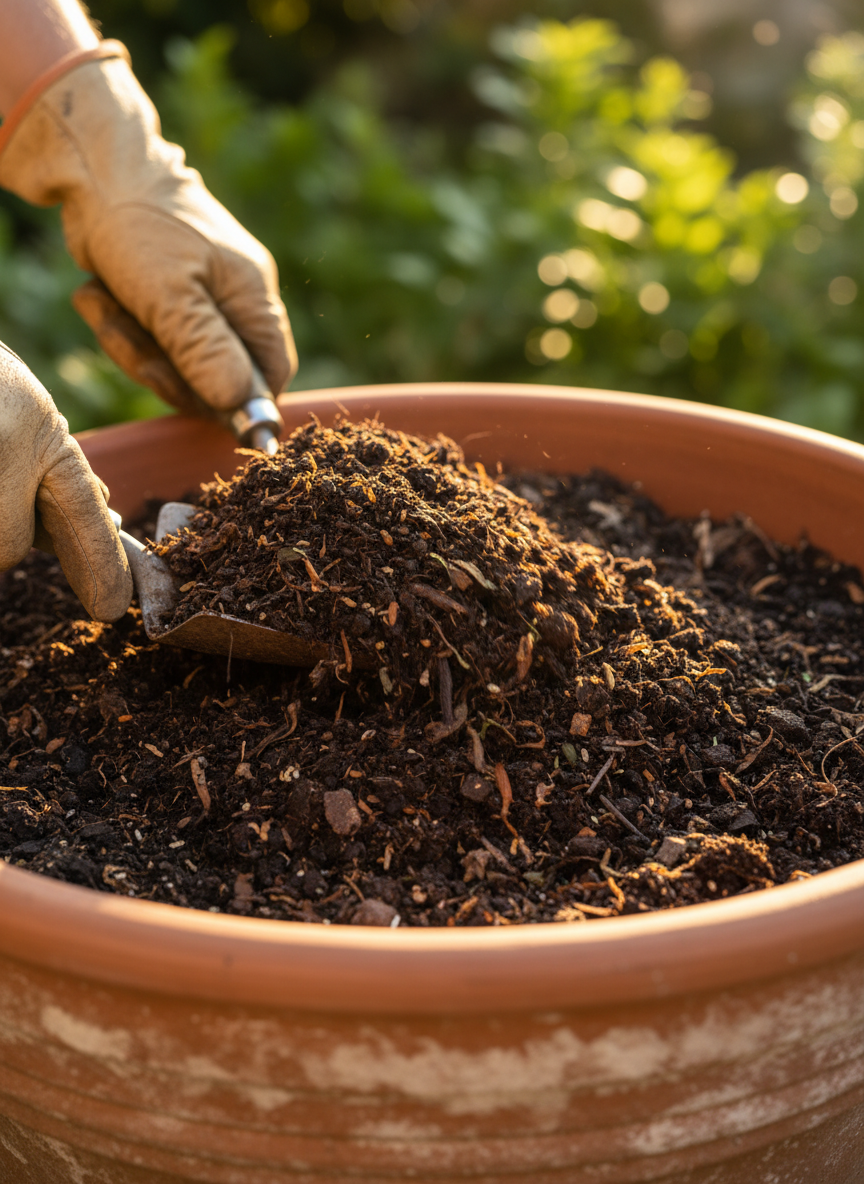
Use a quality potting mix or raised bed mix that contains compost, perlite or vermiculite, and coco coir or peat moss.
A solid beginner mix: 60% potting mix + 30% compost + 10% perlite.
Step 4: Plant Your Starter Crops
For your first season, keep it simple:
- 1 small area or container of lettuce and radishes
- 1 pot of herbs (basil + chives)
- 2–3 bush bean plants
- 1–2 cherry tomato plants (if you have a sunny spot)
That's a complete, manageable beginner garden.
Step 5: Water Consistently
Most beginner gardens fail because of inconsistent watering.
- Stick your finger 1–2 inches into the soil. If it's dry, water.
- Water at the base of plants, not on the leaves.
- Water in the morning when possible.
- Containers dry out faster — check them daily in warm weather.
Step 6: Feed Your Plants
After about 4 weeks, begin feeding with a balanced liquid fertilizer every 1–2 weeks. For tomatoes: switch to a fertilizer higher in phosphorus and potassium once flowers appear.
Step 7: Harvest Often
Regular harvesting encourages plants to produce more.

Zucchini is one of the most rewarding beginner crops — prolific, fast, and easy to grow.
- Harvest lettuce leaves as soon as they're a usable size
- Pick beans when pods snap cleanly
- Harvest zucchini small (6–8 inches) for best flavor
- Pick tomatoes as soon as they're fully colored
Common Beginner Gardening Mistakes
Planting Too Much Too Soon
Excitement makes beginners plant way more than they can manage. A garden that's too big gets overwhelming fast.
Fix: Start with 4–6 plant varieties max. You can always expand next season.
Ignoring Sunlight
Putting a sun-loving vegetable in a shady spot is one of the most common reasons beginner gardens fail.
Fix: Observe your space throughout the day before planting. Count actual hours of direct sunlight.
Overwatering
Overwatering is the #1 killer of container plants. Soggy roots rot quickly.
Fix: Always check soil moisture before watering. When in doubt, wait one more day.
Using the Wrong Soil
Using garden soil in containers leads to compaction and poor drainage.
Fix: Always use a quality potting mix formulated for containers or raised beds.
Skipping Fertilizer
Potting mixes run out of nutrients within a few weeks. Plants start yellowing and stalling without feeding.
Fix: Start a regular fertilizing routine at week 4 and stick to it.
Planting at the Wrong Time
Planting cool-season crops in summer heat leads to poor germination or bolting.
Fix: Learn your local last frost date and use a planting calendar for your hardiness zone.
Best Tips for Beginner Gardening Success
- Start smaller than you think you need to. A 4×4 raised bed is more than enough for a first season.
- Keep a simple garden journal. Note what you planted, when, and what happened. This is gold for next year.
- Water in the morning. Evening watering leaves foliage wet overnight and promotes fungal disease.
- Label everything. Seeds look identical in the ground. Popsicle sticks work perfectly.
- Don't ignore pest damage early. A few aphids becomes a thousand fast. Check plants regularly.
- Celebrate every harvest — even one radish counts. Momentum matters more than perfection.
- Learn your hardiness zone. The USDA Plant Hardiness Zone Map tells you what grows well in your area and when to plant.
Recommended Supplies for Beginner Gardeners
You don't need much to get started. Here's a practical starter list:
Essential tools:
- Quality potting mix or raised bed mix
- A hand trowel and garden gloves
- Watering can or garden hose with a gentle nozzle
- Plant markers or labels
- A balanced liquid fertilizer (10-10-10 or a tomato-specific formula)
If growing in containers:
- 5-gallon buckets or fabric grow bags for tomatoes and beans
- Smaller 1–2 gallon pots for herbs and lettuce
- Pot saucers to protect surfaces

A simple beginner garden can produce a surprising and satisfying first harvest.
If starting from seed:
- Seed starting trays and seed starting mix
- A spray bottle for gentle watering
- A grow light if starting indoors in a low-light space
Nice to have:
- A pH meter or simple soil test kit
- A small fan to improve air circulation around seedlings
- A timer for your watering schedule
Frequently Asked Questions
What is the easiest vegetable to grow for a complete beginner? Lettuce, radishes, and green onions are the easiest starting points. They grow fast, require minimal care, and are very forgiving of mistakes. Radishes can be ready to eat in under 30 days.
How much space do I need to start a beginner garden? Very little. A single sunny windowsill works for herbs. A few pots on a balcony is a real garden. If you want a dedicated space, a 4×4 foot raised bed is the ideal size — large enough to grow several crops but small enough to manage easily.
Do I need to start from seed or can I buy transplants? Both are completely valid. Buying transplants from a nursery is easier and faster. Starting from seed is cheaper and gives you more variety options. For your first season, buying a few transplants while also trying some seeds is a great approach.
When should I start my first garden? It depends on your location. Cool-season crops like lettuce and radishes can go in 4–6 weeks before your last frost date. Warm-season crops like tomatoes and beans go in after the last frost when soil is consistently warm. Search your zip code + 'last frost date' to find yours.
Can I garden without a yard? Absolutely. Container gardening on a balcony, patio, or even a sunny windowsill is completely viable. Herbs, lettuce, cherry tomatoes, and peppers all grow happily in pots with the right soil and sunlight.
How often should I water my beginner garden? There's no single schedule — it depends on your weather, containers, and plants. The best method: stick your finger 1–2 inches into the soil. Water when it feels dry at that depth. Containers need checking daily in warm weather.
What should I do if my plants look yellow? Yellowing is usually caused by overwatering, underwatering, or a nutrient deficiency. Check soil moisture first. If watering is fine, start a balanced fertilizer. Yellowing from the bottom leaves up typically signals a nitrogen deficiency.
Recommended Products
Looking for the right gear to get started? We've curated our top picks for sustainable vegetable gardening — from raised beds and grow lights to seed-starting kits and organic fertilizers — on our Recommended Products page.
Ready to Start?
If you're ready to gear up, check out our recommended raised beds and grow lights on Amazon — beginner-approved and built to last.
Ready to Start?
If you're ready to gear up, check out our recommended raised beds and grow lights on Amazon — beginner-approved and built to last.
Ready to Start?
If you're ready to gear up, check out our recommended raised beds and grow lights on Amazon — beginner-approved and built to last.
Ready to Start?
If you're ready to gear up, check out our recommended raised beds and grow lights on Amazon — beginner-approved and built to last.
Ready to Start?
If you're ready to gear up, check out our recommended raised beds and grow lights on Amazon — beginner-approved and built to last.
Ready to Start?
If you're ready to gear up, check out our recommended raised beds and grow lights on Amazon — beginner-approved and built to last.
Final Thoughts
Every experienced gardener started exactly where you are right now — staring at a patch of soil, wondering if they could actually make something grow.
The secret isn't skill. It's starting simple, staying consistent, and not being too hard on yourself when something doesn't work out perfectly.
Choose two or three crops from this list, give them good light and quality soil, water consistently, and you will harvest something. That first harvest — even a single radish — changes how you think about the whole thing.
Suddenly you're planning your second season before the first one is even over.
Welcome to gardening. You've got this.