Raised bed gardening seems straightforward until your first season throws you a curveball — or ten. You started with the best intentions: fresh soil, enthusiastic planning, maybe even a brand-new cedar frame. Then somewhere between spring planting and summer harvest, things went sideways. The tomatoes struggled, the soil compacted, and you're left wondering where it all went wrong.
The truth is, raised beds are incredibly forgiving once you understand how they work. Most beginner mistakes aren't catastrophic — they're just learning opportunities wrapped in wilted lettuce. The good news is that nearly every common raised bed mistake is both predictable and preventable. Knowing what to watch for before it happens puts you miles ahead of where most new gardeners start.
This guide walks through the ten most common raised bed mistakes, why they matter, and exactly what you can do to avoid them. Whether you're planning your first bed or troubleshooting a struggling second season, these insights will help you grow more food with less frustration.
Why Raised Bed Mistakes Cost You More Than You Think
Affiliate Disclosure: This article contains affiliate links. If you make a purchase through one of them, we may earn a small commission at no extra cost to you. We only recommend products we genuinely believe will help your garden thrive.
Raised beds represent a real investment — in materials, in soil, in time, and in hope. A single poorly built or badly managed bed can cost you an entire growing season, and in some cases, the mistakes compound year after year. Overly dense soil becomes harder to work. Poorly placed beds never get enough sun. Undersized frames make root vegetables nearly impossible to grow successfully.
Beyond the practical losses, there's also the discouragement factor. Nothing kills a new gardener's enthusiasm faster than a bed full of stunted plants when they expected a bumper harvest. Understanding the most common pitfalls isn't just about saving money — it's about protecting your motivation to keep growing.

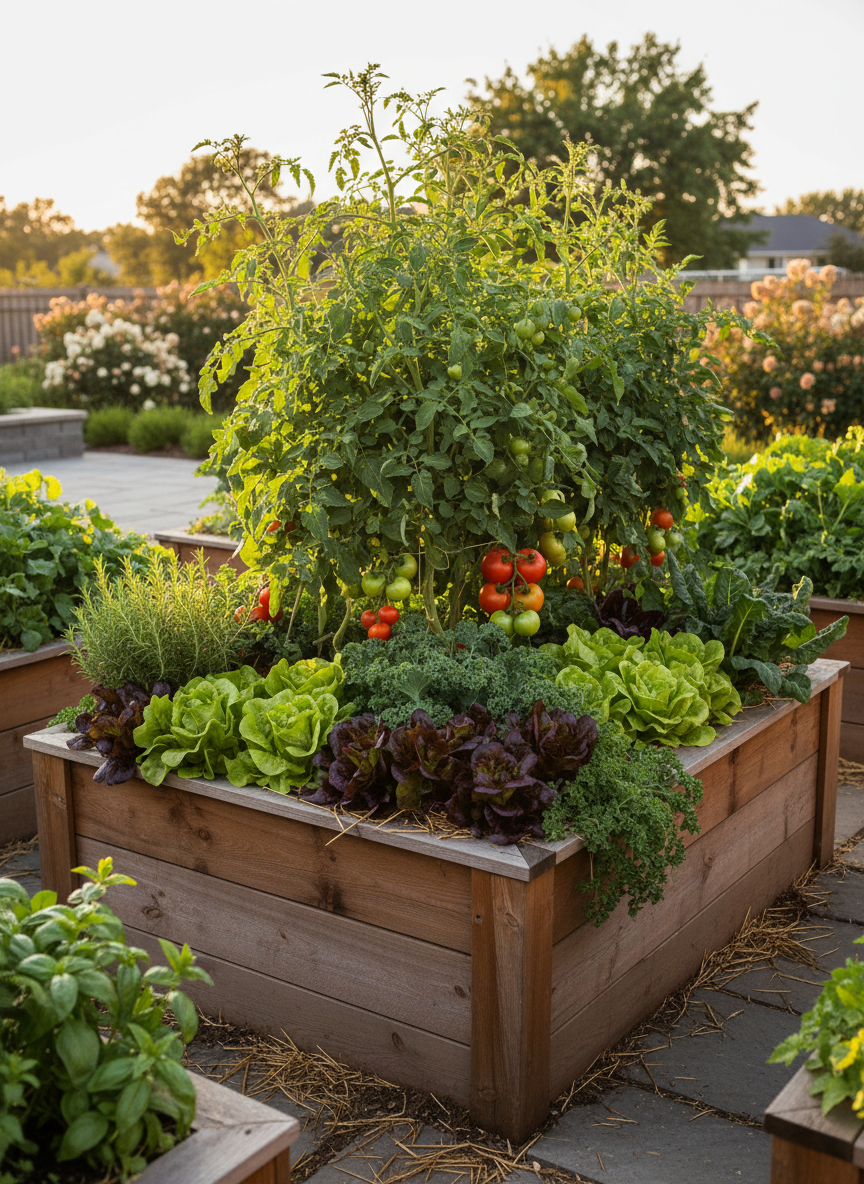
A well-planned raised bed produces abundantly when you avoid the most common setup mistakes.
Quick Answer
The ten most common raised bed gardening mistakes are: choosing the wrong location, building beds that are too narrow or too shallow, using poor-quality soil, overwatering or underwatering, neglecting crop rotation, overcrowding plants, skipping mulch, ignoring pH and nutrients, planting at the wrong time, and failing to plan for perennial weeds underneath the bed. Fixing even half of these issues can dramatically improve your harvests and reduce your workload.
The 10 Raised Bed Mistakes (And How to Fix Every One)
Mistake #1: Picking the Wrong Location
Sunlight is non-negotiable. Vegetables need a minimum of six hours of direct sun daily — most fruiting crops like tomatoes, peppers, and squash prefer eight or more. Yet many gardeners place their raised beds where they're visually convenient rather than where the sun actually falls.
The fix: Before building or placing your bed, observe your yard at different times of day across several days. Note where shadows fall from trees, fences, and your house. Mark the sunniest zones and put your beds there, even if it means a less tidy corner of the yard.
Mistake #2: Building Beds That Are Too Narrow or Too Shallow

Adding a trellis to the back of your raised bed dramatically increases growing space.
A raised bed that's too wide forces you to step inside it, compacting the very soil you worked so hard to build. Too shallow, and root vegetables have nowhere to go, drainage suffers, and soil dries out within hours on a hot day.
The fix: Keep beds no wider than four feet so you can reach the center from either side without stretching uncomfortably. For depth, aim for at least 12 inches as a minimum — 18 inches is better for crops like carrots, parsnips, or anything with deep roots. If you're building on hard clay or compacted subsoil, 24 inches gives your plants a serious advantage.
Mistake #3: Filling Beds With Low-Quality Soil
This is the single most impactful mistake on this list. Many beginners fill raised beds with straight topsoil from a garden center, cheap bagged garden mix, or — even worse — soil dug from other parts of the yard. The result is dense, waterlogged, nutrient-poor growing conditions that undermine everything you plant.
The fix: Use a high-quality blended mix. A classic recipe that rarely fails is the "Mel's Mix" approach: one-third compost (ideally from multiple sources), one-third vermiculite or perlite, and one-third peat moss or coconut coir. This drains well, holds moisture at the same time, and provides a nutrient-rich base. Refresh with a 1–2 inch layer of compost each season to replenish what plants take up.
Mistake #4: Watering Inconsistently
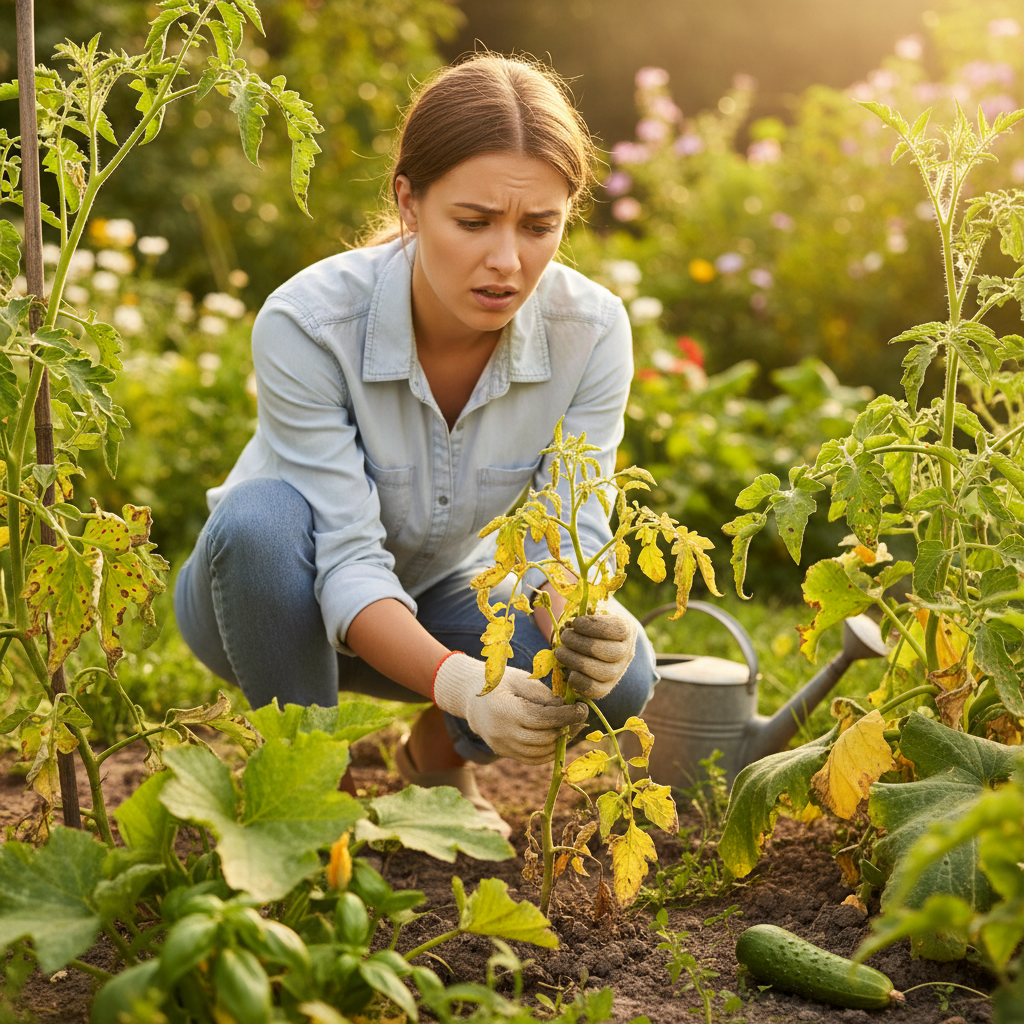
Raised beds dry out faster than in-ground gardens — that's part of what makes them great for drainage, but it also means they need more consistent attention. Many beginners water irregularly: too much after heavy rain, then forget for a week during a dry spell. This leads to blossom end rot in tomatoes, bolting in lettuce, and general plant stress.
The fix: Check soil moisture by pressing your finger two inches into the soil. If it's dry at that depth, it's time to water. For consistency without the daily effort, consider a simple drip irrigation system on a timer. It's one of the best investments a raised bed gardener can make.
Mistake #5: Ignoring Crop Rotation
Because raised beds feel contained and tidy, it's tempting to put the tomatoes in the same spot every year. But soil-borne diseases and pests build up over time when the same plant families are grown repeatedly in the same location. Tomatoes, peppers, and eggplant in the same spot year after year is a recipe for early blight and fusarium wilt.
The fix: Follow a simple four-bed rotation plan, cycling between nightshades, brassicas, legumes, and root vegetables. Even moving crops within the same bed — just a shift of a few feet — helps break pest and disease cycles.
Mistake #6: Overcrowding Plants

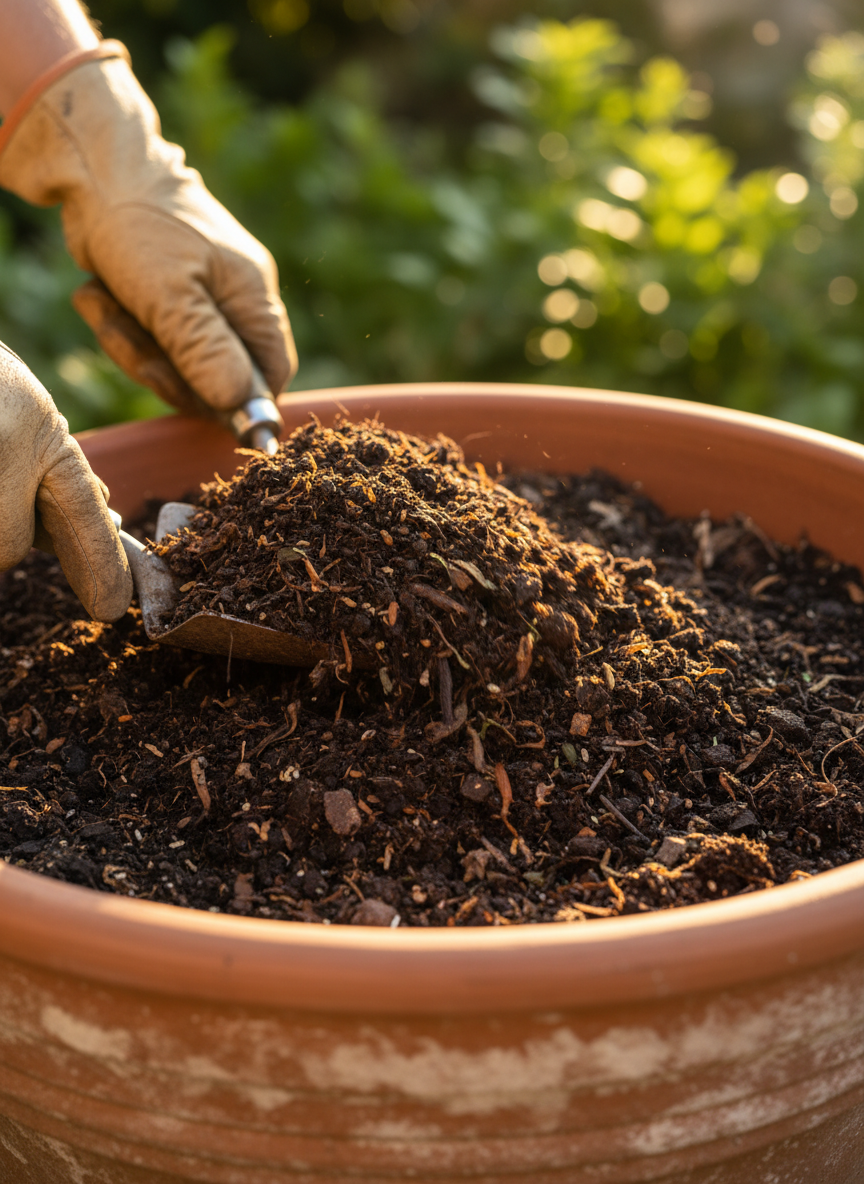
Adding 2-3 inches of compost each spring replenishes nutrients depleted by the previous season.
Seed packets and plant tags often list spacing recommendations based on in-ground growing. In the rich, loose soil of a raised bed, you can plant somewhat more densely — but there's still a limit. Too many plants competing for light, water, and nutrients means smaller harvests from every single one of them.
The fix: Use the square foot gardening method as a starting guide: one tomato per square foot, nine spinach plants per square foot, four lettuce plants per square foot, and so on. Give leafy greens and root vegetables enough room to develop properly. It feels sparse at first, but the yield difference is significant.
Mistake #7: Skipping Mulch
Bare soil in a raised bed is an invitation to weeds, and it also lets moisture evaporate rapidly. Many gardeners mulch their flower beds but forget to do the same for vegetables. The result is constant weeding and a thirsty garden.
The fix: Apply 2–3 inches of straw, shredded leaves, or wood chip mulch between plants once they're established. Keep mulch away from direct contact with plant stems to prevent rot. You'll water less, weed far less, and your soil temperature will stay more consistent — all of which benefits your plants directly.
Mistake #8: Neglecting Soil pH and Nutrients
Even beautiful, fluffy, well-structured raised bed soil can fail your plants if the pH is off. Most vegetables thrive between pH 6.0 and 7.0. Outside that range, nutrients get locked up in the soil and become unavailable to roots no matter how much fertilizer you add. Nutrient deficiency symptoms — yellow leaves, stunted growth, poor fruit set — are often misread as pest damage or disease.
The fix: Test your soil pH each spring with an inexpensive soil test kit (they run about $15–20 at most garden centers or online). Adjust with garden lime to raise pH or sulfur to lower it. Also test for basic nutrient levels and amend accordingly — a balanced slow-release organic fertilizer at planting time goes a long way.
Mistake #9: Planting Too Early (or Too Late)
The enthusiasm of spring leads many gardeners to plant warm-season crops weeks before it's actually safe to do so. A single frost after planting can kill tomatoes and basil overnight. On the other side, some gardeners wait until summer heat has already arrived to start cool-season crops like broccoli, kale, or spinach — and wonder why everything bolts immediately.

Poor drainage is one of the biggest raised bed problems — always ensure proper depth and drainage.
The fix: Know your last average frost date and your first average frost date for your area. Plant warm-season crops only after nighttime temperatures reliably stay above 50°F. Start cool-season crops 4–6 weeks before the last frost in spring, or 6–8 weeks before the first frost in fall for a second harvest.
Mistake #10: Not Dealing With What's Underneath the Bed
Perennial weeds like bindweed, quackgrass, and dandelions can push right through the bottom of a raised bed if you don't address what's underneath before you build. Within a season or two, these persistent weeds are growing straight up through your beautiful soil, and they're nearly impossible to remove without dismantling the bed.
The fix: Before placing your raised bed, smother the area beneath it. Lay down cardboard (at least two layers, no tape or staples) or a weed-suppressing landscape fabric designed for vegetable gardens. Overlap edges by at least six inches. The cardboard will decompose over time, improving your native soil below, while blocking weeds through your first critical growing seasons.
Moving Forward: Your Action Plan
Raised bed gardening genuinely is one of the most rewarding ways to grow food at home — when the fundamentals are solid. Start with location and soil quality, because those two factors influence everything else. Get those right, and the other mistakes become much easier to avoid or correct.
If you're mid-season and recognizing some of these issues in your current beds, don't panic. Mulch can be added today. Watering habits can change tomorrow. Crop rotation starts next year. Gardening is a long game, and every season teaches you something new.
Take notes as you go, stay curious, and give yourself credit for every tomato, every handful of greens, and every lesson learned along the way. Your best garden is always the next one.
Recommended Products
Looking for the right gear to get started? We've curated our top picks for sustainable vegetable gardening — from raised beds and grow lights to seed-starting kits and organic fertilizers — on our Recommended Products page.
Ready to Start?
If you're ready to gear up, check out our recommended raised beds and grow lights on Amazon — beginner-approved and built to last.
Ready to Start?
If you're ready to gear up, check out our recommended raised beds and grow lights on Amazon — beginner-approved and built to last.
Ready to Start?
If you're ready to gear up, check out our recommended raised beds and grow lights on Amazon — beginner-approved and built to last.
Ready to Start?
If you're ready to gear up, check out our recommended raised beds and grow lights on Amazon — beginner-approved and built to last.
Ready to Start?
If you're ready to gear up, check out our recommended raised beds and grow lights on Amazon — beginner-approved and built to last.