Are Hydroponic Gardens Worth It? A Beginner’s Honest Guide
Affiliate Disclosure: This article contains affiliate links. If you make a purchase through one of them, we may earn a small commission at no extra cost to you. We only recommend products we genuinely believe will help your garden thrive.
If you have been eyeing countertop gardens, indoor lettuce towers, or DIY hydroponic kits, you may be asking the big question: are hydroponic gardens worth it? The honest answer is that they can be a great fit for some home gardeners, but they are not automatically the best choice for everyone.
Before you spend money on a setup, it helps to look at what hydroponics really offers, what it costs, and what kind of gardener you are. This guide will help you decide with realistic expectations.
Why This Topic Matters
Hydroponic gardening has become much more popular with beginners. It promises fast growth, clean indoor growing, and fewer soil-related problems. For people in apartments, cold climates, or homes with poor yard space, that sounds very appealing.
At the same time, hydroponic systems are often marketed as simple, effortless, and highly productive. That can make beginners think they will save lots of money right away or grow endless vegetables with very little work. In real life, the results depend on your setup, your goals, and how much attention you can give your plants.
This topic matters because hydroponics is an investment. Even a small setup usually costs more upfront than a few containers, potting mix, and seed packets. If you understand the trade-offs ahead of time, you are much more likely to choose a system you will actually enjoy using.
It also matters because success in gardening is not only about yield. A garden can be worth it if it helps you grow fresh herbs in winter, learn new skills, or make use of a dim indoor corner with added grow lights. But it may not feel worth it if you expect a cheap, maintenance-free way to replace a full outdoor vegetable garden.
Quick Answer
Yes, hydroponic gardens can be worth it for beginners, but only if they match your growing goals, budget, and available time.
For many people, hydroponics is worth it when they want to:
- grow leafy greens and herbs indoors year-round
- garden in a small space without a yard
- avoid heavy soil bags and outdoor pests
- enjoy experimenting with a more hands-on growing method
- harvest fresh produce regularly from a compact system
Hydroponics may not feel worth it if you want to:
- spend as little as possible getting started
- grow large crops like corn, pumpkins, or lots of root vegetables
- set up a garden and ignore it for long periods
- avoid using electricity for lights or pumps
- keep gardening as simple and low-tech as possible
In other words, hydroponics is usually not the cheapest way to garden, but it can be one of the most convenient and productive ways to grow certain crops at home. Lettuce, basil, mint, spinach, bok choy, and other quick greens often do especially well.
A simple way to think about it is this: hydroponic gardens are worth it for convenience, clean indoor growing, and fast harvests. They are usually less worth it if your main goal is saving the most money or producing all your household vegetables.
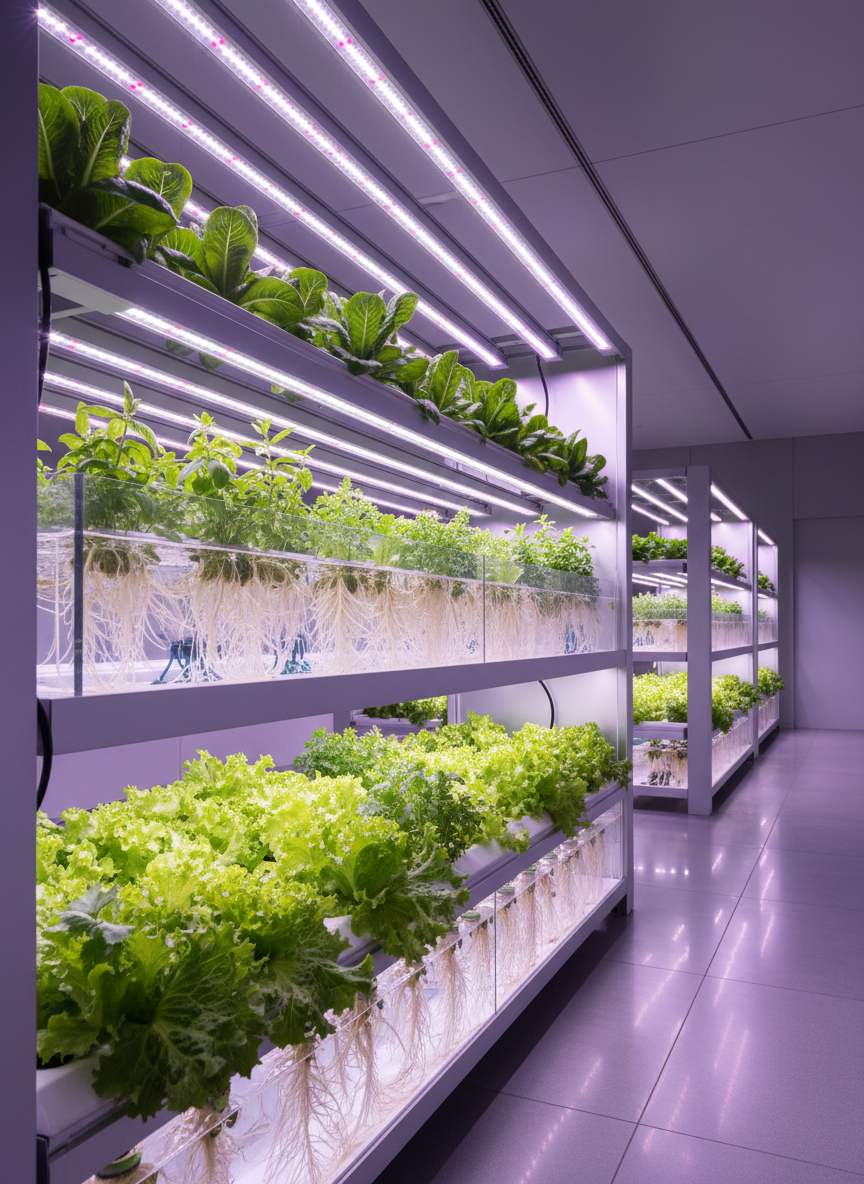
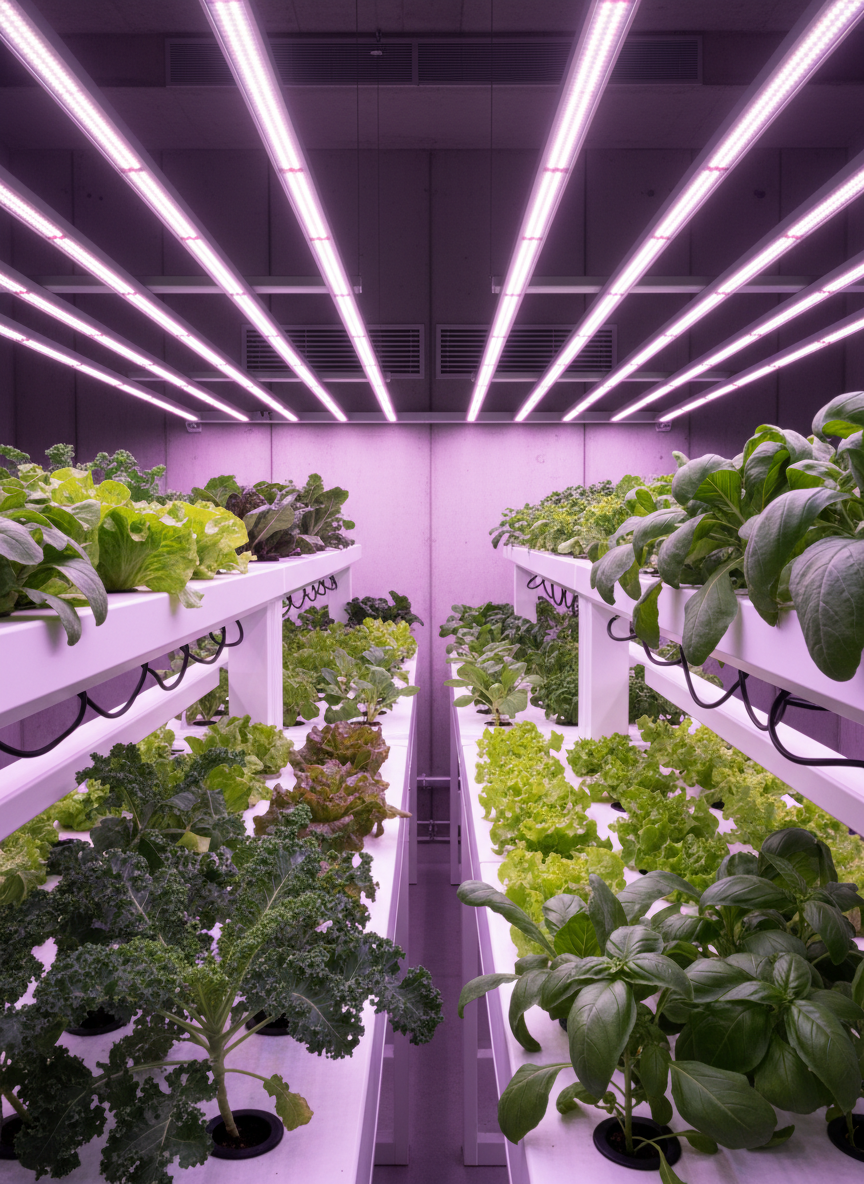
Seeing a well-maintained hydroponic setup in action makes the advantages clear.

With the right crops and setup, a hydroponic garden can produce fresh greens year-round in a compact indoor space.
Step-by-Step Guide
If you are trying to decide whether hydroponics is right for you, walk through these steps before buying anything.
1. Define what you want from your garden
Start with your reason for growing. Do you want fresh salad greens in winter, a few kitchen herbs within reach, or a serious indoor food production setup? Your answer changes what kind of system makes sense.
If your goal is a small supply of herbs and greens, hydroponics can be a very satisfying option. If your goal is to feed a family with large fruiting crops, a small hydroponic unit may disappoint you.
2. Compare the real costs, not just the starter price
A hydroponic garden often has two kinds of costs: upfront setup costs and ongoing costs. Beginners sometimes focus only on the price of the unit and forget about nutrients, replacement parts, electricity, seeds, and possibly grow lights.
Make a quick list before you buy:
- system or containers
- net cups or plant holders
- nutrient solution
- grow lights if natural light is limited
- electricity for lights or pumps
- seeds or seedlings
- pH testing supplies
- water use and occasional cleaning supplies
This does not mean hydroponics is too expensive. It just means you should compare it honestly with a soil-based container garden, which is usually cheaper to start.
3. Think about your available space and light
One reason hydroponic gardens are worth it for many beginners is that they work well indoors. But indoor growing still needs enough light, stable temperatures, and a place where spills or moisture will not be a problem.
A sunny window may be enough for a few herbs, but many hydroponic plants perform better with grow lights. If you are willing to use lights, you gain much more flexibility. If you do not want lights at all, your crop choices may be more limited.
4. Choose crops that suit hydroponics
Hydroponics shines with crops that stay compact and grow quickly. That is why leafy greens and herbs are the best starting point for most beginners.
Great beginner crops include:
- lettuce
- spinach
- arugula
- basil
- parsley
- cilantro
- mint
- bok choy
- kale
- Swiss chard
Possible but more advanced crops include tomatoes, peppers, cucumbers, and strawberries. These can do well, but they need stronger lighting, more nutrients, more support, and closer monitoring.
If you start with easy crops, you are much more likely to feel that your hydroponic garden was worth the effort.
5. Match the system to your skill level
Not every hydroponic garden is the same. Some systems are simple and passive, while others rely on pumps, timers, air stones, or recirculating water.
For beginners, common options include:
- Kratky method: simple, low-cost, and no pump required for many leafy greens
- Deep water culture: roots sit in nutrient solution, often with an air pump
- Countertop all-in-one units: convenient and compact, but often more expensive for the growing space you get
- NFT or vertical towers: productive in some cases, but usually less beginner-friendly to troubleshoot
If you want the easiest path, start small. A simple, manageable system is often more rewarding than a larger system that feels overwhelming.
6. Be honest about maintenance
Hydroponics is often neat and efficient, but it is not zero-maintenance. You will still need to check water levels, mix nutrients correctly, watch plant growth, clean the system, and keep an eye out for algae or nutrient imbalance.
In soil gardening, the soil acts as a buffer. In hydroponics, plants respond more quickly to mistakes because the root zone is more controlled. That is helpful when things are going well, but it also means neglect can show up fast.
Ask yourself whether you are comfortable with a routine like this:
- checking water every few days
- topping off or replacing nutrient solution
- trimming roots or harvesting regularly
- cleaning between plantings
- monitoring light height and plant spacing
If that sounds manageable, hydroponics may be a very good fit.
7. Start small and evaluate after one season
You do not need a large indoor tower or an expensive smart garden to find out whether hydroponics works for you. In fact, starting small is usually the smartest approach.
Try one compact setup with a few leafy crops. Track what you harvest, how often you maintain it, how much you enjoy the process, and whether it fits your daily life.
After a couple of months, ask yourself:
- Did I harvest enough to feel satisfied?
- Was the routine easy to keep up with?
- Did I enjoy the learning curve?
- Would I rather expand this setup or go back to soil?
That real experience will answer the question better than any advertisement can.
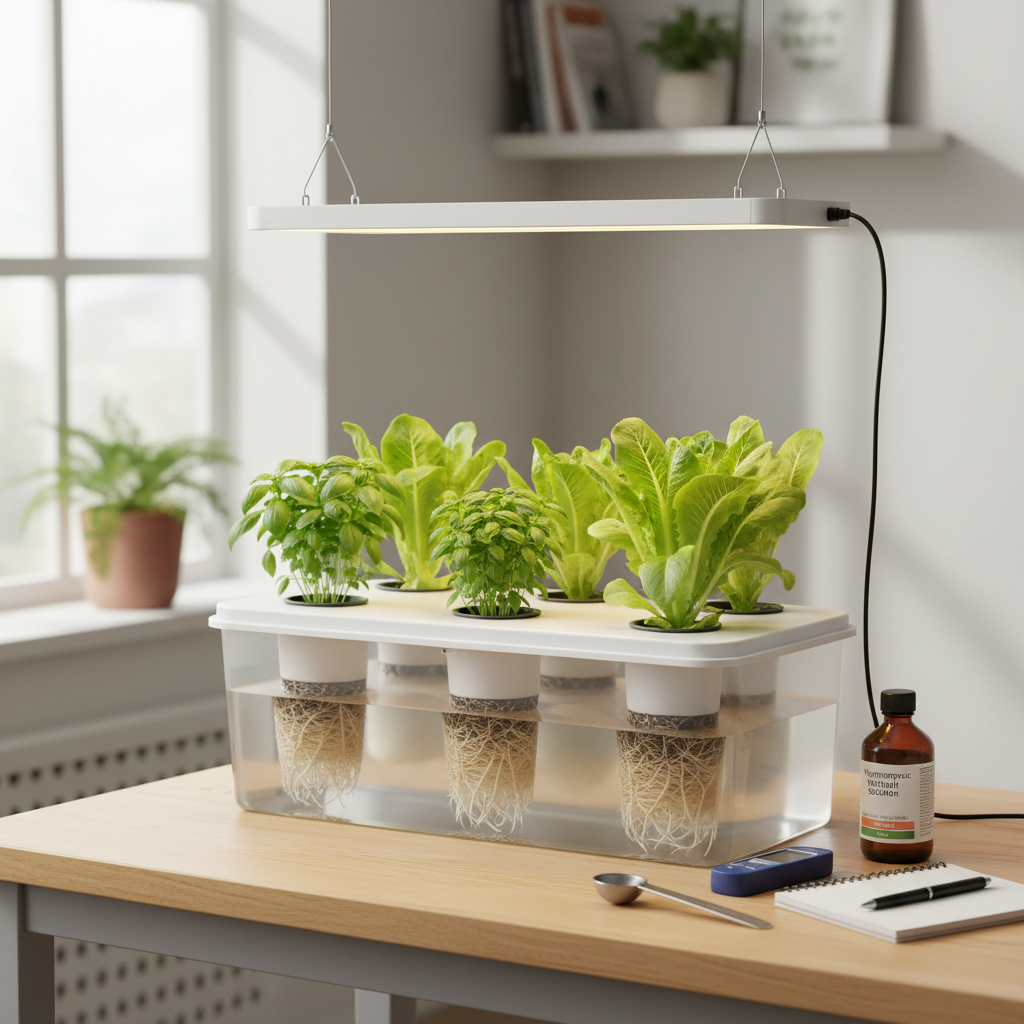
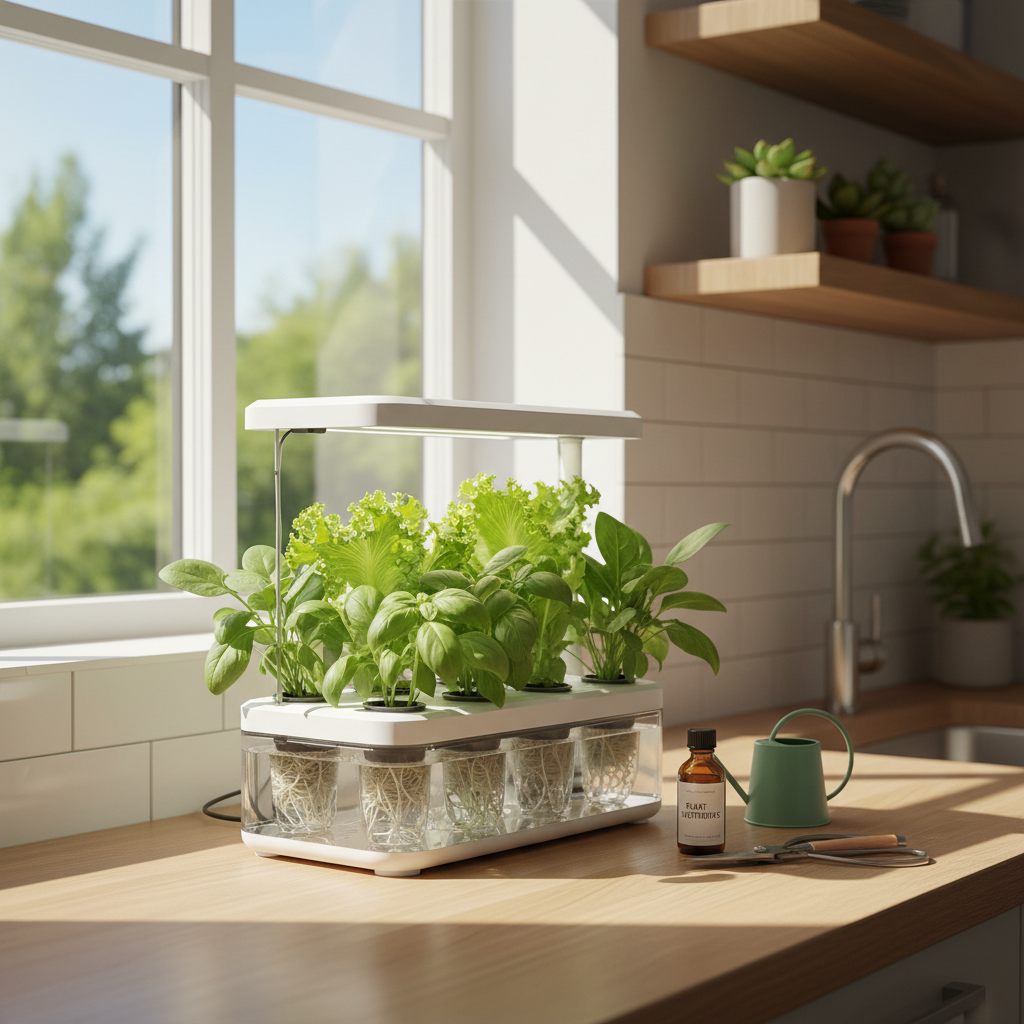
Comparing both methods side by side can help you decide which approach fits your lifestyle and goals.

Both hydroponics and traditional container gardening can produce excellent results — the best choice depends on your space, budget, and how much you enjoy the process.
Common Beginner Mistakes
One of the biggest mistakes is starting too big. A large system seems exciting, but it also creates more chances for problems with lighting, nutrients, spacing, and maintenance.
Another common mistake is growing the wrong crops first. Beginners often want tomatoes or peppers immediately, but those plants need more attention than basic greens. Starting with lettuce or basil builds confidence much faster.
Poor lighting is another issue. Many disappointing hydroponic gardens are actually light problems, not hydroponic problems. If plants are leggy, slow, or pale, they often need stronger or closer light.
Nutrient mistakes are also very common. Adding too much fertilizer can damage roots, while too little can stunt growth. Always follow the nutrient directions for the type of crop and stage of growth.
Cleaning gets overlooked too. Old water, algae, and dirty reservoirs can lead to weak plants and unpleasant smells. A simple cleaning routine between rounds makes a huge difference.
Finally, many beginners expect hydroponics to save money immediately. In some cases it can reduce grocery trips for herbs and salad greens, but the first goal should be reliable harvests and learning the system. Any savings usually come later, not on day one.
Best Tips for Success
If you want your hydroponic garden to feel worth it, keep things simple at the start. Choose one easy crop, one small system, and one clear routine.
These tips help a lot:
- start with leafy greens or herbs
- use quality seeds with good germination rates
- give plants enough light from the beginning
- label what you plant and note the date
- check water levels on a regular schedule
- mix nutrients carefully instead of guessing
- harvest often to encourage fresh growth
- clean the system fully between plantings
It also helps to keep a small garden notebook or phone note. Write down what variety you planted, how long it took to sprout, and any problems you noticed. Small records make future growing much easier.
Most of all, expect a learning curve. A few mistakes do not mean hydroponics was not worth it. They are simply part of learning a different gardening method.
Recommended Supplies or Tools
You do not need every gadget on the market, but a few basic tools make hydroponic growing easier and more consistent.
Useful supplies for beginners include:
- a simple hydroponic container or starter system
- food-safe reservoir or growing tank
- net cups or plant baskets
- hydroponic nutrient solution
- pH test kit or digital pH meter
- grow light if natural light is limited
- timer for lights
- clean water source
- pruning scissors for harvesting
- soft brush or cloth for cleaning
Helpful but optional tools include:
- EC or TDS meter to monitor nutrient strength
- air pump and air stone for systems that need added oxygen
- seed starting plugs or cubes
- small fan for air circulation indoors
- thermometer to track room temperature
If you are on a budget, begin with the basics. You can always add more tools later if you decide hydroponics is a method you want to stick with.
Frequently Asked Questions
Are hydroponic gardens worth it for beginners?
They can be, especially for beginners who want to grow herbs and leafy greens indoors. The best results usually come from starting with a small, simple system instead of a complex setup.
Is hydroponics cheaper than regular gardening?
Usually not at the beginning. Soil gardening is often cheaper to start, but hydroponics may still feel worth it if you value convenience, indoor growing, and frequent harvests of fresh greens.
What grows best in a hydroponic garden?
Lettuce, basil, spinach, arugula, parsley, mint, and bok choy are great beginner choices. These crops stay manageable and tend to respond well to hydroponic conditions.
Do hydroponic gardens need a lot of maintenance?
They need regular attention, but not necessarily a huge amount of time. Short, consistent check-ins are better than neglecting the system for a week and trying to fix everything at once.
Can a hydroponic garden replace an outdoor vegetable garden?
For most beginners, not completely. A small hydroponic setup is excellent for greens and herbs, but it usually does not replace the space and crop range of a full outdoor garden.
Recommended Products
Looking for the right gear to get started? We've curated our top picks for sustainable vegetable gardening — from raised beds and grow lights to seed-starting kits and organic fertilizers — on our Recommended Products page.
Ready to Start?
If you're ready to gear up, check out our recommended raised beds and grow lights on Amazon — beginner-approved and built to last.
Ready to Start?
If you're ready to gear up, check out our recommended raised beds and grow lights on Amazon — beginner-approved and built to last.
Ready to Start?
If you're ready to gear up, check out our recommended raised beds and grow lights on Amazon — beginner-approved and built to last.
Ready to Start?
If you're ready to gear up, check out our recommended raised beds and grow lights on Amazon — beginner-approved and built to last.
Ready to Start?
If you're ready to gear up, check out our recommended raised beds and grow lights on Amazon — beginner-approved and built to last.
Ready to Start?
If you're ready to gear up, check out our recommended raised beds and grow lights on Amazon — beginner-approved and built to last.
Final Thoughts
So, are hydroponic gardens worth it? For many beginners, yes, especially if the goal is clean, compact, indoor growing of herbs and leafy greens. They are less about instant savings and more about convenience, control, and year-round harvests.
If you are curious, start small and keep your expectations realistic. A modest system that fits your space and routine is far more likely to feel worthwhile than a large setup you do not enjoy managing.
The best garden is the one you can care for consistently. If hydroponics helps you do that, it may be well worth trying.